
Backend Engineer Resume: System-Level Achievements, Metrics, and ATS-Ready Examples for 2026
Written by Armen Mkhitaryan
Start with the outcome you owned, not the stack you used. Hiring managers and technical screeners want evidence you shipped reliable services, improved performance, and reduced cost or latency at scale. This article shows how to translate backend work into resume language that passes ATS, convinces interviewers, and maps to portfolio artifacts.
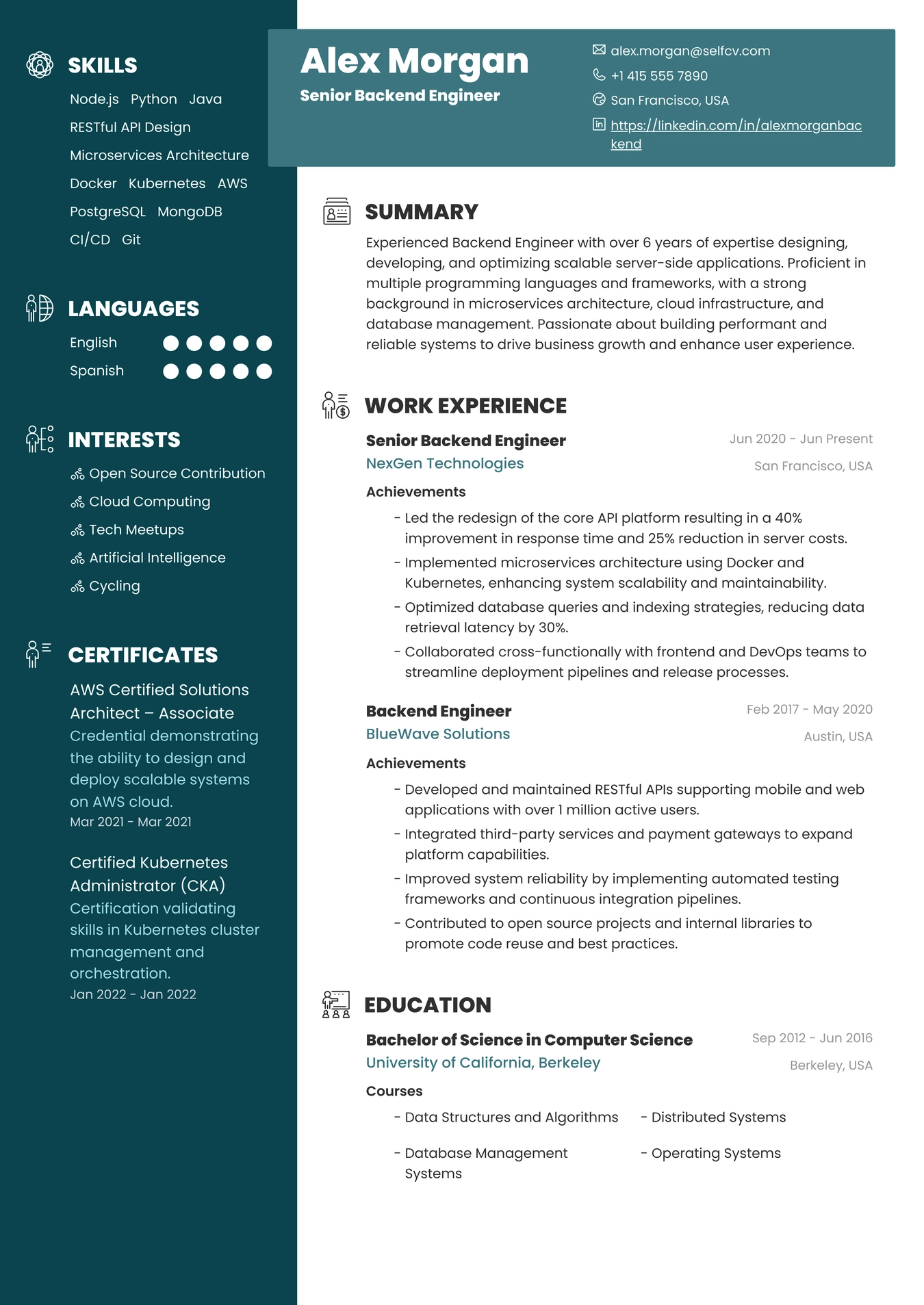
Quick metrics-first overview
Lead with one system-level metric in your header or summary when possible.
- Reduce API latency by X% for Y users or requests per second (QPS).
- Cut infrastructure cost by $X monthly using autoscaling or right-sizing.
- Improve reliability by lowering mean time to recovery (MTTR) or incident frequency.
Why metrics matter
- They turn routine tasks into measurable impact.
- They provide conversation hooks for system design interviews.
- They let non-technical screeners see business value.
ATS checklist for backend engineer resume
Format and content items that improve ATS and recruiter matches.
- Use standard section labels: Professional Summary, Technical Skills, Professional Experience, Education, Certifications.
- Put core tech keywords in a short skills block near the top.
- Include exact role titles used by target jobs: Backend Engineer, Backend Developer, API Engineer, Backend Software Engineer.
- Add system context: users, QPS, data volume, uptime targets, latency, concurrency.
- Use action verbs and achievement statements with metrics: reduced, redesigned, scaled, cut, improved, automated.
- Keep file type ATS-friendly: PDF or DOCX depending on job post instructions.
Keywords and phrases to include when appropriate
- languages: Python, Java, Golang, Node.js, Ruby
- data stores: PostgreSQL, MySQL, MongoDB, Redis, Cassandra
- infra and cloud: AWS, GCP, Azure, Kubernetes, Docker, Terraform
- patterns: microservices, event-driven, RESTful APIs, GraphQL, streaming, CQRS
- tools: Prometheus, Grafana, Jaeger, ELK, DataDog, Sentry
- practices: CI/CD, automated testing, blue-green deploys, canary releases, chaos testing
How to avoid keyword stuffing
- Scatter keywords into real achievements and project descriptions.
- Use contextual phrases: "designed a gRPC service handling 5k QPS" rather than listing gRPC alone.
Entry-level example (one-page) follows to show ATS-oriented ordering and concise metrics.
Resume Example for Backend Engineer
Complete fictional entry-level resume example
The candidate, companies, and career history shown are fictional examples created for illustration and any resemblance to a real person or organization is coincidental.
Maya Chen
Target Position
Backend Engineer
Location
Austin, TX (remote-ready)
Professional Summary
Junior backend engineer with 18 months of production experience building REST APIs and background jobs. Reduced response time and improved reliability for customer-facing services. Comfortable with Python, PostgreSQL, Redis, Docker, and AWS.
Grouped Skills
Languages: Python, SQL, JavaScript (Node.js)
Datastores: PostgreSQL, Redis
Cloud & Infra: AWS (EC2, S3, RDS), Docker
Observability: Prometheus, Grafana, Sentry
Practices: REST APIs, CI/CD (GitHub Actions), unit testing
Professional Experience:
Backend Engineer Intern, FinPay Labs, Austin, TX, Jun 2024 - Aug 2024
- Built a payments reconciliation API in Python that processed 30k transactions/day and reduced manual reconciliation time by 60%.
- Implemented Redis caching for reconciliation lookups, cutting average request time from 420 ms to 120 ms.
- Added end-to-end tests and integrated them into CI, preventing regressions across deployments.
Junior Backend Engineer, LocalLogistics, Remote, Sep 2024 - Jan 2026
- Migrated a monolithic order-processing endpoint into a dedicated microservice, handling 1k orders/min peak and reducing deployment blast radius.
- Implemented paginated queries and indexed critical fields in PostgreSQL, improving checkout latency 35% under load.
- On-call contributor for a team of 4, documented runbooks and reduced MTTR for database-related incidents from 45 min to 20 min.
Education / Training
B.S. Computer Science, University of Texas at Austin, 2023
Certifications
AWS Certified Cloud Practitioner (2025)
Portfolio
- GitHub: github.com/mayachen/backend-examples
- Live API demo: staging.local-logistics.com/health
What hiring teams evaluate for backend resumes
Hiring patterns to address in your resume copy.
- Production ownership: evidence you owned a service or feature and saw it through to production.
- Scale and context: include relevant scale metrics like users, QPS, data size, or job throughput.
- Reliability: show incident handling, on-call experience, monitoring improvements, or SLA contributions.
- Performance and cost: quantify latency, throughput, or cost reductions.
- Architecture thinking: show design choices, trade-offs, and migration work (monolith to microservices, stateful to stateless).
Mid-level example (annotated) for recruiter and tech screener review
Name: Diego Alvarez
Title: Backend Software Engineer
Location: London, UK
Summary: 3.5 years building microservices for adtech platforms. Focus on low-latency APIs and cost-effective streaming pipelines.
Skills: Golang, Kafka, Redis, PostgreSQL, Kubernetes, Prometheus
Project bullets:
- Redesigned bidding API to use Golang and connection pooling, lowering request p95 latency from 210 ms to 120 ms at 10k QPS.
- Built consumer group patterns in Kafka to scale a metrics ingestion pipeline to 1M events/min while keeping end-to-end lag under 2s.
- Introduced horizontal pod autoscaling and node pools, cutting monthly infra cost by 18% for peak traffic windows.
Why this works for recruiters and screeners
- Role title matches job postings.
- Stack matches required skills and is present in a concise skill block.
- Bullets include metrics, scale, and concrete outcomes.
Career progression: intern to staff backend engineer
How bullet focus should change as scope grows.
Intern / Entry-level focus
- Ownership: small services or subsystems.
- Outcomes: bug fixes, performance tweaks, tests, simple migrations.
- Metrics: short-term latency or developer time saved.
Mid-level focus
- Ownership: full services, feature areas, components.
- Outcomes: measurable improvements, production reliability, automation.
- Metrics: latency, error rate, cost, throughput under load.
Senior / Staff focus
- Ownership: system architecture, cross-team migrations, on-call practices, incident response culture.
- Outcomes: platform-wide improvements, mentoring, capacity planning.
- Metrics: system availability, MTTR, delivery velocity, cost avoidance.
Senior / staff example snippet
Name: Priya Kapoor
Title: Staff Backend Engineer
Location: Berlin, Germany
Summary: 8+ years designing scalable data platforms and coordinating cross-team migrations to event-driven architecture for fintech workloads.
Skills: Java, Kafka, k8s, Terraform, Postgres, ClickHouse, observability
Project bullets:
- Led migration from monolith to event-driven microservices with schema registry and change-data-capture, enabling 10x independent deploys and reducing batch processing windows from 6 hours to 30 minutes.
- Established SLOs and error budget policies, reducing major incidents by 55% year-over-year and halving MTTR for production incidents.
- Mentored 6 engineers across two teams, created shared libraries for metrics and tracing to enforce observability standards.
What signifies readiness for leadership roles
- Cross-team outcomes and platform-level metrics.
- Documented trade-offs and decisions that shaped architecture.
- Evidence of mentorship and process improvements.
Rewrite templates: turn responsibilities into achievements
Responsibility-to-achievement templates tailored for backend work.
- Responsible for X -> Reduced X by Y% for Z users by doing A.
- Built internal tool X -> Automated Y processes, saving Z engineer-hours per week and preventing N class of bugs.
- Maintained service X -> Improved uptime from A% to B% by introducing health checks, retries, and circuit breakers.
- Wrote tests -> Increased integration test coverage from A% to B%, catching N regressions during staging.
- Migrated database -> Migrated from MySQL to PostgreSQL with no downtime using incremental schema rollout and backfill scripts, improving query performance by X%.
Examples to adapt
- "Implemented asynchronous job queue using RabbitMQ, cutting request latency 40% for user-facing flows under 2k QPS."
- "Sharded Redis cache by user region to reduce cache eviction rates for 10M daily users."
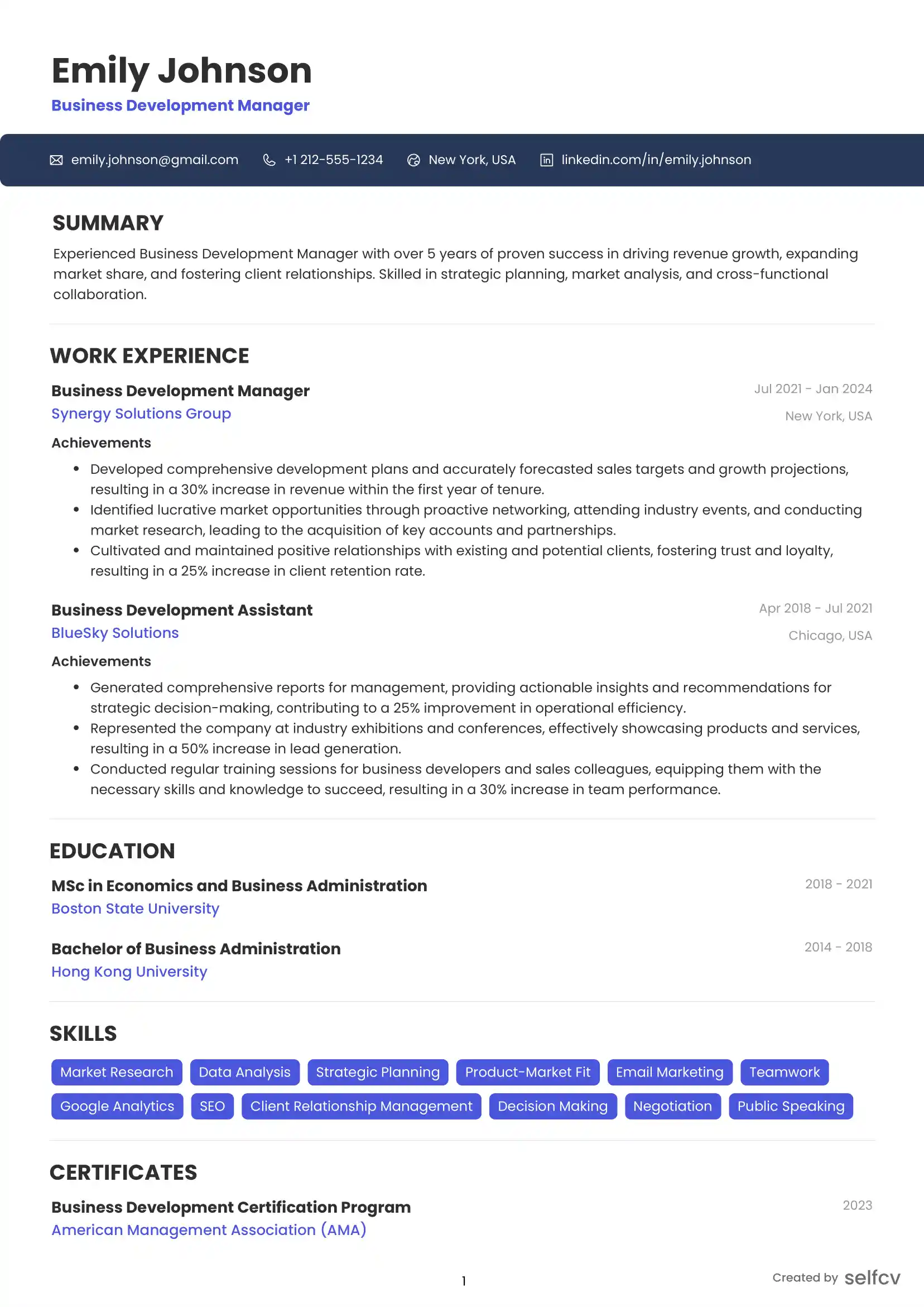
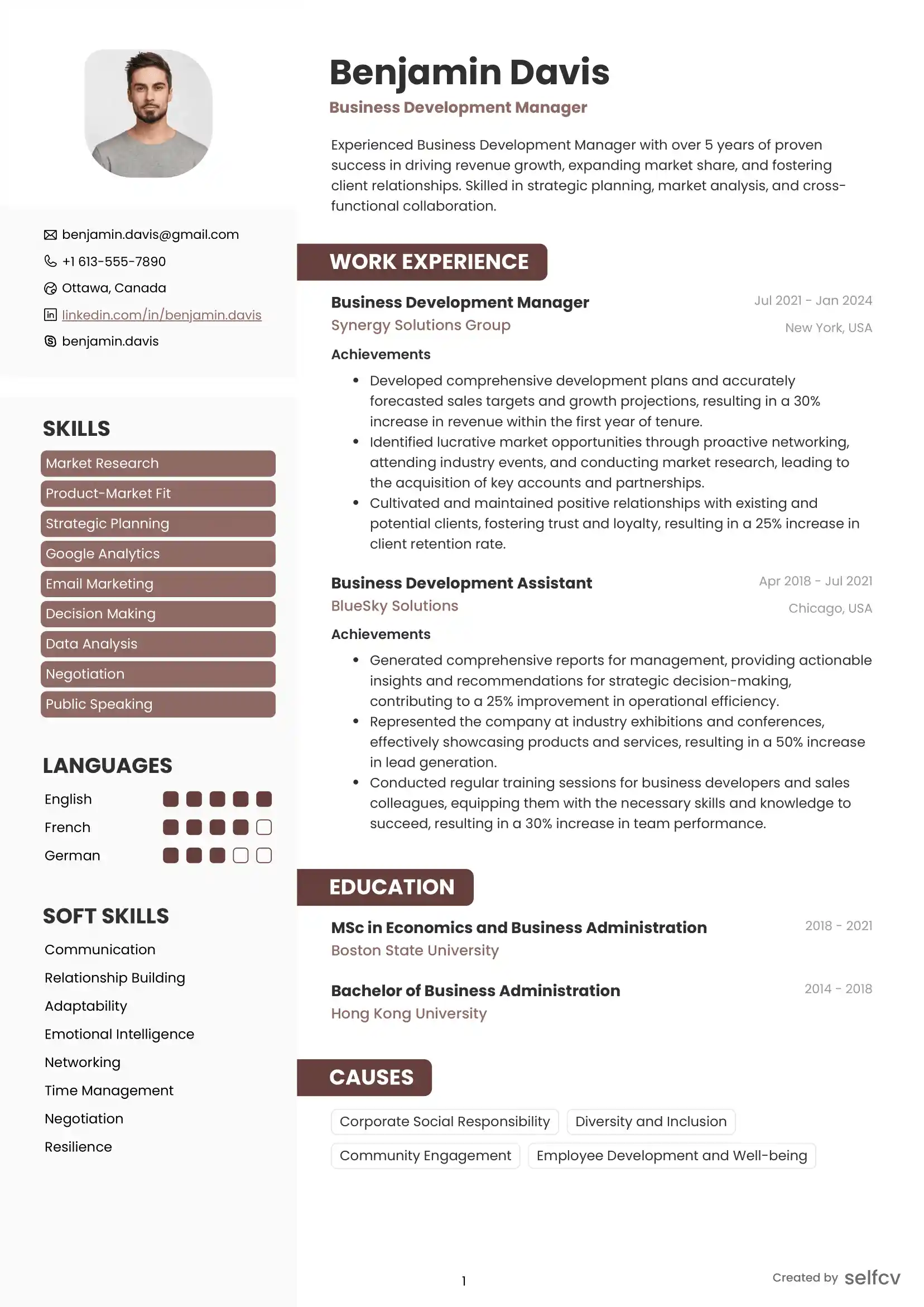
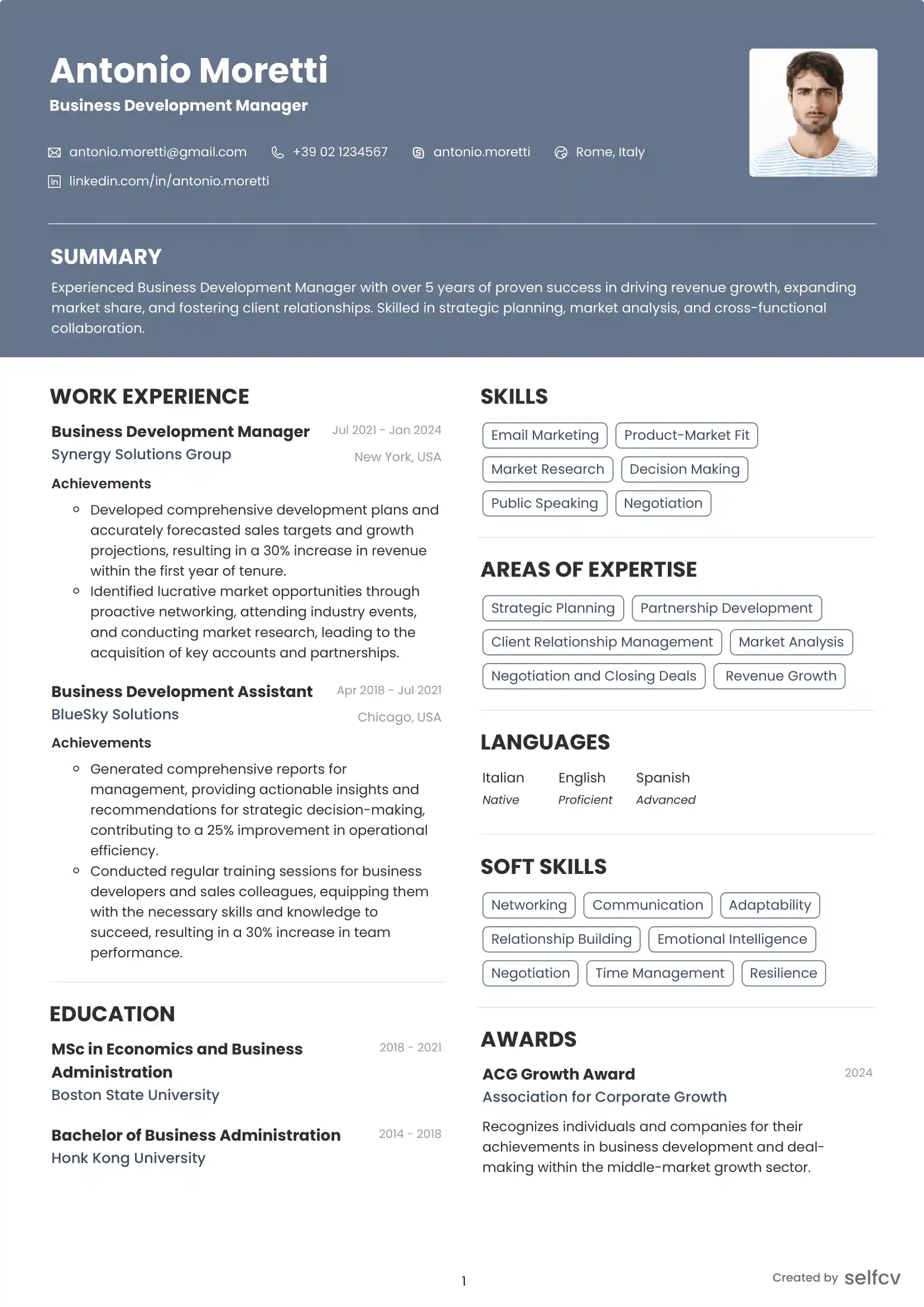
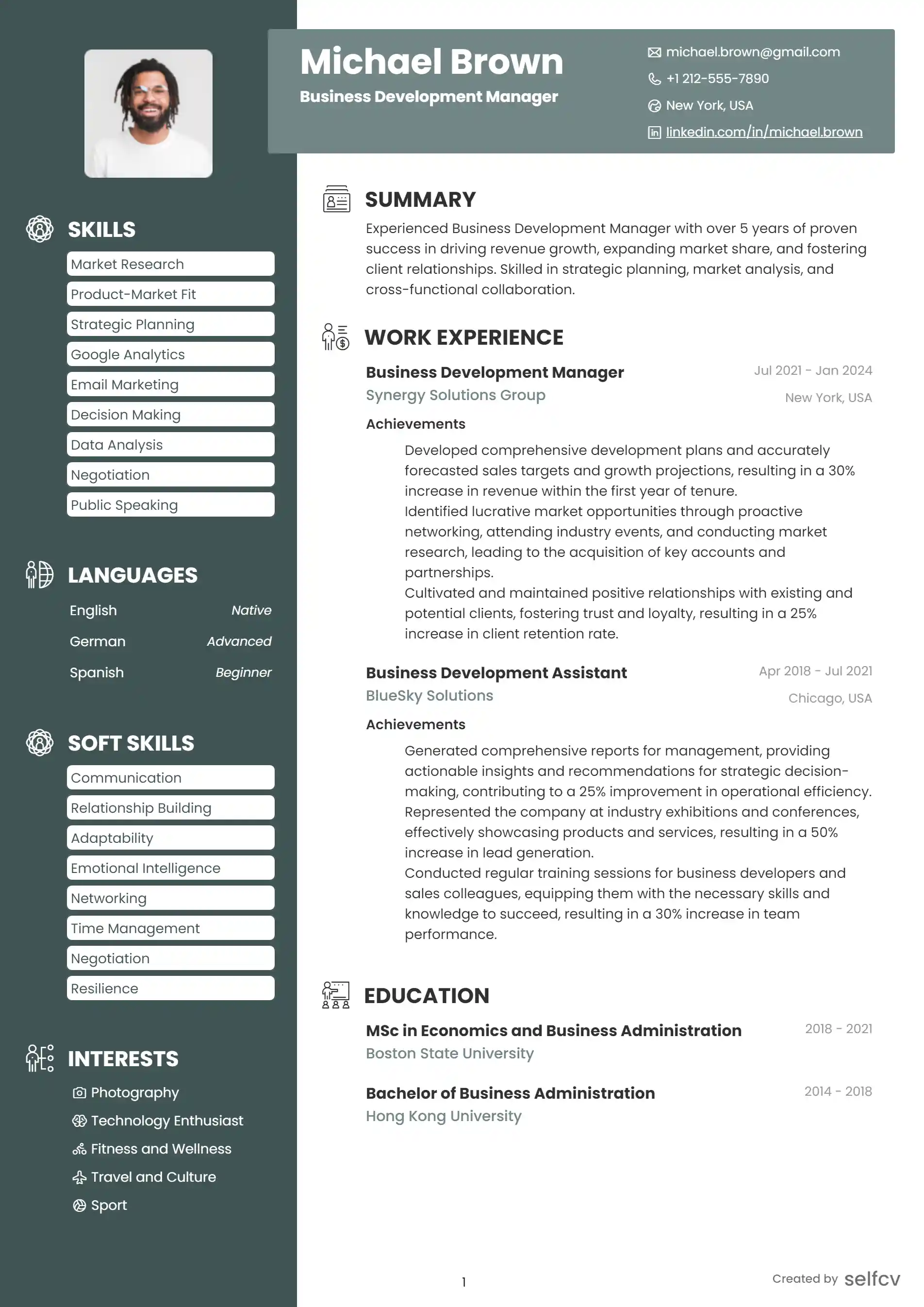
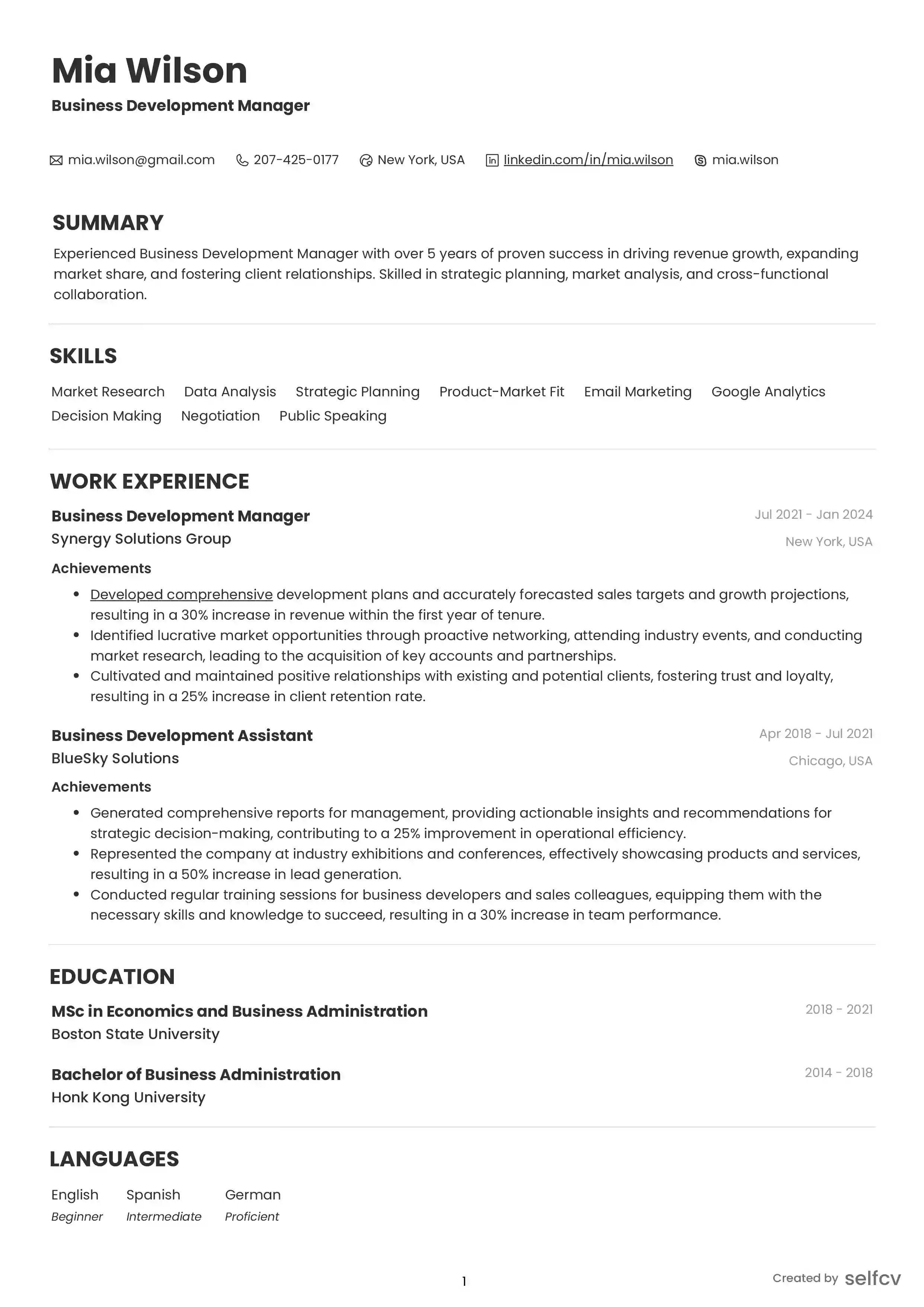
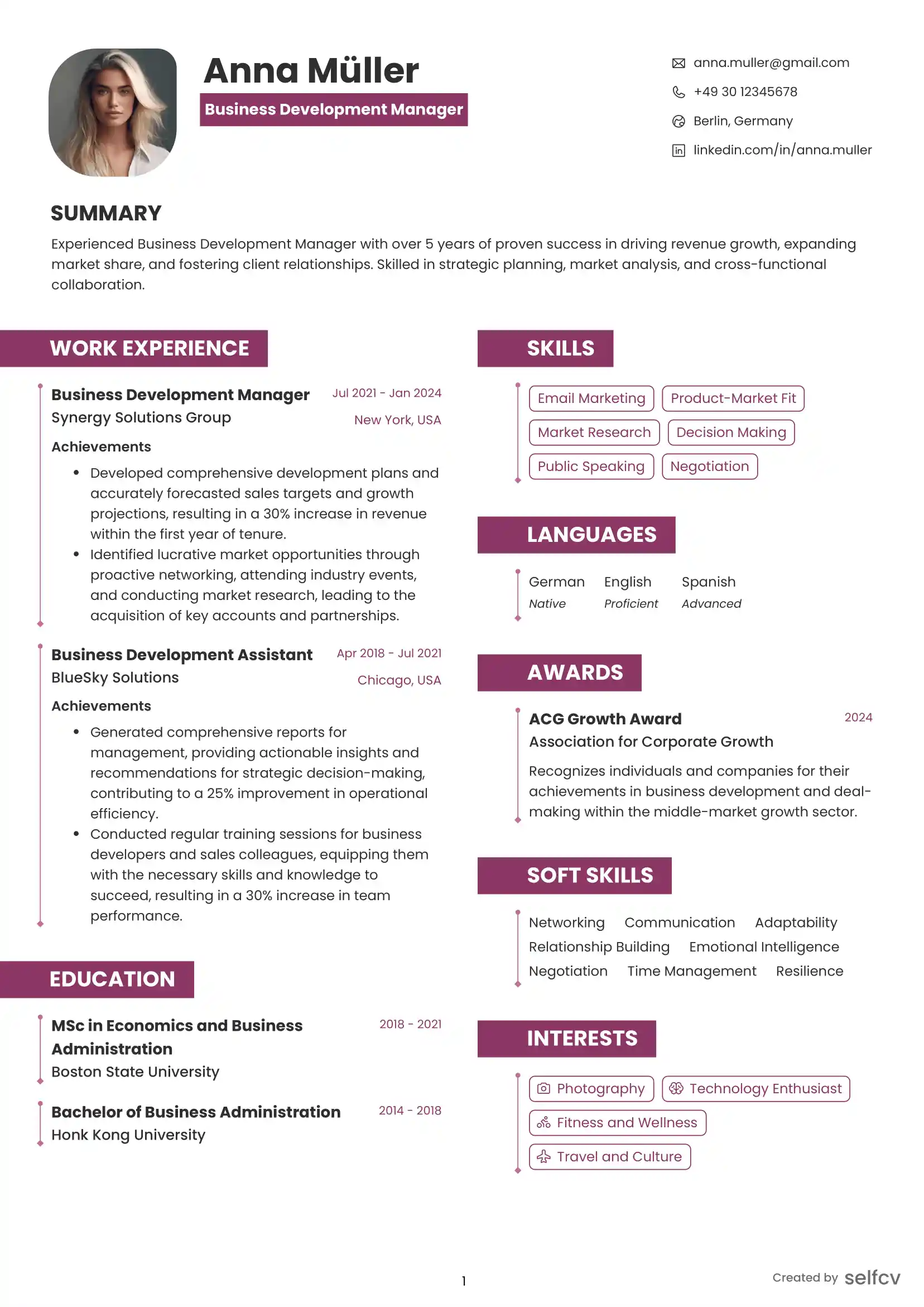
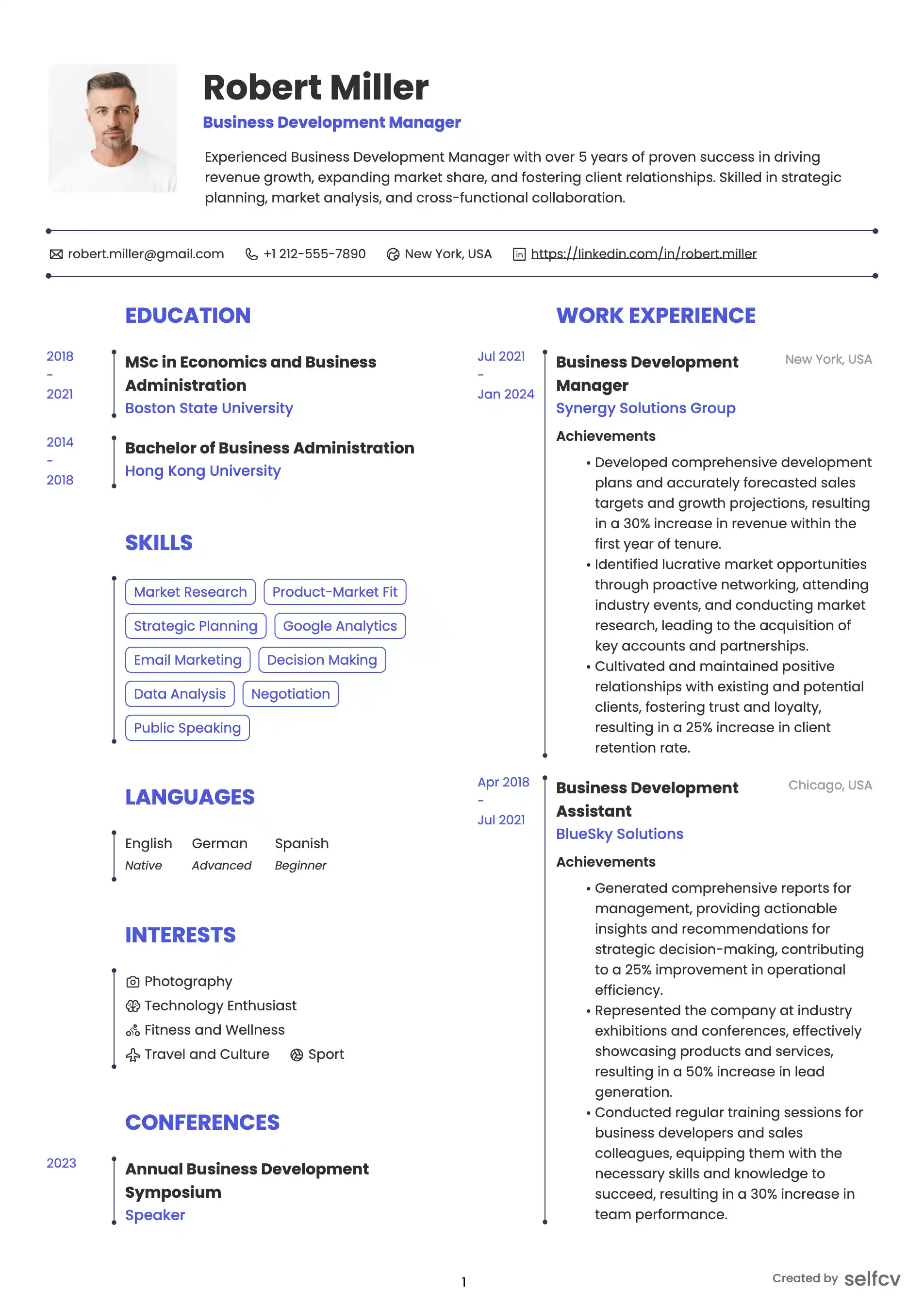
Find the template that’s right for you
No need to build anything from scratch. Using our templates or upload feature, you’ll get started easily and have a powerful resume in a few clicks.
Portfolio project templates for backend resumes
Projects to include in a portfolio that support resume claims.
API project template
- Goal: public-facing REST or gRPC API with authentication, rate limiting, and monitoring.
- Deliverables: OpenAPI spec, containerized service, deployment manifests, load test results, monitoring dashboard screenshots.
- Resume bullet example: "Designed and deployed a rate-limited REST API (Python, FastAPI) handling 2k QPS with 99.95% availability, documented in the repo."
ETL / Data pipeline template
- Goal: batch or streaming pipeline processing events into analytics store.
- Deliverables: DAG or stream topology, backpressure handling, schema design, performance graphs.
- Resume bullet example: "Built a Kafka-based pipeline to process 500k events/hour, reduced end-to-end lag from 12 min to 90 s using compacted topics and consumer parallelism."
Migration template
- Goal: migrate database or monolith to service architecture.
- Deliverables: risk matrix, runbooks, incremental migration plan, rollback strategy, post-migration benchmarks.
- Resume bullet example: "Led a zero-downtime migration of user profiles from monolith DB to Postgres, improving query p99 from 300 ms to 50 ms."
Observability template
- Goal: implement tracing, metrics, and logs for a service.
- Deliverables: dashboards, alerts with clear runbooks, tracing examples for a common request path.
- Resume bullet example: "Introduced distributed tracing and SLO-based alerts, cutting false positives by 70% and decreasing average incident TTR by 35%."
Tools, tech stack and ATS keywords to prioritize
Group tech and tools by purpose to avoid disorganized keyword lists.
Languages and runtimes
- Python, Golang, Java, Node.js
Databases and storage
- PostgreSQL, MySQL, MongoDB, Cassandra, Redis
Messaging and streaming
- Kafka, RabbitMQ, NATS
Cloud and infra
- AWS (Lambda, ECS, EKS), GCP, Azure, Kubernetes, Docker, Terraform
Observability and debugging
- Prometheus, Grafana, Jaeger, Zipkin, ELK, DataDog, Sentry
CI/CD and testing
- GitHub Actions, Jenkins, CircleCI, pytest, junit, contract testing
Security and compliance notes
- If you claim experience with regulated data or compliance, state the scope and advise verification of local rules.
How to layer keywords
- Put high-value items in the skills block and reinforce them in context within bullets.
- Avoid copying full job descriptions; customize to match the role.
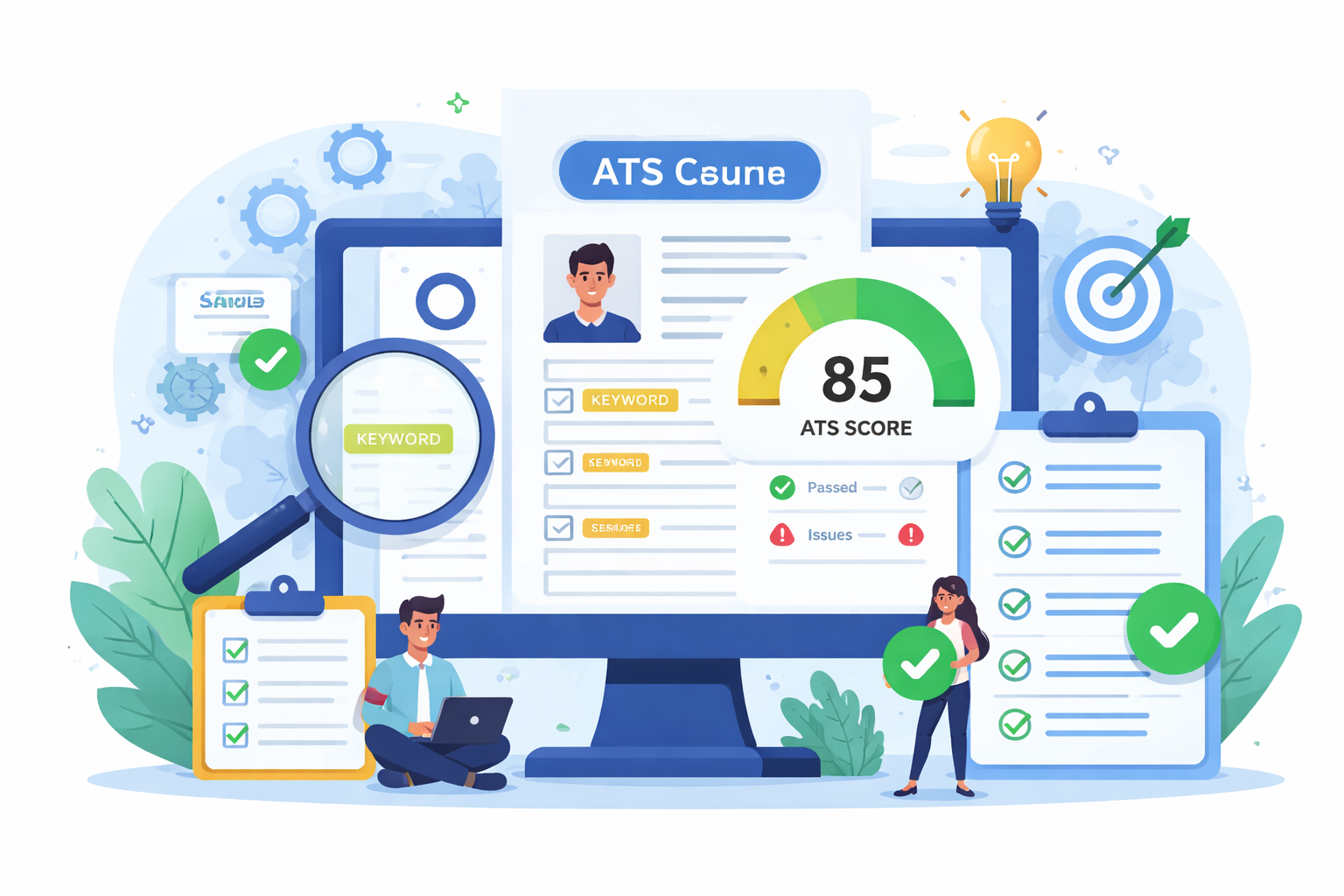
Check Your Resume with ATS
Make sure your resume passes Applicant Tracking Systems before recruiters see it.
- 📄 Upload your resume and get instant ATS feedback
- 🎯 Improve keyword matching for your target job
- ⚡ Boost your chances of getting shortlisted
Achievement examples: weak-to-strong rewrites
Example 1:
Weak:
- Implemented caching for product pages.
Strong:
- Implemented Redis caching for product pages, reducing median page API latency from 380 ms to 95 ms for 150k daily users.
Why it works:
- Adds cache technology, metric, baseline and scale.
Example 2:
Weak:
- Worked on database optimization.
Strong:
- Added composite indexes and tuned slow queries in Postgres, cutting average order query time from 420 ms to 85 ms and lowering DB CPU by 30% during peak hours.
Why it works:
- Specifies technique, database type, measurable outcome and system effect.
Example 3:
Weak:
- Helped migrate service to Kubernetes.
Strong:
- Containerized and orchestrated a legacy service onto Kubernetes, enabling zero-downtime deploys and reducing weekly incident count from 4 to 1.
Why it works:
- Shows end result that matters to ops and reliability.
Resume summaries and objectives by career level
Entry-level / Junior summary
- "Junior backend engineer experienced in building REST APIs and background workers in Python. Reduced key endpoint latency 30% and contributed to CI/CD automation. Seeking a backend engineer role focused on reliability and performance."
Mid-level summary
- "Backend engineer with 3 years building microservices in Golang and Kafka. Improved p95 latency by 40% and automated deployment pipelines to support 10x traffic growth. Looking to lead service ownership and performance tuning work."
Senior / Staff summary
- "Senior backend engineer with 7 years of experience designing distributed systems, setting SLOs, and leading cross-team migrations to event-driven architecture. Reduced MTTR 50% and established platform observability standards."
Career changer objective (frontend to backend)
- "Frontend engineer transitioning to backend development with hands-on projects in Node.js, Docker, and PostgreSQL. Built an API-backed shopping cart service and wrote integration tests to improve reliability. Seeking a junior backend role to expand production experience."
Resume length, formatting and presentation tips
Length guidance
- Entry-level and mid-level: 1 page is preferred if you can present relevant impact concisely.
- Senior and staff: 2 pages acceptable when listing leadership, architecture decisions, and cross-team results.
Formatting tips
- Use clear section headings and consistent date formats.
- Keep bullets short and start with an action verb.
- Use numbers and baselines to quantify outcomes.
- Avoid personal pronouns.
ATS-friendly notes
- Avoid headers/footers for critical info like contact details.
- Use plain fonts and standard bullets.
- Save both PDF and DOCX when applying, but follow job posting instructions.
Common red flags and resume mistakes for backend candidates
Watch out for these issues that reduce interview invites.
- Vague bullets like "worked on backend" without context or metrics.
- Long laundry lists of tools with no achievements.
- Claims of "microservices experience" without describing your role in design, testing, or deployment.
- No production evidence: missing portfolio links, monitoring screenshots, or public repos.
- Overstated security or compliance expertise without documented scope. Verify local rules before claiming compliance work.
Interview talking points and hiring checklist for managers
Talking points for interviews
- Be ready to explain one significant design trade-off you made and what you observed in production.
- Prepare an incident postmortem you contributed to and explain your role in remediation and prevention.
- Bring a small architecture diagram to discuss service boundaries, data flow, and failure modes.
Quick hiring checklist for managers
- Candidate shows production ownership and concrete outcomes.
- Demonstrates familiarity with monitoring and incident handling.
- Can explain performance trade-offs and optimization steps.
- Matches core tech stack or shows transferable patterns and learning examples.
One-page quick checklist for job seekers
- Top-line metric in summary.
- Skills block with prioritized keywords.
- 3-6 achievement bullets per recent role with metrics.
- Portfolio links with runnable examples or screenshots.
- Clean formatting and ATS-safe file type.
FAQs specific to backend engineer resumes
What should be on a backend engineer resume in 2026?
- Role title, concise summary with a top-line metric, skills block, 3-6 achievement bullets per role with system context and metrics, and portfolio links showing deployed projects or observability artifacts.
How do I show backend system impact on my resume?
- Use metrics tied to user impact or system health: latency, throughput, cost saved, incident reductions, time saved for engineers, and scale numbers.
Which backend engineer skills are keywords for ATS?
- Include languages (Python, Golang, Java), cloud and orchestration (AWS, Kubernetes), databases (Postgres, Redis), streaming (Kafka), and observability (Prometheus, Grafana) in a skills block and in-context bullets.
Sample backend engineer resume bullets with metrics?
- "Refactored checkout service into a stateless microservice, reducing p99 latency from 2.4s to 320 ms and enabling independent deploys for the payments team."
How to write a resume when transitioning from frontend to backend?
- Highlight backend projects, list relevant tools and tests, show one deployable API or data pipeline in a portfolio, and use an objective that states practical backend goals.
What projects should I include on a backend engineer portfolio?
- Public or demo APIs, streaming pipelines, database migrations with benchmarks, observability dashboards and tracing examples, and CI/CD pipeline definitions.
Related careers
Roles adjacent to backend engineering that share skills and pathways.
- Site Reliability Engineer (SRE)
- DevOps Engineer
- Data Engineer
- Full-Stack Engineer
- Cloud Infrastructure Engineer
- API Engineer
Conclusion, practical checklist and next steps
Practical wrap-up and next action items
- Checklist to finish a resume update:
- Add a one-line production impact metric to your summary.
- Build a concise skills block with prioritized keywords.
- Convert responsibilities into achievement bullets with baselines and results.
- Add portfolio links with at least one runnable API or monitoring dashboard.
Next actions for your resume and portfolio
- Deploy a small API with health checks and tracing and take screenshots for your portfolio.
- Run a load test and record baseline and improved results to use as metrics.
- Prepare a short incident postmortem example to discuss in interviews.
Download options
- Create a one-page entry resume focusing on recent system impact, and a two-page senior resume that adds architecture and leadership outcomes.
Final note
- Focus on measurable system outcomes and clear scope of ownership. That combination gets you past ATS filters and gives interviewers concrete topics to probe.
Why job seekers choose selfcv
Thousands of professionals use selfcv to build modern, ATS-friendly resumes, customize templates, and apply for jobs with confidence.
Thanks to SelfCV, I now have a professional and polished resume that I'm confident in sending to potential employers. I will definitely be recommending your service to other job seekers. Keep up the great work!
SelfCV offers an intuitive interface that makes creating a professional CV straightforward. Whether you're a student, a fresh graduate, or an experienced professional, the step-by-step process ensures that users of all levels can craft an impressive CV.
Easy to use resume builder. They have very intuitive ui for customizing and keeping multiple versions of resume.
The right tool for creating CVs. As a student I was looking for a tool that could help me quickly create a CV for internship applications. This was just the right tool. I am very satisfied!
This is one of the best tools I’ve ever used - I was able to build my CV in seconds with high quality template. Highly recommended!
Amazing app with easy user experience. Loved it. Its intuitive and easy to navigate, designs are very nice.
