
Big Data Engineer Resume Guide 2026 - ATS-Friendly Templates, Project Impact & Skills That Pass Recruiters
Big Data Engineer Resume Guide 2026 - ATS-Friendly Templates, Project Impact & Skills That Pass Recruiters
Written by Armen Mkhitaryan
A short, high-value sample bullet to copy now:
- Built a Spark streaming pipeline ingesting 200k events/sec, reduced end-to-end latency from 12s to 800ms and cut cloud storage costs by 24% through partitioning and Parquet compression
Why this works:
- Shows scale (events/sec)
- Shows latency improvement (time metric)
- Shows cost savings (percent)
- Names technologies (Spark, Parquet)
Quick persona hook and common resume gaps
Two reader snapshots:
- Entry-level: recent CS grad with internship experience on ETL jobs, needs project bullets that show data scale and ownership rather than generic SQL tasks
- Senior-level: platform engineer owning Kafka and Spark clusters, needs architecture and reliability metrics to demonstrate system design impact
Common gaps to fix quickly:
- Missing scale metrics (GB/day, events/sec)
- Tech stack listed without context of ownership or deployment
- No measurable outcomes (latency, cost, uptime)
What to include on a Big Data Engineer resume in 2026
Priority sections and what to put in each:
- Professional summary or objective - one short line that highlights specialization and impact metric
- Key achievements or selected projects - 2-4 bullets with metrics up front
- Professional experience - role-focused bullets with technology, scale, and outcome for each job
- Technical skills - grouped by category (streaming, batch, cloud, infra, languages)
- Portfolio links - architecture docs, DAGs, Git repos, notebook examples
- Education and certifications - relevant cloud or data certifications if current
- Optional: open-source contributions, conference talks, runbooks
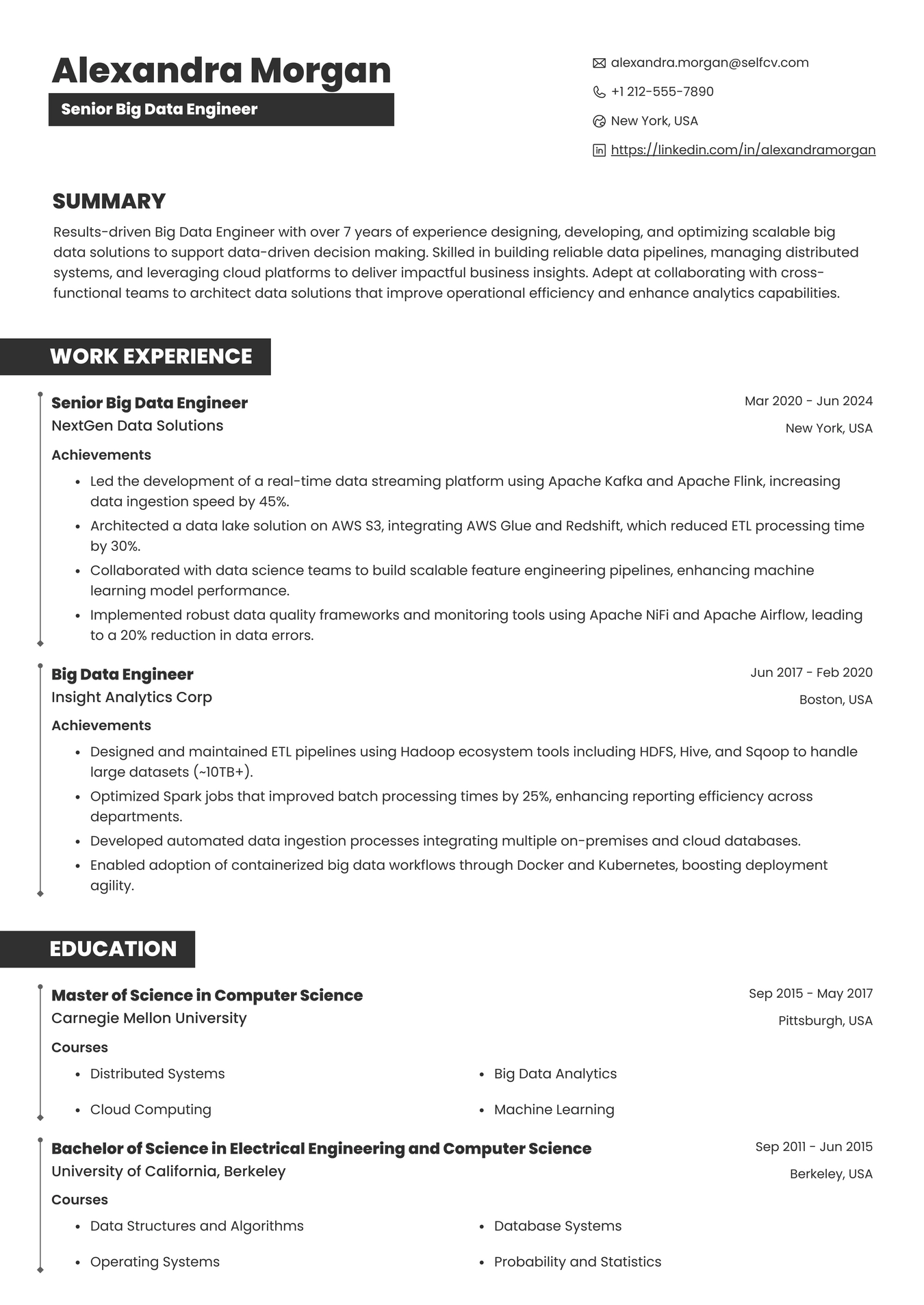
Resume Example for Big Data Engineer
ATS keywords and how to use them
Core keywords to include naturally in bullets and skills (avoid keyword stuffing):
- Apache Spark
- Kafka
- Flink
- Airflow
- Hadoop
- Hive
- Presto or Trino
- DBT
- Snowflake
- BigQuery
- Redshift
- Delta Lake
- Parquet
- S3
- HDFS
- SQL
- Python
- Scala
- Java
- Kubernetes
- Terraform
How to place them:
- Use tech names in context: not just a list, but a bullet that describes what you built with the tool
- Mirror wording from the job post for role-specific terms (example: "stream processing" vs "real-time analytics")
Tools, deliverables, stakeholders and work environment
Common tools and outputs to call out:
- Tools and platforms:
- Apache Spark, Kafka, Flink, Airflow, DBT
- Hadoop ecosystem, S3/HDFS, Delta Lake, Parquet
- Snowflake, BigQuery, Redshift
- Kubernetes, Terraform, Prometheus, Grafana
- Languages: Python, Scala, Java, SQL
- Deliverables to describe:
- Production data pipelines and DAGs
- Stream topologies and partitioning strategy
- Data models and table schemas (star, dimensional, flattened event tables)
- Monitoring dashboards and runbooks
- SLAs and incident postmortems
- Typical stakeholders and environment:
- Data scientists, ML engineers, analytics teams, product managers
- SREs and platform engineers for deployment and observability
- Cross-functional environment with CI/CD and infra-as-code
Metrics and quality standards to highlight
Useful metrics that hiring teams expect:
- Throughput (events/sec, GB/day)
- Latency (ms, seconds, end-to-end time)
- Cost impact (dollars saved, percent reduction)
- Reliability (job success rate, mean time to recovery)
- Query performance (x faster, seconds per query)
How to present metrics:
- Put the metric first in the bullet when possible
- Use baseline and result for before/after clarity
- Include units and timeframe (daily, weekly, per hour)
Achievement examples: weak-to-strong rewrites
Example 1:
Weak:
- Improved Kafka pipeline performance.
Strong:
- Reduced Kafka consumer lag by 92% by rebalancing partitions and adding idempotent producers, enabling 1M events/hour processing for downstream analytics.
Why it works:
- Gives percentage improvement
- Names the technique (rebalancing, idempotence)
- Shows scale (1M events/hour)
Example 2:
Weak:
- Worked on Spark jobs to process logs.
Strong:
- Rewrote Spark batch jobs to use bucketing and predicate pushdown, cutting median job runtime from 28 minutes to 6 minutes and lowering EMR cost by 37%.
Why it works:
- Shows concrete engineering change (bucketing, predicate pushdown)
- Gives before/after runtimes and cost savings
Example 3:
Weak:
- Maintained data pipelines and alerts.
Strong:
- Implemented end-to-end monitoring and automated retries for Airflow DAGs, improving pipeline success rate from 84% to 99% and reducing manual incident hours by 60% per month.
Why it works:
- States the tooling and outcome (Airflow, monitoring)
- Quantifies reliability and operational time saved
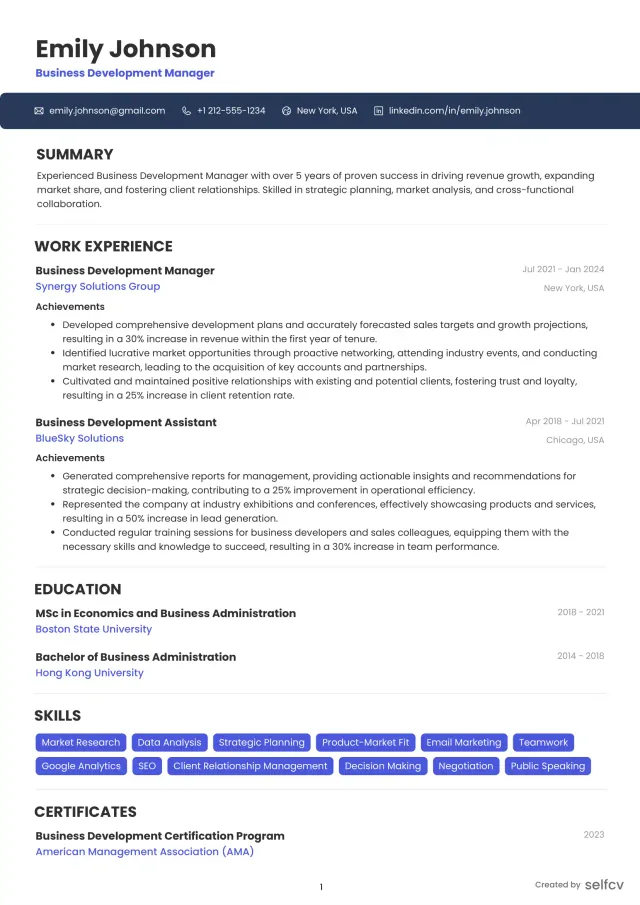
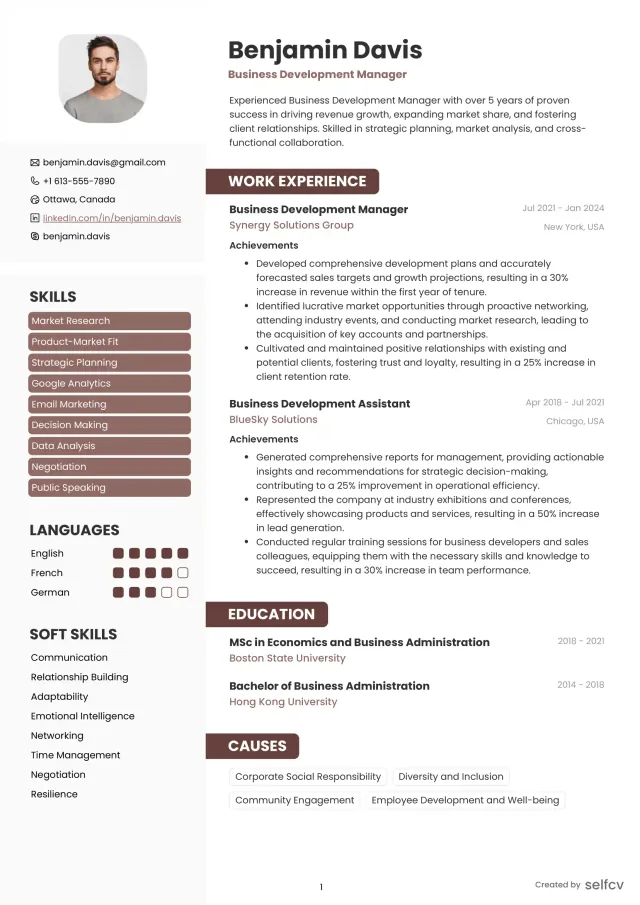
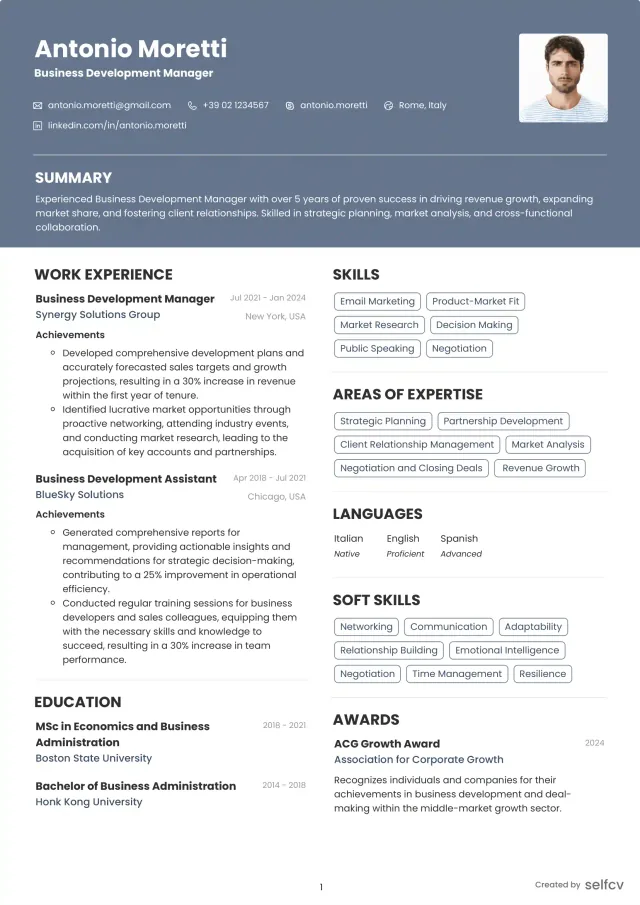
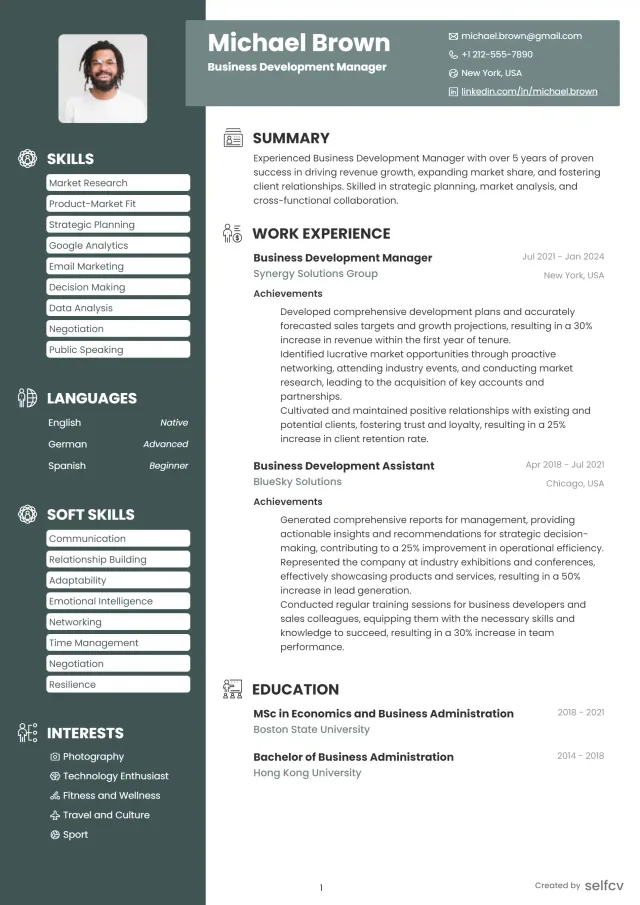
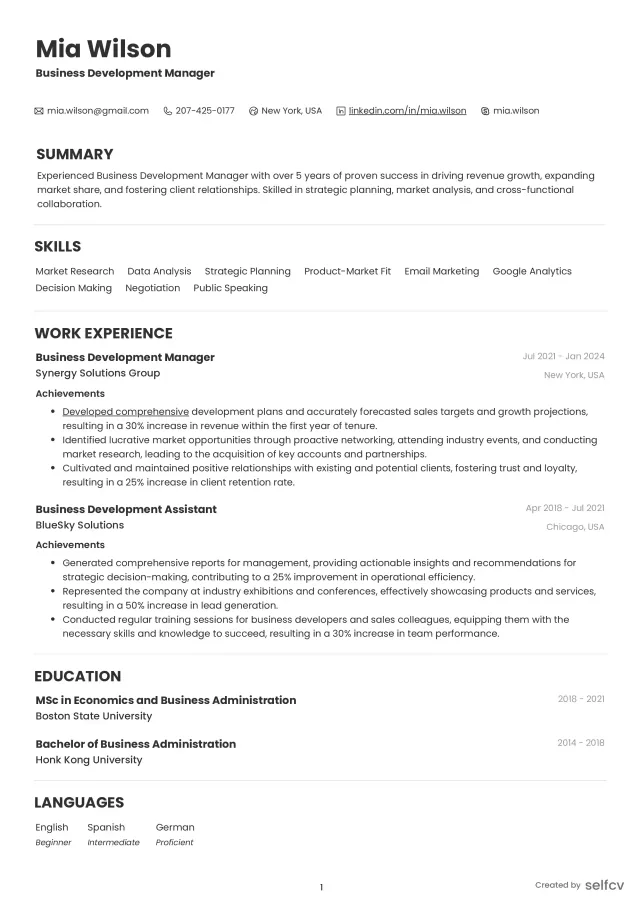
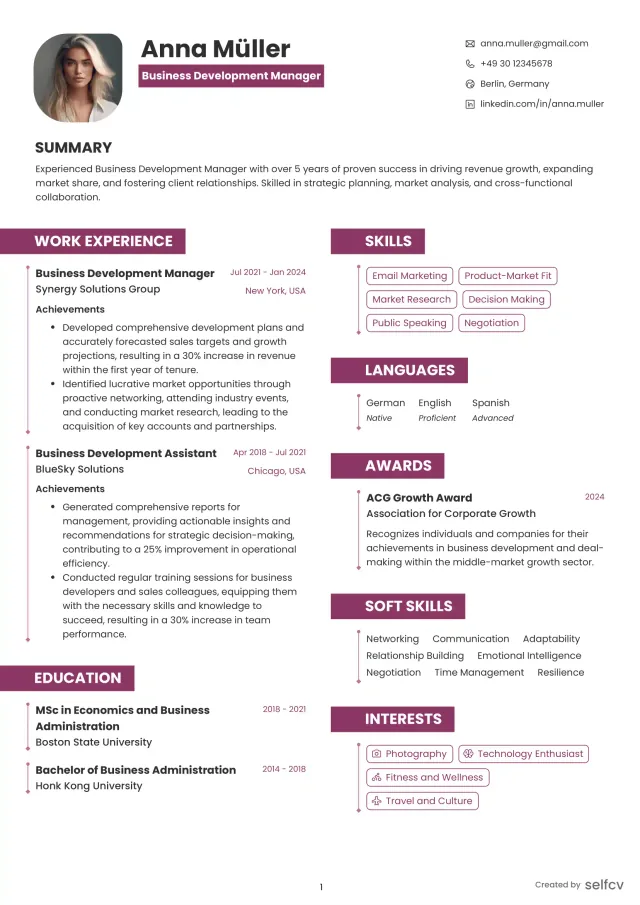
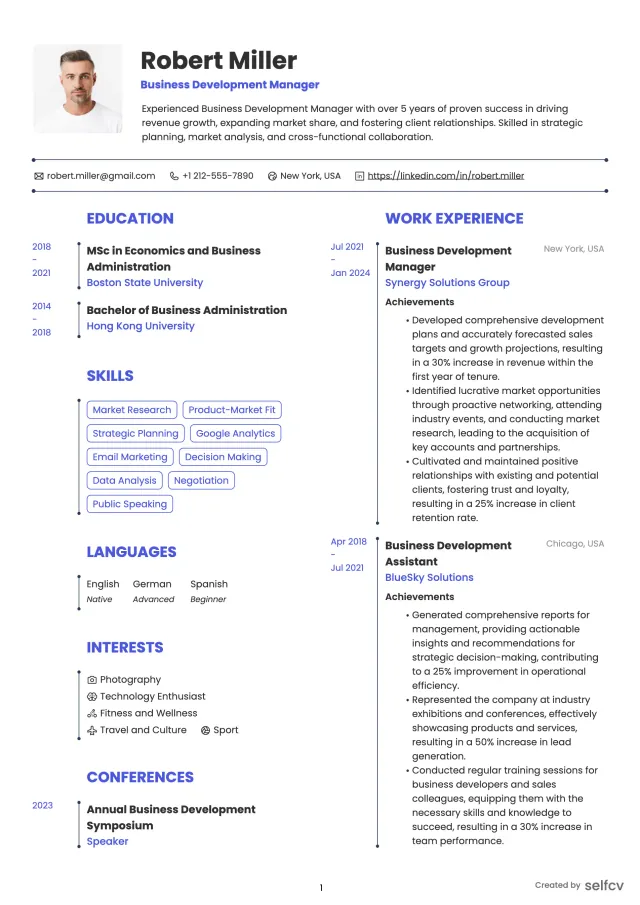
Find the template that’s right for you
No need to build anything from scratch. Using our templates or upload feature, you’ll get started easily and have a powerful resume in a few clicks.
Resume summary and objective examples by career level
Entry-level summary:
- Recent computer science graduate with internship experience building Spark ETL and Kafka consumers, familiar with Airflow and cloud storage, seeking entry Big Data Engineer role to apply streaming fundamentals and grow production experience.
Mid-level summary:
- Data engineer with 3-5 years designing batch and streaming pipelines on Spark and Kafka, reduced data latency by 70% and automated deployments with Terraform and CI/CD, seeking mid-level role on a platform team.
Senior-level summary:
- Senior Big Data Engineer with 7+ years owning Kafka/Spark platforms, led architecture for a multi-tenant data platform processing 5TB/day, improved availability to 99.98% and mentored three engineers.
Career-changer objective (software engineer to Big Data Engineer):
- Senior backend engineer transitioning to data engineering after leading a migration of event ingestion from REST to Kafka and building Spark ETL prototypes; seeking Big Data Engineer role to apply distributed systems skills and productionize streaming pipelines.
Complete fictional resume example
The candidate, companies, and career history shown are fictional examples created for illustration and any resemblance to a real person or organization is coincidental.
Candidate Name
Target Position
Location
Professional Summary
Grouped Skills
Professional Experience:
Data Platform Engineer, Nimbus Media - Cloud Data Platform Team
- Built and owned a Kafka-based ingestion layer that handled 350k events/sec at peak and supported 120 downstream consumers.
- Designed Spark Structured Streaming jobs to join clickstream and enrichment tables, reducing reporting latency from 20 minutes to 90 seconds.
- Implemented compaction and partitioning strategies on S3/Parquet which cut storage costs by 28% and improved query times for analysts.
Senior Data Engineer, Meridian FinTech - Analytics Platform
- Migrated nightly Hive ETL to Spark on EMR, shortening job runtimes from 6 hours to 40 minutes and enabling same-day risk reports.
- Led blue/green deployment for data pipelines using Kubernetes and Terraform, maintaining zero data loss during migration.
- Introduced SLOs and runbooks; decreased mean time to recovery (MTTR) from 3.5 hours to 30 minutes.
Data Engineer, ClearHealth Start-up - Data Team
- Implemented Airflow DAGs for patient event processing and built monitoring with Prometheus and Grafana.
- Enforced PII masking and column-level encryption in downstream tables to meet compliance requirements.
Education / Training
Certifications:
- Optional realistic certifications: Google Professional Data Engineer, AWS Certified Big Data Specialty, Databricks Certified Professional
Check Your Resume with ATS
Make sure your resume passes Applicant Tracking Systems before recruiters see it.
- 📄 Upload your resume and get instant ATS feedback
- 🎯 Improve keyword matching for your target job
- ⚡ Boost your chances of getting shortlisted

How to list big data projects and portfolios
Project entries that get attention:
- Short title and role (example: Real-time Ad Click Pipeline - Lead Engineer)
- One-sentence context (ingest source, business need)
- Tech stack line (Spark, Kafka, S3, DBT, Presto)
- Measured outcome bullet (throughput, latency, cost, query performance)
Portfolio items to include:
- Architecture diagram or readme for a streaming pipeline
- Airflow DAG screenshots or exported DAG code
- One or two repository links showing partitioning, serialization choices, or CI/CD for data jobs
- Short notes on data governance and PII handling where applicable
System design on a resume - condense architecture ownership
How to write a system-design bullet that fits one line:
- Use the template: Owned/Designed [component] for [use case], which [what it achieved] by [how it achieved it] at [scale].
Examples:
- Designed ingestion and processing layer for fraud detection, enabling sub-second alerts by implementing Kafka Streams and stateful joins for 500k events/sec.
- Owned multi-tenant Spark cluster autoscaling and cost policy, reducing idle spend by 45% while supporting 200 daily ETL jobs.
What to avoid:
- Avoid vague phrases like "designed system" without scale or result
- Avoid long design descriptions that belong in interview discussion rather than the resume
Transitioning from software engineer or data scientist - before and after bullets
Before (software engineer):
- Implemented REST endpoints for event ingestion.
After (big data rewrite):
- Replaced REST ingestion with Kafka producers and partitioned topics, increasing ingestion throughput from 5k events/sec to 150k events/sec and simplifying downstream replayability.
Before (data scientist):
- Cleaned dataset for model training.
After (big data rewrite):
- Built reproducible Spark ETL that materialized feature tables to Delta Lake, reducing model training pipeline time from 10 hours to 2 hours and enabling nightly retraining.
Rewrite tips:
- Focus on productionization, scale, and deployment rather than exploratory analysis
- Name the infra and CI/CD steps you own
What hiring teams evaluate in 2026
Hiring patterns and what signals help you pass screening:
- Evidence of production ownership and measurable improvements
- Clear description of scale and latency targets you operated under
- Demonstrated observability and incident response experience (alerts, MTTR improvements)
- Deployment and infra-as-code experience (Terraform, Kubernetes)
- Data governance and security practices for regulated industries
Signals that raise red flags:
- No numbers on scale or outcome
- Tool names without context of how you used them in production
- No mention of monitoring, testing, or deployment strategy
FAQs - real search questions and concise answers
What should a Big Data Engineer include on a resume in 2026?
- Include tech stack, production ownership, measured outcomes (latency, throughput, cost), compliance responsibilities, and a brief project or two with architecture notes.
How do I list Spark and Kafka on my resume to pass ATS?
- Mention them in both the skills section and within bullets that describe what you built with them, using the exact terms from the job description where appropriate.
Resume examples for streaming vs batch data engineering roles?
- Streaming bullets emphasize events/sec, end-to-end latency, consumer lag and stateful processing.
- Batch bullets emphasize job runtime, data volume (GB/TB), partitioning strategy and cost per run.
How to quantify impact on a big data resume (metrics and examples)?
- Use before/after metrics, give units, include timeframe, and tie to business or operational outcomes (faster reporting, lower costs, higher throughput).
How to transition from software engineer to Big Data Engineer on a resume?
- Reframe backend projects with streaming or data pipeline language, show production deployments, and add a short portfolio item that demonstrates end-to-end data flow.
What skills do hiring managers look for in senior Big Data Engineers?
- System design for data at scale, reliability engineering, mentoring and architecture ownership, cost and performance optimization, cloud-native pipelines, and compliance handling.
Related careers
Nearby professions to consider or list on LinkedIn:
- Data Engineer
- Data Platform Engineer
- Machine Learning Engineer
- DevOps/SRE for Data
- Data Architect
Conclusion - checklist and next action
Short profession-specific closing and practical checklist:
- Action checklist:
- Add or improve 2 metric-driven bullets that show scale and outcome
- Replace generic tool listing with 1-2 one-line bullets describing what you built with the tool
- Add a portfolio item (DAG screenshot, repo, or architecture note) for at least one project
Next action:
- Pick the job posting you want most, mirror its role-specific language in one paragraph of your summary, and update three bullets to include measurable impact.
Final note:
- Recruiters and hiring managers scan for evidence of production ownership, measurable improvements, and the tech used end-to-end. Small edits that add scale, latency, and a deployment detail will improve your resume's signal quickly.
Why job seekers choose selfcv
Thousands of professionals use selfcv to build modern, ATS-friendly resumes, customize templates, and apply for jobs with confidence.
Thanks to SelfCV, I now have a professional and polished resume that I'm confident in sending to potential employers. I will definitely be recommending your service to other job seekers. Keep up the great work!
SelfCV offers an intuitive interface that makes creating a professional CV straightforward. Whether you're a student, a fresh graduate, or an experienced professional, the step-by-step process ensures that users of all levels can craft an impressive CV.
Easy to use resume builder. They have very intuitive ui for customizing and keeping multiple versions of resume.
The right tool for creating CVs. As a student I was looking for a tool that could help me quickly create a CV for internship applications. This was just the right tool. I am very satisfied!
This is one of the best tools I’ve ever used - I was able to build my CV in seconds with high quality template. Highly recommended!
Amazing app with easy user experience. Loved it. Its intuitive and easy to navigate, designs are very nice.
