
Biomedical Engineer Resume Guide 2026 - ATS-Proof Examples & Achievement Bullets
Biomedical Engineer Resume Guide 2026 - ATS-Proof Examples & Achievement Bullets
Written by Armen Mkhitaryan
Why hiring teams skim your resume and what this guide delivers
Hiring managers often scan biomedical engineering resumes for product outcomes, test ownership, and evidence that candidates understand regulated development. Common failings are technical depth with no measurable impact and academic language that doesn't map to design control outputs. This guide gives ready-to-use achievement bullets, an ATS keyword map, IP-safe portfolio templates, and level-specific headline and summary lines you can paste into your resume.
Quick headline and summary templates by career level
Entry level - Headline
- "Entry-level Biomedical Engineer with benchtop prototyping and MATLAB data analysis; undergraduate thesis on microfluidic assay development"
Mid level - Headline
- "Biomedical Engineer (V&V) with 3-6 years in verification planning, test automation, and DHF contributions"
Senior level - Headline
- "Senior Biomedical Engineer | Product lead for Class II device launches, cross-functional design reviews, and supplier validation"
Career changer - Headline
- "Clinical-to-Device Biomedical Engineer transitioning from hospital equipment support to medical device validation"
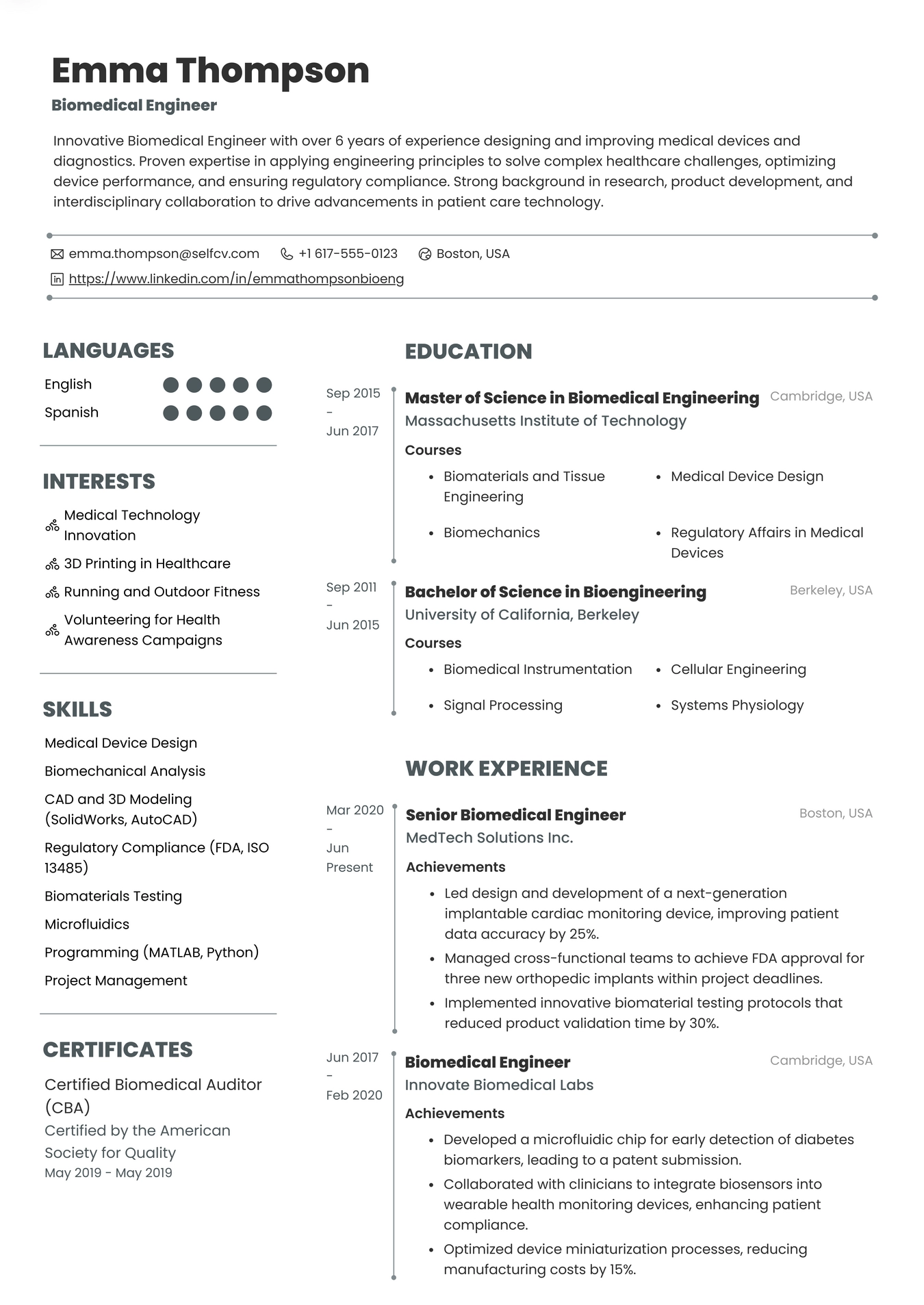
Resume Example for Biomedical Engineer
Core ATS keywords to use near the top of your resume
Use these 8 high-value keywords where they are true and supported by examples
- verification
- validation
- design control
- ISO 13485
- risk management (DFMEA)
- 510(k) support
- test protocol / test report
- requirements traceability matrix (RTM)
Notes
- Place 3-6 of these in your summary and skills line to help ATS and fast skims.
- Avoid keyword stuffing; each keyword should link to a concrete deliverable in experience bullets.
Tools, software, and lab equipment hiring teams expect to see
Software and CAD
- SolidWorks, Creo, MATLAB / Simulink, Python, LabVIEW
Hardware and bench instruments
- oscilloscopes, data acquisition (DAQ), environmental chambers, tensile tester, coordinate measuring machine (CMM), function generators
Test and documentation systems
- Jira or polarion for requirements tracking, TestRail for test cases, electronic lab notebooks, MS Word/Excel for protocols and test reports
How to list
- Group by software, instrumentation, and test systems to keep ATS parsers accurate.
- Example: SolidWorks, MATLAB, LabVIEW, Fluke oscilloscope, Instron tensile tester, environmental chamber, TestRail.
Deliverables, stakeholders, and standards to highlight
Deliverables to name
- verification test plans, validation protocols, test reports, requirement traceability matrices, DHF entries, manufacturing handover packages
Stakeholders to show cross-collaboration with
- QA, RA, manufacturing, clinical teams, product management, suppliers
Metrics and quality standards to quantify
- reduced test cycle time, percent reduction in failure rate, number of protocols authored, time-to-market improvement
Regulatory and compliance markers
- ISO 13485 familiarity, 21 CFR Part 820 awareness, IQ/OQ/PQ, DFMEA participation, 510(k) submission support
Why this matters
- Hiring teams want evidence you can operate in regulated product workflows and produce the documents reviewers read during audits.
Sample bullets and mini case studies by experience and specialization
Entry - Device prototype (2-0 years)
- Designed and built a benchtop microfluidic prototype using SolidWorks and 3D printing, iterating 4 versions to meet fluidics requirements
- Authored 5 verification test cases mapping requirements to bench tests, reducing manual test setup time by 30%
Mini case study - Undergraduate capstone
- Led a 3-person team to prototype a point-of-care assay; responsible for requirements, CAD, and bench verification. Delivered a DHF-style project binder for hiring managers to review.
Why it works
- Connects hands-on prototyping to traceable verification work; shows both build and documentation skills.
Suggested ATS keywords
- prototype development, verification, SolidWorks, requirement traceability
Mid - V&V / Test lead (2-7 years)
- Authored and executed 12 verification protocols for a Class II electrophysiology device, producing test reports accepted in design reviews
- Automated sensor calibration tests with LabVIEW, cutting test time by 45% and improving repeatability from 3% to 0.8%
- Led supplier incoming inspection for PCB assemblies, implementing an acceptance test that reduced first-pass rejection from 18% to 6%
Mini case study - V&V ownership
- Took ownership of verification deliverables for a subsystem, coordinated QA reviews, and consolidated findings into a single test summary for regulatory review.
Why it works
- Emphasizes ownership, automation, measurable improvements, and supplier control.
Suggested ATS keywords
- verification protocols, LabVIEW, test automation, supplier validation
Senior - Product launch and leadership (7+ years)
- Served as primary engineering lead for a 510(k)-cleared infusion pump launch; coordinated DHF updates, design reviews, and clinical usability testing
- Implemented DFMEA for a subassembly that reduced product returns by 38% year over year
- Mentored 5 engineers on design control workflows and established a template RTM that saved 20 hours per design review cycle
Mini case study - Launch impact
- Led cross-functional launch team, synchronized manufacturing and RA to resolve supplier CAPAs, and supported 510(k) submission materials.
Why it works
- Shows end-to-end product readiness, risk mitigation, and team leadership.
Suggested ATS keywords
- 510(k), DHF, DFMEA, design reviews, manufacturing handover
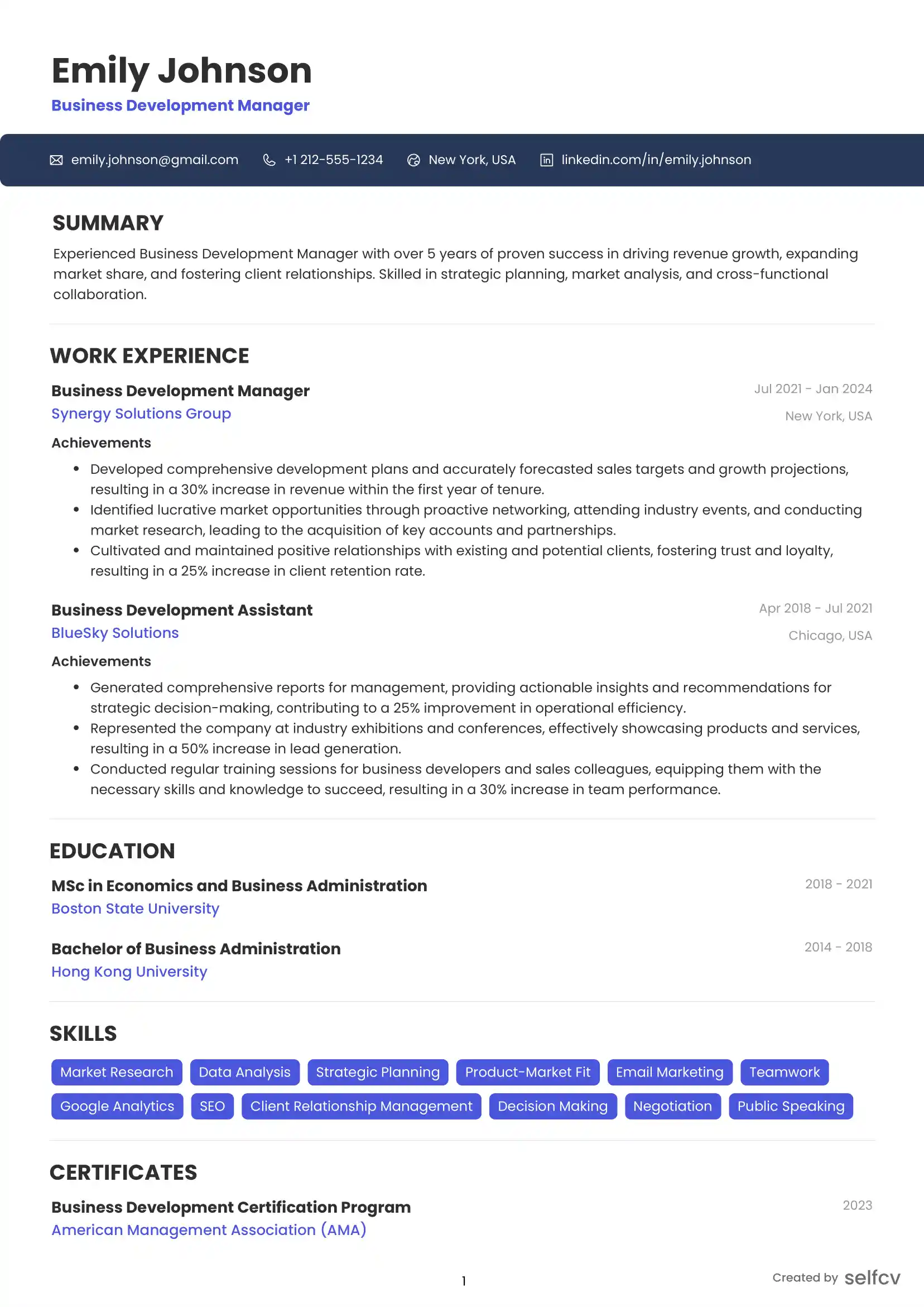
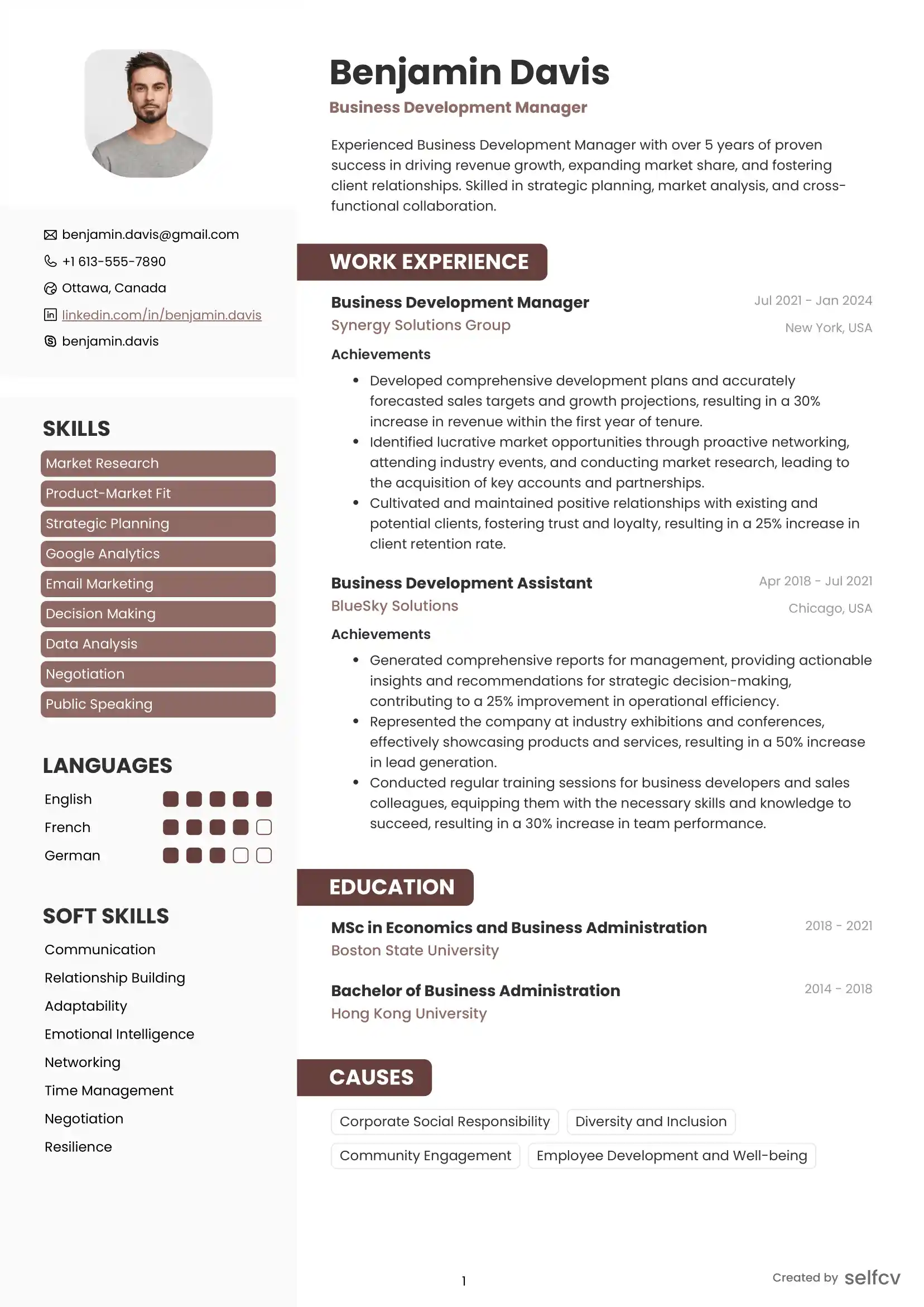
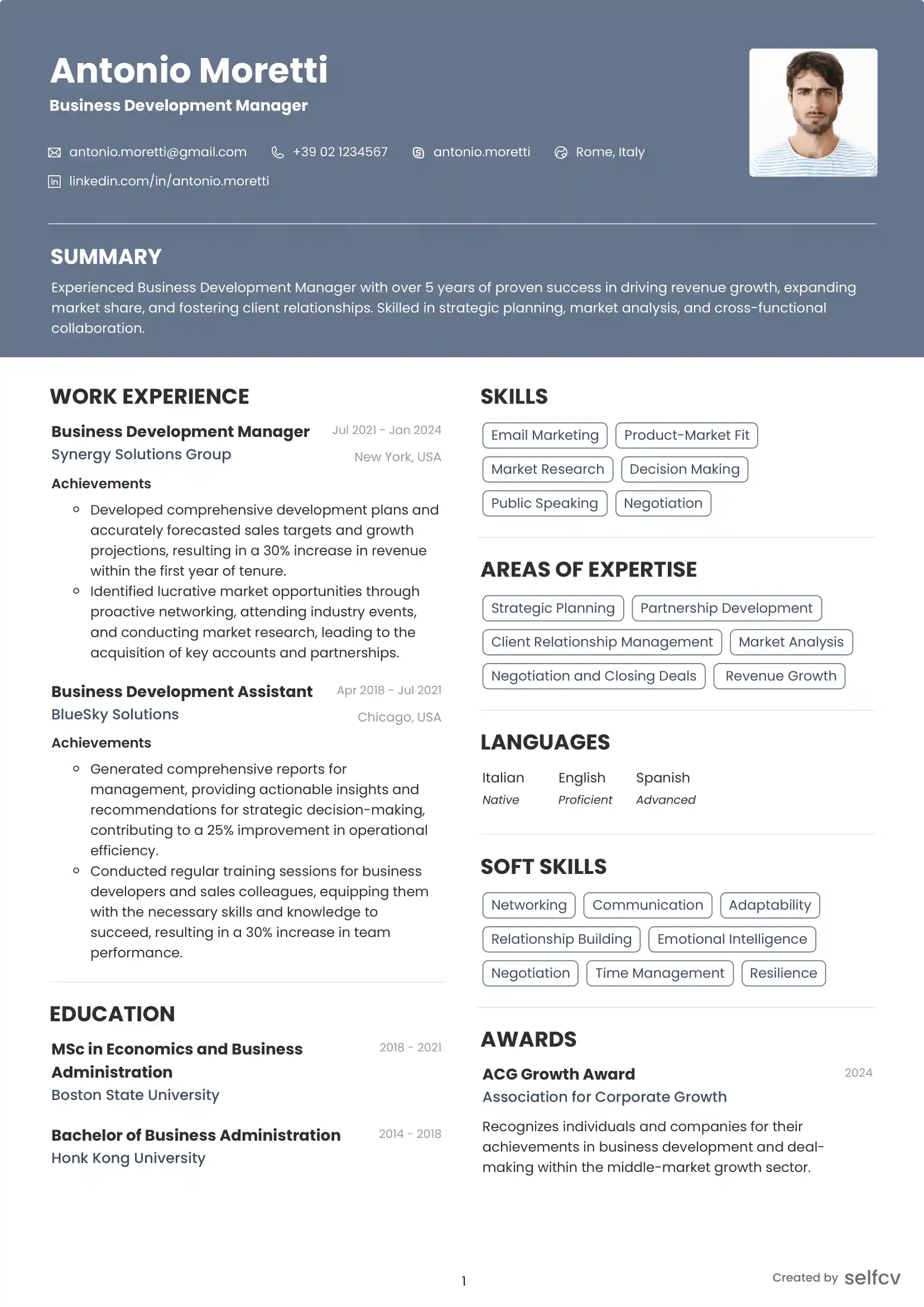
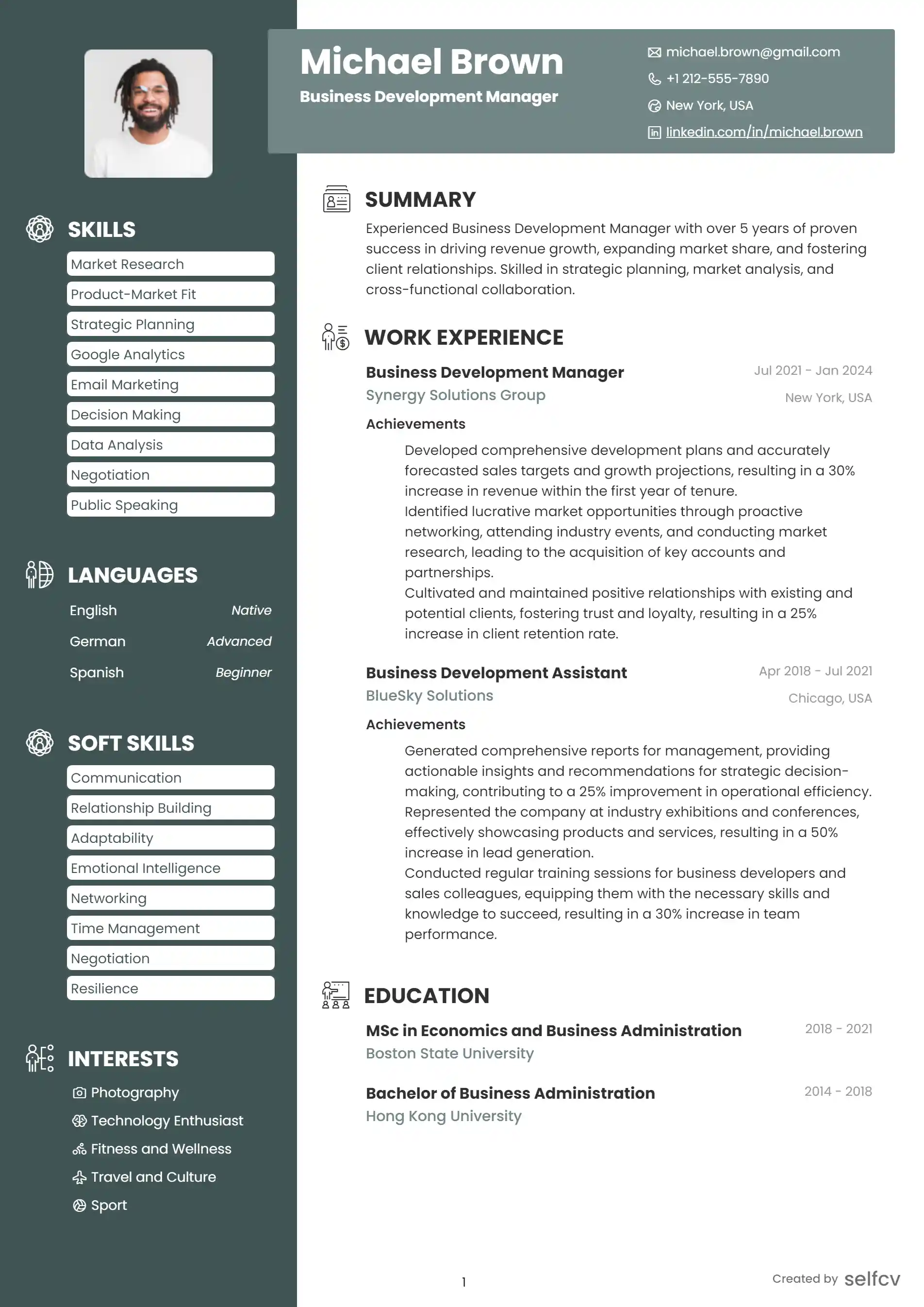
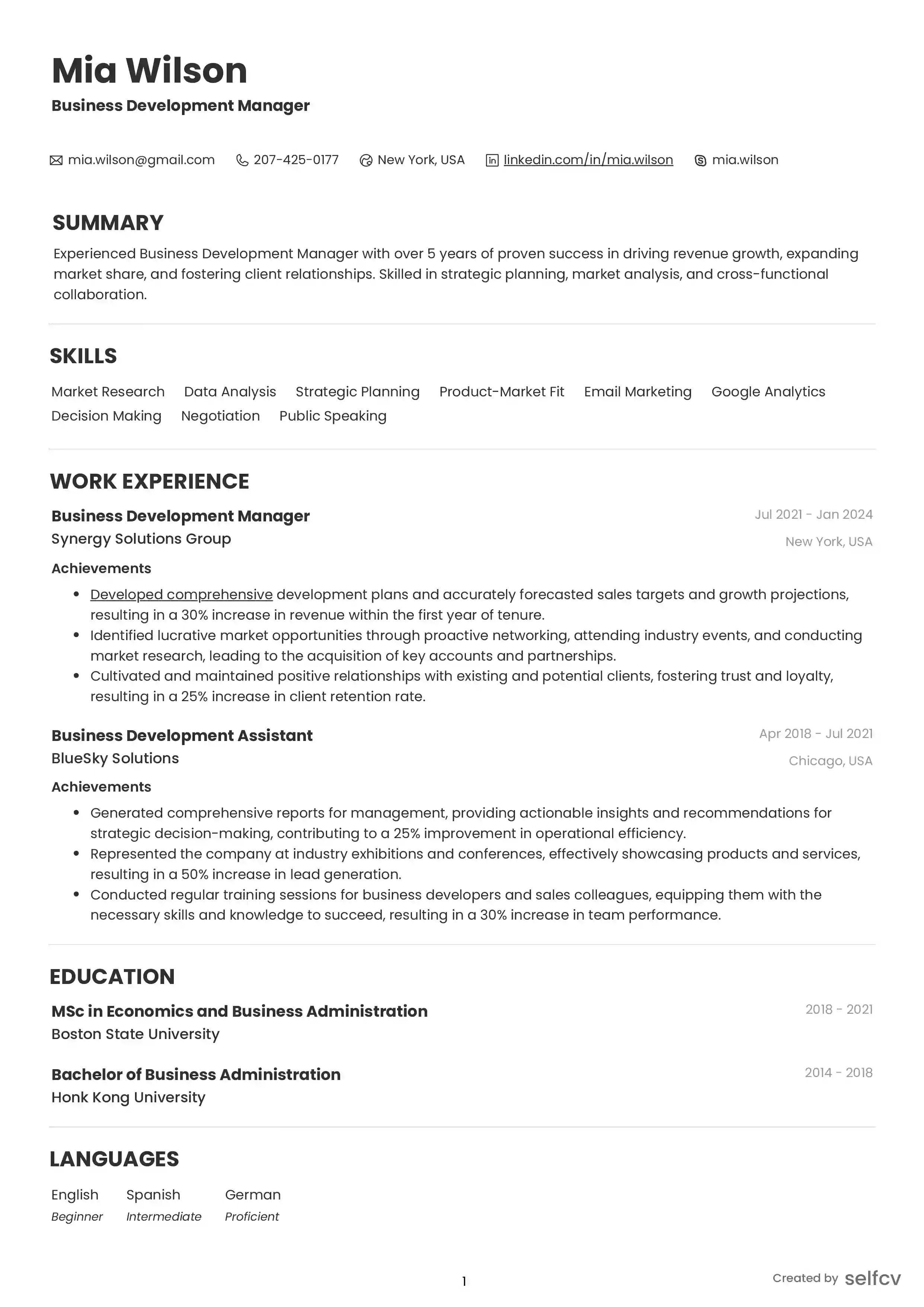
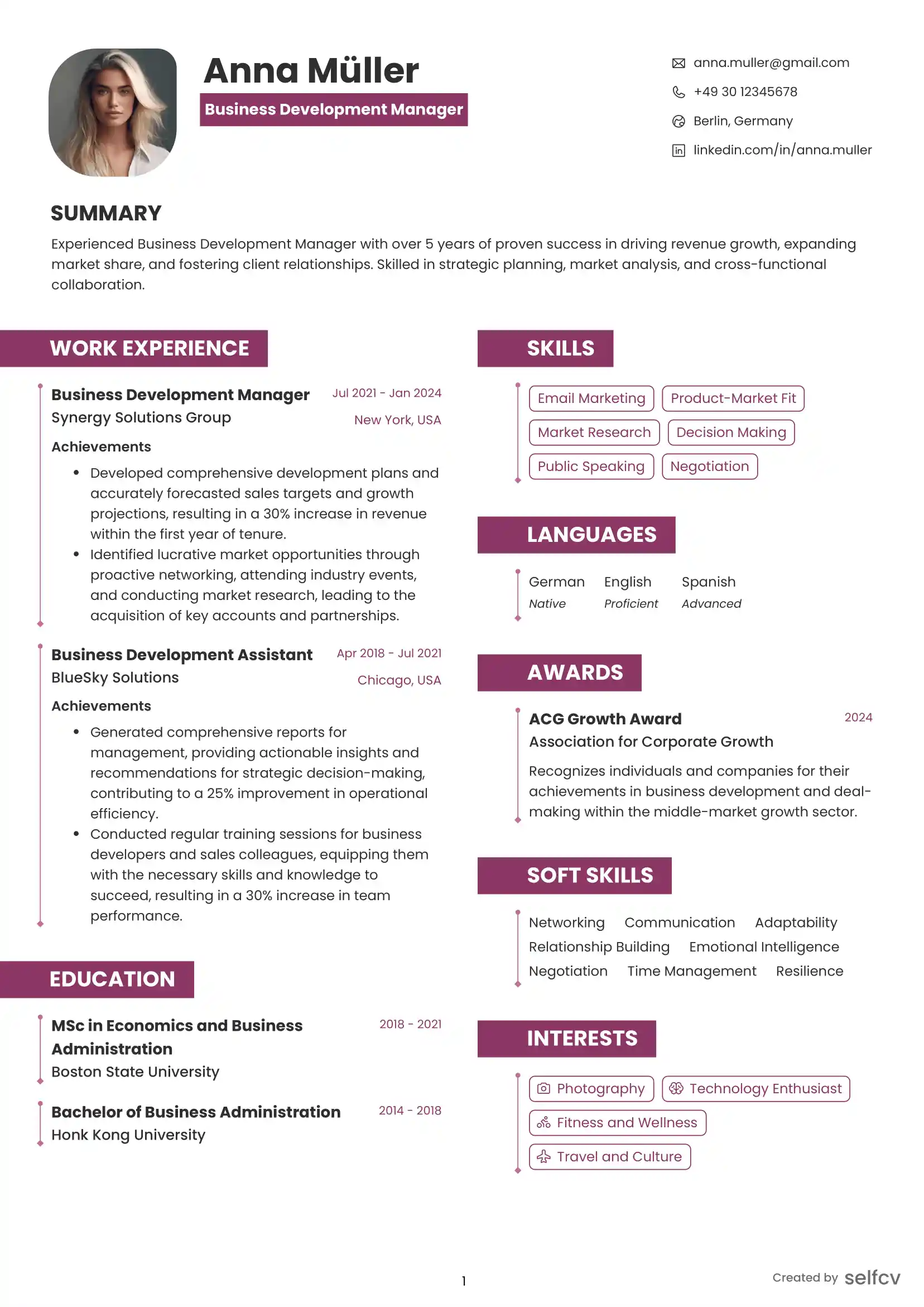
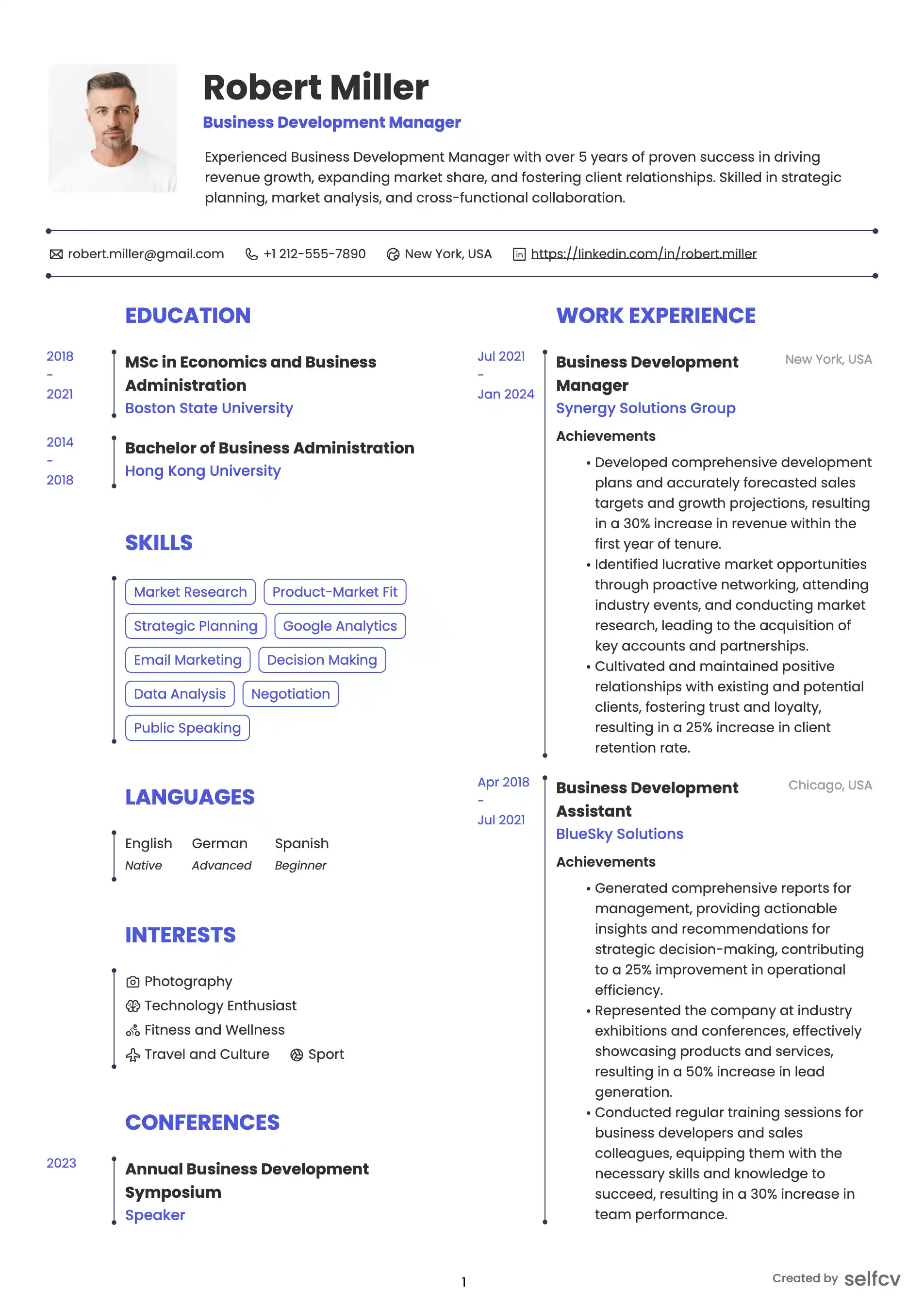
Find the template that’s right for you
No need to build anything from scratch. Using our templates or upload feature, you’ll get started easily and have a powerful resume in a few clicks.
Turn an academic methods paragraph into industry bullets
Academic methods paragraph (example)
- "Developed microfabrication protocol using photolithography and soft lithography. Performed fluid dynamics simulations in COMSOL and analyzed particle transport data with MATLAB. Presented results at two conferences."
Converted industry-ready bullets
- Translated photolithography and soft lithography steps into a manufacturable prototype process, documenting each step in a process flow for DHF use
- Performed COMSOL fluid dynamics simulations to validate design requirements, reducing target particle retention by 22% before benchtop testing
- Prepared technical poster and two conference abstracts highlighting verification data and protocol reproducibility
Why these work
- Each line maps a research method to a product-facing deliverable: process documentation, simulation tied to requirements, and reproducible verification results.
Complete resume example
The candidate, companies, and career history shown are fictional examples created for illustration and any resemblance to a real person or organization is coincidental.
Claire Alvarez
Target Position
- Biomedical Engineer, Verification & Validation
Location
- Boston, MA, USA
Professional Summary
- Biomedical Engineer with 4 years of experience in medical device V&V and prototype development. Experienced author of verification protocols, automated test systems with LabVIEW, and DHF contributions. Familiar with ISO 13485 and 21 CFR Part 820 workflows.
Grouped Skills
- Verification and validation, test automation, requirement traceability, DFMEA, DHF updates
- SolidWorks, MATLAB, LabVIEW, TestRail, Fluke oscilloscope, environmental chamber
- Cross-functional collaboration with QA, RA, manufacturing, clinical SMEs
Professional Experience
MedTech Instruments Inc., Boston, MA
Role: Verification Engineer
Dates: 2022-2026
- Authored and executed 10 verification protocols for a Class II diagnostic analyzer, producing test reports used in design reviews
- Implemented a LabVIEW-based automation bench that reduced manual calibration time by 50% and improved repeatability from 2.5% to 0.6%
- Created a requirements traceability matrix linking 120 requirements to 60 verification tests, reducing review cycles by 30%
BioCore Solutions, Cambridge, MA
Role: R&D Engineer
Dates: 2020-2022
- Led prototyping for a microfluidic sample prep module, producing 6 prototype iterations and documenting the process for DHF inclusion
- Performed DFMEA for fluidic manifold, which identified three high-risk failure modes and informed design changes that lowered leakage incidents
- Supported supplier validation for molded components and established incoming inspection criteria
Education / Training
- MS, Biomedical Engineering, Tufts University, 2020
- BS, Mechanical Engineering, UC Santa Barbara, 2018
Certifications
- Certified Biomedical Equipment Technician (CBET)
- ISO 13485 Lead Auditor training (course)
- LabVIEW Developer course (NI)
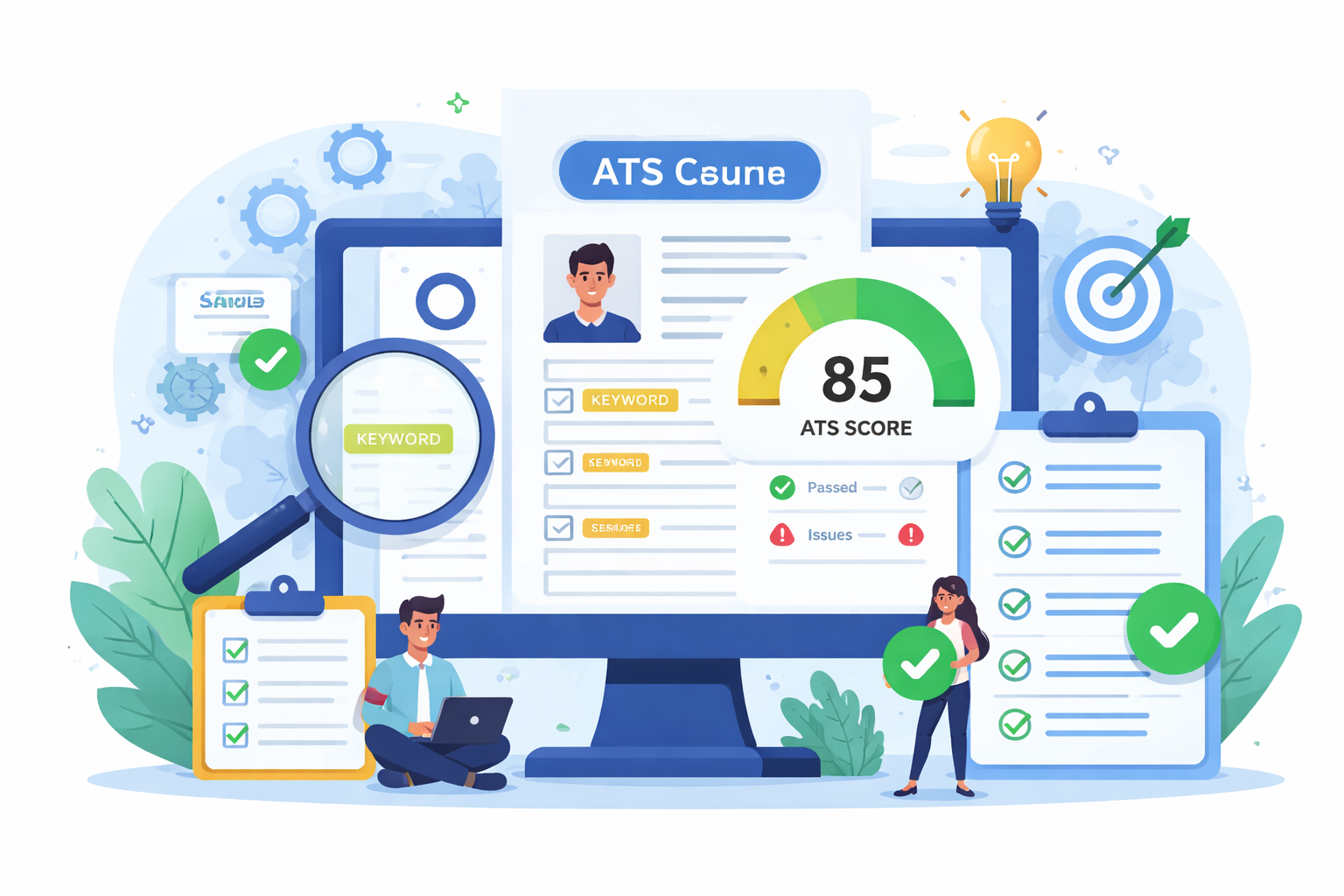
Check Your Resume with ATS
Make sure your resume passes Applicant Tracking Systems before recruiters see it.
- 📄 Upload your resume and get instant ATS feedback
- 🎯 Improve keyword matching for your target job
- ⚡ Boost your chances of getting shortlisted
Weak-to-strong achievement examples (profession-specific)
Example 1:
Weak:
- "Ran device tests and wrote reports."
Strong:
- "Executed 15 environmental qualification tests (temperature, humidity, vibration) on prototype housings and authored test reports that reduced post-test failures by 60%."
Why it works:
- Adds scope, test types, volume, and measurable result tied to product readiness.
Example 2:
Weak:
- "Worked on microfluidic project during grad school."
Strong:
- "Designed and validated a microfluidic channel geometry using COMSOL and benchtop assays, meeting target flow uniformity within 5% and producing a DHF-ready protocol."
Why it works:
- Maps academic work to verification, simulation, and documentation outcomes.
Example 3:
Weak:
- "Helped with supplier inspections."
Strong:
- "Developed incoming inspection criteria and test fixtures for supplier PCBA assemblies, cutting initial rejection rate from 18% to 6% and decreasing rework time by 40%."
Why it works:
- Specifies deliverable, equipment, metrics, and operational impact.
Portfolio, IP-safe case studies, and what to include
Case study 1 - Diagnostics assay verification
- What to include: project summary, requirement-to-test traceability snippet, sanitized test data plots, high-level protocol steps, and a one-page lessons-learned note.
- IP tip: remove reagent identities and vendor-specific concentrations; describe performance metrics instead.
Case study 2 - Benchtop device V&V
- What to include: photo of non-proprietary test rig, description of test automation approach, example test case and acceptance criteria, summary of test outcomes and corrective actions.
- IP tip: blur schematics that reveal unique IP; provide functional block diagrams instead.
Case study 3 - Clinical equipment lifecycle support
- What to include: scope of clinical support, preventive maintenance schedule improvements, reduction in device downtime metrics, anonymized incident logs, and stakeholder coordination notes.
- IP tip: remove patient-identifiable details and hospital-identifiers; focus on process and metrics.
ATS checklist and keyword mapping
Top actions
- Place a concise headline and 2-line summary at the top containing 3-5 core keywords that match the job posting.
- Add a dedicated skills/keywords section listing tools and standards.
- For each experience bullet, include at least one ATS keyword and one measurable outcome.
Keyword-to-section map
- Summary: verification, design control, ISO 13485
- Skills list: SolidWorks, MATLAB, LabVIEW, TestRail
- Experience bullets: verification protocols, DHF, DFMEA, 510(k) support
Formatting tips
- Use plain text bullets, standard section headers (Summary, Experience, Education), and common date formats (2020-2022).
- Avoid images and tables in the resume body that can break ATS parsing.
Common hiring evaluation criteria for medtech roles
What hiring teams typically check in order
- Headline and summary for role fit and keywords
- Top skills list and tools for immediate technical match
- Selected project bullets for ownership of verification or design control deliverables
- Evidence of measurable impact and cross-functional collaboration
Red flags to avoid
- No mention of test protocols, traceability, or DHF contributions for device roles
- Vague academic descriptions with no product-facing outcomes
- No standard tools or instrumentation listed when tests are central to the role
FAQs specific to biomedical engineer resumes
Q: What should I put on a biomedical engineer resume to get interviews?
- A: Prioritize 3 product-facing achievements (V&V, prototype to production, supplier control), list 6-10 tools/standards, and include 3-5 ATS keywords in your summary.
Q: How do I show verification and validation experience on a resume?
- A: Use bullets that name the protocol, number of tests, tools used, and outcomes. Example: "Authored 8 verification protocols and reduced test cycle time by 40% through automation."
Q: What keywords do ATS systems look for in medical device resumes?
- A: verification, validation, design control, DHF, 510(k), ISO 13485, DFMEA, IQ/OQ/PQ. Place them in summary, skills, and experience bullets.
Q: How to convert academic research into biomedical engineering resume bullets?
- A: Translate methods into deliverables: process documentation, simulation validating requirements, reproducible test protocols, and any measurable improvements.
Q: What does a senior biomedical engineer resume look like?
- A: Short summary emphasizing product ownership, 3-5 leadership or launch bullets with metrics, and evidence of mentoring or process improvements tied to DHF and regulatory deliverables.
Q: How to include clinical engineering experience on a device-focused resume?
- A: Emphasize device lifecycle work, preventive maintenance improvements, downtime reduction metrics, and coordination with clinical stakeholders while removing patient details.
Related careers and role overlap
Related professions to link skills and experience
- Mechanical engineer (medical device)
- Validation engineer
- Clinical engineer
- Biomedical researcher
- Regulatory affairs specialist
How skills transfer
- Verification and validation maps directly to validation engineer roles.
- Clinical equipment support maps to clinical engineer positions with emphasis on uptime and maintenance metrics.
Conclusion - practical next steps and checklist
Final notes
- A biomedical engineering resume must show both bench-level technical skill and regulated-product deliverables. Hiring teams want traceability, test ownership, and measurable outcomes.
Quick checklist before you send your resume
- Headline and 2-line summary with 3-5 core keywords
- Top 6 tools and standards listed (SolidWorks, MATLAB, LabVIEW, ISO 13485, DHF, verification)
- Three project bullets that include protocol names, test counts, and measurable results
Next action
- Pick one recent project and turn it into a single one-page case study with de-identified data for your portfolio. Use it during interviews to walk through your V&V thinking.
Why job seekers choose selfcv
Thousands of professionals use selfcv to build modern, ATS-friendly resumes, customize templates, and apply for jobs with confidence.
Thanks to SelfCV, I now have a professional and polished resume that I'm confident in sending to potential employers. I will definitely be recommending your service to other job seekers. Keep up the great work!
SelfCV offers an intuitive interface that makes creating a professional CV straightforward. Whether you're a student, a fresh graduate, or an experienced professional, the step-by-step process ensures that users of all levels can craft an impressive CV.
Easy to use resume builder. They have very intuitive ui for customizing and keeping multiple versions of resume.
The right tool for creating CVs. As a student I was looking for a tool that could help me quickly create a CV for internship applications. This was just the right tool. I am very satisfied!
This is one of the best tools I’ve ever used - I was able to build my CV in seconds with high quality template. Highly recommended!
Amazing app with easy user experience. Loved it. Its intuitive and easy to navigate, designs are very nice.
