
Cloud Architect Resume 2026: Show Multi-Cloud Migrations, IaC, and Cost-Saving Architecture
Cloud Architect Resume 2026: Show Multi-Cloud Migrations, IaC, and Cost-Saving Architecture
Written by Armen Mkhitaryan
Common hiring problem
Hiring managers often filter out strong technical candidates because resumes are vague about scope, lack measurable outcomes, or hide cloud specifics behind broad phrases like "designed cloud solutions." That hides whether a candidate owned runbooks, reduced spend, or met compliance.
5-point ATS and recruiter checklist
- Headline: role, seniority, and cloud focus (example: Senior Cloud Architect - Multi-cloud, IaC, Cost Optimization)
- Summary: 2-3 sentences tying systems designed to business outcomes and scale
- Bullets: action, system, scale, metric (users, $ saved, RPO/RTO, deploy cadence)
- Skills: list platforms, IaC tools, security frameworks, and measurable automation coverage
- Links: diagram, IaC repo, migration runbook or case study
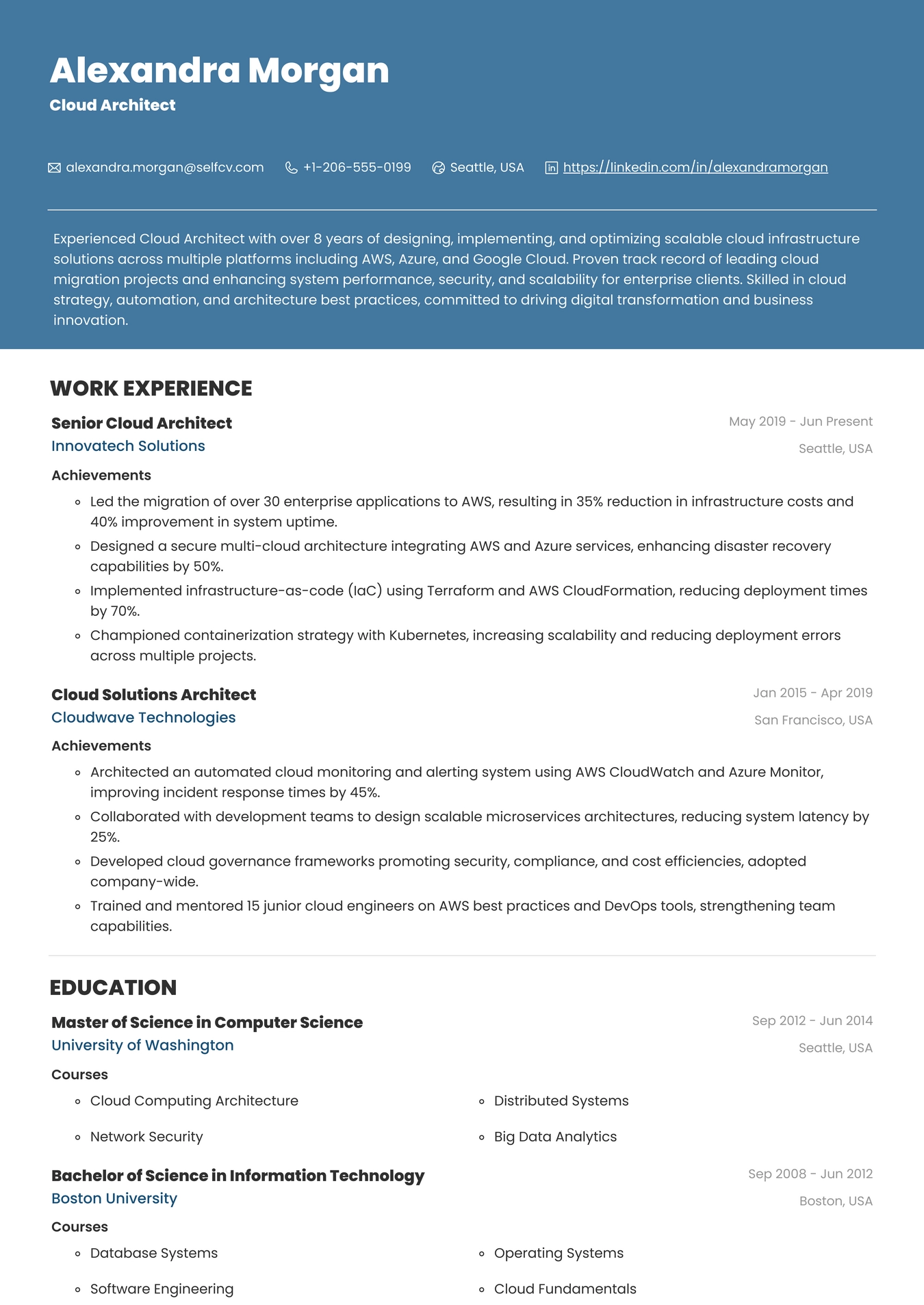
What hiring teams actually want
How teams evaluate Cloud Architect candidates
Hiring patterns favor evidence of production ownership and measurable improvements. Recruiters screen first for specific cloud stacks and IaC tools, then hand resumes with clear impact metrics to hiring managers. For senior roles, reviewers expect cross-team influence, architecture standards, and vendor decisions.
Key evaluation signals
- Clear system boundaries and scale (regions, accounts, services, transactions per second)
- Migrated workloads with cost and performance delta
- Automation coverage (percent of infra managed as code)
- Security and compliance evidence (controls, audits, FedRAMP/HIPAA/GDPR signals)
- Leadership: decisions, governance, and architecture reviews
Resume structure that passes ATS and tells a story
Recommended section order
- Headline and contact line
- Professional summary or objective
- Grouped skills (platforms, IaC, orchestration, security)
- Selected achievements or projects
- Professional experience with 2-5 recent roles
- Education and certifications
- Links to portfolio artifacts
How to format bullets
- Start with an action verb
- State the system or pattern (landing zone, VPC, SDN, service mesh)
- Add scale (accounts, regions, monthly cost, users)
- Add the measurable outcome or SLA
Inline rewrite example
- Original: Led cloud migration to AWS
- Rewritten: Led migration of 120 on-prem VMs to AWS landing zone across 3 regions, reduced monthly infra spend by 28% and cut mean deployment time from 6 hours to 45 minutes via Terraform and CI pipelines
- Why it works: shows scope, tools, metric, and business outcome
Resume Example for Cloud Architect
Annotated resume bullets for different levels
Entry-level example (Associate Cloud Architect)
- Built Terraform modules for VPC, subnets, and IAM roles that reduced onboarding time for new services from 2 weeks to 3 days
- Automated dev environment provisioning via GitOps and Kubernetes namespaces, enabling 4x faster feature testing
Mid-level example (Cloud Architect)
- Designed multi-account AWS landing zone with centralized logging and guardrails, reducing security incidents by 42% and enabling PCI scope reduction for two services
- Led lift-and-shift then refactor migration for a 50-service monolith to microservices on EKS, improving request throughput by 3x
Senior/principal example (Principal Cloud Architect)
- Defined multi-cloud DR strategy with cross-region replication and automated failover, achieving RTO 15 minutes and RPO 5 minutes for critical payments platform
- Negotiated vendor contracts and defined platform roadmap, cutting licensing and cloud vendor costs by 18% while standardizing observability across teams
Complete fictional resume example
The candidate, companies, and career history shown are fictional examples created for illustration and any resemblance to a real person or organization is coincidental.
Maya Alvarez
Target Position
Senior Cloud Architect
Location
London, UK
Professional Summary
Cloud architect with 8 years of cloud and infrastructure experience, specializing in multi-cloud architecture, IaC with Terraform, and cloud cost optimization. Led enterprise migrations and platform design for SaaS and fintech customers, delivering 25-40% cost reductions and improving platform availability to 99.99%.
Grouped Skills
- Cloud platforms: AWS (specialty), Azure, GCP
- IaC and automation: Terraform, Terragrunt, CloudFormation, Pulumi, GitOps
- Orchestration and runtime: Kubernetes, EKS, GKE, AKS, Helm
- Observability: Prometheus, Grafana, Datadog, OpenTelemetry
- Security/compliance: IAM, KMS, CIS benchmarks, PCI, GDPR
- Networking: VPC, Transit Gateway, peering, BGP, VPN
- Languages and CI: Python, Go, Bash, GitLab CI, Jenkins
Professional Experience
Senior Cloud Architect, FinOps Platform Co.
2022-2026
- Architected multi-account AWS landing zone using Terraform and AWS Control Tower, onboarding 30+ workloads and enforcing guardrails that reduced security findings by 46%
- Led migration of payment processing service to multi-AZ architecture with automated failover, improving availability from 99.95% to 99.995% and lowering incident MTTR by 67%
- Implemented cost observability and rightsizing program that saved 32% of monthly cloud spend across production and staging accounts
Cloud Architect, SaaS Analytics Inc.
2018-2022
- Replatformed data processing pipeline from on-prem Hadoop to GCP Dataflow and BigQuery, cutting ETL runtime from 8 hours to 45 minutes and storage costs by 22%
- Delivered IaC standards and Terraform modules used by 12 teams, increasing deployment consistency and reducing environment drift
Cloud Engineer, Tech Integration Ltd.
2016-2018
- Automated deployment pipelines for microservices using Jenkins and Kubernetes, enabling 2x release frequency and standardized rollbacks
Education / Training
- BSc Computer Science, University of Manchester
Certifications
- AWS Certified Solutions Architect - Professional
- HashiCorp Certified: Terraform Associate
- Certified Kubernetes Application Developer (CKAD)
Three cloud-architect project case studies
Project 1 - AWS landing zone and chargeback
- Deliverables: multi-account landing zone, organizational SCPs, centralized logging, cost allocation tags, FinOps reports
- Metrics: onboarded 35 accounts in 6 months, reduced orphaned resources by 78%, enabled chargeback model that recovered 15% of annual cloud spend
- Artifacts to link: architecture diagram, Terraform module repo, cost runbook
Project 2 - Multi-region failover for payments
- Deliverables: active-passive cross-region replication, traffic failover automation, pre-warm strategy, runbooks and DR playbooks
- Metrics: RTO 15 minutes, RPO 5 minutes, zero data loss during 2 scheduled failover drills
- Artifacts to link: runbook, test logs, latency and error-rate graphs
Project 3 - IaC-driven migration and deployment cadence
- Deliverables: reusable Terraform modules, CI/CD pipelines, blue-green deployments, policy-as-code with OPA
- Metrics: reduced deployment time from 4 hours to 7 minutes, increased automated deployments from 2/week to 50/day, 95% of infra under IaC
Achievement examples: weak-to-strong
Example 1:
Weak:
- Migrated services to cloud
Strong:
- Migrated 45 services from on-prem to AWS over 9 months, reducing monthly operational costs by 28% and improving average response time by 30%
Why it works:
- Shows scope, timeframe, measurable cost and performance outcomes
Example 2:
Weak:
- Implemented Terraform modules
Strong:
- Built modular Terraform library used across 20 teams, cutting environment provisioning time from 14 days to 2 days and eliminating 85% of manual configuration errors
Why it works:
- Quantifies adoption and operational improvement
Example 3:
Weak:
- Improved reliability of platform
Strong:
- Designed and implemented multi-AZ architecture and automated failover, raising availability from 99.90% to 99.995% and reducing P1 incidents by 60% in 12 months
Why it works:
- Links architecture change to measurable reliability and incident reduction
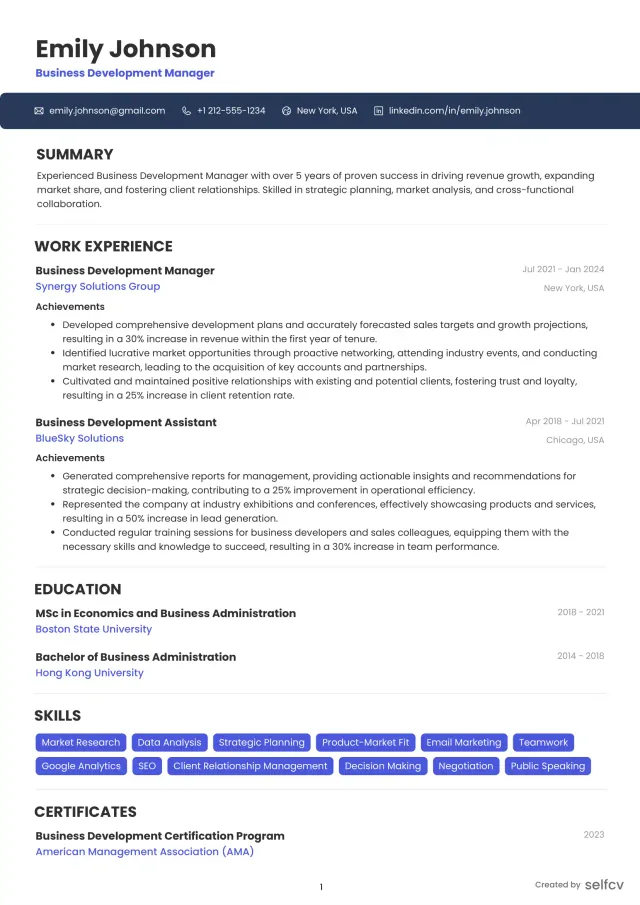
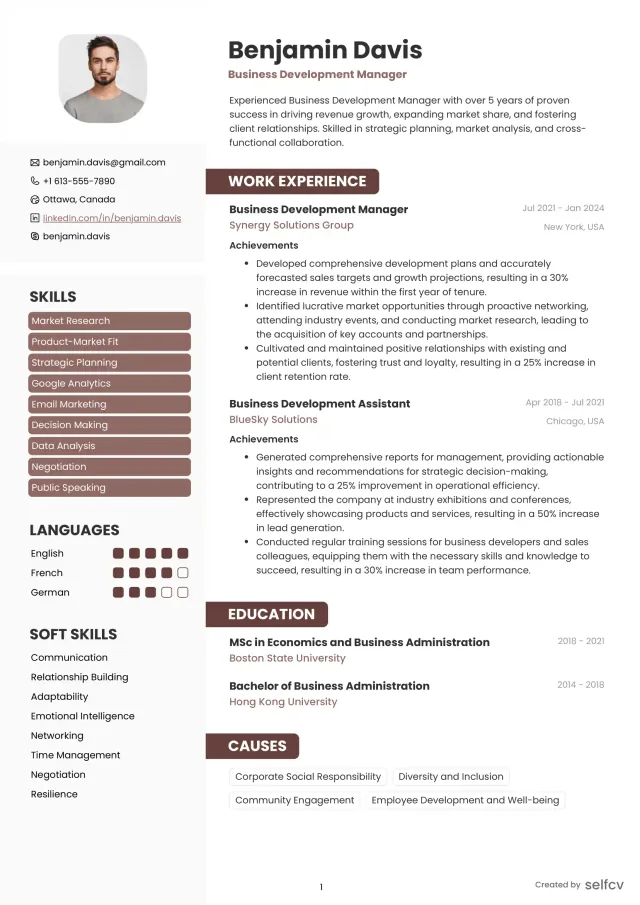
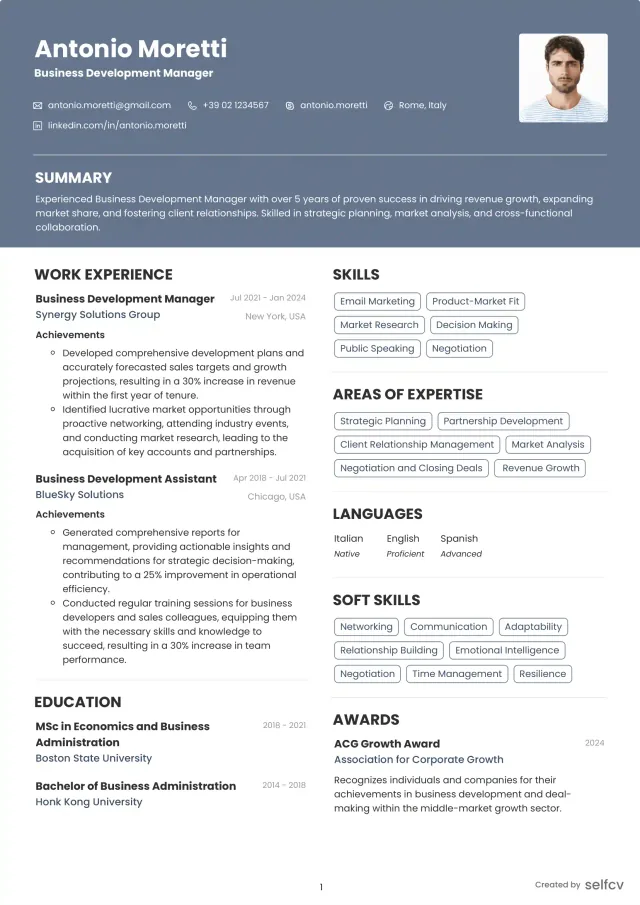
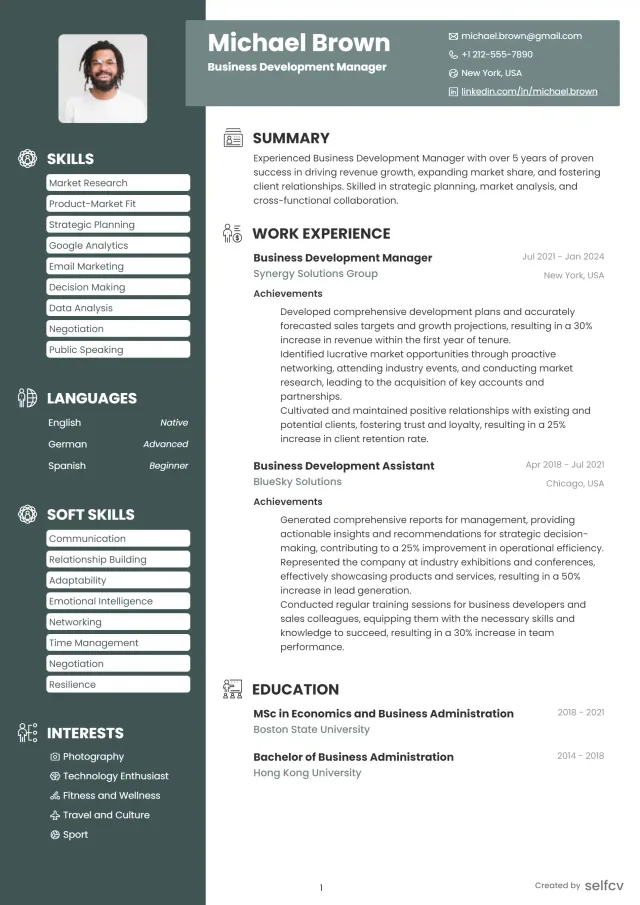
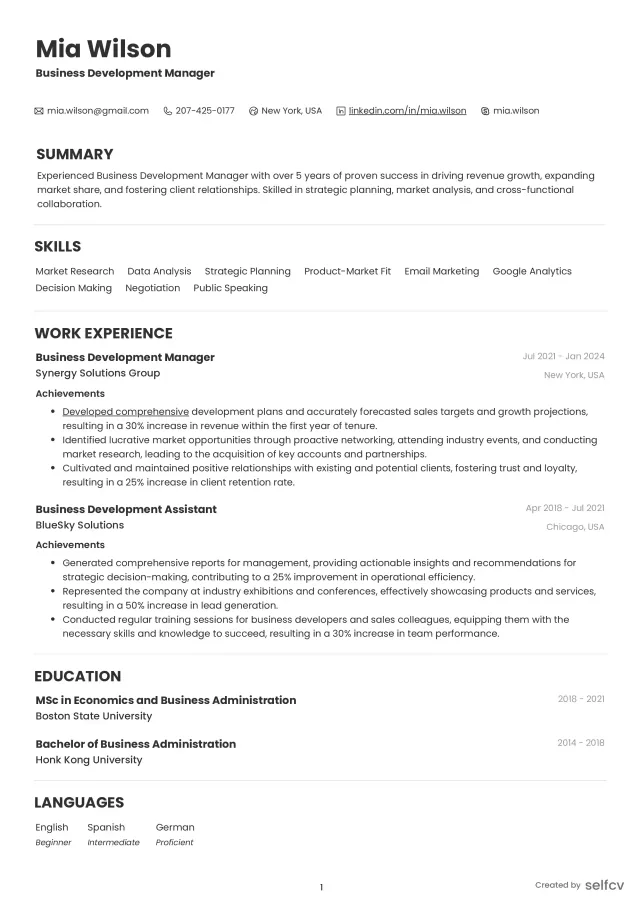
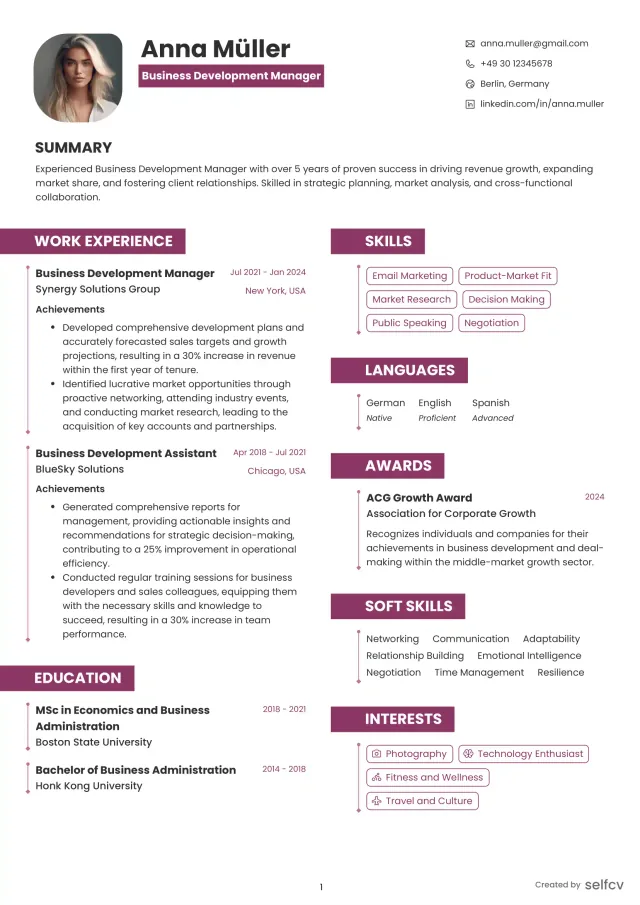
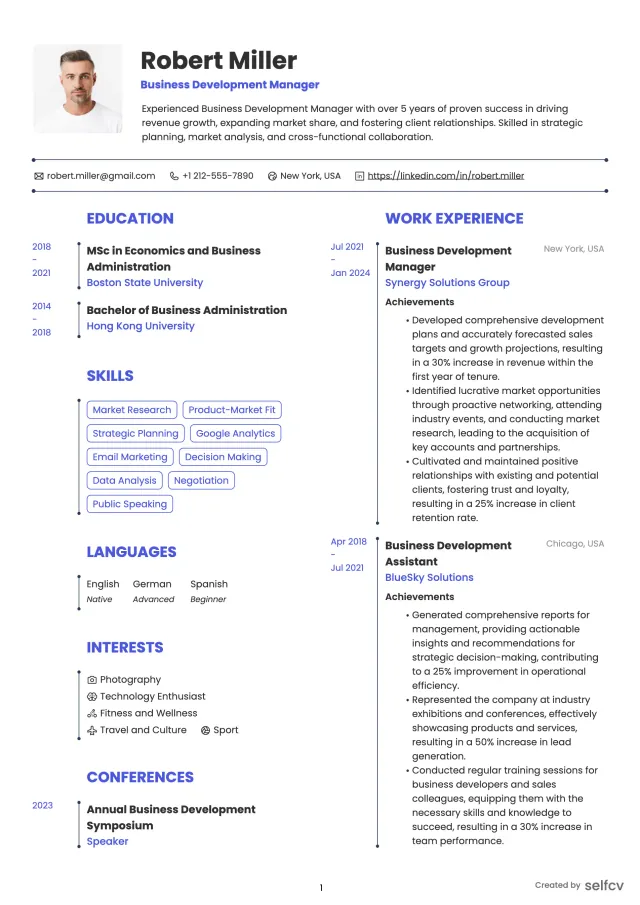
Find the template that’s right for you
No need to build anything from scratch. Using our templates or upload feature, you’ll get started easily and have a powerful resume in a few clicks.
ATS keyword bank and how to use it
How to place keywords
- Put core platform names and IaC tools in the skills section
- Repeat critical keywords once in the summary and once in an achievement bullet
- Use exact phrases recruiters search for (example: "Terraform", "multi-region", "RTO", "AWS landing zone")
Keyword bank (paste-ready, prioritize 12-20 primary terms)
- Cloud Architect resume 2026
- Terraform
- Infrastructure as Code
- AWS
- Azure
- GCP
- Multi-cloud
- Kubernetes
- EKS
- Cost optimization
- Cloud migration
- Landing zone
- RTO
- RPO
- Security and compliance
- PCI
- HIPAA
- GitOps
- Observability
- CI/CD
Tools, technical skills, deliverables, stakeholders and quality standards
Tools and platforms commonly listed
- Public cloud: AWS, Azure, GCP
- IaC and policy: Terraform, CloudFormation, Pulumi, Terragrunt, OPA
- Orchestration: Kubernetes, Helm, Istio, Linkerd
- CI/CD: GitLab CI, Jenkins, Argo CD
- Observability: Prometheus, Grafana, Datadog, ELK
Deliverables hiring teams expect
- Landing zones and account strategy
- IaC libraries and modules
- Migration plans and cutover playbooks
- DR and failover designs with RTO/RPO
- Runbooks, runbooks for incident response
Stakeholders you should name on a resume
- Platform and SRE teams
- Product owners and engineering leads
- Security and compliance teams
- Finance and procurement (for FinOps)
Quality and compliance signals
- Testable IaC modules and CI gating
- Compliance frameworks referenced (PCI, HIPAA, SOC2)
- Measured SLAs and documented runbooks
Check Your Resume with ATS
Make sure your resume passes Applicant Tracking Systems before recruiters see it.
- 📄 Upload your resume and get instant ATS feedback
- 🎯 Improve keyword matching for your target job
- ⚡ Boost your chances of getting shortlisted
Resume summary and objective examples by career level
Entry-level / Associate Cloud Architect
- Objective: Cloud-focused engineer transitioning to architecture, with hands-on Terraform and Kubernetes experience. Built IaC for dev teams and automated CI pipelines to reduce onboarding time.
Mid-level / Cloud Architect
- Summary: Cloud architect with 4 years designing and delivering AWS and Kubernetes platforms. Led landing zone builds and migrations that reduced costs by 20% and standardized observability across 8 teams.
Senior / Principal Cloud Architect
- Summary: Principal cloud architect driving multi-cloud strategy and platform governance. Delivered enterprise migrations, vendor negotiation, and FinOps that reduced spend by 18% and improved availability to 99.995%.
Career changer (developer to architect)
- Objective: Senior developer pivoting to cloud architecture, combining 6 years application design with IaC and platform automation experience. Focused on designing fault-tolerant microservices and automating deployments for scale.
Portfolio artifacts and what to link
High-value artifacts to include next to your resume
- Architecture diagrams with brief captions - focus on regions, accounts, and failover paths
- Terraform module repos or Gists showing naming, modules, and tests
- Migration runbook or cutover checklist (redacted)
- Post-migration report showing cost, performance, and reliability deltas
- Recorded demo or slide deck walking through an architecture decision
Privacy and security note
- Redact credentials and customer-identifying data
- Use synthetic data for logs or metrics if needed
Common red flags for Cloud Architect resumes
Watch for these during self-review
- Vague claims like "led architecture" with no scale or metric
- No mention of IaC or automation coverage
- Only tool lists with no outcomes
- Missing collaboration with security or finance for cloud spend
- Over-reliance on buzzwords without artifacts or measurable impact
Industry tailoring: Finance, Healthcare, SaaS
Finance
- Emphasize encryption, KMS, HSM, PCI, audit logs, and RTO/RPO
- Show vendor evaluations and cost recovery or chargeback models
Healthcare
- Highlight HIPAA controls, data residency, logging retention, and breach response runbooks
- Demonstrate secure ingestion and de-identification for PHI
SaaS
- Focus on multi-tenant design, tenant isolation patterns, cost per tenant, and scaling metrics
- Show developer enablement artifacts that reduced time-to-market
Interview prep: map bullets to questions
Behavioral and technical mapping
- Resume bullet: "reduced MTTR by 67% with automated failover"
Likely question: Describe the failover design and playbook you implemented
Prep tip: Walk through architecture diagram, orchestration steps, and post-incident metrics
- Resume bullet: "built Terraform modules used by 12 teams"
Likely question: How did you manage module versions, testing, and breaking changes?
Prep tip: Explain registry, versioning, CI tests, and migration path
- Resume bullet: "cut infra spend by 32%"
Likely question: What tools and governance drove the savings?
Prep tip: Describe tagging, rightsizing, savings pipeline, and stakeholder alignment
Next 7-day Resume Sprint
Day 1 - Headline and summary
- Write a headline with role and cloud focus
- Draft a 2-sentence summary linking architecture work to outcomes
Day 2 - Skills and keywords
- Create grouped skills list with 20 prioritized ATS keywords
- Add platform/tool specifics and compliance signals
Day 3 - Pick top 3 projects
- For each, write a one-paragraph problem-action-result with metrics
- Choose artifacts to link or redact
Day 4 - Rewrite bullets
- Convert 6 vague bullets into metric-driven bullets
- Use action, system, scale, result
Day 5 - Portfolio and links
- Prepare 2 architecture diagrams and sanitize any sensitive data
- Push one Terraform module example to a public repo with README
Day 6 - Review for red flags
- Check for missing IaC, security, or stakeholder names
- Ensure at least 60% of infra items referenced include a metric
Day 7 - Final polish and applications
- Export PDF and plain-text for ATS checks
- Tailor summary and top 3 bullets to target job description
Frequently asked questions
What should a Cloud Architect include on a resume in 2026?
- Include platform names, IaC tools, scale (accounts/regions/services), compliance signals, measurable migration and cost outcomes, and portfolio links to diagrams or IaC code.
How do I show cloud migrations and cost savings on my resume?
- Use a simple formula: migrated X services/users over Y months, tools used, and outcome such as % cost reduction or latency improvement. Attach a short line about the artifact available.
What keywords will get a Cloud Architect past ATS?
- Use exact technology names and phrases like Terraform, Infrastructure as Code, AWS landing zone, multi-cloud, RTO, RPO, cost optimization, Kubernetes, and GitOps.
How to format a Cloud Architect resume for senior vs mid-level roles?
- Mid-level: focus on hands-on delivery, modules, and team enablement. Senior: emphasize strategy, governance, vendor negotiation, and cross-team outcomes with measurable enterprise impact.
How to showcase Infrastructure as Code and Terraform experience on a resume?
- State percent of infra managed as code, number of modules, teams using the modules, testing strategy, and CI integration. Link a sanitized module or registry entry.
How to present multi-cloud experience without sounding vague?
- Give concrete examples per cloud: service migrated, pattern used (eg. GCP for analytics, AWS for transactional workloads), and measurable outcomes for each.
What portfolio artifacts should a Cloud Architect link to from their resume?
- Architecture diagrams, Terraform module repos, migration runbooks, post-migration reports, and a short recorded walkthrough or slide deck
Related careers
Roles that work closely with or are logical pivots
- DevOps Engineer
- Site Reliability Engineer
- Solutions Architect
- Platform Engineer
- Cloud Security Architect
Conclusion, checklist, and next action
Unique ending for Cloud Architect candidates
Cloud architecture resumes win when they connect technical patterns to business metrics and include artifacts that prove the work.
Practical final checklist
- Headline includes role and cloud specialization
- Summary ties architecture to business outcomes and scale
- 60-95% of infra referenced is under IaC or automated
- Each major bullet contains a scale or metric and the tool used
- Portfolio includes at least one Terraform module and one architecture diagram
Next action
- Pick one migration or platform project and publish a redacted case study or Terraform example this week to link from your resume
Why job seekers choose selfcv
Thousands of professionals use selfcv to build modern, ATS-friendly resumes, customize templates, and apply for jobs with confidence.
Thanks to SelfCV, I now have a professional and polished resume that I'm confident in sending to potential employers. I will definitely be recommending your service to other job seekers. Keep up the great work!
SelfCV offers an intuitive interface that makes creating a professional CV straightforward. Whether you're a student, a fresh graduate, or an experienced professional, the step-by-step process ensures that users of all levels can craft an impressive CV.
Easy to use resume builder. They have very intuitive ui for customizing and keeping multiple versions of resume.
The right tool for creating CVs. As a student I was looking for a tool that could help me quickly create a CV for internship applications. This was just the right tool. I am very satisfied!
This is one of the best tools I’ve ever used - I was able to build my CV in seconds with high quality template. Highly recommended!
Amazing app with easy user experience. Loved it. Its intuitive and easy to navigate, designs are very nice.
