
Data Engineer Resume 2026: Write ATS-Ready Pipeline, Cloud, and Impact-Focused Bullet Points
Data Engineer Resume 2026: Write ATS-Ready Pipeline, Cloud, and Impact-Focused Bullet Points
Written by Armen Mkhitaryan
Hiring blind spots for data engineering candidates often come from vague claims like "built scalable pipelines" without scale, cost, ownership, or business impact. Recruiters can reject resumes quickly when they cannot parse key signals: missing scale numbers, absent cloud or orchestration keywords, no links to artifacts, and generic verbs for technical work.
Quick recruiter checklist and fast wins
- Missing scale or frequency (add rows/sec, TB/day, or monthly users)
- No tool keywords for the role (Airflow, Spark, BigQuery, Redshift, Glue, Dataflow)
- Vague ownership language (replace "helped with" with "owned" or "led")
- No artifact links (add GitHub, pipeline diagrams, or DBT docs)
- Overpacked skills line (split into Tools, Languages, Platforms)
Use this guide to align bullets to both ATS parsing and human scrutiny, with examples you can paste and adapt.
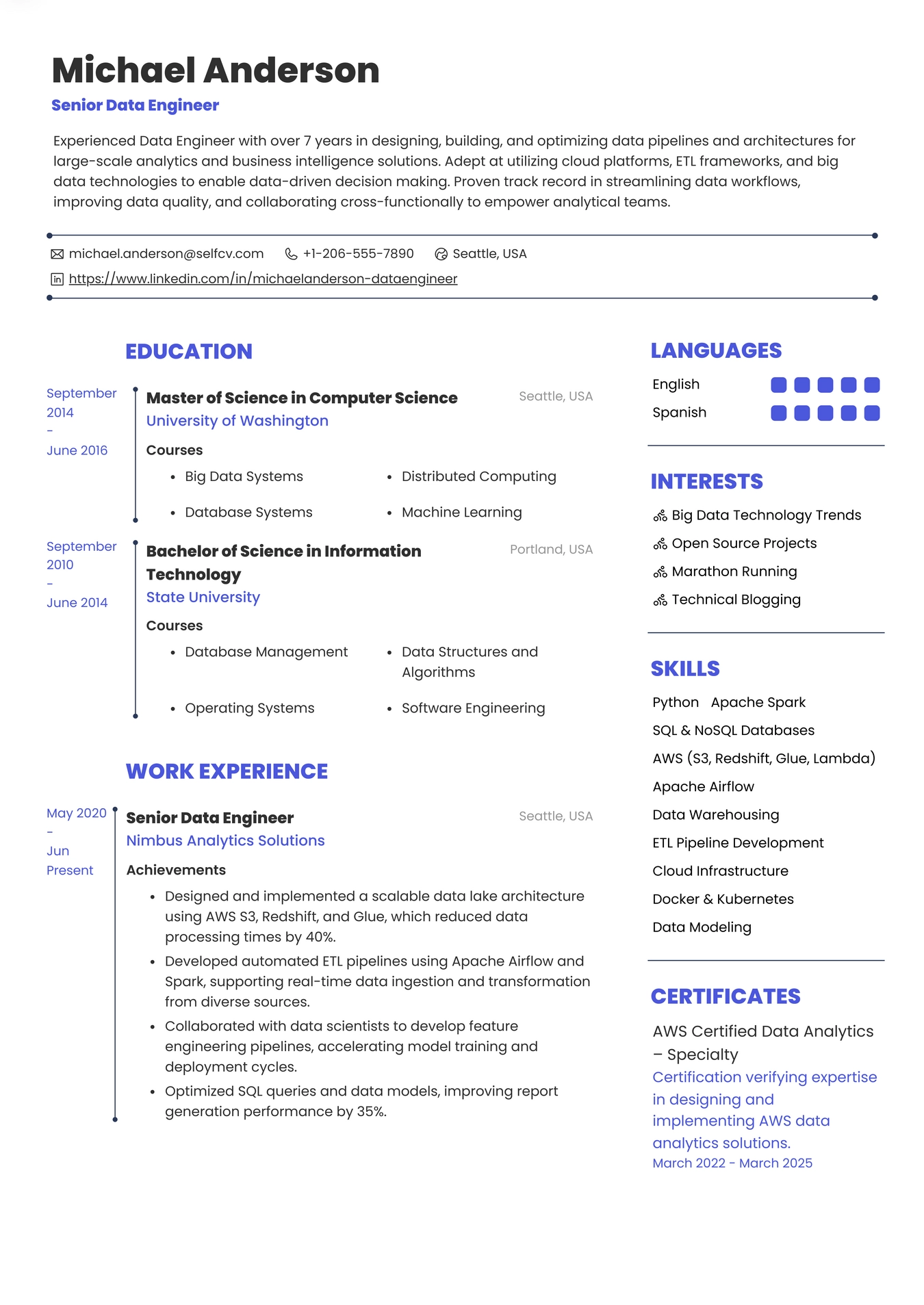
What hiring teams look for in 2026
Hiring managers often look for evidence of production ownership and measurable improvements.
Key hiring patterns
- Ownership: end-to-end delivery and operating responsibilities (on-call, runbooks, SLOs)
- Scale and cost: throughput, latency, data volume, and cost savings
- Cloud platform fluency: concrete migrations or optimizations on AWS, GCP, Azure
- Orchestration and reliability: Airflow, orchestration patterns, retries, SLA management
- Data quality and contracts: tests, monitoring, lineage, and schema governance
- Cross-functional impact: how data services supported analytics, ML, product decisions
What often gets overlooked
- Clear artifact links for technical work
- Context for stakeholder interactions (analytics, ML, product)
- Measurable outcomes tied to business metrics
Top ATS keywords and how to map them
Map keywords to the job description and your experience. Use exact tool names and common variants.
High-priority keywords (add where true)
- data engineer resume 2026
- ETL, ELT, data pipelines, data ingestion
- Airflow, Prefect, Dagster
- Spark (PySpark), Databricks
- SQL, BigQuery, Redshift, Snowflake
- AWS Glue, AWS Redshift, S3, Kinesis
- GCP Dataflow, Pub/Sub, BigQuery
- data contracts, data lineage, dbt, Great Expectations
- streaming, batch processing, throughput, latency
- on-call, SLO, SLA, monitoring, Prometheus, Grafana
Keyword mapping tips
- Use the platform name with the service (example: GCP Dataflow, not just "Dataflow")
- Include both synonyms and abbreviations (ETL and ELT)
- Put keywords in Experience bullets where you describe action, not only in Skills
- Mirror the exact phrasing of the job post for the most important requirements
Resume Example for Data Engineer
Resume framework: header, summary, experience, projects, skills, education
Header and links
- Name, city and country (or Remote), phone, professional email
- One-line role target under your name ("Data Engineer - Cloud and ETL")
- Links: GitHub, portfolio, LinkedIn, optional resume PDF link
Summary vs Objective
- Summary for experienced hires: 2-3 lines with specialization, scale, and business outcome
- Objective for entry or career changers: 1-2 lines about intent and transferable skills
Experience section rules
- Reverse chronological
- Company, location, dates (month year - month year)
- Role title aligned to job target (don’t invent seniority)
- 3-5 bullets for recent roles, 1-3 bullets for older roles
- First bullet: ownership and scope
- Subsequent bullets: technical actions, metrics, business outcomes
Projects section
- Short title, tech stack, outcome or KPI
- Hostable artifacts: GitHub repo, Dockerized demo, pipeline diagram, dbt docs
Skills layout
- Grouped: Languages, Platforms, Orchestration, Storage, Testing/QA, Observability
- Put the most relevant group first for target role
Experience bullets: formulas and annotated examples
Bullet formulas to show both technical depth and impact
- Ownership formula: Action + system/component + scope + technology + measurable result
- Example: "Owned daily ingestion pipeline for 50M events/day using Kafka and Spark, reducing latency by 40%".
- Troubleshooting/optimization formula: Problem + action + technical detail + metric
- Example: "Reduced ETL costs 30% by rewriting batch join logic in PySpark and partition pruning".
- Cross-functional impact formula: Action + stakeholder + deliverable + business outcome
- Example: "Built near-real-time dashboard feeding marketing attribution, improving campaign ROI tracking by 18%".
Annotated examples
- Generic: "Built data pipelines with Spark and Airflow." Replace with:
- Specific: "Designed and deployed Airflow DAGs and PySpark jobs to process 2 TB/day, improving freshness from 6 hours to 20 minutes."
- On-call / reliability: "On-call for pipeline failures" becomes:
- Clear: "Owned on-call rotation and SLOs for ingestion service; reduced recurring failures by 60% with automated retries and better alerting."
Skills and tools: how to list for humans and ATS
Group skills so ATS sees exact tokens and humans scan clusters quickly.
Suggested groups
- Languages: Python, SQL, Scala
- Batch processing: Spark, Hadoop, Databricks
- Streaming: Kafka, Kinesis, Flink
- Orchestration: Airflow, Prefect, Dagster
- Cloud: AWS (Glue, Redshift, S3), GCP (BigQuery, Dataflow, Pub/Sub), Azure
- Warehousing: BigQuery, Snowflake, Redshift
- ELT/Transform: dbt, SQL-based modeling
- Testing and quality: Great Expectations, Deequ, unit tests
- Observability: Prometheus, Grafana, Sentry, DataDog
- Storage formats: Parquet, Avro, ORC
How to order
- Put 6-12 most relevant skills on the first line
- Avoid long comma lists; use groups of 3-6 items per line
Tools and platform mentions to include when relevant
- AWS Glue, AWS Redshift, BigQuery, Databricks, Airflow, Kafka, dbt, Snowflake, GCP Dataflow, Azure Data Factory
Projects and portfolio: what to link and how to describe
Which artifacts to host
- Pipeline diagrams and architecture readme
- Code repositories with a clear README and sample data
- dbt docs, lineage screenshots, or a public catalog
- Notebook with a reproducible ETL or streaming demo
- SLO/runbook examples and a short reliability postmortem
How to describe a portfolio item on resume
- Title: "Streaming ETL pipeline for clickstream" then tech stack
- One-line outcome: "Processed 10M events/day with 99.9% uptime; latency 10-30s"
- Link label in resume: "Repo: github.com/you/streaming-etl (includes DAGs, tests, README)"
Privacy and compliance
- Mask real production credentials
- Use sanitized or synthetic data when publishing demos
- Indicate if an artifact is a simplified demo of production work
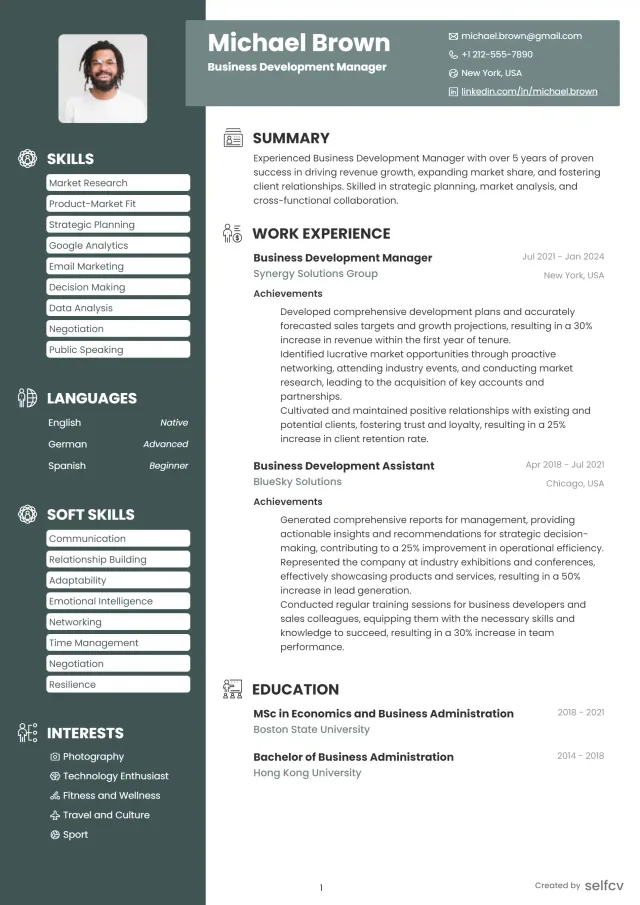
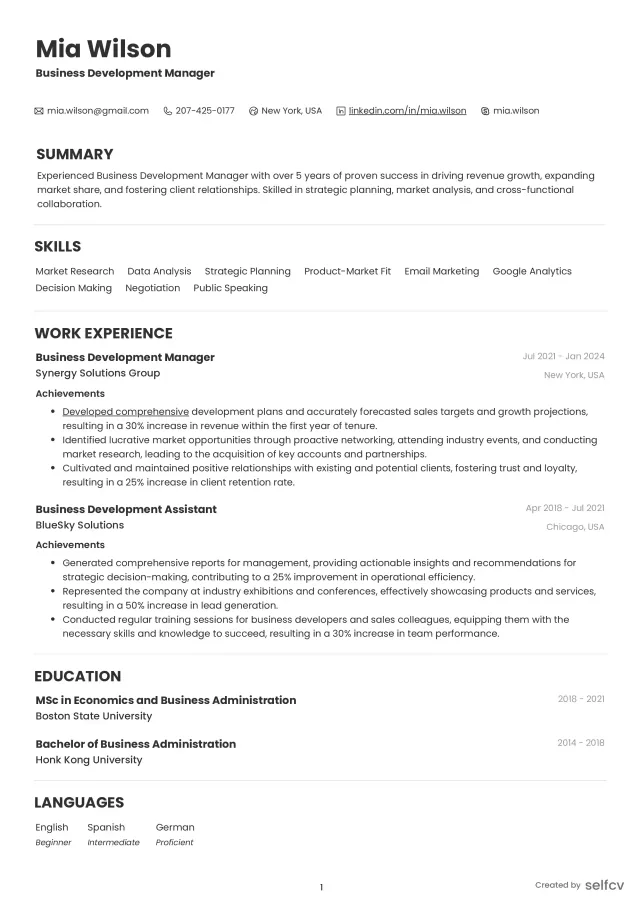
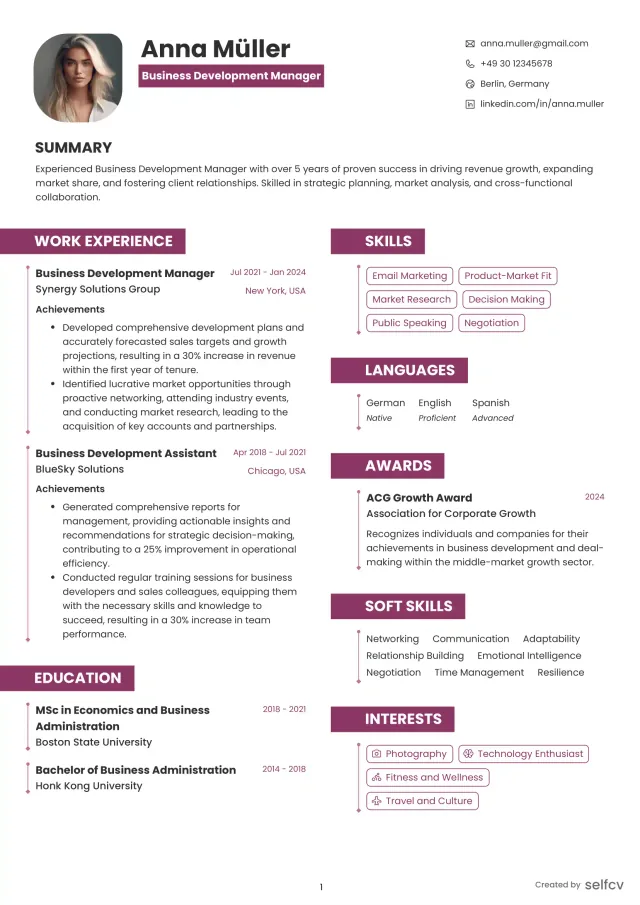
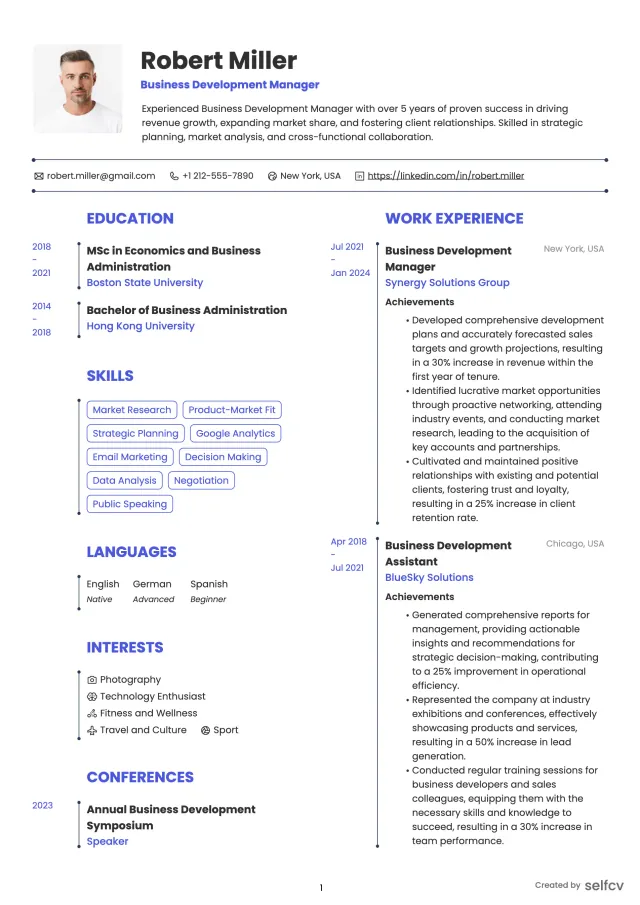
Find the template that’s right for you
No need to build anything from scratch. Using our templates or upload feature, you’ll get started easily and have a powerful resume in a few clicks.
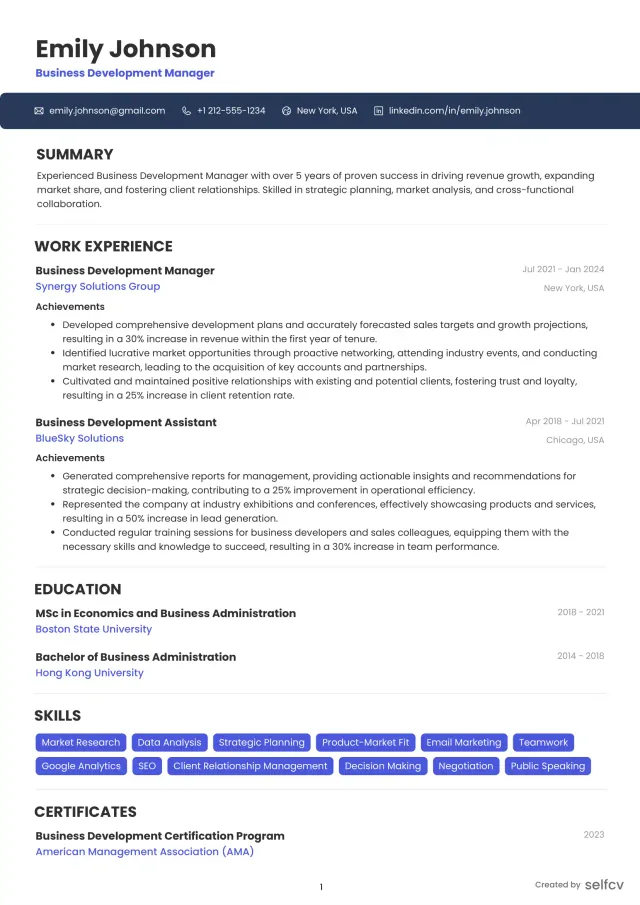
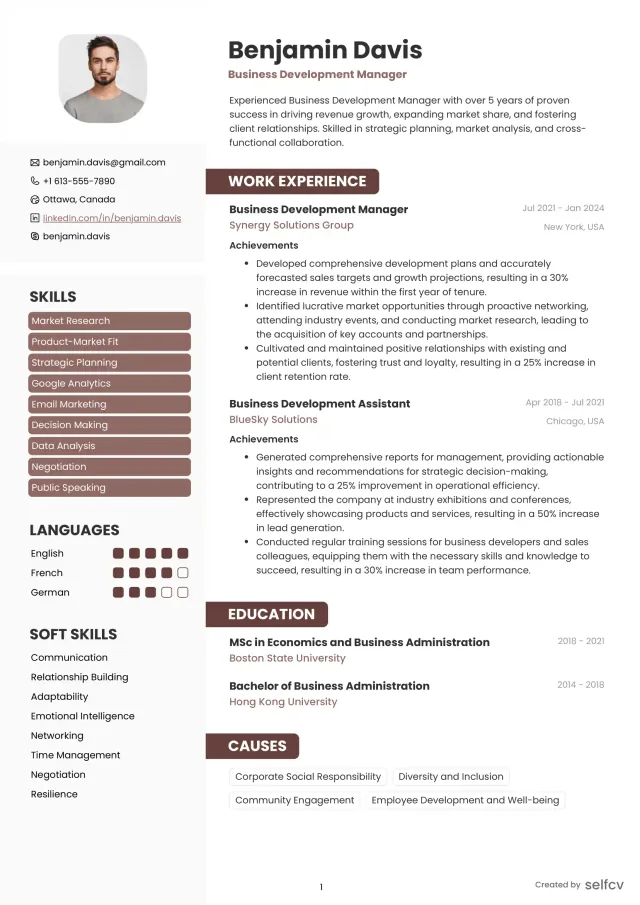
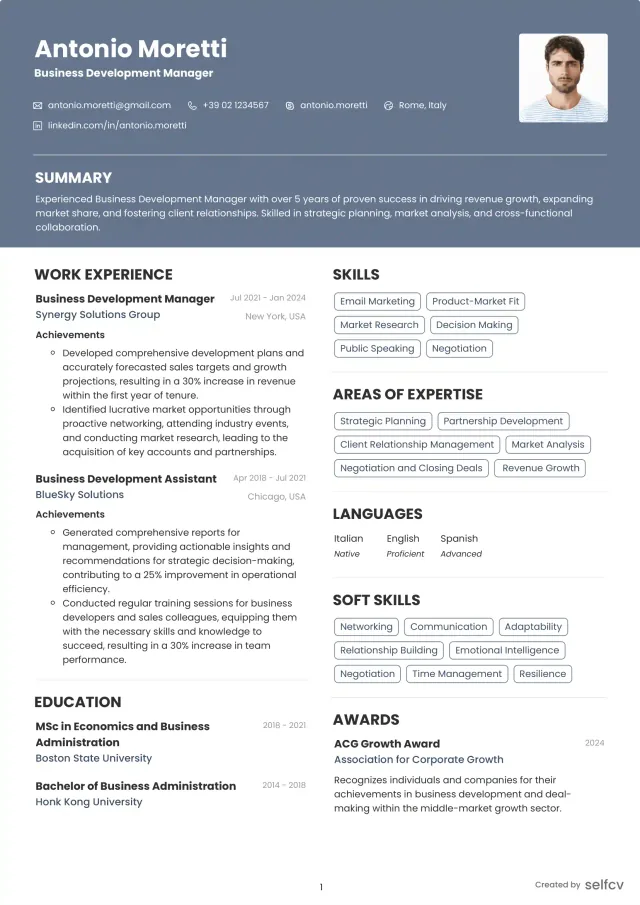
Industry variants: finance, healthcare, adtech, SaaS, IoT
Adjust phrasing to show domain knowledge and compliance awareness.
Finance
- Emphasize latency, audit trails, encryption, and data retention
- Phrases: "trade-level throughput", "auditable lineage", "PII handling"
Healthcare
- Mention PHI handling, HIPAA-aware pipelines, data de-identification
- Phrases: "de-identification pipeline", "consent-aware ingestion"
Adtech
- Focus on event volume, real-time attribution, and cost per mille (CPM) impact
- Phrases: "real-time bidding events", "sessionization at 50M events/day"
SaaS and Product Analytics
- Tie pipelines to product metrics and experiments
- Phrases: "funnel conversion pipeline", "experiment telemetry ingestion"
IoT
- Highlight edge ingestion patterns, message protocols, time-series storage
- Phrases: "MQTT ingestion", "time-series downsampling to Parquet"
Complete sample resume
The candidate, companies, and career history shown are fictional examples created for illustration and any resemblance to a real person or organization is coincidental.
Arielle Torres
Target Position
Senior Data Engineer
Location
London, UK (Open to Remote)
Professional Summary
Senior Data Engineer with 7 years building cloud-native ETL and streaming platforms. Led migration of batch pipelines to BigQuery and Dataproc, reduced latency by 75% and monthly ETL costs by 28%. Comfortable owning on-call rotation, SLOs, and cross-team data contracts.
Grouped Skills
Languages: Python, SQL, PySpark
Cloud & Platforms: GCP (BigQuery, Dataflow, Pub/Sub), AWS (S3, Redshift)
Orchestration & ELT: Airflow, dbt
Streaming & Messaging: Kafka, Pub/Sub
Testing & Observability: Great Expectations, Prometheus, Grafana
Storage & Formats: Parquet, Avro
Professional Experience
Data Platform Engineer, Nova Analytics, London, UK
March 2021 - Present
- Owned the core ingestion platform processing 30M events/day; redesigned schema and PySpark jobs to reduce end-to-end latency from 4 hours to 20 minutes.
- Led a migration from Redshift to BigQuery for analytics layer, cutting query costs 35% and improving average query time from 120s to 15s.
- Implemented data contracts and automated tests with dbt and Great Expectations; decreased schema-related incidents by 70%.
- Ran on-call rotation and defined SLOs for data freshness, achieving 99.5% compliance over six months.
Senior Data Engineer, HealthSync, Remote
June 2018 - Feb 2021
- Built streaming ETL for patient telemetry using Kafka and Spark Structured Streaming to ingest 1M messages/day with end-to-end encryption and PHI masking.
- Developed DAGs in Airflow and standardized retries and alerting; mean time to recovery dropped from 3 hours to 25 minutes.
- Partnered with analysts and product to deliver a near-real-time dashboard used for clinical trial enrollment, improving enrollment velocity 22%.
Data Engineer, BrightAds, New York, NY
July 2016 - May 2018
- Implemented campaign attribution pipelines in PySpark, processing impression and click logs at 50M events/day.
- Optimized joins and partitioning to reduce pipeline cost by 30% and improve job stability.
Education / Training
- BSc Computer Science, University of Manchester, 2016
Certifications
- Google Professional Data Engineer
- Databricks Certified Associate Developer for Apache Spark
- AWS Certified Big Data - Specialty (if current)
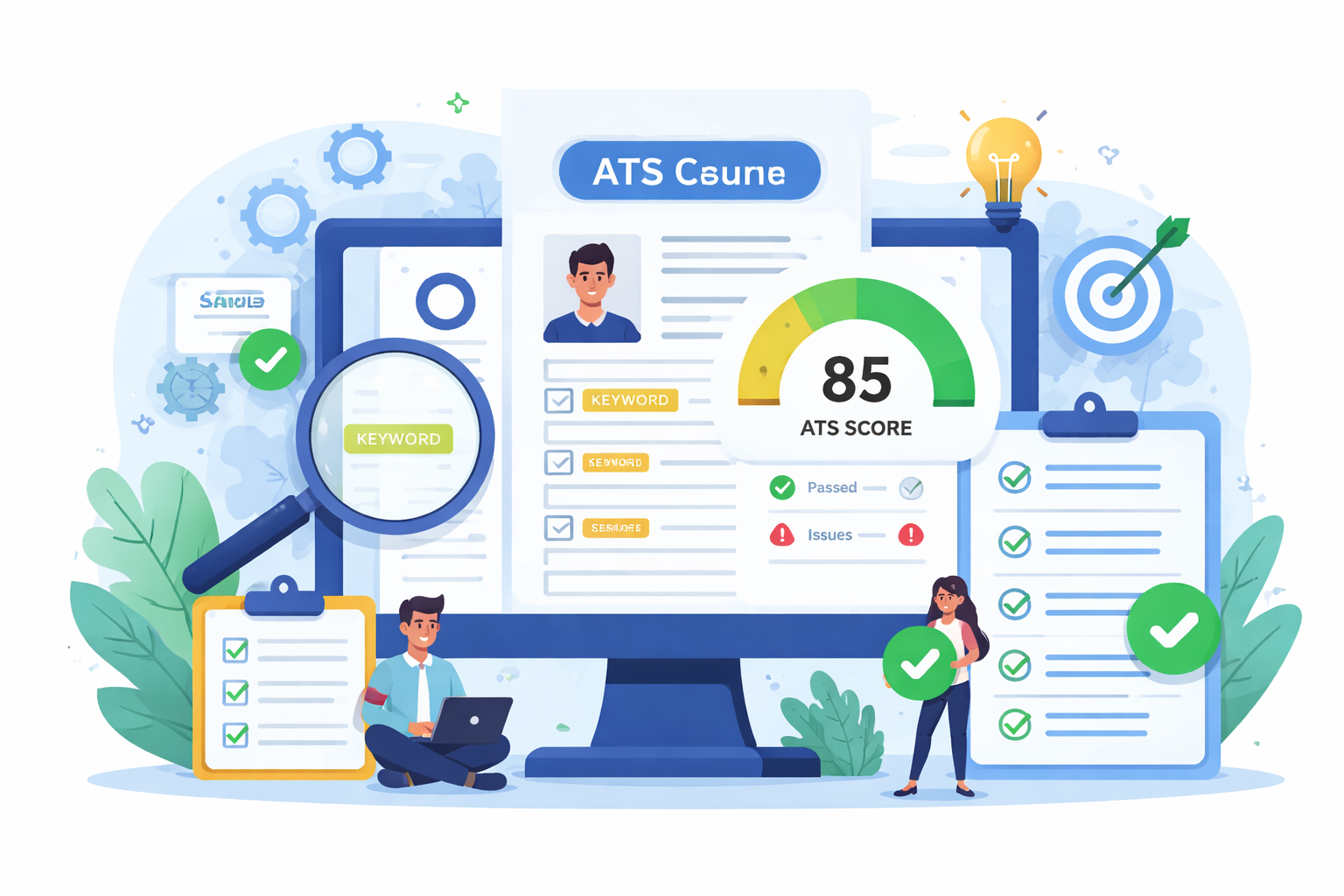
Check Your Resume with ATS
Make sure your resume passes Applicant Tracking Systems before recruiters see it.
- 📄 Upload your resume and get instant ATS feedback
- 🎯 Improve keyword matching for your target job
- ⚡ Boost your chances of getting shortlisted
Achievement examples: weak-to-strong
Example 1:
Weak:
- Built ETL pipelines for analytics.
Strong:
- Designed and deployed Airflow DAGs and Spark jobs to process 2 TB/day, reducing downstream report latency from 6 hours to 20 minutes and lowering ETL costs 22%.
Why it works:
- Adds scale, tech, measurable outcome, and cost impact; shows ownership.
Example 2:
Weak:
- Improved data quality across datasets.
Strong:
- Implemented dbt models and Great Expectations checks across 120+ tables, catching schema regressions pre-deploy and cutting data incidents by 60%.
Why it works:
- Quantifies scope, names tools, and connects to measurable incident reduction.
Example 3:
Weak:
- Responsible for Kafka ingestion.
Strong:
- Built resilient Kafka consumer group with idempotent processing and checkpointing, supporting 10M events/day and reducing duplicate records by 95%.
Why it works:
- Shows reliability techniques, scale, and direct metric for improvement.
Career-level summaries and objective examples
Entry-level (0-2 years) objective
- "Junior Data Engineer with internship experience in Python and SQL. Built ETL scripts to process 5M monthly events and seeks role building cloud ETL workflows and unit-testing practices."
Mid-level (2-5 years) summary
- "Data Engineer with 3 years of experience building batch and streaming pipelines using Airflow and Spark. Improved pipeline reliability and reduced processing costs by prioritizing partitioning and test coverage."
Senior (5-10 years) summary
- "Senior Data Engineer specializing in cloud migrations and platform reliability. Led Redshift to BigQuery migration reducing query costs 35% and implemented SLO-driven on-call processes for a 99.5% data freshness SLA."
Career changer (Data Analyst -> Data Engineer) objective
- "Data Analyst transitioning to Data Engineering. Built SQL-based ETL and automated report pipelines; completed a production-ready ETL project with Airflow and PySpark processing synthetic datasets. Seeking data engineering role to apply analytics background to scalable pipelines."
Common red flags on resumes and quick fixes
Top red flags
- Vague verbs: "worked on", "assisted" - replace with "owned", "designed", "implemented"
- Tool name avoidance: listing "cloud" without specific services
- No metrics: missing scale, frequency, or cost improvements
- Overly long skills line without grouping
- No artifact links for technical claims
Quick edits under 15 minutes
- Add one metric to the top bullet of your most recent role
- Replace two weak verbs with specific ownership verbs
- Group skills into 4-6 labeled clusters
- Add a GitHub or architecture diagram link for one project
FAQ (common searches and concise answers)
Q1: How do I write a data engineer resume for ATS in 2026?
A1: Mirror the job description's exact terms for core skills, include platform-service pairs (example: "GCP BigQuery"), and place high-priority keywords in Experience bullets not only the Skills section.
Q2: What keywords should be on a Data Engineer resume for cloud platforms?
A2: Include both cloud and service: AWS S3, AWS Glue, AWS Redshift, GCP BigQuery, GCP Dataflow, Azure Data Factory. Also include orchestration and storage terms like Airflow, Kafka, Parquet.
Q3: How do I show impact for data pipeline work on my resume?
A3: Use metrics: volume (rows/day, TB/day), latency reduction, cost savings, error rate reduction, and stakeholder outcomes (faster reports, improved ML model freshness).
Q4: Should I link to GitHub, notebooks, or pipeline diagrams on my resume?
A4: Yes. Prefer a curated portfolio link with a short README, sanitized data, and architecture diagrams. Note production constraints and provide demo artifacts rather than raw production code.
Q5: What are recruiter red flags on Data Engineer resumes?
A5: Missing scale/context, ambiguous ownership language, tool name omissions, and no artifact links.
Q6: How to write a resume when switching from Data Analyst to Data Engineer?
A6: Emphasize engineering-oriented projects: automation, ETL scripts, orchestration, and tests. Show concrete technical steps and add a short portfolio project demonstrating an end-to-end pipeline.
Related careers
Careers to consider or reference on transition paths
- Data Analyst
- Data Scientist
- Data Platform Engineer
- Data Architect
- Machine Learning Engineer
- ETL Developer
- DevOps Engineer
- Analytics Engineer
Conclusion, prioritized two-week edit plan, and next actions
Conclusion
A data engineer resume in 2026 needs to show production ownership, measurable scale, cloud service fluency, and links to real artifacts. Emphasize outcomes, not just tools.
Two-week prioritized edit plan
Week 1 - Core resume hygiene
- Day 1: Add exact role target and group skills into 4-6 labeled clusters
- Day 2: Update header with portfolio links and short role line
- Day 3-4: For most recent role, rewrite top bullet using Ownership formula and add 1-2 metrics
- Day 5: Replace weak verbs across resume and ensure tool-service pairs are spelled out
Week 2 - Depth, artifacts, and tailoring
- Day 6-7: Prepare 1-2 portfolio artifacts (sanitized pipeline diagram, dbt docs, GitHub README)
- Day 8-9: Tailor resume to two target job descriptions by mirroring phrases and adding relevant keywords
- Day 10: Run ATS keyword scan and fix any missing high-priority tokens
- Day 11-14: Prepare interview prompts and stories tied to each major bullet
Interview-prep prompts tied to resume claims
- For a pipeline claim: "Explain the end-to-end flow, bottlenecks you saw, and the tradeoffs you made."
- For a cost reduction claim: "Walk through the before/after architecture and how you measured cost."
- For on-call/SLO: "Describe a recurring incident, your remediation steps, and how you prevented recurrence."
Portfolio artifact checklist
- Clean README describing system intent and simplified architecture
- Sanitized sample data or synthetic dataset
- Clear run instructions and expected outputs
- Link to DAG or dbt docs and a short postmortem or reliability note
Next reads and skills to prioritize
- Deepen PySpark and Spark SQL tuning knowledge
- Learn dbt patterns and automated testing for data models
- Study SLOs for data freshness and reliability
- Practice architecture writeups and diagrams
Finish by choosing three bullets you will defend in interviews and make sure each has a short 60-90 second story attached.
Extra: prioritized ATS-friendly snippets
Copy-ready snippets to paste into a resume
- "Owned ingestion pipelines processing 20-30M events/day using Kafka, Airflow, and Spark; reduced end-to-end latency from 3 hours to 15 minutes."
- "Migrated analytics layer to BigQuery and dbt, lowering query cost 35% and improving average query time from 90s to 12s."
- "Implemented data contracts and Great Expectations checks across 80 tables, reducing production data incidents by 65%."
Closing practical checklist
Final quick checklist before applying
- One-line role target under your name
- 3 metrics in most recent role bullets
- Grouped skills with platform-service pairs
- At least one portfolio link with README and sanitized data
- Two tailored versions of your resume for target roles
- Three interview stories matched to top bullets
Next action
- Spend the next 60 minutes updating the top bullet on your most recent role with the Ownership formula and one measurable metric.
Note on uniqueness
This article focuses on resume signals specific to data engineering such as orchestration names, stream and batch scale, data contracts, and SLO-driven reliability. Remove the role name to see that the guidance still helps with technical ownership, but the examples and artifacts remain specific to data engineering workflows.
Meta information
seoTitle: Data Engineer Resume 2026: Write ATS-Ready Pipeline, Cloud, and Impact-Focused Bullet Points
metaDescription: Data Engineer resume 2026 guide with ATS keywords, cloud pipeline phrasing, portfolio tips, and an edit plan to highlight measurable impact.
Why job seekers choose selfcv
Thousands of professionals use selfcv to build modern, ATS-friendly resumes, customize templates, and apply for jobs with confidence.
Thanks to SelfCV, I now have a professional and polished resume that I'm confident in sending to potential employers. I will definitely be recommending your service to other job seekers. Keep up the great work!
SelfCV offers an intuitive interface that makes creating a professional CV straightforward. Whether you're a student, a fresh graduate, or an experienced professional, the step-by-step process ensures that users of all levels can craft an impressive CV.
Easy to use resume builder. They have very intuitive ui for customizing and keeping multiple versions of resume.
The right tool for creating CVs. As a student I was looking for a tool that could help me quickly create a CV for internship applications. This was just the right tool. I am very satisfied!
This is one of the best tools I’ve ever used - I was able to build my CV in seconds with high quality template. Highly recommended!
Amazing app with easy user experience. Loved it. Its intuitive and easy to navigate, designs are very nice.
