
DevOps Engineer Resume 2026: ATS-Ready Examples & Achievement-Driven Bullets
DevOps Engineer Resume 2026: ATS-Ready Examples & Achievement-Driven Bullets
Written by Armen Mkhitaryan
What hiring teams need now
Hiring managers often look for evidence of production ownership, measurable reliability improvements, and automation that speeds delivery. A 2026 DevOps resume should surface scale (services, traffic), outcome metrics (deployment frequency, MTTR, cost savings), and IaC and cloud provider signals early in the document.
Quick ATS checklist
- Put primary keyword near the top: DevOps engineer resume 2026
- Include cloud providers and orchestration tools by name: AWS, GCP, Azure, Kubernetes, Docker
- Add metrics with numbers and units: 40% faster deploys, 99.95% uptime
- Use standard headings: Professional Summary, Professional Experience, Skills, Education
- Keep formatting simple: one column, standard fonts, no images or tables
- Export PDF and plain-text version for ATS testing
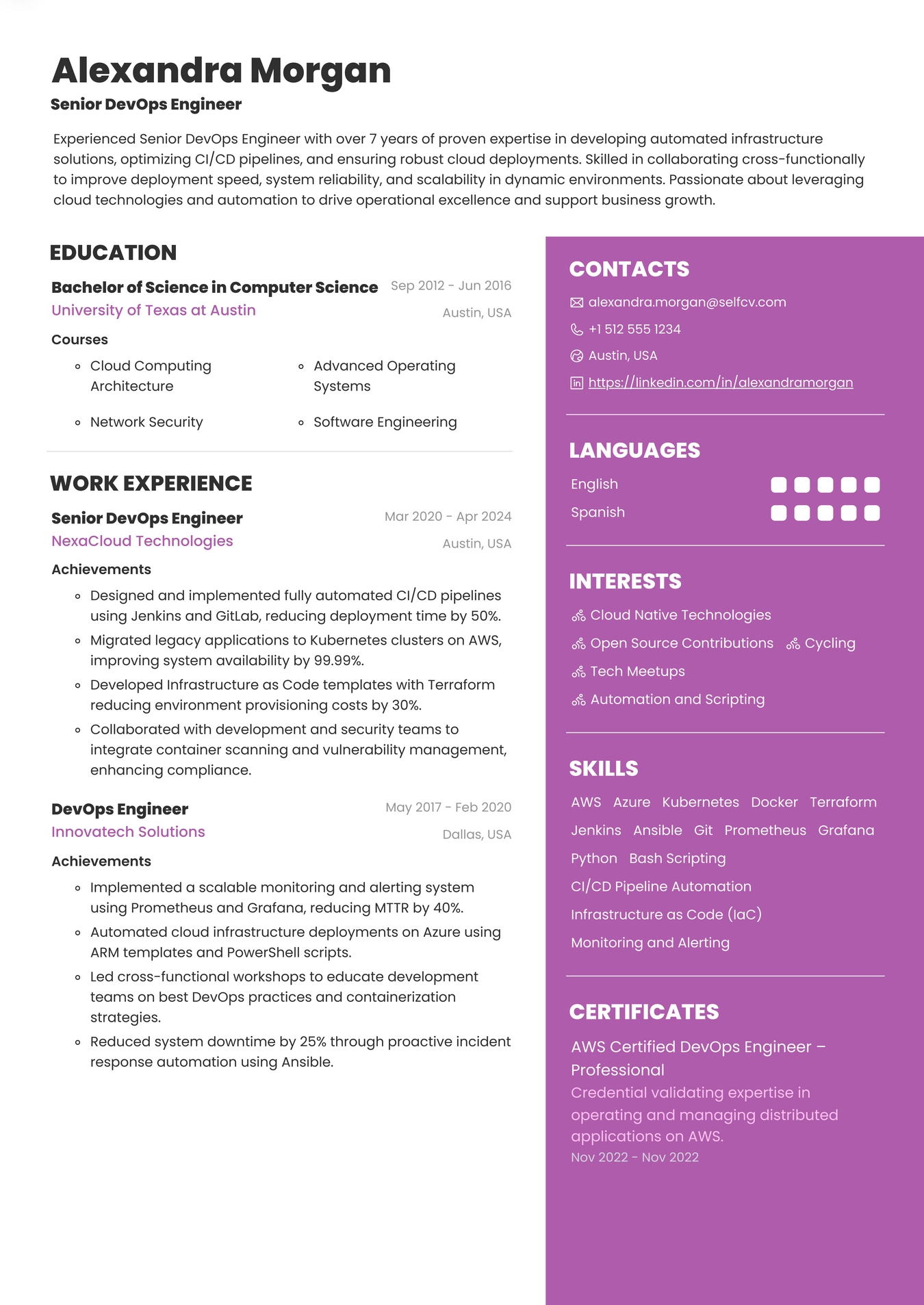
3-Sentence Resume Summary Template You Can Copy
Three-sentence, achievement-first summary (copy and tailor)
- Sentence 1: Role and specialization plus years and environment - "DevOps engineer with 4 years building cloud-native CI/CD platforms for SaaS companies."
- Sentence 2: One measurable impact - "Reduced mean time to recovery (MTTR) by 50% and cut deployment time from 30 to 6 minutes through pipeline automation."
- Sentence 3: Tools and collaboration signal plus goal - "Kubernetes, Terraform, GitHub Actions, and observability stacks; seeking platform engineer role to scale multi-cluster production workloads."
Entry-Level Annotated Sample
Before and after resume bullets for an entry-level DevOps engineer
- Before: Implemented Docker containers for application teams.
- After: Built and documented Docker-based dev environments that reduced onboarding time for new hires from 5 days to 1 day, enabling two teams to ship features in the first sprint.
Why the after works
- Adds scale and measurable outcome.
- Mentions collateral value (documentation) and cross-team impact.
Quick tips for entry-level resumes
- Highlight internships, capstone projects, or open-source contributions.
- Show clear tools and small metrics (reduced build time, number of services).
- Add a Projects section with links to repos and READMEs.
Resume Example for DevOps Engineer
Mid-Level (3-6 years) Annotated Sample
Before and after resume bullets for a mid-level DevOps engineer
- Before: Managed CI/CD pipelines and deployed microservices.
- After: Owned CI/CD platform using GitHub Actions and ArgoCD to automate 120 weekly deployments, decreasing failed deploy rollbacks by 35% and increasing deployment frequency from twice weekly to daily.
Why the after works
- Shows ownership and concrete toolset.
- Gives frequency, volume, and percentage improvements recruiters look for.
Mid-level focus
- Show ownership boundaries: pipelines, platform, infra modules.
- Call out collaboration with product and SRE teams.
- List modules or repos you own for IaC.
Senior / Lead Annotated Sample
Before and after bullets for a senior DevOps engineer
- Before: Led platform reliability improvements.
- After: Architected multi-region Kubernetes platform on GCP with Terraform modules and a GitOps workflow, improving application availability from 99.8% to 99.97% for 60 services and saving $120k/year through right-sizing and spot instance policies.
Why the after works
- Combines architecture, tooling, measurable availability, and cost impact.
- Mentions scale (services) and cross-cutting concerns (multi-region, GitOps).
Senior-level focus
- Emphasize architecture decisions, mentoring, and cross-team initiatives.
- Describe reliability SLO/SLI work and budget or hiring influence.
Industry Variants: Cloud, SaaS, Fintech, Gaming, Telecom
How to tweak bullets for different industries
- Cloud-native SaaS
- Focus: deployment velocity, tenant isolation, multi-tenant cost allocation, RBAC and SSO
- Example tweak: Added per-tenant cost reporting that reduced over-provisioning by 18%.
- Fintech
- Focus: compliance, secure secrets handling, audit trails, low-latency pipelines
- Example tweak: Implemented ephemeral build agents and audited Terraform changes to meet SOC 2 requirements.
- Gaming
- Focus: latency, autoscaling for spikes, deployment windows, blue-green releases
- Example tweak: Automated scaling policies that handled 3x daily traffic spikes without incidents.
- Telecom and edge
- Focus: distributed clusters, network policies, hardware constraints, OTA updates
- Example tweak: Designed rolling update strategy for edge nodes, cutting failed rollbacks by 70%.
ATS Keywords, Tools, and Skills Bank
What to include and why (keywords that pass ATS and signal fit)
- Role and function keywords
- DevOps, Site Reliability Engineer, Platform Engineer, CI/CD engineer, Infrastructure as Code
- Cloud providers and platform
- AWS, GCP, Azure, EKS, GKE, AKS, multi-cloud
- Orchestration and containers
- Kubernetes, Docker, Helm, Operators, containerd
- IaC and provisioning
- Terraform, Pulumi, CloudFormation, Ansible, Packer
- CI/CD and GitOps
- Jenkins, GitHub Actions, GitLab CI, ArgoCD, Flux
- Observability and incident tools
- Prometheus, Grafana, Loki, Datadog, Sentry, PagerDuty
- Networking and security
- Istio, Linkerd, Calico, Vault, OAuth, IAM
- Additional skills and signals
- Python, Go, Bash scripting, SQL, Git, Agile, SLO/SLA, postmortem
- ATS tip
- Use plain-tool names, avoid images and headers with nonstandard characters, include both acronym and full name at least once.
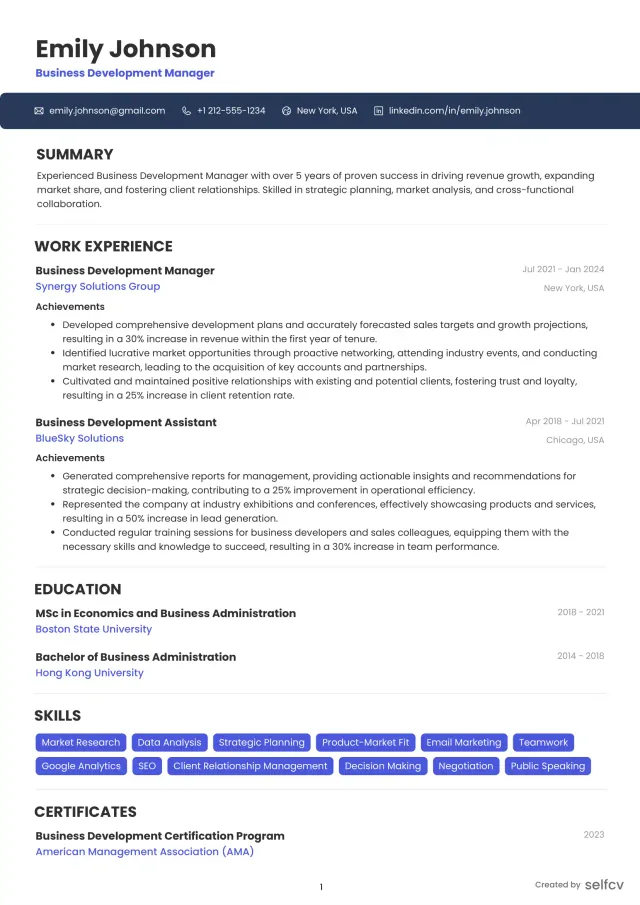
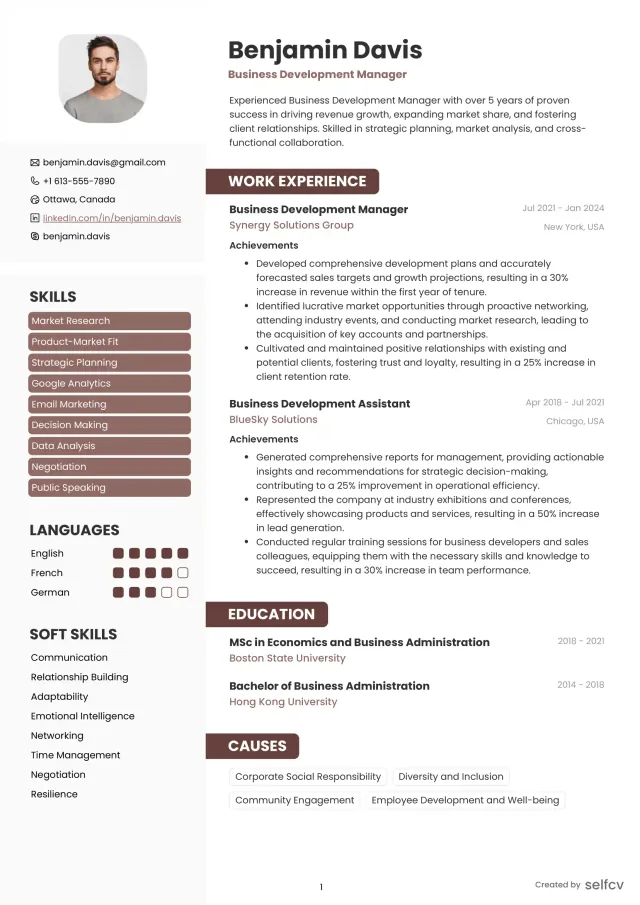
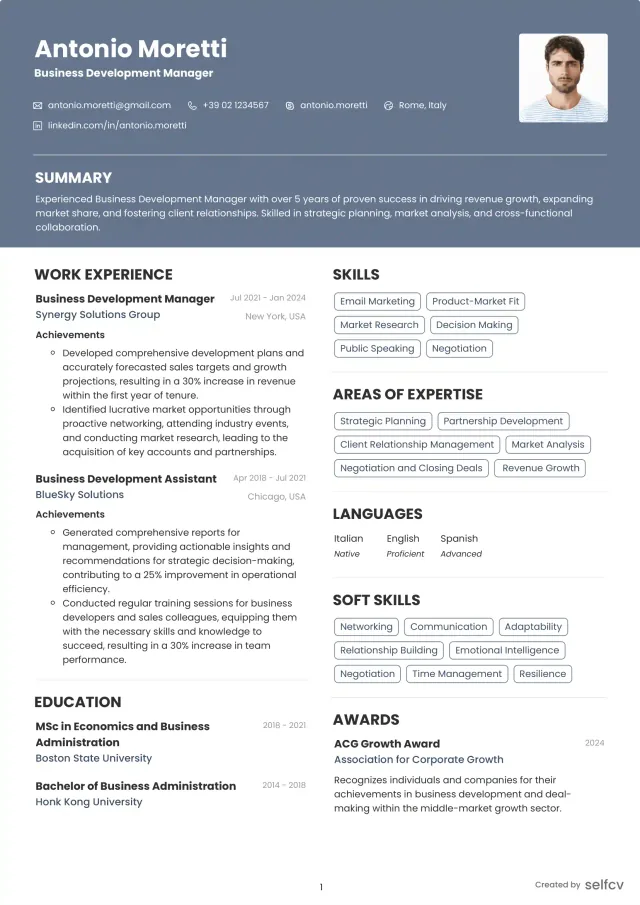
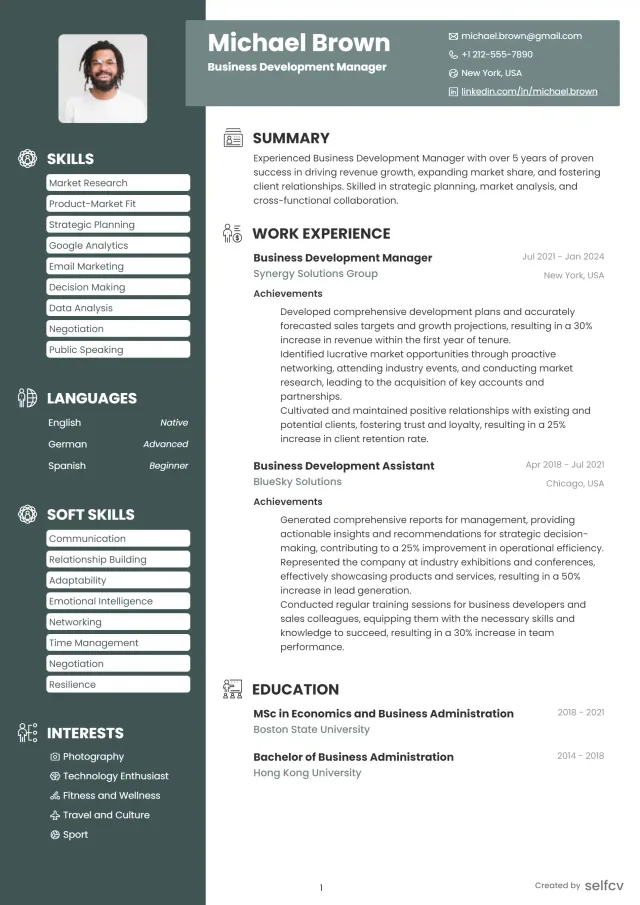
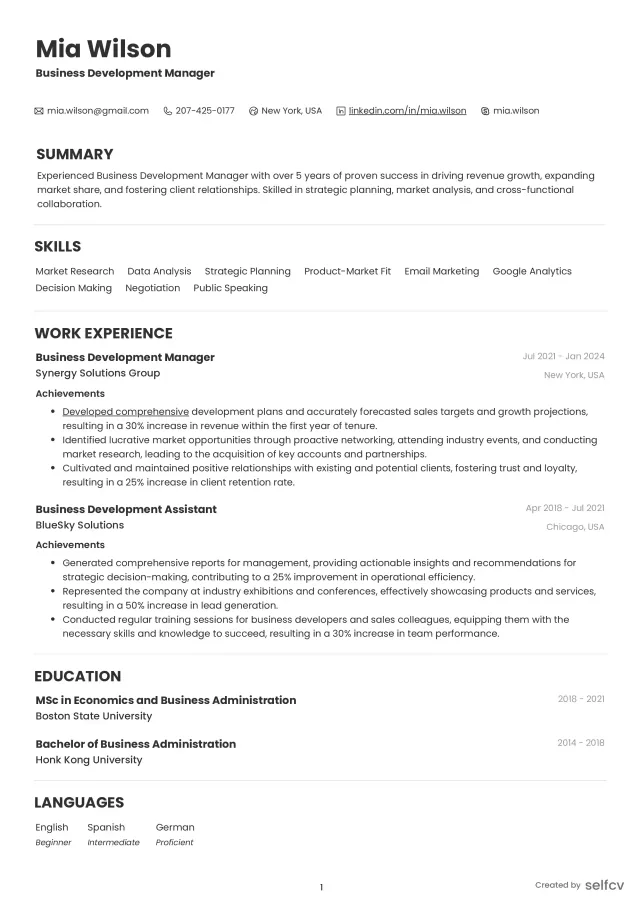
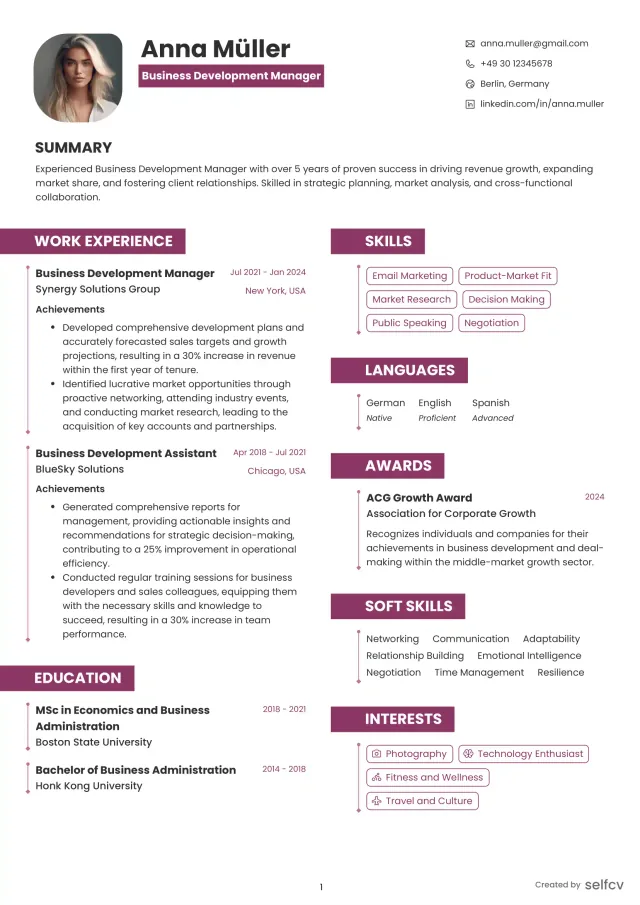
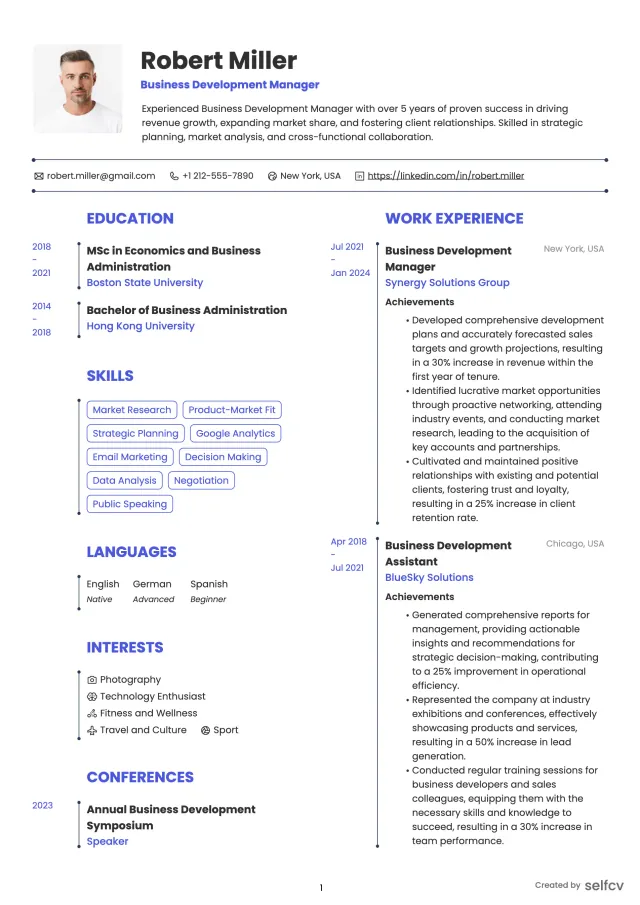
Find the template that’s right for you
No need to build anything from scratch. Using our templates or upload feature, you’ll get started easily and have a powerful resume in a few clicks.
Skills and Project Deep Dives (IaC, CI/CD, Observability)
How to describe hands-on projects so they read well on resumes
- Infrastructure-as-code module example
- Describe scope: "Built Terraform modules for VPC, EKS, and shared IAM policies used by 12 teams."
- Add metric: "Reduced repro time for infra environments from 3 days to 2 hours via reusable modules."
- CI/CD platform example
- Describe pipeline scale and outcome: "Designed GitHub Actions monorepo workflows and deployment gating that supported 150 microservices and reduced failed deploy rollbacks by 40%."
- Observability example
- Describe SLOs and incident impact: "Implemented Prometheus-based SLOs, dashboards, and runbooks that lowered P1 incidents by 30% and improved MTTR by 45%."
- What to avoid
- Vague tool lists without outcome.
- One-off tasks without scale or ownership signal.
Achievement Library: Weak-to-Strong Examples
Example 1:
Weak:
- Improved deployment process.
Strong:
- Automated the deployment pipeline using GitHub Actions and ArgoCD to increase deployment frequency from 2/week to daily and reduce failed deploy rollbacks by 35%.
Why it works:
- Adds tools, baseline, improvement, and measurable outcome.
Example 2:
Weak:
- Worked on Kubernetes migration.
Strong:
- Led a phased migration of 40 services to Kubernetes, introducing Helm charts and readiness probes, which improved recovery time for container crashes from 7 minutes to 90 seconds.
Why it works:
- Shows scope, specific changes, and quantifiable reliability improvement.
Example 3:
Weak:
- Reduced cloud costs.
Strong:
- Implemented cost-aware autoscaling and instance rightsizing that cut monthly AWS spend by 22% and saved the company $120k in the first year.
Why it works:
- Mentions mechanism, percentage, dollar value, and timeframe.
Check Your Resume with ATS
Make sure your resume passes Applicant Tracking Systems before recruiters see it.
- 📄 Upload your resume and get instant ATS feedback
- 🎯 Improve keyword matching for your target job
- ⚡ Boost your chances of getting shortlisted
Complete Fictional Resume Example
The candidate, companies, and career history shown are fictional examples created for illustration and any resemblance to a real person or organization is coincidental.
Asha Raman
Target Position
Senior DevOps Engineer / Platform Engineer
Location
London, UK (open to remote, global teams)
Professional Summary
- Senior DevOps engineer with 8 years delivering resilient cloud platforms for SaaS and fintech clients.
- Architected multi-region Kubernetes platforms, led IaC standardization with Terraform, and ran incident response that improved availability from 99.85% to 99.97%.
- Comfortable with cross-functional leadership, platform productization, and cost-to-reliability tradeoffs.
Grouped Skills
- Cloud: AWS (EKS, RDS, S3), GCP basics
- Orchestration: Kubernetes, Helm, Kustomize
- IaC: Terraform modules, Terragrunt, CloudFormation
- CI/CD: GitHub Actions, ArgoCD, Jenkins
- Observability: Prometheus, Grafana, ELK, Datadog
- Languages: Python, Bash, Go (basic)
- Security and compliance: Vault, IAM, TLS
Professional Experience:
Platform Lead, Nimbus SaaS, London, UK
- 2022-2026
- Designed and maintained a multi-region EKS platform supporting 60 microservices and 1.2M daily active users.
- Developed Terraform module library and Terragrunt layouts used by 10 engineering teams, reducing staging setup time from 3 days to 2 hours.
- Introduced GitOps with ArgoCD and branch-based promotion, increasing deployment frequency from 2/week to daily and lowering failed rollbacks by 40%.
- Implemented SLOs and automated alerting; decreased P1 incident MTTR from 4 hours to 90 minutes.
- Led cost optimization, implementing spot instance policies and rightsizing that saved $120k annually.
DevOps Engineer, FinLedger Ltd., Remote
- 2019-2022
- Migrated 25 legacy services to Kubernetes, created Helm charts and health checks to reduce container crash recovery time from 7 minutes to 90 seconds.
- Built CI pipelines in GitHub Actions with secure secret handling and ephemeral runners to meet audit requirements.
- Collaborated with security and compliance to produce Terraform change audit logs for SOC 2 readiness.
Site Reliability Engineer (Junior), DataPlay Games, Remote
- 2017-2019
- Automated deployment slots and implemented autoscaling for multiplayer matchmakers, handling 3x daily concurrent peaks without service degradation.
- Produced runbooks and runbook drills that reduced on-call escalations by 25%.
Education / Training
- BSc Computer Science, University of Manchester
- Continuous training: cloud provider cert courses and internal leadership coaching
Certifications:
- Certified Kubernetes Administrator (CKA)
- HashiCorp Certified: Terraform Associate
- AWS Certified Solutions Architect - Associate (optional but realistic)
Portfolio & Project Gallery
Three role-specific case studies to link from a resume
- Case study 1: Kubernetes migration
- Brief: Migration of 40 services to EKS with Helm charts and GitOps
- Artifacts to include: repo with Helm charts, migration runbook, postmortem showing MTTR improvement
- Case study 2: IaC module library
- Brief: Terraform modules for networking, EKS, and shared IAM
- Artifacts to include: module README, usage examples, automated tests
- Case study 3: CI/CD and observability
- Brief: GitHub Actions workflows + Prometheus SLO dashboards
- Artifacts to include: example workflow, Grafana dashboard JSON, incident analysis showing reduced P1s
Portfolio tips
- Host repos with READMEs and small reproducible examples.
- Include architecture diagrams and metrics dashboards as images in a portfolio site.
- Link to short technical walkthrough videos if possible.
One-Week Resume Rewrite Plan and 30/60/90 Checklist
One-week rewrite plan (priority actions)
Day 1
- Extract top 3 achievements with numbers and tools.
- Replace vague bullets with achievement-first statements.
Day 2
- Add target-role summary and grouped skills section.
- Insert ATS keywords naturally in summary and skills.
Day 3
- Rework top two experience bullets per role to show scope, action, and result.
Day 4
- Create a Projects/Portfolio section with 2-3 artifacts and short descriptions.
Day 5
- Generate plain-text version and run through ATS checker.
Day 6
- Peer review and iterate on clarity and metrics.
Day 7
- Final proof, export PDF, and tailor one-liner for three target job descriptions.
30/60/90 resume tasks
- 30 days: Apply edits across all roles, add measurable outcomes, and publish portfolio links.
- 60 days: Run targeted applications and refine bullets per job family (platform, SRE, cloud infra).
- 90 days: Solicit recruiter feedback, adjust keywords, and prepare interview stories tied to resume bullets.
Interview Prep, Common Red Flags, and Recruiter Signals
Interview prep aligned to resume claims
- Prepare incident timelines for each reliability bullet: situation, action, impact.
- Be ready to explain tradeoffs in architecture choices, cost vs. reliability, and why tools were chosen.
- Bring code or IaC snippets to review, and link to clean, small examples in your portfolio.
Common red flags recruiters see
- Vague achievements without metrics or scope.
- Long tool lists with no demonstration of depth.
- Gaps between claimed ownership and collaborative context.
- Resumes that list obsolete tools or credentials without recent practice.
Signals that get attention
- Clear ownership language: "owned", "led", "designed", "authored".
- Metrics: percentages, counts, and dollar impacts.
- Links to repos or screenshots of dashboards and architecture diagrams.
Career-Level Resume Summaries and Objectives
Entry-level (0-2 years) resume objective
- "Junior DevOps engineer with internship experience in containerization and CI pipelines. Built Docker-based dev environments and contributed to a CI workflow that reduced build time by 30%. Seeking a junior platform role to expand IaC and Kubernetes skills."
Mid-level (3-6 years) summary
- "DevOps engineer with 4 years building CI/CD platforms and Terraform modules for SaaS teams. Improved deployment frequency to daily and reduced MTTR by 50%. Skilled in Kubernetes, GitOps, and observability. Looking to own platform components at scale."
Senior (7+ years) summary
- "Senior platform engineer with 9 years designing multi-region Kubernetes platforms, leading platform teams, and driving SLO adoption. Delivered 99.97% availability improvements and $120k annual cost savings through rightsizing and automation."
Career changer (developer to DevOps) objective
- "Backend developer transitioning to DevOps with 3 years of production services experience and a focus on automation. Built build-and-deploy scripts, contributed to Dockerfiles, and completed a Terraform project automating dev environments. Seeking a DevOps role to apply coding background to platform automation."
Achievement Bullet Writing Rules and Examples
Practical rules to write high-impact bullets
- Start with the action and your role: "Led", "Designed", "Automated".
- Include scope: number of services, teams, users, or nodes.
- State the tool or method used.
- Add measurable outcome and timeframe.
Good bullet template
- Action + scope + tool + measurable improvement + timeframe
Examples
- "Led migration of 40 services to Kubernetes using Helm and ArgoCD, improving recovery time from 7 minutes to 90 seconds over 6 months."
- "Built Terraform module library adopted by 10 teams that reduced environment provisioning time from 72 hours to 2 hours."
FAQs (real search intents from DevOps candidates)
Q: What should a DevOps engineer include on a resume in 2026?
- Include measurable outcomes, specific tool names, scope (services/users), SLO/SLA work, and links to project artifacts or code samples.
Q: How do I optimize a DevOps resume for ATS and recruiters?
- Use clear headings, list tools and cloud providers by name, include keywords from the job post, and provide both PDF and plain-text versions.
Q: What are high-impact bullet points for a Kubernetes migration project?
- Call out number of services, automation steps (Helm, operators), testing strategy, and results such as MTTR, deployment frequency, or rollback reduction.
Q: How to present infrastructure-as-code experience on a resume?
- Show modules you authored, the teams that consumed them, the reduction in environment setup time, and tests or CI used to validate plans.
Q: Which keywords do recruiters search for when hiring DevOps engineers?
- Common searches include Kubernetes, Terraform, CI/CD, GitOps, SRE, cloud provider names, Prometheus, and deployment frequency metrics.
Q: How to show measurable outcomes (MTTR, deployment frequency) on a resume?
- Use baseline and result format: "Reduced MTTR from X to Y" or "Increased deployment frequency from A/week to B/day" with timeframe.
Related Careers and Role Crossovers
Professions that overlap or are natural moves
- Site Reliability Engineer (SRE)
- Cloud Engineer
- Platform Engineer
- Platform Reliability Engineer
- CI/CD Engineer
- Observability Engineer
How to show crossover on your resume
- Emphasize SLO work and incident ownership for SRE roles.
- Highlight cloud architecture and cost management for Cloud Engineer roles.
- Show productization and team-facing platform features for Platform Engineer roles.
Conclusion, Practical Checklist, and Next Action
DevOps-specific closing and actionable next steps
Short conclusion
- A strong 2026 DevOps resume ties tools to outcomes, quantifies scale and impact, and links to small reproducible artifacts. Clarity on ownership and measurable reliability or cost results separates generic lists of tools from hireable candidates.
Practical checklist (prioritized)
- Top 3 achievements with metrics and tools.
- One clear summary tailored to the role you want.
- Grouped skills section with tool names for ATS.
- 2-3 portfolio artifacts (repo, diagram, dashboard).
- Plain-text resume that passes an ATS checker.
Next action for the reader
- Pick one recent role and rewrite its top three bullets using the action-scope-tool-result template, then run the resume through an ATS tester and iterate.
Why job seekers choose selfcv
Thousands of professionals use selfcv to build modern, ATS-friendly resumes, customize templates, and apply for jobs with confidence.
Thanks to SelfCV, I now have a professional and polished resume that I'm confident in sending to potential employers. I will definitely be recommending your service to other job seekers. Keep up the great work!
SelfCV offers an intuitive interface that makes creating a professional CV straightforward. Whether you're a student, a fresh graduate, or an experienced professional, the step-by-step process ensures that users of all levels can craft an impressive CV.
Easy to use resume builder. They have very intuitive ui for customizing and keeping multiple versions of resume.
The right tool for creating CVs. As a student I was looking for a tool that could help me quickly create a CV for internship applications. This was just the right tool. I am very satisfied!
This is one of the best tools I’ve ever used - I was able to build my CV in seconds with high quality template. Highly recommended!
Amazing app with easy user experience. Loved it. Its intuitive and easy to navigate, designs are very nice.
