
Editor Resume Guide 2026: Style Guides, Metrics, and ATS Keywords
Written by Argishti Yeghiazaryan
Many editor resumes still read like duty lists. They blur copy vs developmental work, omit style guides, show no measurable impact, and skip a curated clips portfolio. This guide gives you editor-specific tactics and examples so hiring teams can see your accuracy, judgment, and editorial leadership at a glance.
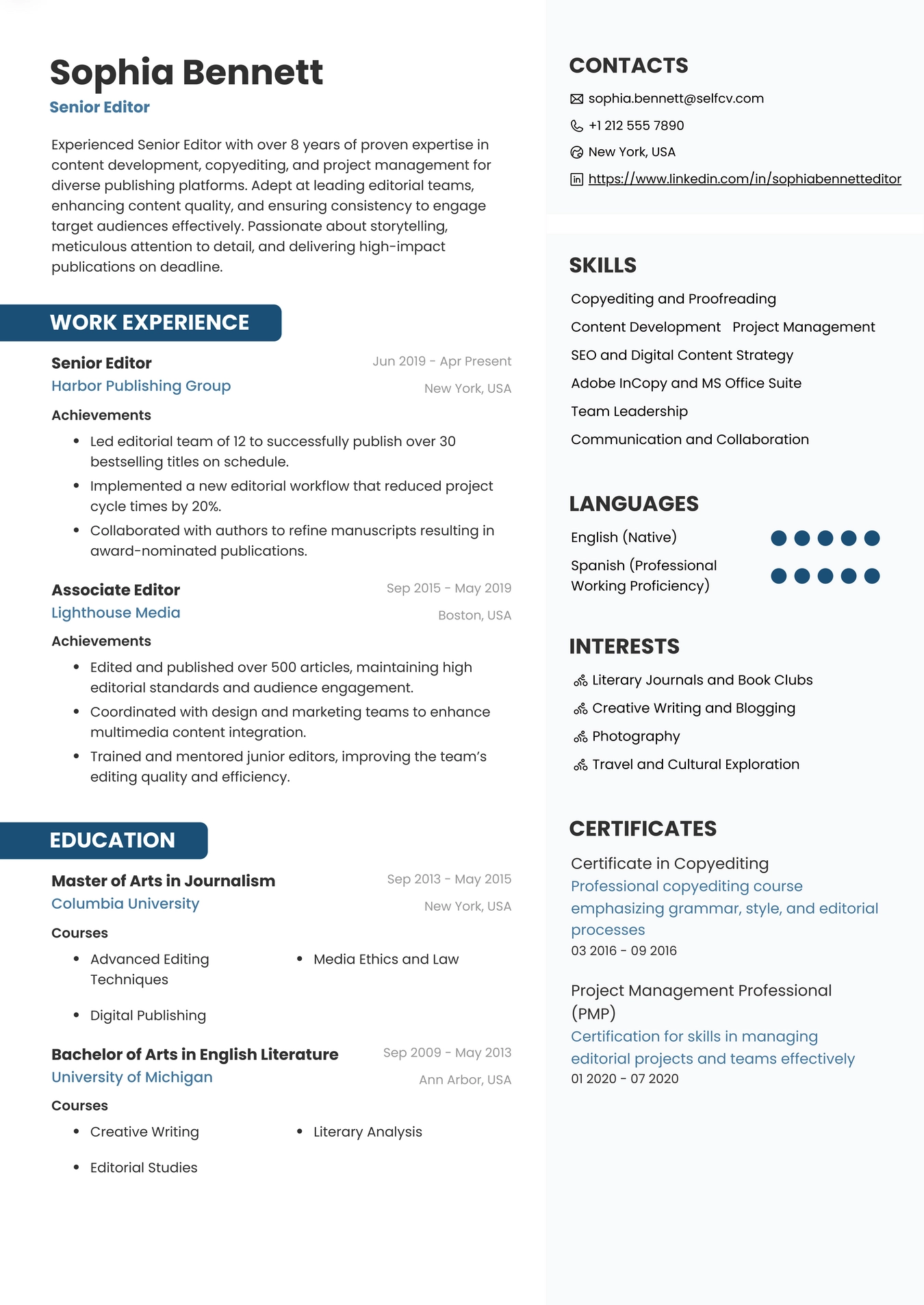
Why editor resumes get skipped
Common issues that stall qualified editors:
- No proof of quality gains, only tasks
- Missing style guide names or house style roles
- Vague volume and timelines
- No portfolio links or clip curation
- Overlap of copy editing, proofreading, and developmental editing with no clarity
- Tools omitted for CMS, workflow, and fact-checking
- Achievements limited to grammar fixes, not issue closure, throughput, or reader outcomes
The first 6 things hiring teams judge at a glance
1) Style authority
- Name primary style guides up front. Examples: AP, Chicago, AMA, APA, MHRA, house style creation.
2) Accuracy and ethics
- Flags: fact-checking workflow, use of iThenticate or Turnitin, citation management, plagiarism prevention, conflict checks.
3) Scope and volume
- Throughput in pages, articles, manuscripts, or issues per cycle. Web editors can add monthly content shipped.
4) Timelines and reliability
- On-time issue closure, SLA adherence, average turnaround time, rush approvals.
5) Collaboration
- Work with writers, designers, SEO, product, legal, and subject-matter experts. Include stakeholder outcomes or cycle reductions.
6) Domain expertise
- Specialize if relevant: news, magazine, trade, STM, medical communications, technical documentation, brand content, government guidance.
Resume Example for Editor
Resume blueprint for 2026
Format
- Reverse chronological with a concise summary
- 1 page for early career, 2 pages for most mid-senior editors, 2-3 pages for STM or academic editors with selected publications
- PDF export is fine when not specified, but keep a clean DOCX version for ATS
Sections and order
- Header with portfolio link
- Summary naming style guides, domains, and 2-3 signature metrics
- Skills grouped by style guides, editorial work types, tools, and domains
- Experience with measurable achievements
- Education and training
- Certifications and memberships (optional but helpful)
- Selected clips or publications
By level
- Editorial Assistant or Entry-Level: emphasize internships, student media, proofreading, research, and clips. Use an objective if changing fields.
- Copy or Content Editor: highlight throughput, style adherence, error rate reduction, and SEO readability.
- Associate or Section Editor: demonstrate ownership of beats, packages, or sections with deadlines and KPIs.
- Managing or Executive Editor: show team leadership, editorial calendars, workflow design, budget, vendor management, and on-time issue rates.
- Specialized Editor (Technical, Medical, Academic): include journal systems, compliance, peer review coordination, AMA or APA rigor, and reference tools.
- Freelance: list representative clients, scopes, project durations, and consolidated metrics.
File naming
- FirstLast_Editor_Resume_2026.pdf
- FirstLast_Editor_Portfolio_5clips_2026.pdf
ATS keyword map by specialization
Use a focused cluster based on the role. Mix role terms, style guides, tools, and deliverables. Keep natural usage in bullets.
Copy or Content Editor
- Keywords: copy editing, proofreading, AP Style, Chicago Manual of Style, style guide compliance, CMS, WordPress, InCopy, SEO, readability, fact-checking, captions, headlines, metadata, accessibility
Developmental or Book Editor
- Keywords: developmental editing, structural editing, manuscript evaluation, acquisitions support, editorial letter, line editing, author coaching, book proposals, copyfit, production handoff, Chicago, house style
Technical Editor
- Keywords: technical editing, DITA, XML, Oxygen, MadCap Flare, version control, Git, SME reviews, change logs, release notes, API docs, hardware manuals, IEEE, ISO
Medical Editor or MedComms
- Keywords: AMA style, GPP, ICMJE, reference accuracy, PubMed, EndNote, Mendeley, iThenticate, plain language, patient materials, regulatory submissions, HEOR, slide decks, visual abstracts
Journal or Academic Editor
- Keywords: peer review, ScholarOne, Editorial Manager, desk reject, plagiarism screening, conflict of interest, APA, AMA, MLA, copyediting, proofs, corrections, ORCID, metadata
News or Magazine Editor
- Keywords: newsroom, subediting, AP Style, breaking news, slot editor, headline testing, A/B, style deck, legal review, libel checks, sensitivity reads, photo rights
Brand or Digital Content Editor
- Keywords: content governance, editorial calendar, brand voice, SEO briefs, UX writing, accessibility WCAG 2.2, analytics, GA4, Ahrefs, SEMrush, localization, inclusive language
Universal anchors
- Keywords: editorial workflow, quality control, style guide, fact-check, CMS, on-time publication, throughput, author satisfaction, copy deck, briefs, metadata
Tools, systems, and style guides to list clearly
Style guides
- AP Stylebook, Chicago Manual of Style, AMA Manual of Style, APA, MLA, MHRA, house style creation and maintenance
Editorial tools
- Microsoft Word Track Changes, Google Docs Suggesting, Adobe InCopy, PerfectIt, Grammarly, Hemingway, Trinka
Research and references
- Zotero, EndNote, Mendeley, PubMed, Crossref
Plagiarism and ethics
- iThenticate, Turnitin, Copyscape, COPE guidelines
CMS and platforms
- WordPress, Drupal, Contentful, Adobe Experience Manager, Squarespace
Workflow and collaboration
- Airtable, Asana, Trello, Jira, Slack, Confluence, SharePoint
Technical documentation
- Oxygen XML, DITA, MadCap Flare, Git, GitHub, GitLab
Analytics and SEO
- GA4, Search Console, Ahrefs, SEMrush, Screaming Frog
Accessibility and readability
- WCAG 2.2 alignment, plain language, alt text, Flesch Reading Ease
Publishing and journal systems
- ScholarOne, Editorial Manager, Newscycle, Atex, K4 Publishing System
Metrics editors can show without revealing sensitive data
Quality and accuracy
- Post-publication correction rate change
- Error rate per 1,000 words or per issue
- Plagiarism flags prevented or resolved
Speed and reliability
- Average edit turnaround time
- On-time issue closure rate
- Time from acceptance to publish
Throughput and scale
- Articles or pages edited per month
- Manuscripts per cycle or issues per year
- Backlog reduction
Collaboration and author experience
- Revision cycles per manuscript
- Author satisfaction score or survey improvement
- SME sign-off time reduction
Impact and reach
- Readability score improvement
- SEO uplift: clicks, rankings, CTR from revised headlines
- Accessibility compliance rate
Compliance and risk
- Number of legal or policy escalations avoided
- COI and permissions processed accurately
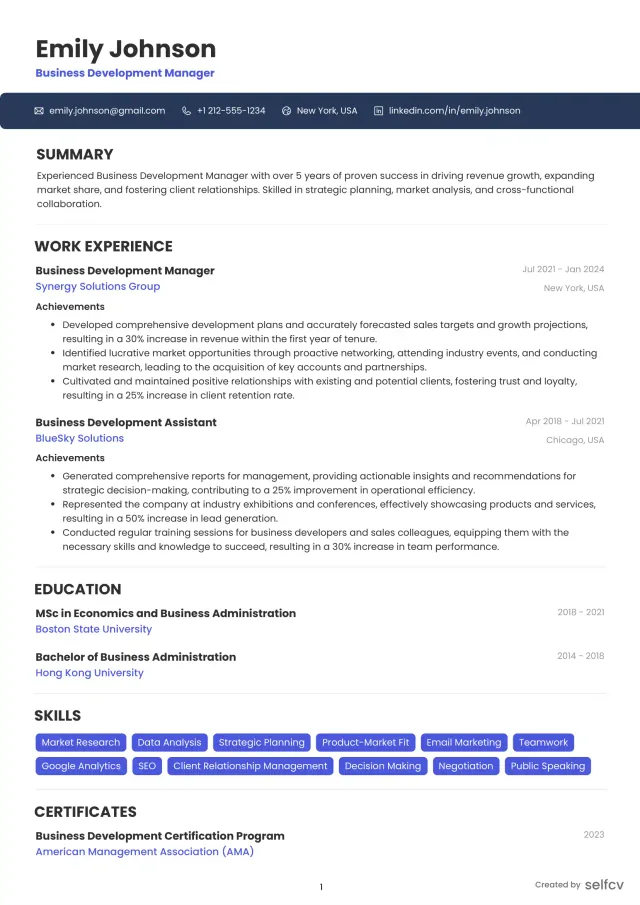
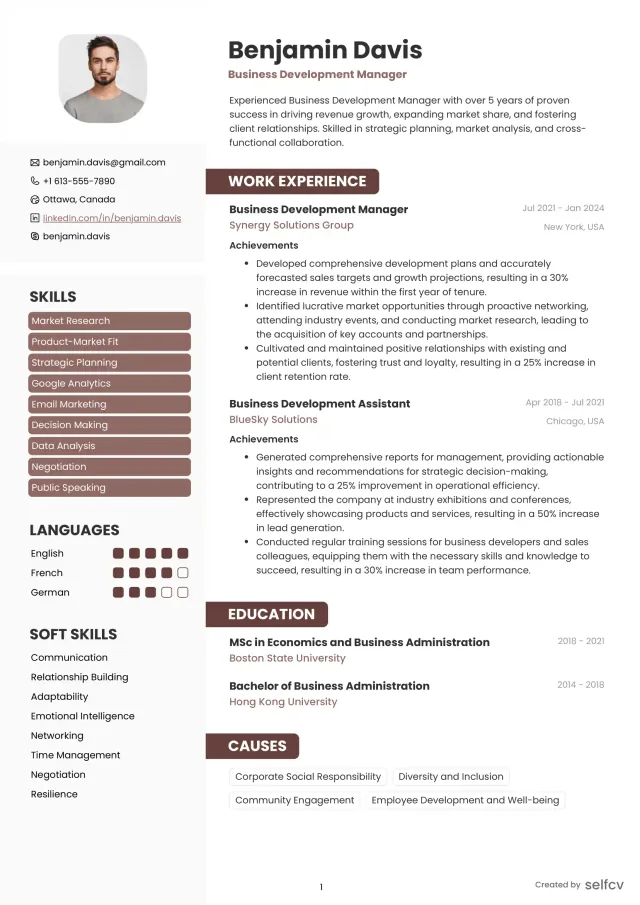
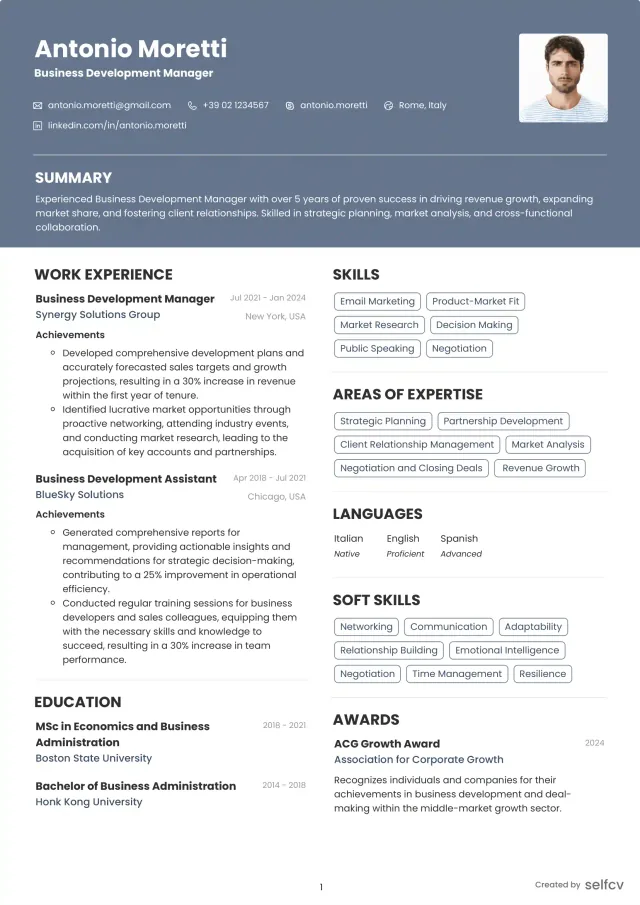
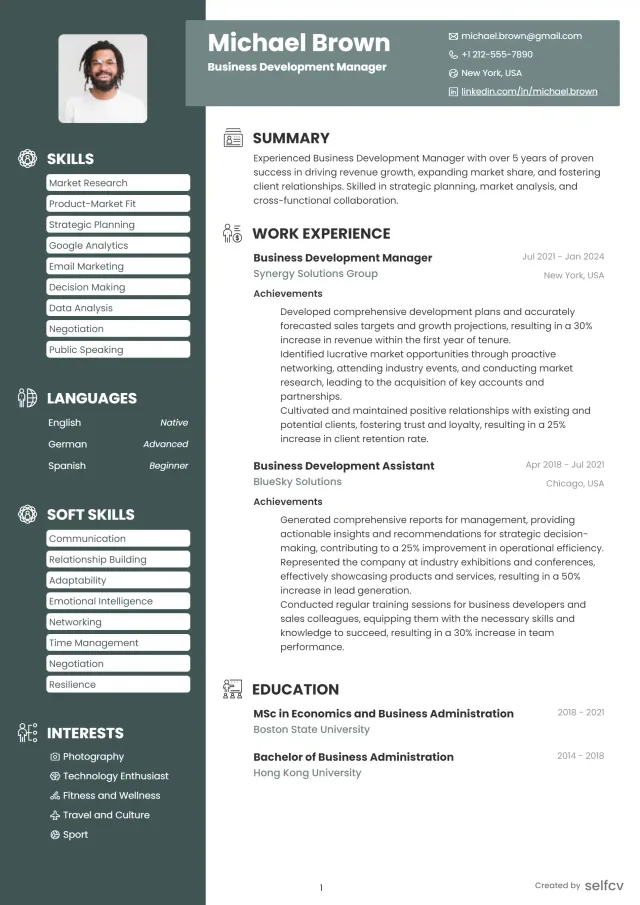
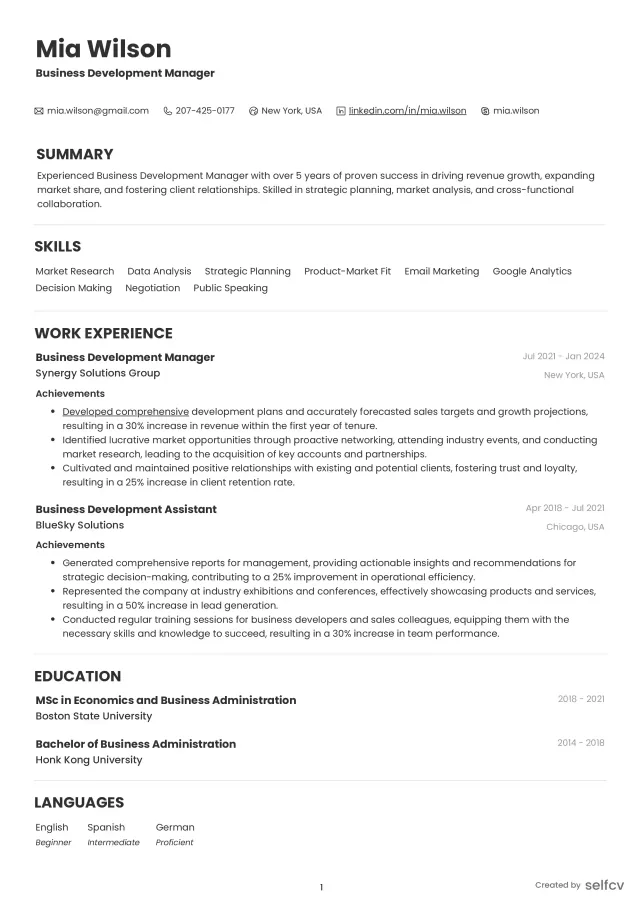
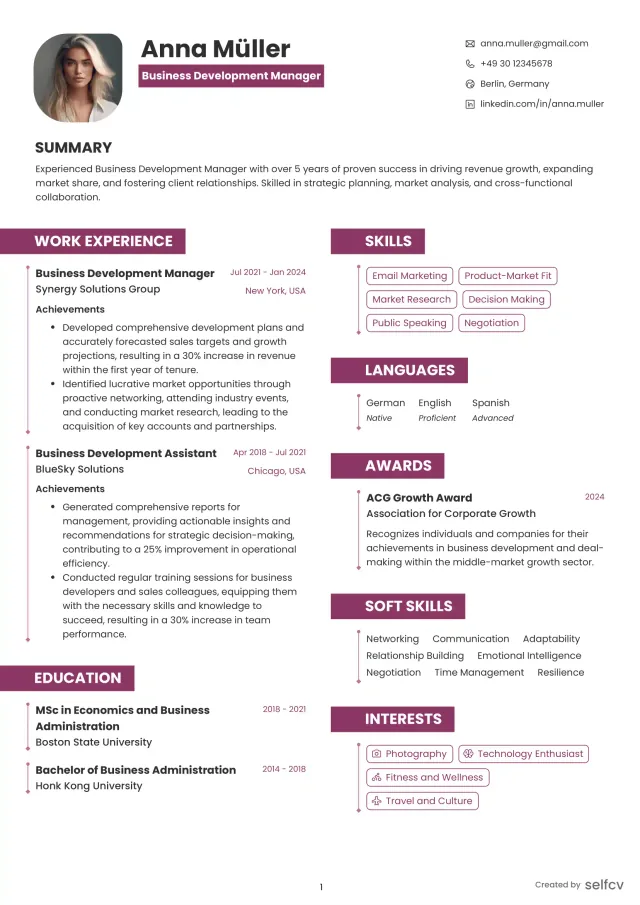
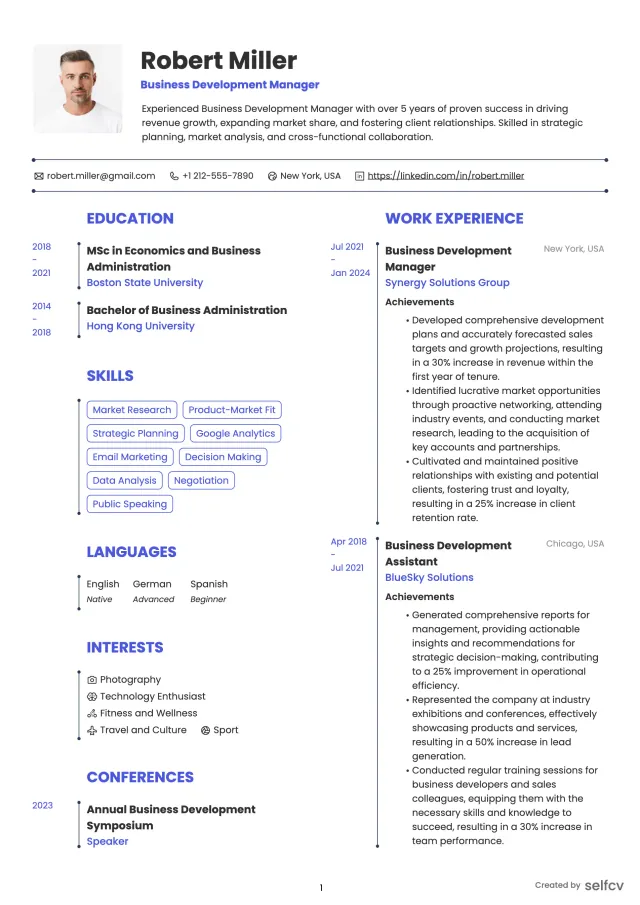
Find the template that’s right for you
No need to build anything from scratch. Using our templates or upload feature, you’ll get started easily and have a powerful resume in a few clicks.
Weak-to-strong achievement rewrites
Example 1:
Weak:
- Edited articles for grammar and punctuation.
Strong:
- Reduced post-publication corrections by 58% in 12 months by enforcing AP Style and a two-pass copy edit for 150+ web articles per month.
Why it works:
- Names a metric, a timeframe, a process, and scale.
Example 2:
Weak:
- Worked with authors on structure.
Strong:
- Cut average revision cycles from 3 to 1.8 per manuscript across a 22-title list by adding developmental edit memos and checklists aligned to Chicago style.
Why it works:
- Quantifies cycle reduction and ties to a repeatable method.
Example 3:
Weak:
- Managed deadlines for the magazine.
Strong:
- Increased on-time issue closure from 72% to 96% over 4 quarters by rebuilding the editorial calendar, adding SLAs, and training 7 editors in handoff protocols.
Why it works:
- Shows leadership, a baseline, a result, and team scope.
Example 4:
Weak:
- Optimized headlines for SEO.
Strong:
- Lifted organic CTR by 23% on 200 revised headlines using search intent mapping and A/B variants, while preserving AP Style and brand voice.
Why it works:
- Connects editorial judgment with measurable audience impact.
Summary examples by career level
Entry-level, Editorial Assistant
- Recent English graduate with newsroom internship, AP Style fluency, and 60+ clips edited for grammar, clarity, and captions. Improved turnaround time by 25% using checklists and PerfectIt. Seeking to support section editors with research and copy workflows.
Mid-level, Copy Editor
- Copy editor with 5 years across news and digital. AP and Chicago, CMS workflow, and accessibility checks. Cut correction rate 45% year over year on 1,800+ articles by adding fact-check steps and metadata reviews. Comfortable with GA4 and headline testing.
Senior, Managing Editor
- Managing editor leading teams of 6-12 across print and web. Built editorial calendars, SLAs, and vendor pools to take on-time issue closure to 95% and reduce revision cycles by 30%. Deep experience with brand governance, legal review, and cross-functional planning with design and product.
Career changer, Writer to Editor
- Feature writer transitioning to editing, bringing 300+ published pieces, strong source vetting, and AP Style mastery. As de facto section editor, trimmed draft-to-publish from 5 to 3 days and coached 12 freelancers on structure and headline clarity. Ready to own copy and line edits for a digital brand team.
Check Your Resume with ATS
Make sure your resume passes Applicant Tracking Systems before recruiters see it.
- 📄 Upload your resume and get instant ATS feedback
- 🎯 Improve keyword matching for your target job
- ⚡ Boost your chances of getting shortlisted
Complete editor resume example
The candidate, companies, and career history shown are fictional examples created for illustration and any resemblance to a real person or organization is coincidental.
Rina Kapoor
Target Position: Managing Editor, Digital Content
Location: London, UK
Professional Summary
Managing editor specializing in multi-channel content operations. AP and Chicago, accessibility checks, and CMS governance. Scaled output from 80 to 140 articles per month while raising on-time issue closure to 97% and cutting correction rate by 52%. Experienced with WordPress, Contentful, GA4, Ahrefs, Airtable, and InCopy. Known for calm deadline management and clear editorial playbooks.
Grouped Skills
- Style guides: AP, Chicago, house style creation
- Editorial: copy editing, line editing, developmental editing, fact-checking, headline and display copy, sensitivity reads
- Workflow: editorial calendars, SLAs, vendor management, handoff protocols, QA checklists
- Tools: WordPress, Contentful, InCopy, GA4, Ahrefs, PerfectIt, iThenticate, Airtable, Asana, Slack
- Compliance and accessibility: WCAG 2.2 checks, source permissions, image credits, libel awareness, COPE alignment
- Domains: technology, business, careers, nonprofit
Professional Experience
Managing Editor, Northbridge Media, London, UK
2023-2026
- Increased on-time issue closure from 74% to 97% by introducing a weekly content standup, Airtable pipelines, and sign-off SLAs with design and legal.
- Reduced post-publication corrections by 52% year over year by adding a two-tier copy edit and a metadata QA pass for 3 brands.
- Scaled monthly output from 80 to 140 articles without adding headcount by reworking briefs, templates, and headline testing guidelines.
- Lifted organic CTR by 18% across 300 updated headlines with search intent mapping and AP-consistent variants.
- Built a 20-freelancer pool, cutting average turnaround from 5 to 3 days while maintaining Chicago-compliant longform standards.
Senior Copy Editor, Vario Digital, Manchester, UK
2020-2023
- Edited 1,800+ articles annually to AP style with accessibility and alt text checks, contributing to a 41% drop in corrections.
- Introduced PerfectIt and a house style addendum, reducing edit time per piece by 12% while maintaining quality thresholds.
- Partnered with SEO to pilot an H1 and deck framework that raised average readability scores from 56 to 66.
- Coordinated sensitivity reads on 45 features covering workplace topics, preventing 6 potential escalations.
Copy Editor, Freelance
2017-2020
- Delivered copy and line edits for 30+ SMB clients across tech and careers, averaging 250 pieces per year with 98% on-time delivery.
- Standardized briefs and checklists that cut revision cycles from 2.9 to 1.6 per assignment.
Education and Training
- BA, English Literature, University of Leeds
- Poynter ACES Digital Editing Course
- House Style Development Workshop, CIEP
Certifications
- ACES Certificate in Editing
- Google Analytics 4 Certification
Industry tweaks and tailoring tips
Book and trade publishing
- Emphasize developmental editing, editorial letters, acquisitions support, author coaching, and Chicago. Metrics: revision cycles, copyfit accuracy, time from manuscript acceptance to handoff.
Newsroom
- Prioritize AP, speed, headline decks, slot editing, libel checks, and accuracy for breaking news. Metrics: on-time publication, correction rate, A/B headline lift, time to update.
Corporate and brand content
- Show brand voice governance, content calendars, cross-functional alignment with product and legal, and SEO-readability improvements. Metrics: CTR, dwell time, readability gains, accessibility checks completed.
Academic and STM
- List AMA or APA, journal systems, plagiarism checks, COI management, and reference accuracy. Metrics: time to decision, acceptance to publish, reviewer turnaround, retraction avoidance.
Nonprofit and government
- Highlight plain language, accessibility compliance, policy review, and stakeholder approvals. Metrics: reading level targets met, approvals per stage, adherence to publishing cadence.
Mini cases
- STM: Reduced desk rejections by clarifying aims and scope guidelines, leading to a 12% increase in suitable submissions.
- News: Introduced a corrections log and style deck, halving repeated errors in numbers and titles.
- Brand: Built an editorial calendar with launch gates, elevating on-time campaign assets from 68% to 94%.
Portfolio and clips that support your resume
What to include
- 5-8 curated clips that match the target role. Mix of copy edits, developmental projects, and content types if relevant.
- Brief context lines: your role, objective, main changes, and outcome.
How to label links
- Use specific titles like RinaKapoor_Portfolio_5Clips_2026 or RinaKapoor_Editing_Case_Summaries.
Mini case summary format
- Role: Copy editor, AP
- Scope: 45 articles, 700-1,200 words
- Action: Two-pass copy edit, metadata QA, accessibility checks
- Result: Corrections down 43%, CTR up 12%
Handling confidential or ghost-edited work
- Provide masked case summaries with metrics and process. Example: Edited executive op-eds for a Fortune 500 technology client, cutting revision cycles from 3 to 2 and achieving 100% on-time publication.
Freelance presentation
- Group similar clients, note representative volumes, and list consistent outcomes across the group.
Link placement
- In the header and again in a Selected Clips section at the end of the resume.
Collaboration, workflow, and leadership evidence
Collaboration to show
- Writers and freelancers: coaching, guidelines, and feedback loops
- Designers and multimedia: layout fit, cutlines, alt text, and art credits
- SEO, social, and analytics: headline testing, schema, share text
- Product and engineering: CMS requirements, content models, release notes
- Legal and compliance: review gates, claims support, permissions
- SMEs and reviewers: structured review rounds and sign-off SLAs
Leadership signals
- Team size and structure
- Vendor and budget oversight
- Editorial calendar ownership and launch gates
- Training and style deck creation
- Postmortems and continuous improvement cycles
Compliance, accessibility, and ethics
Key areas to reflect on your resume
- Plagiarism screening and COPE alignment
- Conflict-of-interest checks and author agreements
- Image rights, captions, and permissions logs
- Accessibility: WCAG 2.2 checks, alt text, color contrast, link text clarity
- Plain language editing for government or patient materials
- Medical and academic: AMA or APA references, clinical claims substantiation, GPP and ICMJE awareness
- Data privacy and sensitive content handling protocols
Red flags and quick fixes
Red flags
- Only task statements, no outcomes
- Missing style guides or style ambiguity
- Overly broad skills list with no depth
- Tools not listed or limited to Word and Google Docs
- No portfolio or clips
- Titles that do not match responsibilities
Quick fixes
- Add metrics from the last 12 months: correction rate, on-time, throughput, cycles
- Name primary style guides and any house style work
- Group skills by guide, tool, and domain
- Create a 5-8 clip portfolio with brief case notes
- Align your job titles with postings, adding clarifiers like Copy Editor or Developmental Editor in parentheses if needed
Answers to common editor resume questions
What do hiring teams look for first on an editor resume in 2026?
- Clear style guide alignment, measurable quality and timeliness results, scope of work, and a credible portfolio link. Senior roles must show workflow and team leadership.
How can I quantify editing impact beyond fixing grammar?
- Track correction rate, on-time publication, revision cycles, throughput, readability improvements, SEO CTR, accessibility compliance, and reviewer turnaround.
Which style guides should I name and where?
- Put AP, Chicago, AMA, APA, or others in both your summary and skills. Add house style creation if applicable, plus any domain-specific variants.
How do I tailor for publishing vs newsroom vs corporate content?
- Publishing: developmental depth and Chicago. Newsroom: AP and speed with accuracy and headline testing. Corporate: brand voice, governance, SEO, accessibility, and cross-functional approvals.
How many clips should I include and how do I curate them?
- 5-8 is enough. Prioritize work aligned to the target role, with short notes on your role and outcomes. Keep the rest in a private folder you can share on request.
What is the difference between copy editor and proofreader on a resume?
- Copy editor handles style, clarity, and factual checks before layout. Proofreader checks proofs for typos, layout issues, and final corrections after layout. State both only if you did both.
Role-specific achievement library prompts
Copy editor prompts
- What errors were most common and how much did you reduce them?
- How many pieces did you edit per week or month?
- Which headline tests drove the best CTR lift?
Developmental editor prompts
- How many revision cycles did you save on average?
- What structural frameworks or memos improved author drafts?
- How did you reduce time from acceptance to handoff?
Managing editor prompts
- What is your on-time issue closure rate now vs baseline?
- What workflows, SLAs, or calendars did you implement?
- How did you scale output without losing quality?
Technical or medical editor prompts
- Which standards or style manuals do you use and enforce?
- What is your reference accuracy rate?
- How did you reduce SME sign-off time or reviewer delays?
If you have mixed roles, clarify the split
Title hygiene
- Use a clear primary title followed by a clarifier in parentheses. Example: Editor (Copy and Developmental).
Bullet allocation
- 2-3 bullets per major responsibility cluster, each with a metric.
Timeline framing
- If your role evolved, use sub-bullets or internal promotions to show growth without changing the official title.
Keyword balance
- Mirror the target job ad. If applying to copy roles, front-load copy editing results and move developmental items lower.
Localization and inclusive language on resumes
International English
- State if you work in UK, US, or International English and your approach to house style differences.
Inclusive language
- Mention sensitivity reads and inclusive language reviews where relevant. Cite an outcome, such as reduced escalations or improved stakeholder reviews.
Accessibility
- Add WCAG 2.2 checks and plain language editing for public sector or patient-facing work.
Related roles you might also consider
- Content Strategist
- Technical Writer
- UX Writer
- Publications Manager
- Content Operations Manager
- Localization Editor
- Fact-Checker
- Proofreader
- Editorial Project Manager
- Communications Manager
Why job seekers choose selfcv
Thousands of professionals use selfcv to build modern, ATS-friendly resumes, customize templates, and apply for jobs with confidence.
Thanks to SelfCV, I now have a professional and polished resume that I'm confident in sending to potential employers. I will definitely be recommending your service to other job seekers. Keep up the great work!
SelfCV offers an intuitive interface that makes creating a professional CV straightforward. Whether you're a student, a fresh graduate, or an experienced professional, the step-by-step process ensures that users of all levels can craft an impressive CV.
Easy to use resume builder. They have very intuitive ui for customizing and keeping multiple versions of resume.
The right tool for creating CVs. As a student I was looking for a tool that could help me quickly create a CV for internship applications. This was just the right tool. I am very satisfied!
This is one of the best tools I’ve ever used - I was able to build my CV in seconds with high quality template. Highly recommended!
Amazing app with easy user experience. Loved it. Its intuitive and easy to navigate, designs are very nice.
