
Engineering Manager Resume Guide (2026): Show Leadership, Delivery & Technical Ownership
Written by Armen Mkhitaryan
This guide focuses on what hiring teams look for in 2026: measurable team outcomes, hiring impact, technical ownership, and clear context for scope and stack.
Quick hiring-manager checklist: must-have resume signals
Use these items to get past the first screen and prompt an interview.
- Role context: title, team size, reporting line, product or service scope
- Top 3 achievements with numbers (hiring, uptime, delivery, cost, promotions)
- Tech stack and systems you still own or led
- Evidence of people management: hiring volume, retention, promotion rate
- Deliverables: launched features, migrations, postmortems, runbooks
- Links: architecture docs, postmortems, public talks or code samples
- One-sentence professional summary tying leadership to technical scope
How hiring teams evaluate engineering manager resumes
Hiring teams scan for three things: impact, scope, and trust.
- Impact means measurable improvements to delivery, reliability, cost, or hiring.
- Scope means team size, product surface, and reporting relationships.
- Trust signals are consistent ownership words, postmortem or architecture artifacts, and mentorship outcomes.
Common screening pattern:
- ATS looks for keywords in the header and skills section.
- Recruiter scans for 2-3 quantitative achievements in the top third of the resume.
- Hiring manager checks the deepest technical or scaling wins to verify credibility.
Practical note: if you led a small team, show breadth (product, infra, QA); if you led a large org, show org design and scaling outcomes.
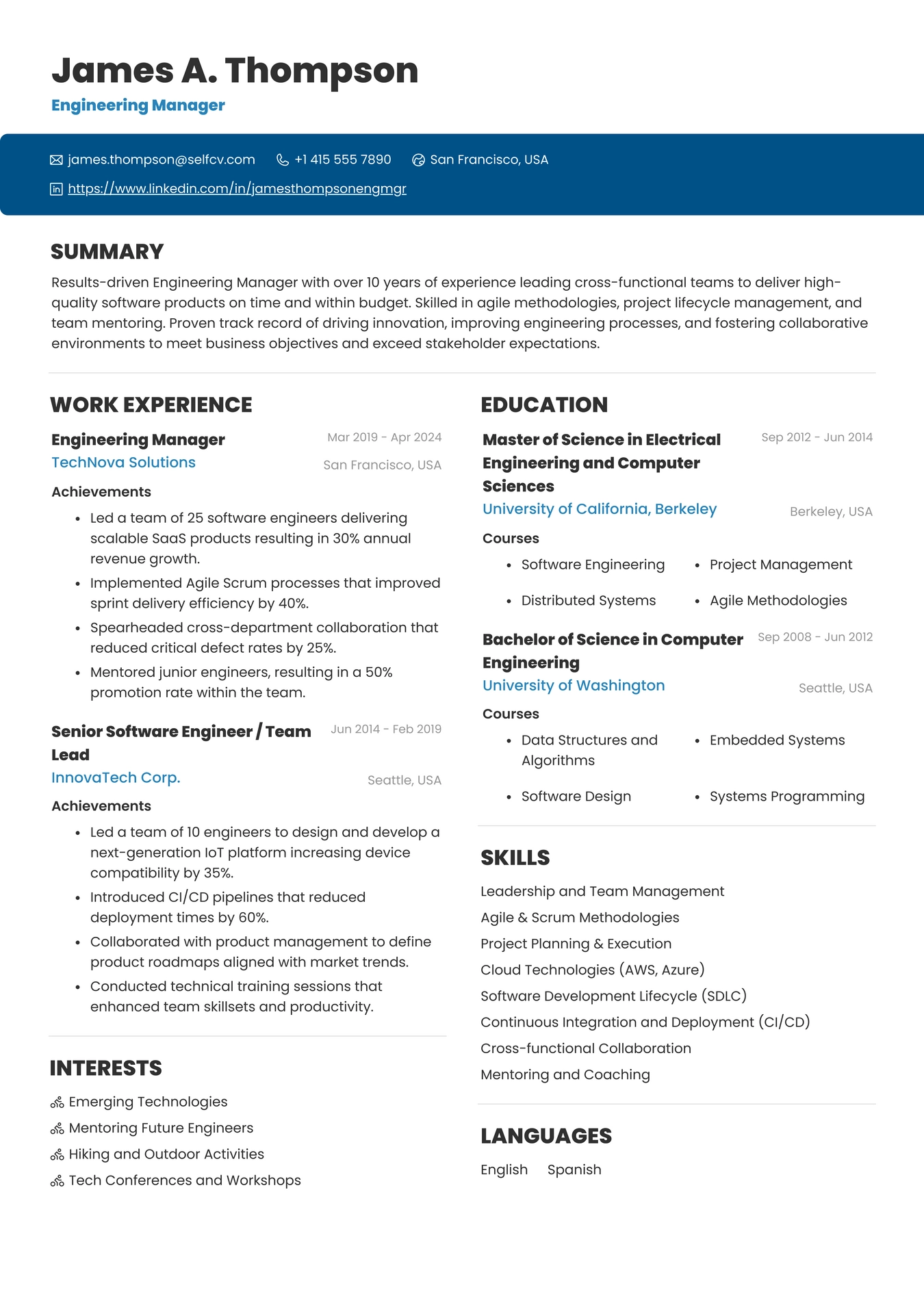
Resume Example for Engineering Manager
Resume structure and where to put your strongest evidence
Order your one-page or two-page resume for maximum signal.
- Header: name, target title, location, contact, links
- Professional summary: 2-3 lines tying leadership + technical domain
- Selected achievements: 3-5 bullets with metrics (top third of page)
- Experience: role context lines followed by 3-5 bullets per role
- Skills and tools: grouped by category (people, delivery, infra, languages)
- Education and certifications: concise
- Portfolio links: postmortems, architecture docs, talks
Formatting tips:
- Keep bullet structure consistent: problem, action, result.
- Use numbers and baselines (baseline -> result) when possible.
- If applying via ATS, include exact role keywords from the job posting in natural sentences.
ATS keywords and where to place them
Keywords to include naturally across summary, achievements, and skills.
- engineering manager
- software engineering manager
- senior engineering manager
- team lead
- hiring, recruitment, interviews
- roadmap, architecture, system design
- CI/CD, Kubernetes, Terraform, AWS, GCP, Azure
- observability, Prometheus, Grafana
- uptime, MTTR, mean time to recovery
- deployment frequency, release cadence
- incident response, postmortem
Placement guidance:
- Summary: 1-2 keywords tied to scope.
- Selected achievements: use keywords where they describe the outcome.
- Skills block: list tools and domain keywords verbatim for ATS matching.
Translate individual contributor achievements into manager-level bullets
Common problem: IC bullets list technical work with no team impact. Convert by adding context and outcomes.
Pattern: baseline problem, managerial action, team or org result.
Before and after examples inline:
- Before (IC): Implemented caching layer that reduced latency by 40%.
- After (Manager): Prioritized and led cross-functional rollout of a caching strategy that reduced API latency 40% and increased customer throughput by 25% while coordinating QA and product releases.
- Before (IC): Wrote CI scripts to speed up tests.
- After (Manager): Rolled out CI improvements across three teams, reducing pipeline time 50% and enabling weekly releases.
Practical edits:
- Replace "built" with "led the rollout of" when you influenced adoption.
- Add how many engineers were involved, which stakeholders you aligned, and the measurable result.
Achievement examples: weak-to-strong conversions
Example 1:
Weak: Reduced downtime for service X.
Strong: Cut service X downtime from 8 hours/month to 30 minutes/month by leading a reliability program, introducing SLOs, and implementing automated failover.
Why it works: Adds baseline, concrete result, method, and leadership actions.
Example 2:
Weak: Hired engineers for the platform team.
Strong: Scaled platform team from 4 to 12 engineers in 9 months by redesigning the interview funnel, improving time-to-hire from 60 to 28 days, and increasing offer acceptance to 78%.
Why it works: Provides hiring volume, timeline, and process changes with metrics.
Example 3:
Weak: Improved developer productivity.
Strong: Increased delivery throughput 35% by standardizing CI pipelines, merging trunk-based workflows, and running a two-week training program for 24 engineers.
Why it works: Quantifies improvement and lists concrete interventions plus scope.
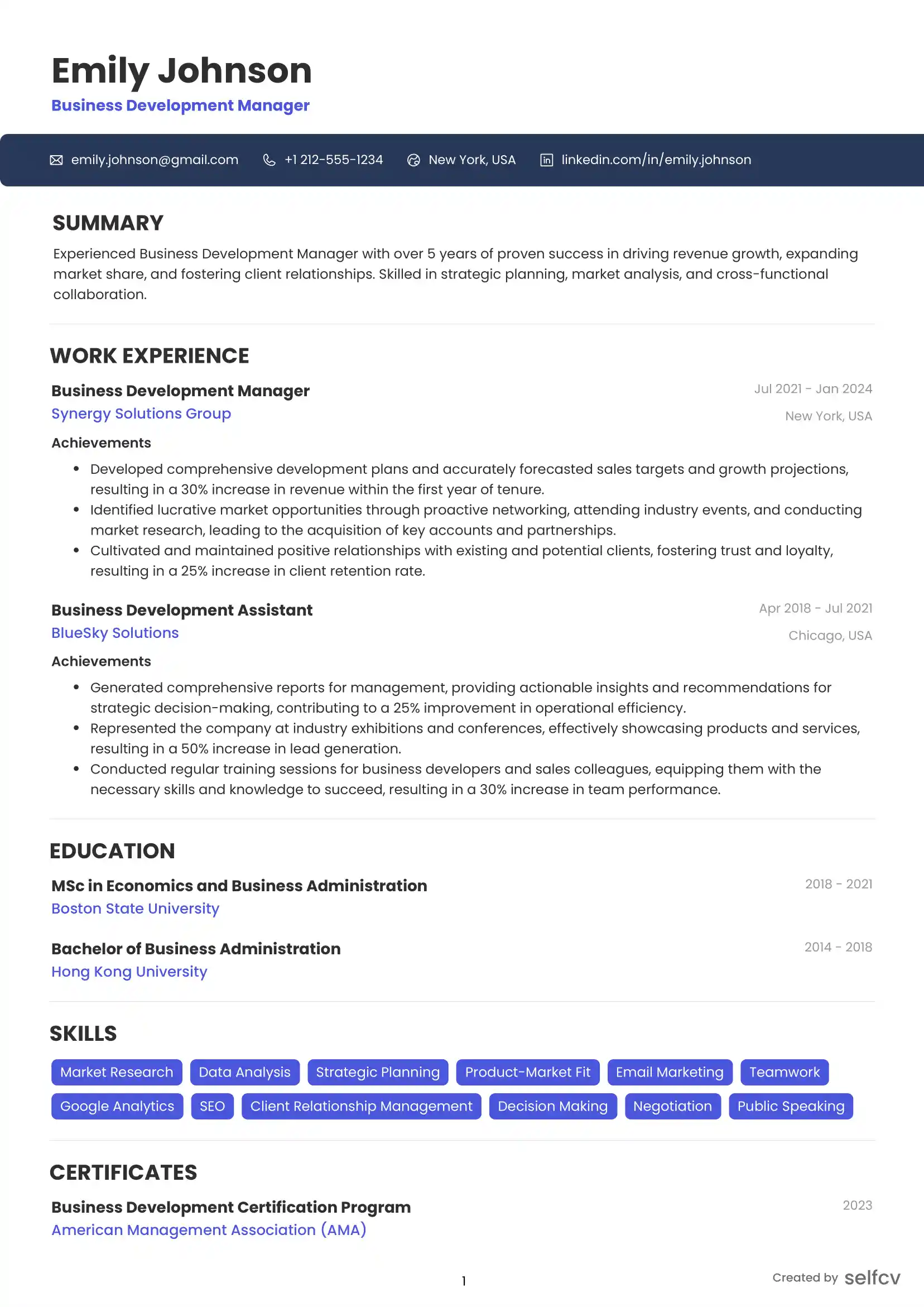
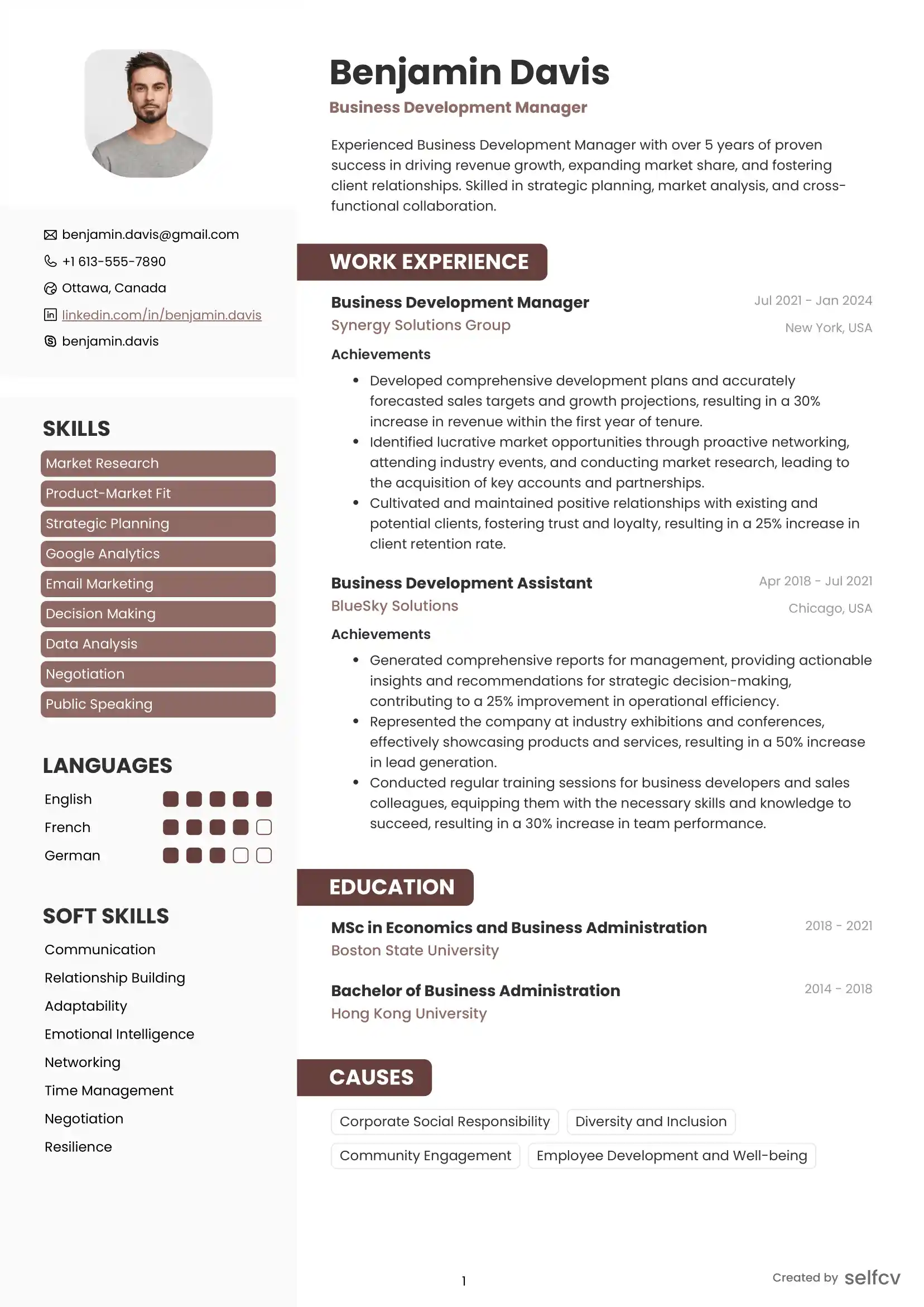
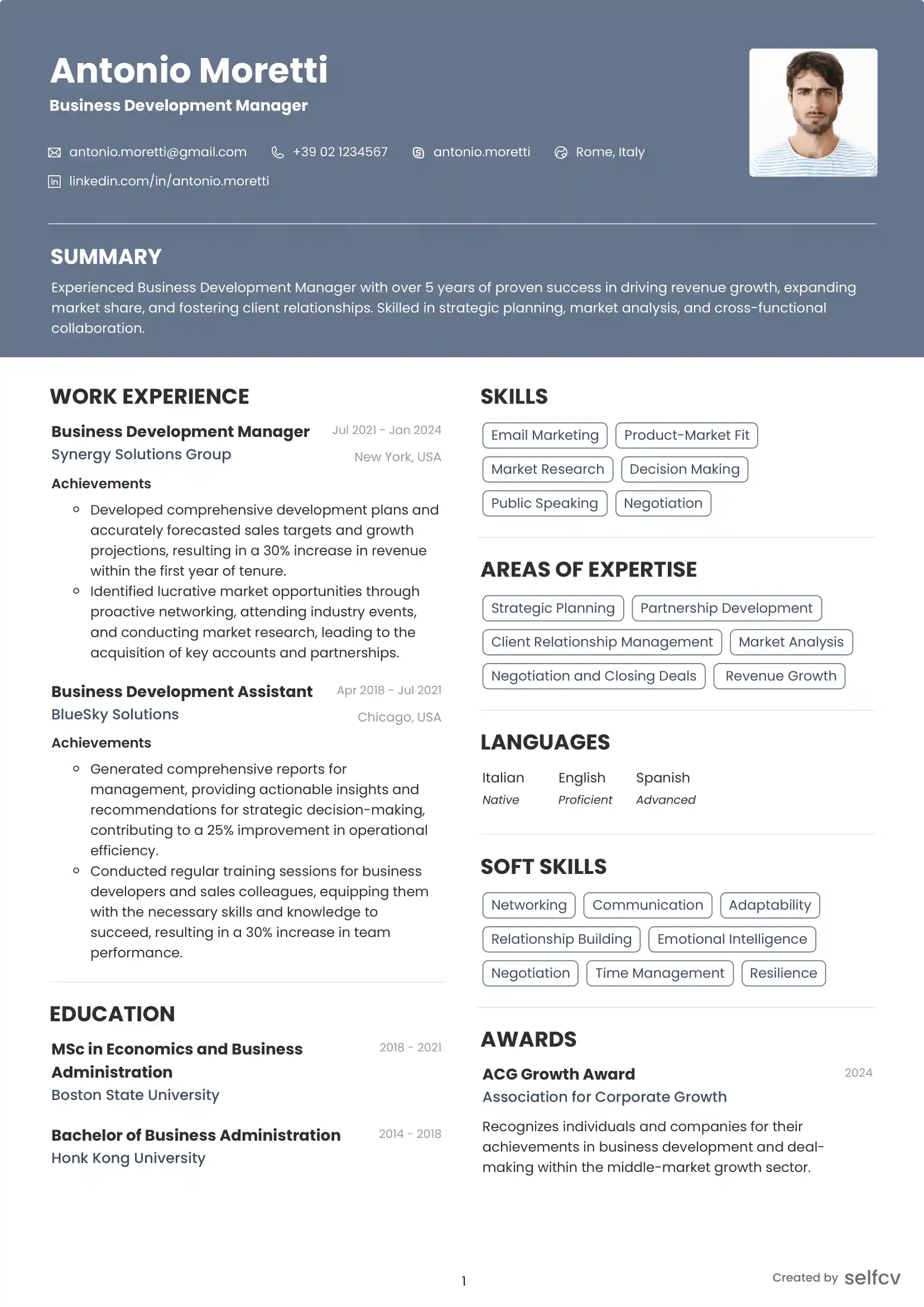
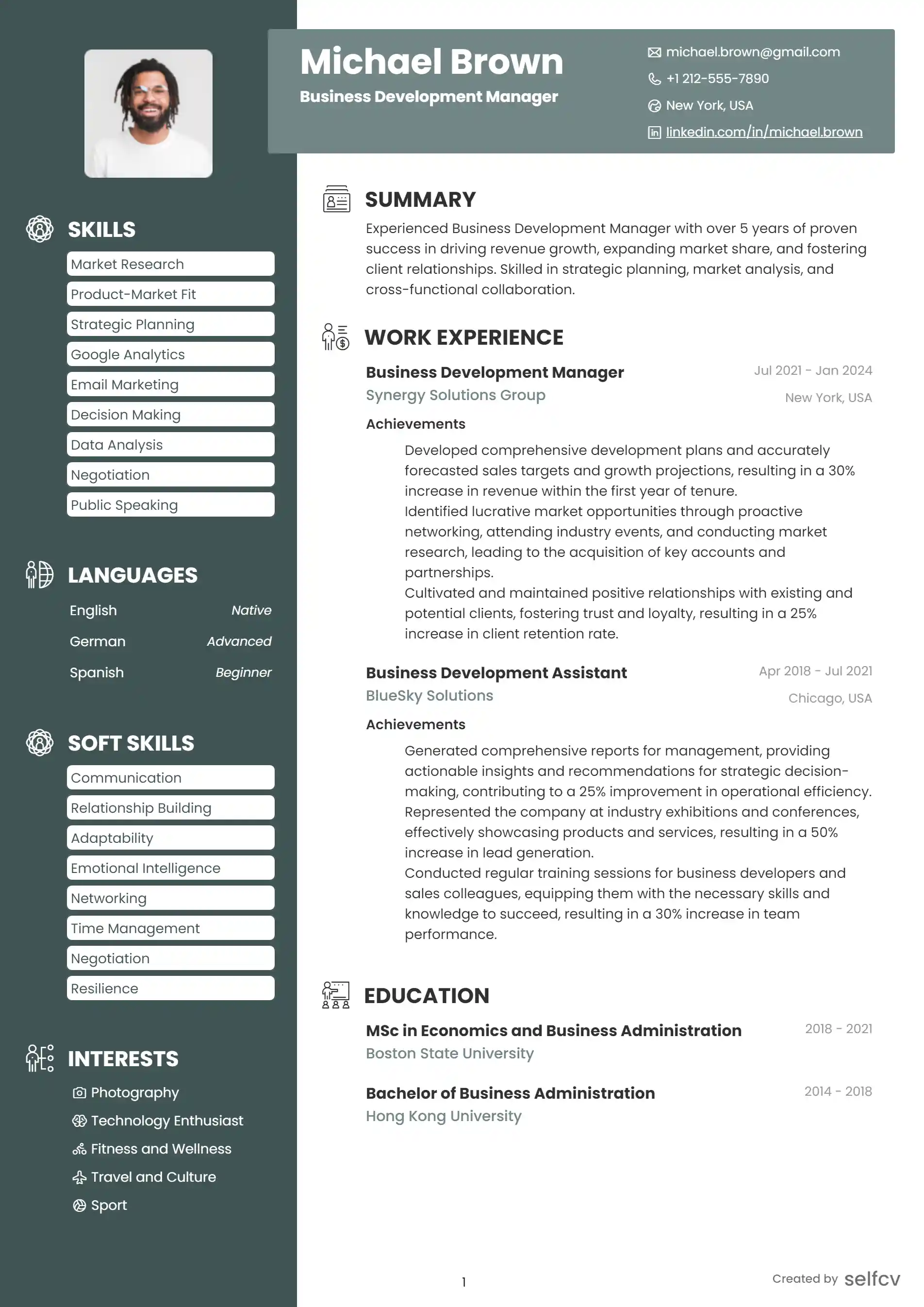
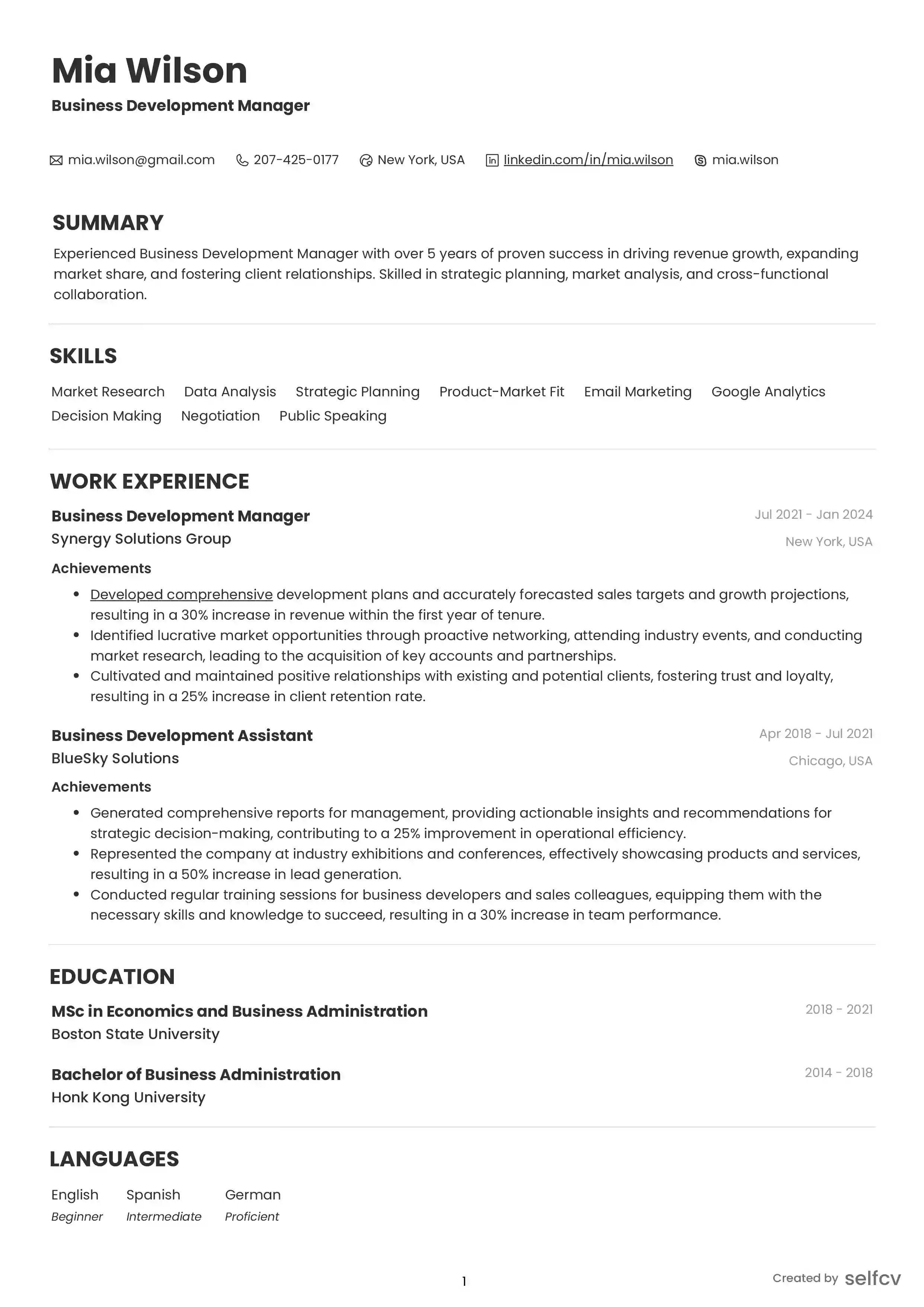
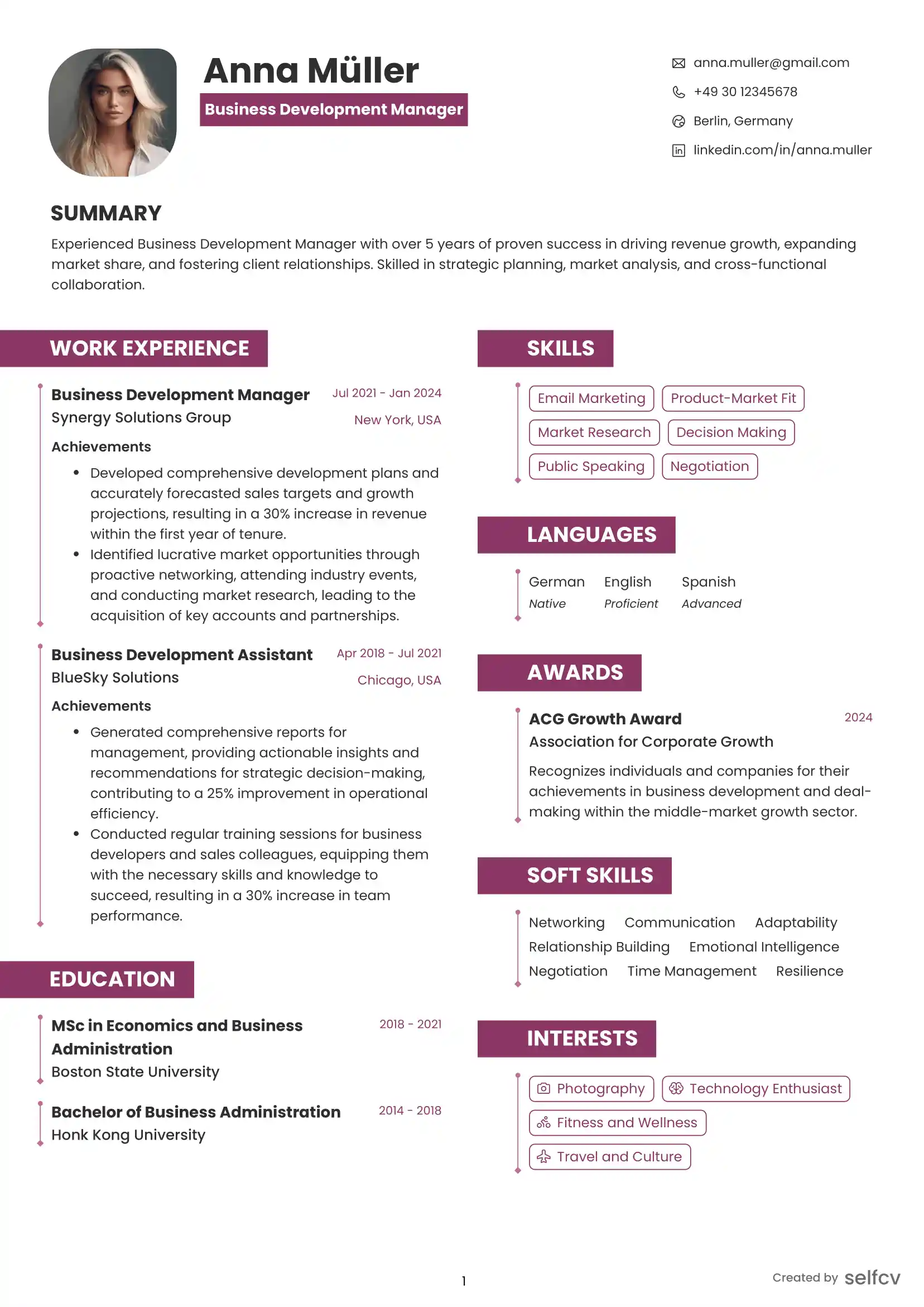
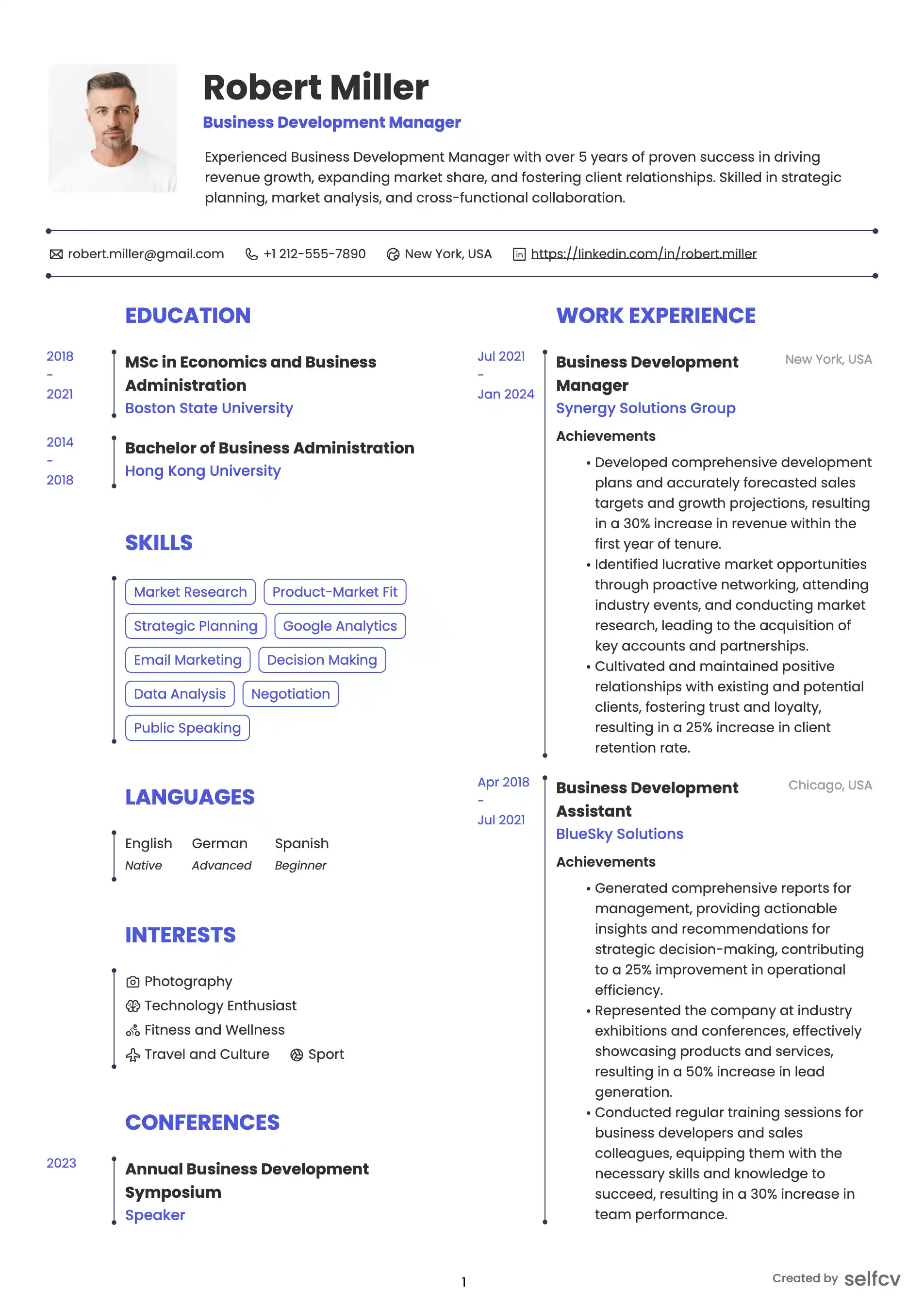
Find the template that’s right for you
No need to build anything from scratch. Using our templates or upload feature, you’ll get started easily and have a powerful resume in a few clicks.
Resume summaries and objectives by career level
Entry-level / IC to manager transition:
- Objective: Senior engineer transitioning to first manager role, experienced in leading small project teams, mentoring juniors, and improving release processes. Seeks to manage a 4-8 engineer team and own delivery for core product components.
Mid-level engineering manager (2-5 years):
- Summary: Engineering manager with 4 years managing backend and platform teams, led migrations to Kubernetes, hired and mentored 10 engineers, and improved deployment frequency from monthly to weekly.
Senior engineering manager / Director-track (5+ years):
- Summary: Senior engineering manager with 8+ years leading distributed systems and org scaling, managed 6 teams (40+ engineers), set product roadmaps with PMs, and reduced MTTR 70% while cutting infrastructure cost 30%.
Career changer (e.g., technical program manager to engineering manager):
- Objective: Technical program manager with product and engineering collaboration experience, seeking to move into people management by leveraging hiring and process design experience to scale engineering teams and improve delivery outcomes.
Complete fictional resume example
The candidate, companies, and career history shown are fictional examples created for illustration and any resemblance to real people or organizations is coincidental.
Candidate Name
Target Position: Engineering Manager (Platform)
Location: Seattle, WA (open to remote)
Professional Summary
- Platform-focused engineering manager with 5 years managing infra and services teams. Led migrations, hiring, and reliability efforts for SaaS products serving 300k MAU. Skilled at roadmap planning, cross-functional alignment, and hands-on technical ownership.
Grouped Skills
- People: hiring, interviewing, performance reviews, mentoring, career ladders
- Delivery: roadmap, OKRs, sprint planning, release management
- Infrastructure: Kubernetes, Terraform, AWS, CI/CD, Prometheus, Grafana
- Development: Go, Python, microservices, database migrations
- Operations: incident response, postmortems, SLOs, runbooks
Professional Experience:
Senior Engineering Manager, Platform
Company: Nimbus Software (SaaS) 2022-2026
Team: 3 teams, 18 engineers, reports to VP Engineering
- Led migration of legacy monolith to microservices on Kubernetes, reducing average page load time 45% and cutting infra cost 22%.
- Scaled platform team from 7 to 18 engineers in 14 months by redesigning hiring funnel, improving time-to-hire from 55 to 26 days, and instituting a structured onboarding that reduced ramp time by 40%.
- Implemented SLOs and automated alerting, decreasing P1 incident volume 60% and MTTR from 3.5 hours to 40 minutes.
- Introduced trunk-based development and CI changes that raised deployment frequency from monthly to weekly.
Engineering Manager, Core Services
Company: Meridian Cloud 2019-2022
Team: 2 teams, 10 engineers
- Directed a platform stabilization program that improved uptime from 98.6% to 99.95% within 9 months through architectural changes and operational playbooks.
- Hired and mentored 8 engineers; four promoted to senior roles in under 18 months.
- Ran cross-functional feature launches that reduced time-to-market for major payments feature from 6 months to 10 weeks.
Senior Software Engineer
Company: ArcSense 2016-2019
Team: 5 engineers
- Built and owned a real-time data ingestion pipeline that processed 50k events/s with 99.99% reliability.
- Documented architecture and led knowledge transfer for on-call rotations.
Education / Training
- B.S. Computer Engineering, University of Washington
- Leadership courses: Manager Bootcamp, Inclusive Hiring Workshop
Certifications
- Certified ScrumMaster
- AWS Certified Solutions Architect - Associate (optional)
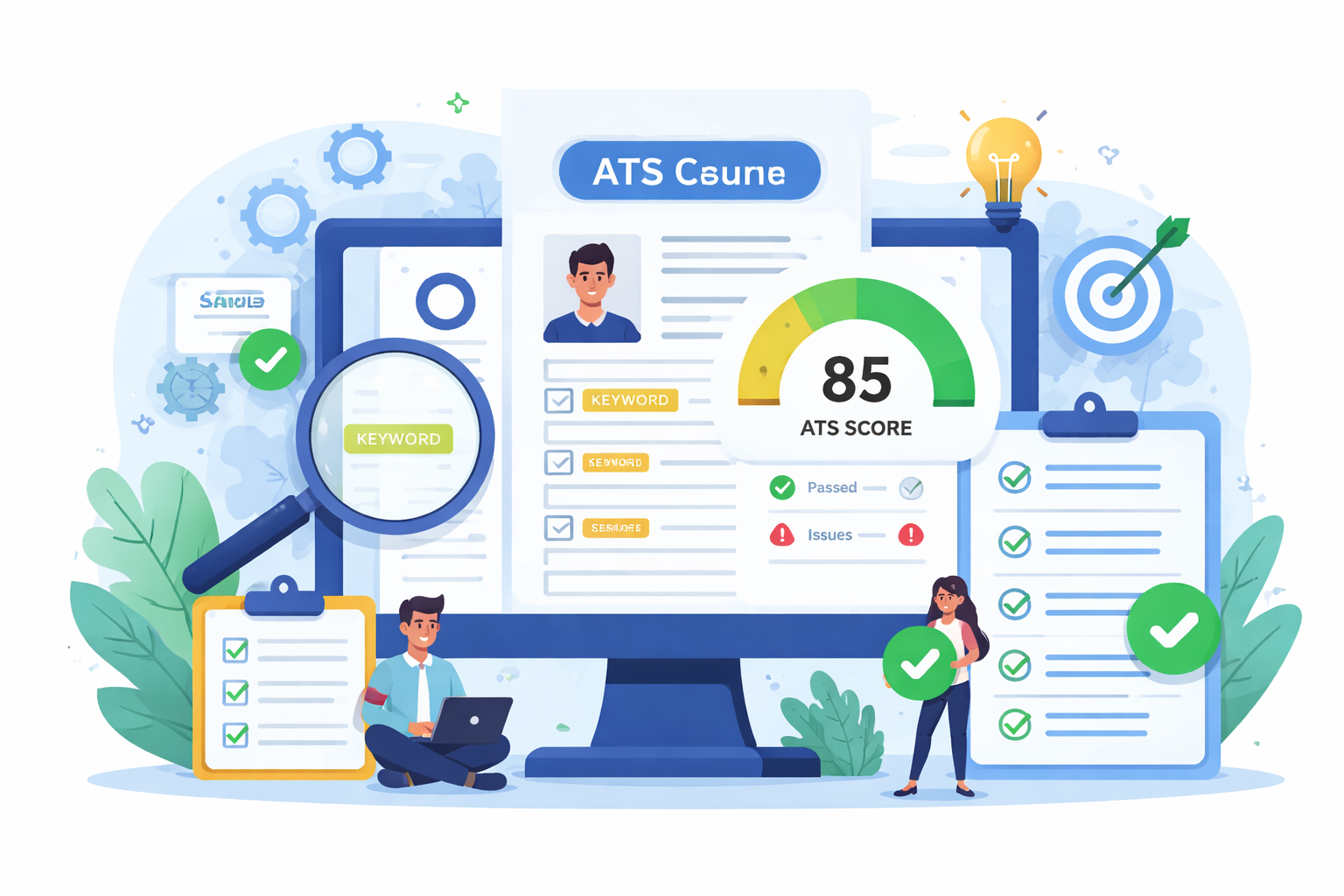
Check Your Resume with ATS
Make sure your resume passes Applicant Tracking Systems before recruiters see it.
- 📄 Upload your resume and get instant ATS feedback
- 🎯 Improve keyword matching for your target job
- ⚡ Boost your chances of getting shortlisted
Technical scope, tools, deliverables and metrics to list
Make these concrete and grouped so readers and ATS can parse them.
Tools and platforms to include:
- Cloud: AWS, GCP, Azure
- Orchestration: Kubernetes, Docker
- IaC: Terraform, CloudFormation
- CI/CD: Jenkins, GitHub Actions, CircleCI
- Observability: Prometheus, Grafana, Datadog
- Repo and workflow: GitHub, GitLab, code review tools
Deliverables and outputs to call out:
- Roadmaps and OKRs
- Architecture diagrams and migration plans
- Postmortems and runbooks
- Hiring plans and interview scorecards
- Performance review frameworks
Metrics that matter to hiring teams:
- Hiring: engineers hired, time-to-hire, offer acceptance
- Delivery: deployment frequency, cycle time, time-to-market
- Reliability: uptime, MTTR, incident counts
- Cost: infrastructure cost savings or optimization
- Career growth: promotion rate, retention percentage
Hiring, mentoring, and evaluation evidence to include
Hiring and people development are primary differentiators for managers.
Show this evidence:
- Hiring volume and time-to-hire improvements.
- Promotions and retention numbers tied to programs you led.
- Interview rubric or scorecard you created or improved.
- Examples of career conversations, mentoring programs, or training you ran.
Bullets you can use:
- Designed interview process and scorecards used to hire 25 engineers over 12 months, increasing hiring velocity by 40%.
- Piloted a mentorship program that led to 30% more internal promotions year-over-year.
- Conducted quarterly calibration sessions to reduce performance review bias and improve promotion decisions.
Industry variations: quick bullet templates by specialization
Use the templates to tailor bullets by industry.
SaaS / Enterprise software:
- Led feature rollout across enterprise accounts, reducing onboarding time from 10 days to 3 days and improving trial-to-paid conversion by X%.
SRE / Platform:
- Instituted SLO-based policy, cut P1 incidents 60%, and reduced MTTR from Y to Z minutes.
Hardware / Embedded:
- Managed firmware release cycles, coordinated lab validation for 4 device SKUs, and reduced regression defects 35%.
Fintech / Regulated domains:
- Built controls and audit logs for payments platform to meet compliance requirements and reduced audit issues by 90%.
AI / Data infra:
- Scaled model training pipelines to handle 5x data increase and reduced job failures through better monitoring and retry logic.
Portfolio, projects, and what to link
Choose 2-4 portfolio artifacts that prove leadership and technical judgment.
Good portfolio items:
- Postmortem showing baseline, cause analysis, and remediation.
- Architecture doc or migration plan with outcomes.
- Public talk or blog about scaling, reliability, or hiring.
- Sample runbook or SLO definitions used in production.
How to present links on a resume:
- Label link clearly (Postmortem: Service X outage 2024) and note the result (MTTR improved to 40 minutes).
- Keep links short and put in header or under a portfolio section.
Frequently asked questions (selection from real search intent)
What should an engineering manager put on a resume?
- Focus on team size, scope, hiring and retention metrics, major delivery outcomes, tech stack, and a few deep technical wins.
How do I show leadership on an engineering manager resume?
- Quantify hiring and promotions, list processes you created, and describe cross-functional initiatives you led with measurable results.
Engineering manager resume examples with metrics?
- Use before-and-after phrasing: baseline, intervention, numeric result. Include hiring numbers, MTTR changes, uptime, deployment frequency, and cost savings.
How to convert technical IC achievements into manager-level resume bullets?
- Add context: how many people you influenced, what process or policy you introduced, and the team-level outcome.
What keywords do ATS scan for in engineering manager resumes?
- See the ATS keywords section above; include exact role keywords and tool names in skills and summary.
How to highlight hiring and retention on a manager resume?
- Provide counts, timelines, improvements to time-to-hire or offer acceptance, and promotion or retention percentages where possible.
Related careers and when to pivot
Related professions to consider when planning a resume or career move:
- Technical Program Manager
- Product Engineering Manager
- DevOps / SRE Manager
- Director of Engineering
- Software Architect
When to pivot:
- Move to TPM when you prefer program coordination over direct people management.
- Move to Product Engineering Manager or Architect when you want to focus more on product or system design while retaining technical leadership.
Conclusion: action checklist and next steps
Short profession-specific conclusion:
- A strong engineering manager resume proves you can hire, grow, and deliver. It balances technical credibility with people metrics and shows measurable change.
7-point edit checklist before you submit:
- Add role context (team size, reports, product scope).
- Put 3 quantified achievements in the top third of the resume.
- Convert IC bullets to manager-impact bullets using baseline-action-result.
- Include hiring metrics and at least one mentorship or promotion example.
- List tools and exact ATS keywords naturally in summary and skills.
- Link 1-2 portfolio artifacts (postmortem, architecture doc, talk).
- Keep format scannable and consistent (1-2 pages depending on level).
Next action:
- Pick one recent achievement and rewrite it using baseline-action-result. Then update the top of your resume with a concise professional summary that reflects the teams and systems you own.
Why job seekers choose selfcv
Thousands of professionals use selfcv to build modern, ATS-friendly resumes, customize templates, and apply for jobs with confidence.
Thanks to SelfCV, I now have a professional and polished resume that I'm confident in sending to potential employers. I will definitely be recommending your service to other job seekers. Keep up the great work!
SelfCV offers an intuitive interface that makes creating a professional CV straightforward. Whether you're a student, a fresh graduate, or an experienced professional, the step-by-step process ensures that users of all levels can craft an impressive CV.
Easy to use resume builder. They have very intuitive ui for customizing and keeping multiple versions of resume.
The right tool for creating CVs. As a student I was looking for a tool that could help me quickly create a CV for internship applications. This was just the right tool. I am very satisfied!
This is one of the best tools I’ve ever used - I was able to build my CV in seconds with high quality template. Highly recommended!
Amazing app with easy user experience. Loved it. Its intuitive and easy to navigate, designs are very nice.
