
ER Nurse Resume Playbook 2026: Triage, Throughput Metrics and Trauma-Ready Bullets
ER Nurse Resume Playbook 2026: Triage, Throughput Metrics and Trauma-Ready Bullets
Written by Armen Mkhitaryan
Peak evening shift: three-room surge, one multi-trauma, one sepsis alert, and a chest-pain patient arriving by ambulance. A hiring manager scanning a resume wants to see evidence you can sort that workload fast, lead a code, and document care that improves safety and flow. This playbook shows exactly how to translate those moments into ATS-friendly keywords and recruiter-ready bullets for 2026 ER nurse roles.
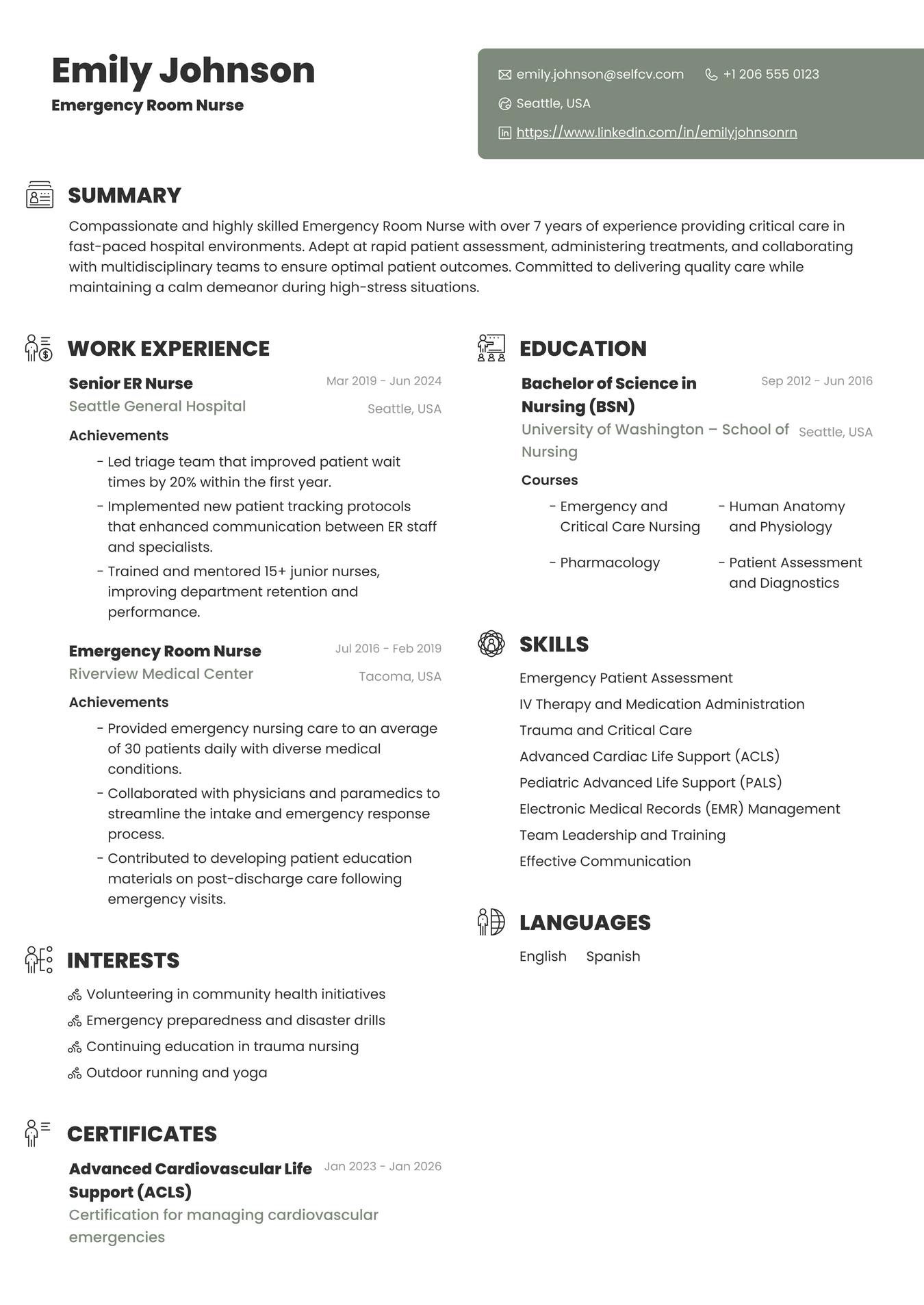
Quick recruiter snapshot - top-line metrics and credentials
What to put at the top so a hiring manager reads on
- Headline: role + level + specialization (example: ER nurse - Charge Nurse - Adult Trauma)
- One-line summary: primary metric + credential + scope (example: Reduced LWBS by 18% while managing 22-bed urban ED; RN, ACLS, TNCC)
- Quick credential cluster: licensure state if local role, BLS, ACLS, PALS, TNCC or equivalent
- Top metrics to highlight: door-to-provider, LWBS reduction, sepsis bundle compliance, code blue leadership, average patients per shift
Examples to catch attention
- Reduced door-to-provider median from 32 to 18 minutes during night shift staffing pilot
- Led 12 code blues over 18 months as primary team leader with documented role delegation and debrief outcomes
- RN, ACLS, BLS, TNCC, 5 years ED experience
Triage and rapid assessment - evidence you can prioritize under pressure
Why this matters: Triage is the first clinical decision and determines care sequencing, resource allocation, and immediate safety.
How to show it on a resume
- Use verbs that communicate speed and prioritization: triaged, prioritized, rapid-assessed, escalated
- Add context: shift type, typical volume, acuity level
- Add outcome: wait-time reduction, faster transfer, improved sepsis recognition
Role-specific bullets
- Entry-level: Performed rapid triage for 10-12 patients per 4-hour block using ESI and focused primary survey; escalated 2 unstable patients to provider within 5 minutes
- Mid-level: Triage and re-assessment lead for 12-bed fast-track and 10-bed high-acuity area; decreased triage-to-provider median time by 22% during pilot
- Senior/Charge: Implemented standardized triage huddle and reserved rapid-assess bay, reducing LWBS 15% and improving door-to-provider by 14 minutes
Resume micro-bullet examples to paste
- Performed ESI triage for 30+ patients per 12-hour shift, prioritized critical care and reduced wait times during peak hours
- Established a bedside re-assessment protocol that identified 6 missed sepsis cases in 6 months and increased sepsis-bundle initiation by 28%
Resume Example for ER Nurse
Critical interventions and code leadership - documenting high-stakes care without violating privacy
What hiring teams want: clarity on your role during codes, procedures you performed, and outcomes that improved safety or process.
How to write it safely and effectively
- Focus on actions and team leadership, not patient identifiers or case specifics
- Use measurable outcomes when possible: time to defibrillation, adherence to ACLS algorithm, post-code debrief changes
- Avoid clinical detail that could reveal PHI
Bullet examples by level
- Entry-level: Assisted in 6 code blue events per year, maintained chest compression quality during provider rotation and documented ACLS flowsheet entries
- Mid-level: Primary medication nurse during codes, tracked time-to-epinephrine metric and helped shorten median time from rhythm recognition to medication by 40 seconds
- Senior/Charge: Led multidisciplinary code blue team, ran post-event debriefs, implemented checklist that increased compliance with time-to-defibrillation targets to 95%
Phrases to use
- Led code blue response
- Managed airway and vascular access coordination (document role rather than specific procedure details)
- Documented ACLS algorithm adherence and team role assignments
Throughput, flow and ED metrics - show operational impact
ED hiring managers often weigh flow improvements as heavily as clinical skill. Quantify changes you drove.
Key ED metrics and how to present them
- Door-to-provider time: show baseline and post-intervention median or percent change
- Left without being seen (LWBS): absolute numbers and percentage reduction
- Sepsis bundle compliance: percent compliance improvements and time-to-antibiotic
- Turnover time and boarding: percent change or minutes saved per patient
Example bullets
- Reduced LWBS from 6.8% to 3.4% over 9 months through fast-track staffing and triage algorithm adjustments
- Improved door-to-provider median from 28 to 14 minutes on evening shift by reallocating triage RN and opening a rapid-assess bay
- Increased sepsis bundle compliance from 62% to 86% and cut median time-to-antibiotic from 95 to 48 minutes
Tools, EMR, devices and documentation systems
List systems and equipment in a concise skills block. Recruiters scan for these quickly.
Common EMRs and documentation tools to include
- Epic, Cerner, MEDITECH, Allscripts, eClinicalWorks
ED-specific devices and skills
- Cardiac monitors and defibrillators (manual and automated external), point-of-care ultrasound (POCUS) basic use, arterial and central access assistance, mechanical CPR device familiarity
- Rapid infusion systems, IO access, tele-ED camera systems
Documentation and throughput tools
- Triage flowsheets, sepsis-order sets, code blue flowsheets, door-to-provider dashboards, throughput analytics tools
How to list
- EMR: Epic (triage and sepsis templates), Cerner ED documentation
- Equipment: Zoll defibrillator, Philips monitor, SonoSite POCUS (basic image acquisition)
ATS keywords you need in 2026 - adult, pediatric, trauma and tele-ED
Why keywords matter: ATS filters by role, certification, clinical tasks, and metrics. Use role-appropriate keywords naturally in bullets and skills.
Core ER nurse keywords
- ER nurse resume
- emergency department nurse resume
- triage nurse resume sample
- ACLS, BLS, PALS
- sepsis bundle, door-to-provider, LWBS, code blue
- trauma nurse resume, TNCC, ATLS familiarity
Pediatric-specific keywords
- pediatric ED, PALS, pediatric triage, ENPC, weight-based dosing
Trauma center keywords
- multi-trauma, massive transfusion protocol, trauma bay, trauma team leader, Level 1 trauma center
Tele-ED and remote care keywords
- telehealth emergency nurse, tele-triage, remote patient monitoring, virtual ED assessments
ATS tip
- Mirror wording from the job posting where it genuinely fits your experience
- Place keywords in context inside achievement bullets rather than stuffing a skills list
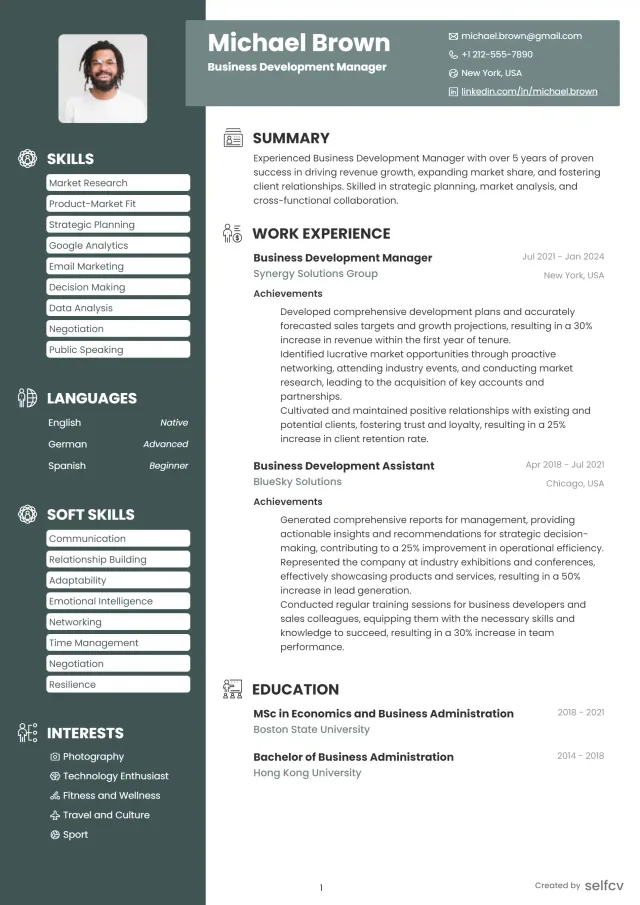
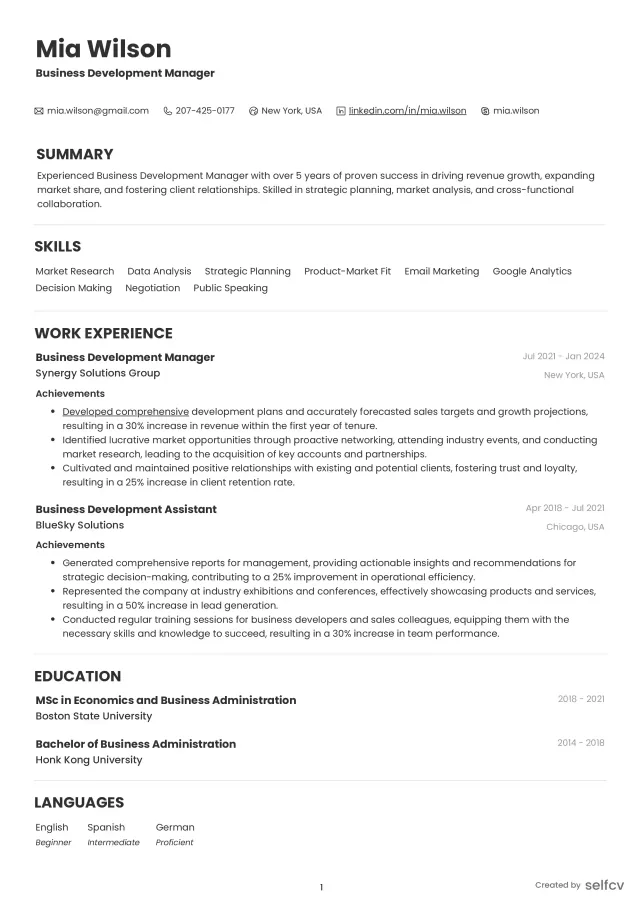
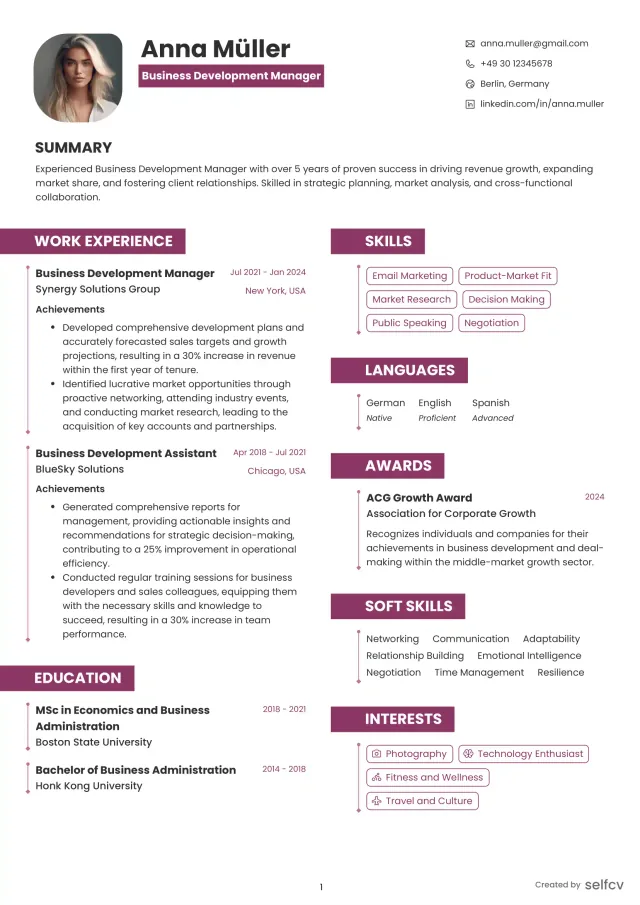
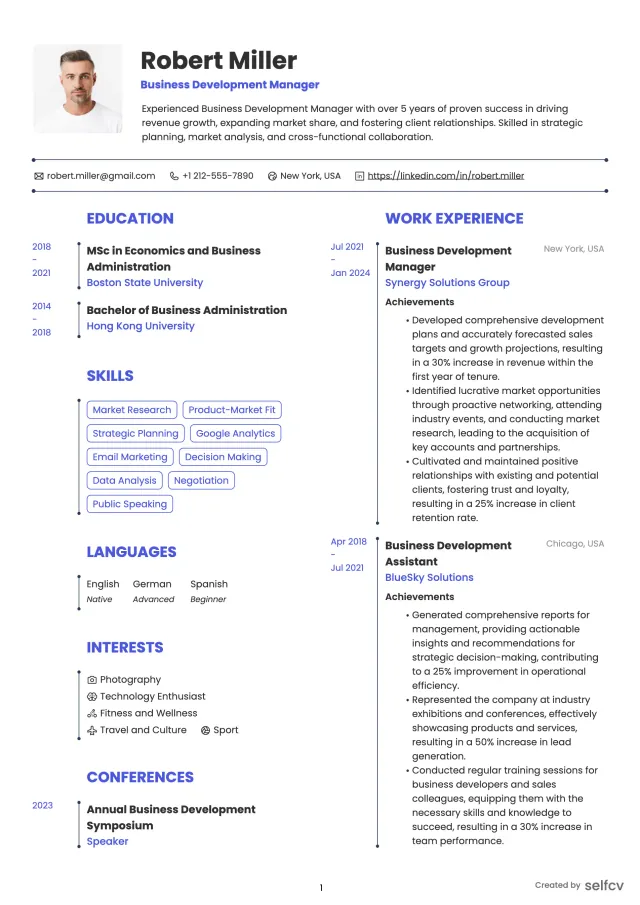
Find the template that’s right for you
No need to build anything from scratch. Using our templates or upload feature, you’ll get started easily and have a powerful resume in a few clicks.
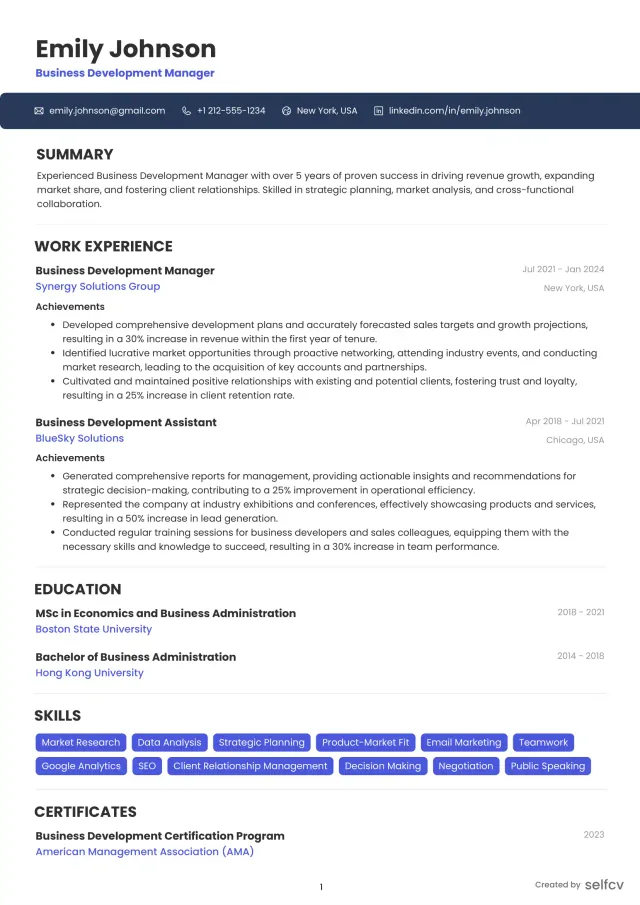
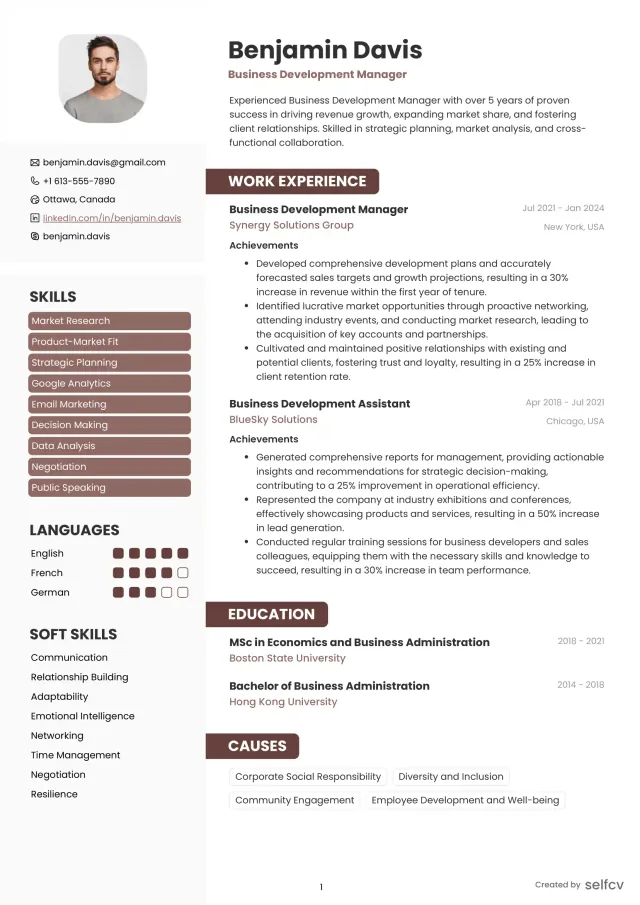
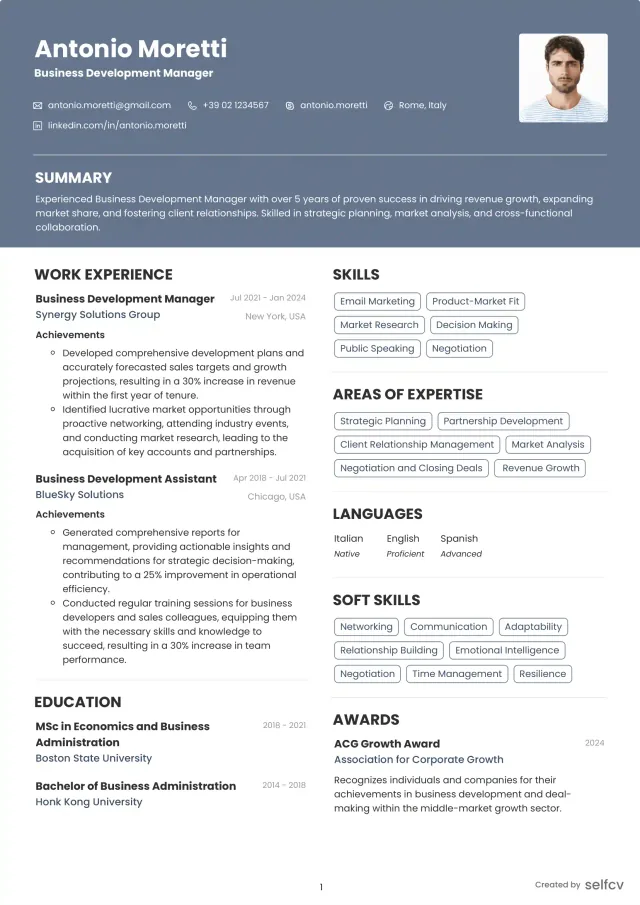
Skills-first structure: how to order sections for different career levels
Suggested order depending on experience and goals
- New graduate / Entry-level
- Contact info and licensure
- Objective or brief summary that states ED readiness
- Education and clinical rotations
- Grouped Skills (triage, critical care, EMR) with certifications
- Experience and clinical preceptorship highlights
- Competent / Mid-level
- Contact and licensure
- Professional summary with top metrics
- Grouped Skills
- Professional experience (reverse chronological) with 3-5 achievement bullets per recent role
- Education and certifications
- Senior / Charge / Trauma specialist
- Contact and licensure
- Leadership-focused summary with throughput and team metrics
- Key achievements at top
- Grouped Skills and technical competencies
- Professional experience emphasizing leadership, education, and protocol development
Grouped skills example
- Clinical: triage, rapid assessment, sepsis identification, airway management
- Leadership: charge nurse, shift coordination, throughput optimization
- Technical: Epic, Zoll, POCUS (basic), rapid infusion device
- Compliance: documentation, sepsis bundle, ACLS flow adherence
Resume makeover examples - before and after edits for entry, charge, and trauma tracks
How small wording shifts move a bullet from vague to recruiter-ready
Entry-level example
- Before: Provided care to ED patients during clinical rotation
- After: Performed focused triage and assessments for 8-12 patients per shift in a 20-bed community ED during senior capstone rotation
Charge nurse example
- Before: Served as charge nurse some shifts and helped with flow
- After: Shift charge for 12-bed high-acuity ED, coordinated resource allocation and reduced door-to-provider median by 22% during pilot
Trauma nurse example
- Before: Assisted in trauma cases and supported team
- After: Primary trauma RN for Level 2 center, managed MTP activation logistics and maintained blood product documentation for 45 trauma activations over 18 months
Editing checklist
- Replace vague verbs with clinical verbs (assisted, led, triaged, escalated)
- Add numbers: patients per shift, percent changes, minutes saved
- Clarify scope: level of trauma center, shift type, EMR used
Check Your Resume with ATS
Make sure your resume passes Applicant Tracking Systems before recruiters see it.
- 📄 Upload your resume and get instant ATS feedback
- 🎯 Improve keyword matching for your target job
- ⚡ Boost your chances of getting shortlisted
Complete resume example - fictional candidate
The candidate, companies, and career history shown are fictional examples created for illustration and any resemblance to a real person or organization is coincidental.
Candidate Name
Alex Morgan
Target Position
Senior ER Nurse - Trauma and Throughput Lead
Location
Boston, MA (willing to relocate within New England)
Professional Summary
ER nurse with 8 years of emergency department experience in adult and trauma care. Led throughput initiatives that reduced LWBS by 40% and improved sepsis-bundle compliance from 64% to 88%. Experienced charge nurse and code team leader with ACLS, TNCC, and PALS certifications.
Grouped Skills
- Clinical: Triage (ESI), rapid assessment, sepsis identification and bundles, airway coordination
- Leadership: charge nurse, shift coordination, staff scheduling, interdepartmental huddles
- Technical: Epic ED, Zoll defibrillator, basic POCUS, rapid infusion systems
- Quality: door-to-provider analytics, LWBS reduction strategies, protocol development
Professional Experience
Senior ER Nurse - St. Luke Regional Medical Center, Boston, MA
2020-2026
- Led evening shift charge responsibilities for a 30-bed urban ED, supervised teams of 6-10 RNs per shift
- Reduced LWBS from 7.5% to 4.5% within 12 months by implementing a rapid-assess bay and triage reallocation
- Increased sepsis-bundle initiation within 60 minutes from 64% to 88% by standardizing bedside orders and nurse-driven protocols
- Served as primary code team leader for 18 codes, ran post-code debriefs and implemented checklist that improved time-to-defibrillation compliance to 96%
ER Staff Nurse - Northside Community Hospital, Lynn, MA
2016-2020
- Managed high-acuity room assignments and performed triage for 20-25 patients per 12-hour shift
- Participated in trauma activations, maintained blood product logs, and coordinated prompt surgical transfers
- Precepted 6 new ED nurses and led monthly education sessions on sepsis recognition and triage triage
Education / Training
- BSN, University of Massachusetts, 2016
- Clinical training: 480 clinical hours across adult ED, pediatric ED, and urgent care rotations
Certifications
- Registered Nurse (RN) - MA compact license required
- BLS (American Heart Association)
- ACLS (American Heart Association)
- TNCC (Trauma Nursing Core Course)
- PALS (optional for dual adult/pediatric roles)
Achievement examples - weak-to-strong rewrites
Example 1:
Weak:
- Helped reduce wait times
Strong:
- Reduced door-to-provider median from 31 to 16 minutes on overnight shifts by implementing triage reassignment and opening a rapid-assess bay
Why it works:
- Adds baseline and result, specifies intervention and shift context
Example 2:
Weak:
- Participated in code blues
Strong:
- Led 12 code blue events as primary team coordinator, improved post-code documentation completeness to 98% and instituted debrief action items for team training
Why it works:
- States leadership role, a measurable compliance outcome, and a process improvement
Example 3:
Weak:
- Helped with sepsis cases
Strong:
- Introduced nurse-driven sepsis screening at triage, increasing sepsis-bundle compliance from 62% to 86% and reducing median time-to-antibiotic by 47 minutes
Why it works:
- Shows initiative, quantifies effect, links clinical action to measurable patient-safety outcomes
Career-level summaries and objective examples
Entry-level objective
- New graduate RN seeking ED RN role to apply triage training and ACLS/BLS certification; completed 480 clinical hours with focused adult ED rotation and high-acuity preceptorship
Mid-level summary (1-3 years)
- Emergency nurse with 2 years of ED experience, proficient in ESI triage and Epic ED, reduced triage-to-provider times during weekend shifts through handoff improvements
Senior-level summary (4-8 years)
- Senior ER nurse and charge RN with 6 years of experience in high-volume urban EDs, led throughput projects that cut LWBS by 30% and coached 10 new staff to independent practice
Career changer objective (moving into ED from med-surg)
- RN with 3 years med-surg and recent ED preceptorship, seeking ED RN role to leverage critical-assessment skills and ACLS certification to support acute care and throughput initiatives
Hiring evaluation checklist for recruiters and ED managers
What hiring teams typically screen for and how to reflect it on a resume
- Triage experience: list ESI use, patient volumes, and any triage projects
- High-stakes roles: code blue participation, leadership during rapid responses
- Throughput impact: door-to-provider, LWBS, sepsis metrics with baseline and results
- Certifications: BLS, ACLS, PALS, TNCC, ENPC when relevant
- Technical fit: EMR experience and ED device familiarity
- Shift fit: night vs. day, fast-track vs. trauma, pediatric vs. adult experience
Quick self-check before submitting
- Is your top-line metric clear in the summary?
- Are your most relevant keywords in the first half of the resume?
- Do your bullets show results, not just tasks?
- Have you listed the exact EMR used by the target employer?
Micro-guides - tailoring for pediatric ED, trauma center, rural/community ED, and tele-triage
Pediatric ER nurse quick adjustments
- Emphasize PALS, ENPC, weight-based dosing, family-centered triage, pediatric-specific triage volumes
- Bullet example: Performed pediatric triage and implemented parent-education script that improved discharge instruction comprehension by patient survey
Trauma center nurse quick adjustments
- Include TNCC, trauma activations managed, MTP involvement, level of trauma center
- Bullet example: Managed 45 trauma activations and coordinated 8 emergent OR transfers, ensuring blood product readiness per MTP protocol
Rural/community ED adjustments
- Highlight scope breadth: triage through discharge, skills in stabilization and transfer coordination, tele-ED use
- Bullet example: Stabilized and coordinated transfer for multisystem trauma to tertiary center, reducing door-to-transfer time by 28 minutes
Tele-triage and tele-ED adjustments
- Emphasize telehealth assessments, remote monitoring triage, EMR tele-ED modules
- Bullet example: Conducted tele-triage assessments for 50+ patients weekly, improved clarity of disposition instructions and decreased unnecessary ED visits by 12%
Interview stories to prepare and tight cover-note lines
STAR stories to prepare
- Code leadership: Situation, your role, specific actions, measured outcome (time-to-defibrillation, debrief actions)
- Throughput change: baseline problem, your intervention, stakeholders engaged, numeric result
- Sepsis recognition: how you identified a patient, nurse-driven action, bundle initiation times
Cover-note lines to tailor to a posting
- Night-shift charge nurse with 6 years in high-volume EDs; reduced LWBS 30% and led code team improvements
- Trauma-experienced RN skilled in MTP logistics and rapid triage at Level 2 centers
- Tele-ED certified nurse with remote triage experience and Epic telehealth module familiarity
Certifications, compliance and legal notes
Common and realistic certifications
- BLS (required in most settings)
- ACLS (adult critical care roles)
- PALS (pediatric ED roles)
- TNCC or ENPC for trauma and pediatric emergency care
- Specialty items: telehealth training, sepsis stewardship modules
Compliance and scope notes
- Verify local/state scope of practice and licensure requirements before applying
- Do not list procedures you are not credentialed to perform independently
- Documenting clinical outcomes is appropriate; avoid patient identifiers or specific case details that could violate privacy
FAQ - targeted questions ED candidates search for
What should I include on an ER nurse resume to get noticed by ED hiring managers?
- Show triage workload and specific outcomes: patients per shift, triage-to-provider improvements, sepsis-bundle initiation metrics, and certifications.
How do I show triage and rapid-assessment skills on a resume?
- Use ESI language, list volumes, and include measured outcomes such as reduced wait time or faster escalation to provider.
Which ATS keywords are most important for emergency department nursing roles?
- Core keywords: triage, ACLS, BLS, sepsis bundle, door-to-provider, LWBS, code blue, TNCC, PALS, Epic (if used).
How should a charge nurse in the ER document leadership and throughput improvements?
- State your charge scope, list specific interventions you led, and quantify results in percent or minutes saved.
What measurable achievements matter for an ER nurse (patient-safety and flow examples)?
- Sepsis-bundle compliance, time-to-antibiotic, door-to-provider times, LWBS reduction, code response times, transfer times to OR or ICU.
How to tailor an ER nurse resume for trauma center vs. community ED?
- Trauma center: highlight trauma activations, MTP involvement, TNCC, and trauma leadership. Community ED: emphasize broad-scope stabilizations, transfer coordination, and tele-ED use.
How long should an ER nurse resume be at different experience levels?
- Entry-level: 1 page preferred. Mid-level: 1 page if focused, 2 pages acceptable. Senior/advanced: 2 pages to cover leadership, projects, and education concisely.
Related careers to consider
Roles that share skills and keywords with ER nursing
- Trauma nurse
- Critical care (ICU) nurse
- Triage nurse / Tele-triage nurse
- ED nurse educator
- Rapid response team nurse
How to pivot keywords when applying
- Emphasize overlapping metrics and certifications, e.g., ACLS, rapid assessment, transfer coordination
Conclusion, practical checklist and next action
Conclusion
- An ER nurse resume succeeds when it connects acute clinical decisions to measurable outcomes. Show triage speed, code leadership, sepsis and throughput wins, and the EMR and device familiarity that lets you hit the ground running.
Practical checklist before you submit
- Top-line metric in the summary is clear
- Relevant ATS keywords appear in bullets and skills
- EMR and certification list matches job posting requirements
- Bullets use strong verbs, context, and outcomes (numbers where possible)
- No PHI or case-identifying details
Next action
- Run your resume through an ATS keyword check against the target job posting, then prepare 3 STAR stories: a code leadership example, a throughput improvement, and a sepsis identification case.
Good luck. Update your resume with one measurable change this week and rehearse the related STAR story for interviews.
seoTitle
ER Nurse Resume Playbook 2026: Triage, Throughput Metrics and Trauma-Ready Bullets
Why job seekers choose selfcv
Thousands of professionals use selfcv to build modern, ATS-friendly resumes, customize templates, and apply for jobs with confidence.
Thanks to SelfCV, I now have a professional and polished resume that I'm confident in sending to potential employers. I will definitely be recommending your service to other job seekers. Keep up the great work!
SelfCV offers an intuitive interface that makes creating a professional CV straightforward. Whether you're a student, a fresh graduate, or an experienced professional, the step-by-step process ensures that users of all levels can craft an impressive CV.
Easy to use resume builder. They have very intuitive ui for customizing and keeping multiple versions of resume.
The right tool for creating CVs. As a student I was looking for a tool that could help me quickly create a CV for internship applications. This was just the right tool. I am very satisfied!
This is one of the best tools I’ve ever used - I was able to build my CV in seconds with high quality template. Highly recommended!
Amazing app with easy user experience. Loved it. Its intuitive and easy to navigate, designs are very nice.
