
Game Developer Resume Guide (2026): ATS-Ready Examples, Playable Portfolio Tips
Written by Armen Mkhitaryan
10-second recruiter scan
- Top line: role title, specialism (Gameplay / Tools / Graphics), and years or shipped titles.
- Quick evidence: one shipped title or playable demo plus portfolio link.
- Tech snapshot: engines, languages, profiling tools in 3-6 keywords.
- Impact bullet: measurable outcome or shipped scope.
TL;DR checklist
- Put a clear professional title under your name that matches the job posting.
- Lead with a 1-2 line summary that states your specialization and a shipped demo or metric.
- Link a playable build, GitHub repo, or video near your contact info.
- Use engine and tooling keywords (Unity, Unreal, C#, C++, Perforce, RenderDoc).
- Convert technical work into recruiter-friendly impact (frame time, retention, crash rate).
Bad vs good gameplay bullet
- Bad: Implemented enemy AI and fixed bugs on the combat system.
- Good: Built enemy behavior tree and reduced combat AI decision time from 12ms to 4ms, improving 60fps stability in crowded scenes.
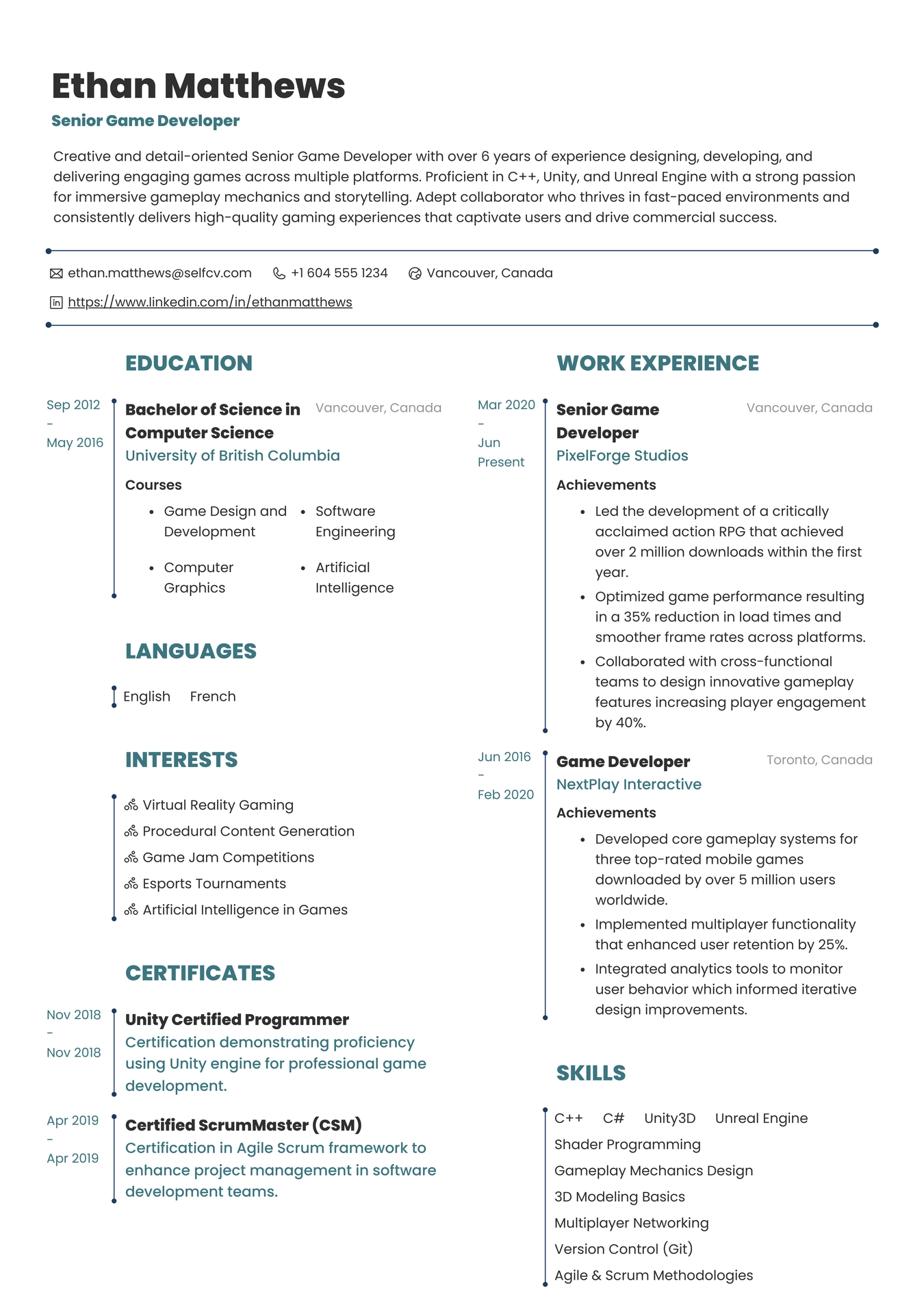
Resume structure and section priority
What to place where
- Header: name, city (or Remote), email, phone, portfolio URL, GitHub, store links.
- Professional title & summary: one line title, 1-2 sentence summary with specialization and shipped evidence.
- Key skills / tech stack: short column or inline list with engines, languages, profiling tools, VCS.
- Selected projects: 2-4 playable or shipped highlights with contribution and result.
- Professional experience: recent positions with 3-5 achievement bullets each, list team size and role scope.
- Education, certifications, additional artifacts.
Why this order
- Recruiters scan top to bottom looking for role fit, proof of ship, and technical keywords.
- Selected projects let you demonstrate a playable artifact before long employer history.
- Keep the resume one page for entry/junior and one page or slightly longer for senior roles that include major shipped titles and leadership.
ATS keywords and where to place them
High-value keywords to include (use naturally)
- Engines: Unity, Unreal Engine, custom engine, Unity 2021-2024, Unreal Engine 4, Unreal Engine 5.
- Languages: C#, C++, Python, Lua, HLSL, GLSL.
- Systems and specializations: gameplay systems, rendering, shaders, networking, multiplayer, tools pipeline, build automation.
- Tools and VCS: Perforce, Git, SVN, Visual Studio, Rider.
- Profiling and middleware: RenderDoc, PIX, Xcode Instruments, FMOD, Wwise.
Where to place keywords
- Professional title and summary for immediate match.
- Key skills block for ATS parsing.
- Project and experience bullets with context ("Built multiplayer matchmaking using Photon; reduced match time by 40% ").
Avoid keyword stuffing
- Use exact terms the job asks for but only where they apply to your work or projects.
Resume Example for Game Developer
Technical skills, tools, and deliverables game developers list
Core engines and versions
- Unity (URP, HDRP), Unreal Engine 4 and 5, custom in-house engines.
Languages and scripting
- C#, C++, Python, Lua, shader languages (HLSL, GLSL).
Version control, CI, and build
- Perforce, Git, Jenkins, GitHub Actions, custom build servers.
Profiling and performance tools
- RenderDoc, PIX, Xcode Instruments, Android GPU Inspector.
Middleware and art tools
- FMOD, Wwise, PhysX, Havok, Blender for prototyping.
Deliverables you should show or list
- Playable builds (WebGL/PC/Mobile), demo videos, pull requests, merged features, design doc excerpts, profiling screenshots, shader gallery.
Quality standards and testing
- Unit tests for tools, regression tests for core systems, performance budgets in ms and memory.
How to show shipped games and stay NDA-safe
If you can credit a shipped title
- State the title and platform and your role (Gameplay Programmer, Tools Engineer, Graphics Engineer).
- Note your team size and contribution percentage where useful.
- Add measurable outcomes (frame rate, memory, retention) without revealing confidential KPIs.
If under NDA or cannot post assets
- Describe scope and systems at a high level: "Core gameplay systems for a AAA console action title - enemy AI and combat state machine."
- Use sanitized metrics: "reduced load time by 30%" rather than absolute business KPIs.
- Offer private demo on request or a sanitized playable slice that isolates your work.
When to list credits
- If game credits list you, mention credit role and year. Credits are strong evidence for production experience.
Portfolio and playable demo packaging
What to include for each playable demo
- One-line purpose: what mechanic or system the demo shows.
- Build target and engine version.
- Contribution: what you wrote, optimized, or designed.
- Short install/run notes and expected playtime.
Packaging tips
- Build a WebGL slice for quick recruiter access or a small PC executable with a README.
- Include a short demo video (60-90 seconds) that highlights the feature and shows profiler screenshots.
- Add a concise README that lists the key scripts/files and how to reproduce the shown result.
Hosting choices and notes
- Use itch.io for WebGL or small PC builds, GitHub for source with clear README, and recorded videos for proprietary parts.
- Avoid shipping assets that violate employer IP; use placeholder art if necessary.
Turning a performance optimization into a resume achievement
Step-by-step micro case study
- Problem: frame drops in large scenes causing unstable 60fps.
- Action: identified expensive draw calls with RenderDoc, implemented clustered occlusion culling and GPU instancing.
- Result: average frame time reduced from 22ms to 14ms, improving stable 60fps scenes by 70%.
Resume-ready bullet examples
- Before: Optimized rendering pipeline to improve frame rate.
- After: Reduced average frame time from 22ms to 14ms by implementing clustered occlusion culling and GPU instancing, restoring stable 60fps in X large scenes.
What to include with the bullet
- Tool used for measurement (RenderDoc, PIX).
- Scope (single scene, multiple levels) and team size.
- If possible, attach a small profiling screenshot in your portfolio or linked case study.
Find the template that’s right for you
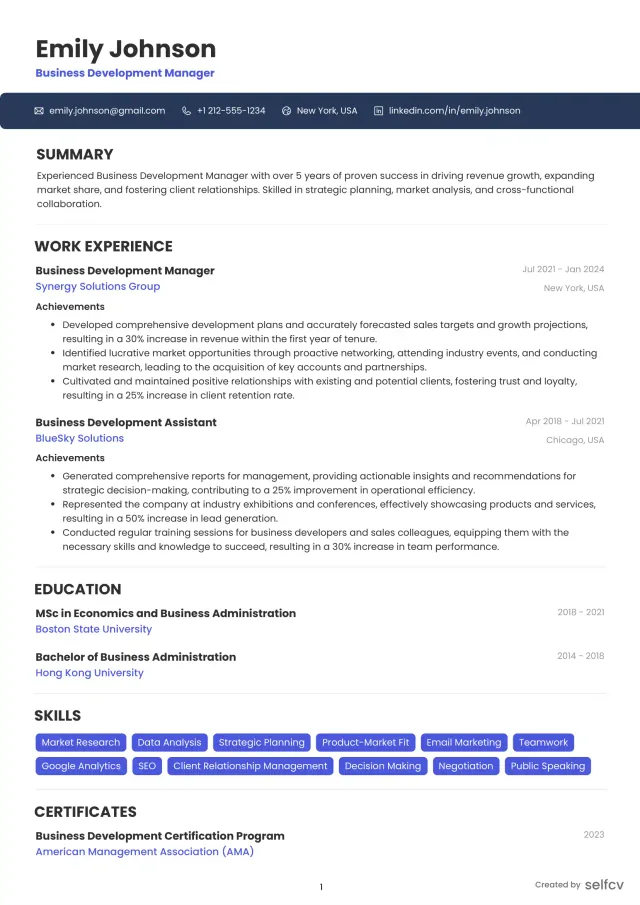
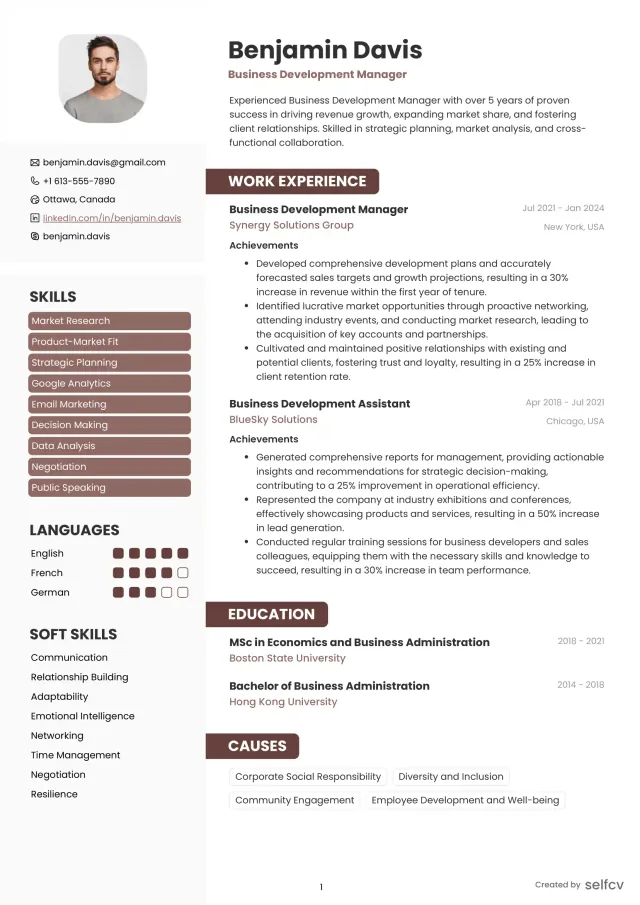
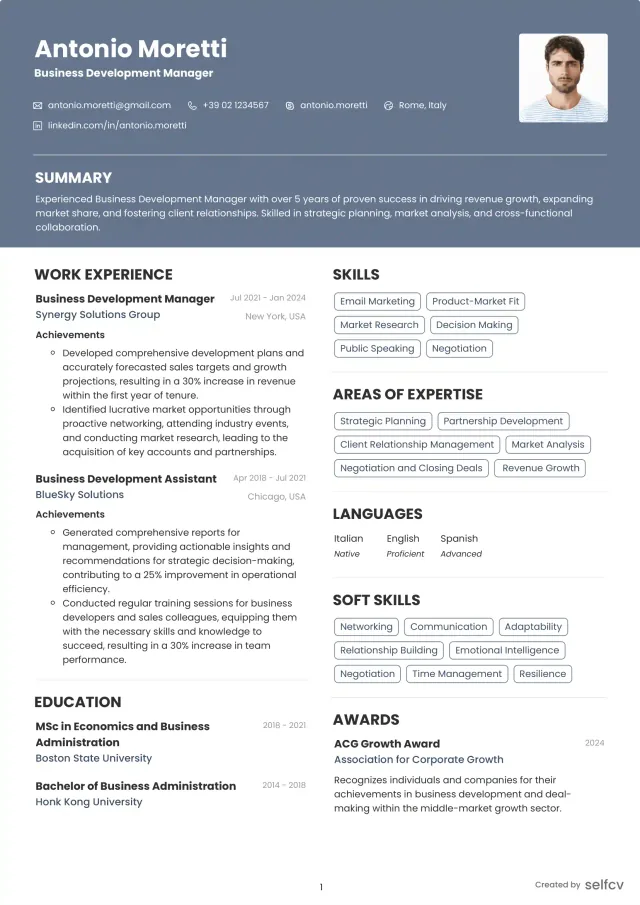
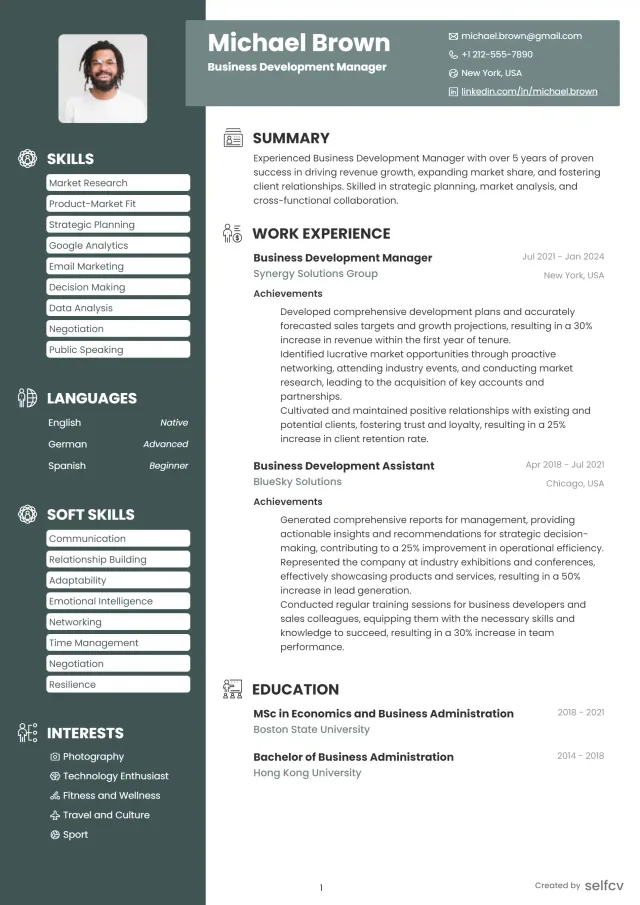
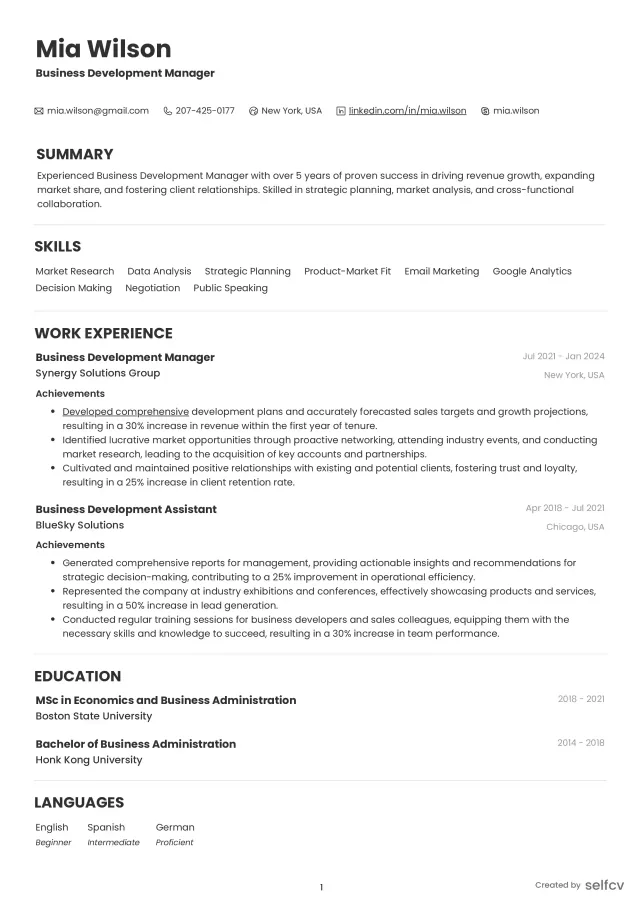
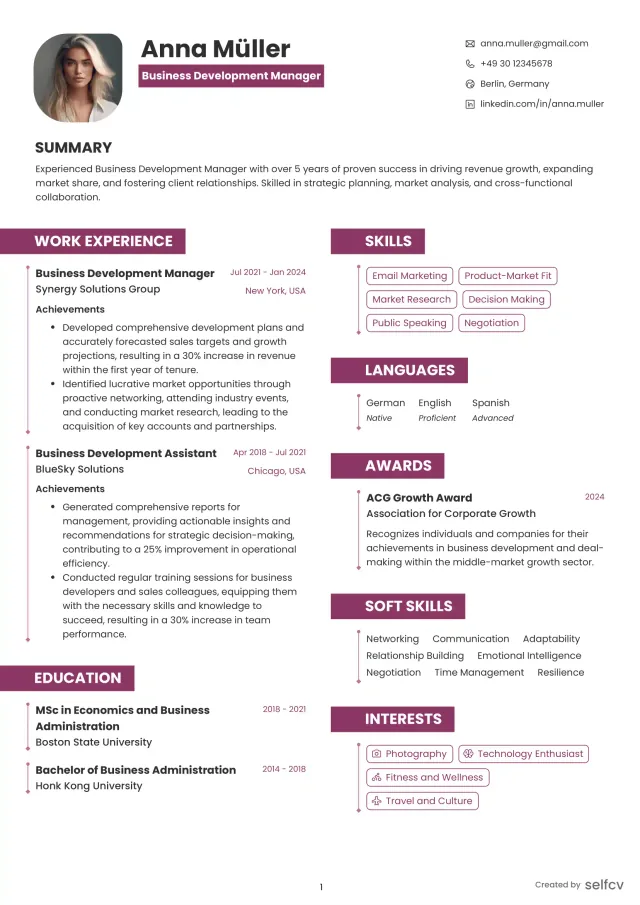
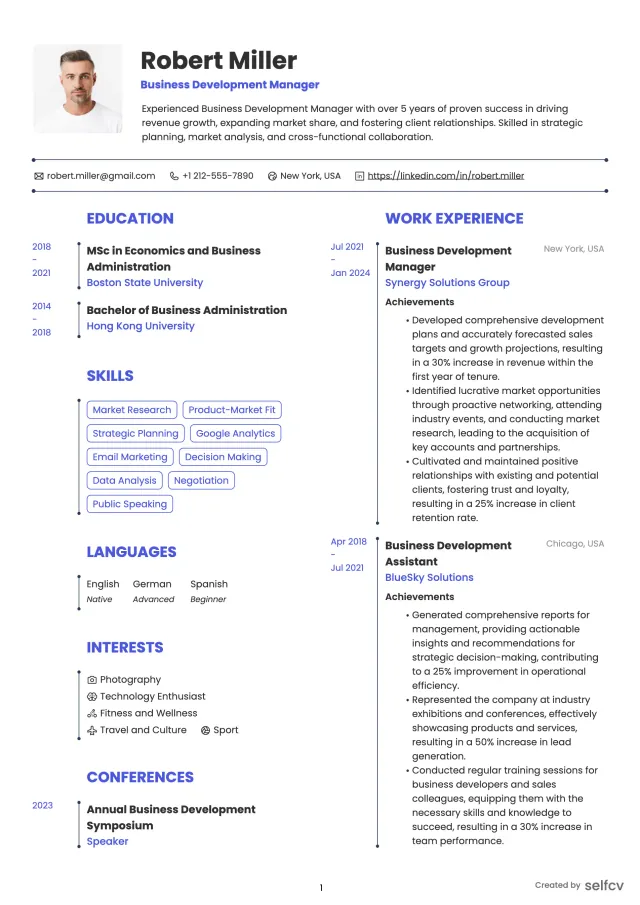
No need to build anything from scratch. Using our templates or upload feature, you’ll get started easily and have a powerful resume in a few clicks.
Example 1: weak-to-strong achievement rewrites
Example 1:
Weak:
- Fixed multiplayer lag issues.
Strong:
- Identified and removed a blocking mutex in the network tick, reducing median client-side latency by 28% during 64-player matches.
Why it works:
- Shows method, metric, and game context which proves technical ownership.
Example 2:
Weak:
- Wrote a tool to export assets.
Strong:
- Built a Perforce-integrated asset export tool that cut artist export time from 12 minutes to 90 seconds, removing a manual step and saving ~10 hours per week for a 5-person art team.
Why it works:
- Quantifies impact on team velocity and specifies integration points.
Example 3:
Weak:
- Worked on AI behavior tree.
Strong:
- Implemented a modular behavior tree system and tuning parameters that reduced AI-related crash reports by 40% and allowed designers to prototype new enemy types without code changes.
Why it works:
- Connects technical work to stability and cross-discipline collaboration.
Specialization bullets to use verbatim and adapt
Gameplay systems
- Built modular ability system in C# (Unity) with event-driven cooldowns and server-side validation, enabling designers to prototype 12 abilities in 2 weeks.
Tools and pipeline
- Created an artist-facing import pipeline that automated LOD generation and reduced manual setup time by 75%.
Graphics and shaders
- Wrote an HLSL screen-space water shader with temporal reprojection, improving visual fidelity while maintaining 50-60 FPS on target hardware.
Networking and multiplayer
- Implemented client-side prediction and reconciliation, lowering perceived latency and improving hit detection in 1v1 matches.
Mobile optimization
- Reduced peak memory by 30MB and decreased load time by 20% through asset bundling and texture streaming adjustments.
Live-ops and analytics
- Integrated analytics events for A/B testing, measured a 6% uplift in retention after adjusting tutorial pacing.
Check Your Resume with ATS
Make sure your resume passes Applicant Tracking Systems before recruiters see it.
- 📄 Upload your resume and get instant ATS feedback
- 🎯 Improve keyword matching for your target job
- ⚡ Boost your chances of getting shortlisted
Complete fictional resume example
The candidate, companies, and career history shown are fictional examples created for illustration and any resemblance to a real person or organization is coincidental.
Candidate Name
- Ari Mendoza
Target Position
- Mid-level Gameplay Programmer
Location
- Remote (based in Barcelona, Spain)
Professional Summary
- Gameplay programmer with 4 years of experience building combat and AI systems in Unity and Unreal. Shipped 2 mobile titles and 1 PC demo. Strong in C#, C++, behavior trees, and performance profiling.
Grouped Skills
- Engines: Unity (2020-2022), Unreal Engine 4
- Languages: C#, C++, Python
- Tools: Perforce, Git, RenderDoc, PIX, Visual Studio
- Systems: AI/behavior trees, animation state machines, performance optimization, multiplayer prediction
Professional Experience:
- Studio Nova, Gameplay Programmer, 2022-2025 (team of 12)
- Implemented modular ability and cooldown system in Unity, enabling rapid designer iteration and shipping 18 abilities across 4 months.
- Reduced combat CPU time by 35% in crowded scenes using targeted culling and jobified AI updates.
- Integrated analytics hooks for combat encounters, contributing to a 7% retention uplift after tuning difficulty.
- Indie Labs, Junior Gameplay Programmer, 2020-2022 (team of 4)
- Built enemy behavior trees and combat state machine for a mobile action title; credited in final release.
- Packaged WebGL demo of a boss encounter for portfolio, with README and profiling video.
- Wrote automated build script for nightly test builds using GitHub Actions.
Education / Training
- BSc Computer Science, Polytechnic University, 2019
- Unity Learn courses on gameplay and optimization, ongoing
Certifications
- Unity Certified Programmer (optional realistic certification)
- GDPR Awareness for Game Dev (training certificate)
Resume summaries and objective examples by level
Entry-level / Junior (0-2 years)
- Objective example: Recent CS graduate with Unity and C# experience. Built and published two game jam prototypes and a WebGL demo showcasing enemy AI. Seeking a junior gameplay role to contribute to gameplay features and optimize systems.
Mid-level / Developer (2-6 years)
- Summary example: Gameplay programmer with 3 years shipping mobile titles and one PC demo. Skilled in behavior trees, animation blending, and Unity optimization. Reduced combat CPU load by 30% on a previous project.
Senior / Lead / Principal (6+ years)
- Summary example: Senior gameplay engineer with 8 years across AAA and indie, experienced in system design, mentorship, and cross-team architecture. Led refactor of core combat framework and defined performance budgets for multicore systems.
Career changer (tools or other dev background)
- Objective example: Software engineer transitioning to game development with 4 years in backend services. Ported server-side matchmaking logic to Unity client-server prototypes and built a tools plugin for level export.
FAQs hiring intent and practical answers
What should I put on a game developer resume in 2026?
- Include role title, primary engine and languages, one shipped or playable artifact, 3-5 targeted bullets showing measurable impact, and portfolio links near the top.
How do I show shipped games on my resume without violating NDA?
- Describe systems at a high level, cite credited titles if possible, list sanitized metrics (percent or relative change), and offer a private demo or a sanitized playable slice.
What keywords do ATS systems look for in a game developer resume?
- Engines (Unity, Unreal), languages (C#, C++), profiling tools (RenderDoc, PIX), systems (multiplayer, shaders, tools), and VCS (Perforce, Git). Place them in your title, skills block, and bullets.
How do I present a playable portfolio for recruiters?
- Provide a quick WebGL build or 60-90s demo video, a short README that explains your contribution, and a profiler screenshot if you claim performance work.
What is the best way to describe gameplay systems I built?
- State the system name, your role, the technical approach, and a measurable result or designer benefit.
How do I quantify performance optimizations on my resume?
- Use before/after metrics (ms, FPS, MB, percentage), name the profiling tool, and define scope (single scene, level, or entire game).
Should I list engine versions (Unity/Unreal) on my resume?
- Yes. Engine versions show familiarity with toolchains and API differences and are useful for recruiters and technical leads.
Related careers and hiring evaluation criteria
Related professions
- Gameplay Programmer
- Engine Programmer
- Tools Engineer
- Technical Artist
- Game Designer (scripting)
- Multiplayer Engineer
- QA/Automation Engineer
What hiring teams evaluate
- Evidence of shipping and ownership.
- Clear technical depth and ability to explain trade-offs.
- Collaboration with designers and artists, code reviews, and maintainable code.
- Familiarity with version control and build pipelines.
- Ability to measure and prove performance gains.
Work environments you'll commonly see
- Cross-disciplinary agile teams, remote or hybrid setups, milestone-driven deliveries, frequent playtests and code reviews.
Stakeholders you will work with
- Lead programmer, technical director, designers, technical artists, QA, producers, product analysts.
Conclusion, checklist, and next actions
Game-developer-specific final notes
- Recruiters and technical leads want to see a clear role, a shipped demo or playable slice, and measurable technical impact that matches the job specialization.
Practical checklist
- Put professional title and engine on the first line under your name.
- Link a playable demo or short video in the header.
- Include engine version and primary language in the skills block.
- Convert at least two technical tasks into before/after measurable bullets.
- Add one profiling screenshot or short case study to your portfolio.
- Sanitize NDA work into system-level descriptions and offer a private demo on request.
Next action
- Pick one shipped feature or demo and write a one-paragraph case study with tools used and measurable result. Put that paragraph into your resume as a 1-line achievement and into your portfolio as a 1-page artifact.
Meta information
SEO keywords focused on this article
- Primary: game developer resume
- Secondary: unity developer resume, unreal developer resume, game programmer resume, game developer portfolio, game developer ATS keywords
Intent summary
- This article helps English-speaking game developers craft an ATS-friendly resume that highlights shipped work, playable demos, and measurable technical impact for roles across indie to AAA.
Why job seekers choose selfcv
Thousands of professionals use selfcv to build modern, ATS-friendly resumes, customize templates, and apply for jobs with confidence.
Thanks to SelfCV, I now have a professional and polished resume that I'm confident in sending to potential employers. I will definitely be recommending your service to other job seekers. Keep up the great work!
SelfCV offers an intuitive interface that makes creating a professional CV straightforward. Whether you're a student, a fresh graduate, or an experienced professional, the step-by-step process ensures that users of all levels can craft an impressive CV.
Easy to use resume builder. They have very intuitive ui for customizing and keeping multiple versions of resume.
The right tool for creating CVs. As a student I was looking for a tool that could help me quickly create a CV for internship applications. This was just the right tool. I am very satisfied!
This is one of the best tools I’ve ever used - I was able to build my CV in seconds with high quality template. Highly recommended!
Amazing app with easy user experience. Loved it. Its intuitive and easy to navigate, designs are very nice.
