
ICU Nurse Resume 2026: Ventilator, Vasopressor & ATS-Ready Bullets That Get Interviews
Written by Armen Mkhitaryan
Shift that decides a hire: the scenario that shapes a resume
A night ICU receives two intubated patients within an hour, one on escalating vasopressors and one with sudden desaturation during proning. A hiring manager skims your resume for proof you can manage titrated vasoactive drips, troubleshoot ventilator alarms, and lead a rapid response.
Use this quick self-audit before you apply:
- Licensure and certifications current and visible (state/country RN license, BLS, ACLS, PALS if pediatric)
- Clear evidence of ventilator, arterial line, and vasopressor experience
- Measurable outcomes or QA contributions (mortality, sepsis bundle compliance, time-to-extubation)
- Shift availability and float/standby experience noted
- Two short achievement bullets per recent job with metrics where possible
What hiring teams look for and how ICU hiring patterns work
Hiring follows predictable needs: patient acuity, staffing ratios, and immediate unit coverage. Recruiters and managers prioritize candidates who reduce onboarding risk and demonstrate procedural competence.
Key recruiter signals they evaluate from a resume:
- Specific acuity and nurse-patient ratio experience (1:1, 1:2 adult ICU, etc.)
- Ventilator modes and management, including weaning contributions
- Titration experience with vasopressors and inotropes
- Code blue / rapid response participation and leadership roles
- Recent continuous learning and unit-specific certifications
Strong evidence types that shorten screening time:
- Quantified outcomes (reduced ventilator days, decreased central line infections)
- Documented QI or education projects and your role
- Simulation training and preceptor experience
- Cross-coverage or travel assignments that demonstrate adaptability
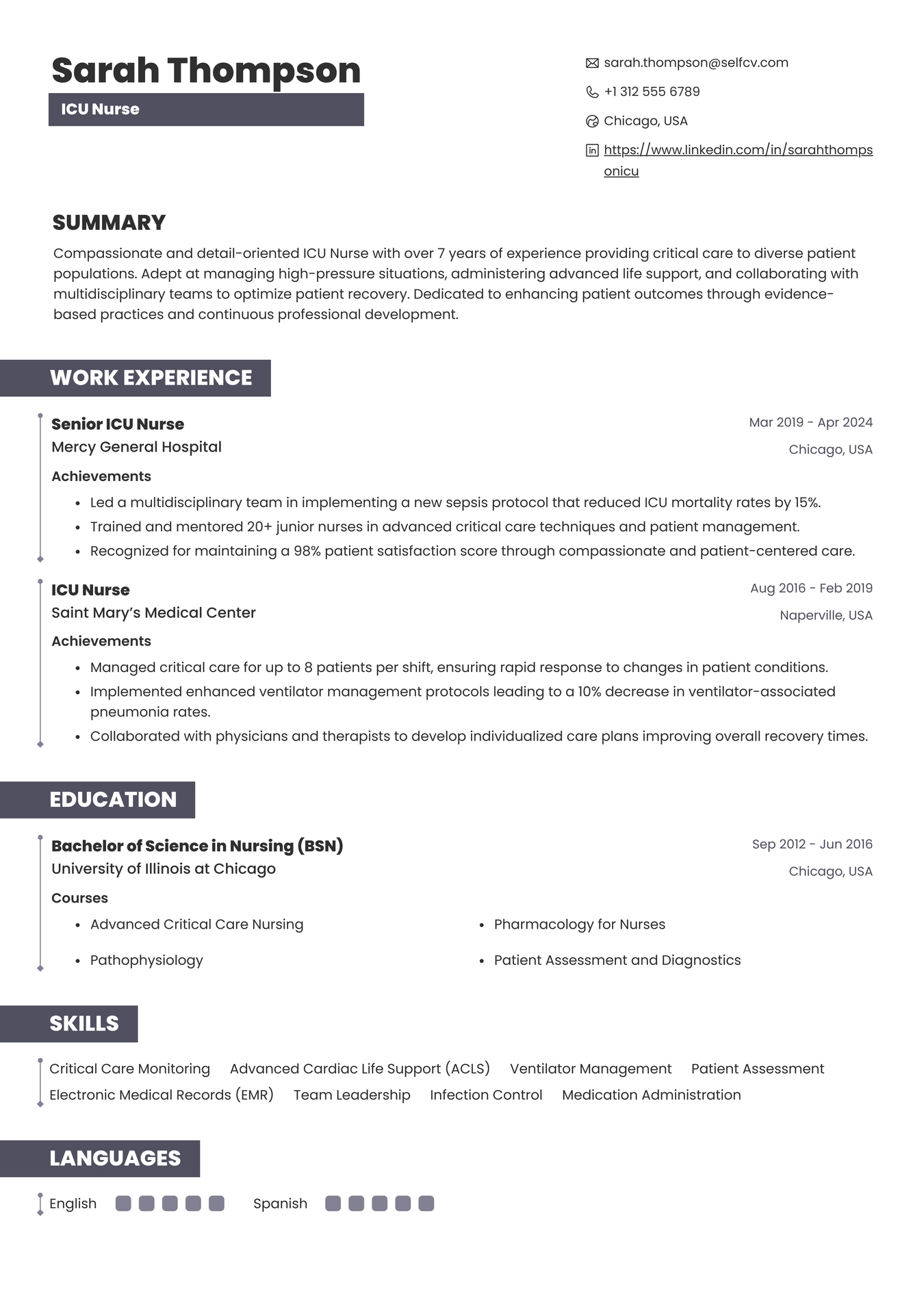
Resume Example for ICU Nurse
Resume structure that passes ATS and reads well for nurses
Prioritized sections and order for most ICU roles:
- Header with name, location (city, country/region), contact info, and license line
- Professional summary or objective (one short paragraph)
- Key skills or grouped skills (clinical clusters, devices, soft skills)
- Professional experience with 2-3 achievement bullets per recent role
- Education and training
- Certifications and ongoing training
- Selected projects or QI work
Formatting tips that help both ATS and humans:
- Use plain headings (Skills, Professional Experience) and avoid tables
- Include full terms and common abbreviations (eg, "mechanical ventilation (SIMV, AC")
- Put licensure and certifications near the top for quick scanning
- Use bullets for achievements; start with action verbs and include metrics
ATS keywords and long-tail phrases to include in 2026
Core ATS keywords for ICU nurse resume optimization:
- ICU nurse resume
- critical care nurse
- mechanical ventilation, ventilator management
- vasopressor titration, norepinephrine, vasopressin
- arterial line insertion support, central line care
- code blue, rapid response, ACLS
- hemodynamic monitoring, cardiac output
Long-tail and role-specific phrases to add where true:
- "ICU nurse resume for night shift"
- "critical care nurse resume with ventilator management"
- "ICU charge nurse resume with staffing coordination"
- "neonatal ICU nurse resume" or "pediatric ICU nurse resume" as applicable
Keyword guidance:
- Use keywords naturally in summaries and bullets
- Mirror terms from the job posting, but only when you genuinely have the skill
- Avoid keyword stuffing; ATS favors contextually correct phrases
Tools, equipment, and software to list (clinically specific)
Put device names and vendor-neutral terms where applicable:
- Ventilators: Drager, Puritan Bennett, Hamilton, ventilator weaning protocols
- ECMO: VV-ECMO, VA-ECMO, ECMO circuit troubleshooting (if experienced)
- Vasoactive drugs: norepinephrine, epinephrine, vasopressin, dopamine, dobutamine
- Hemodynamic monitors: arterial lines, Swan-Ganz, continuous cardiac output
- Labs and imaging: ABG interpretation, point-of-care ultrasound (POCUS) basics
- Documentation and staffing tools: Epic/ Cerner, ICU flow sheets, nurse scheduling software
Show hands-on level, not only name dropping:
- "Managed ventilator changes during spontaneous breathing trials, reduced reintubation rate"
- "Operated Hamilton ventilators during transport and documented settings in Epic"
How to write achievement bullets that reflect ICU practice
Structure: Action verb + clinical task + measured result or impact.
Ventilator management examples to use as templates:
- "Coordinated ventilator weaning using SBTs, reducing average ventilation time from 7.2 to 5.1 days over 6 months"
- "Adjusted sedation and ventilator settings during daily rounds, contributing to 18% drop in reintubation within 48 hours"
Vasopressor and hemodynamic examples:
- "Managed titration of norepinephrine for septic shock, achieving MAP target within 60 minutes in 82% of cases"
- "Implemented standardized vasopressor handoff checklists, reducing missed titration steps by 40%"
Short micro-examples for insertion into a resume:
- "Ventilator: AC/SIMV/PSV, SBTs, extubation readiness assessments"
- "Vasoactive support: norepinephrine, vasopressin, titration protocols, infusion pumps"
Placement advice:
- Put two to three clinical achievement bullets under most recent roles
- If a task is routine, convert it to a measurable contribution or improvement
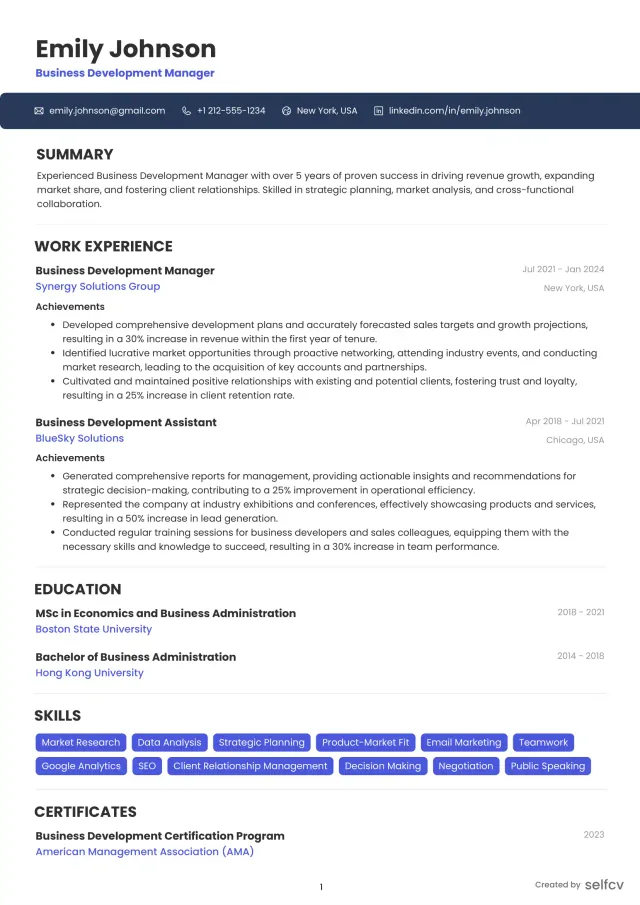
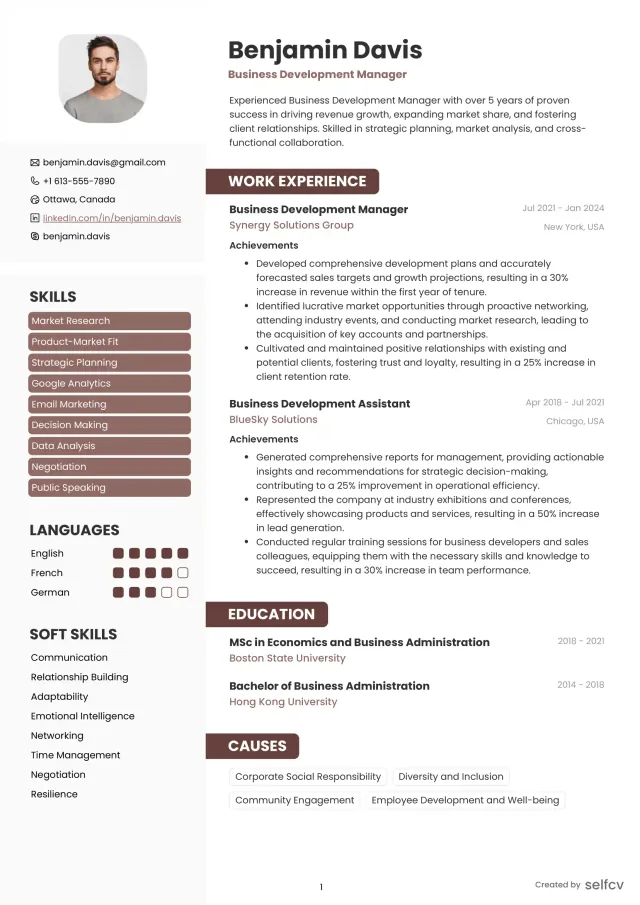
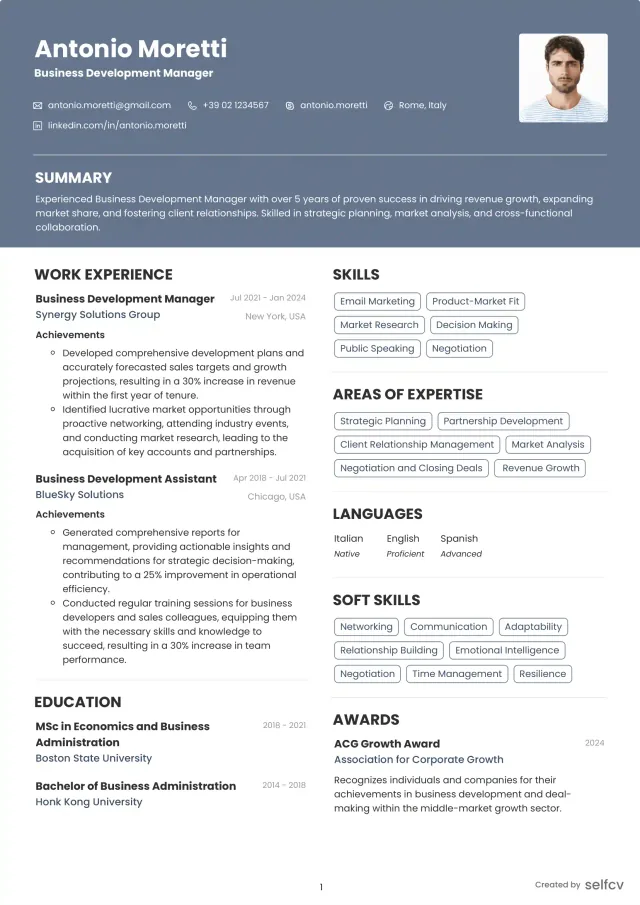
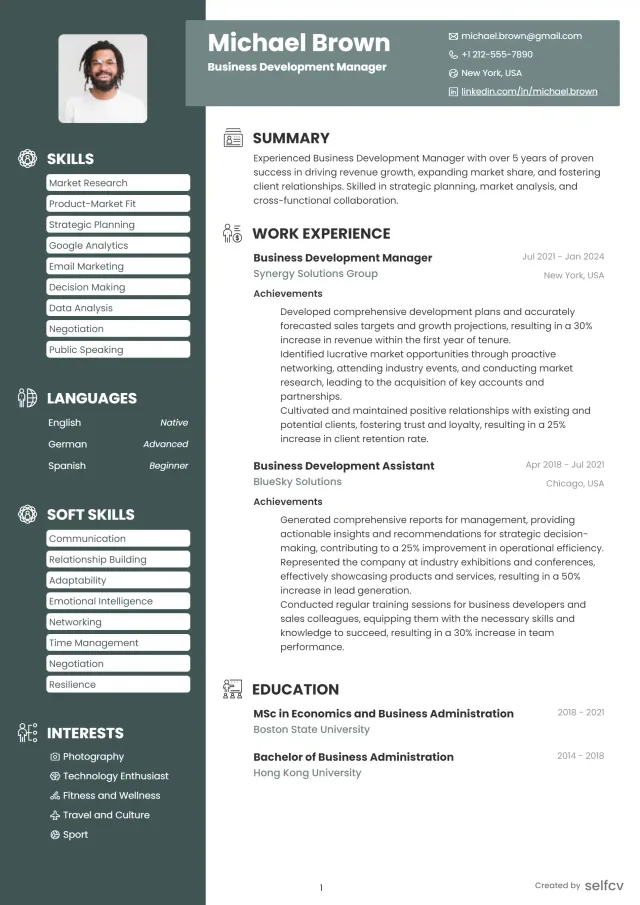
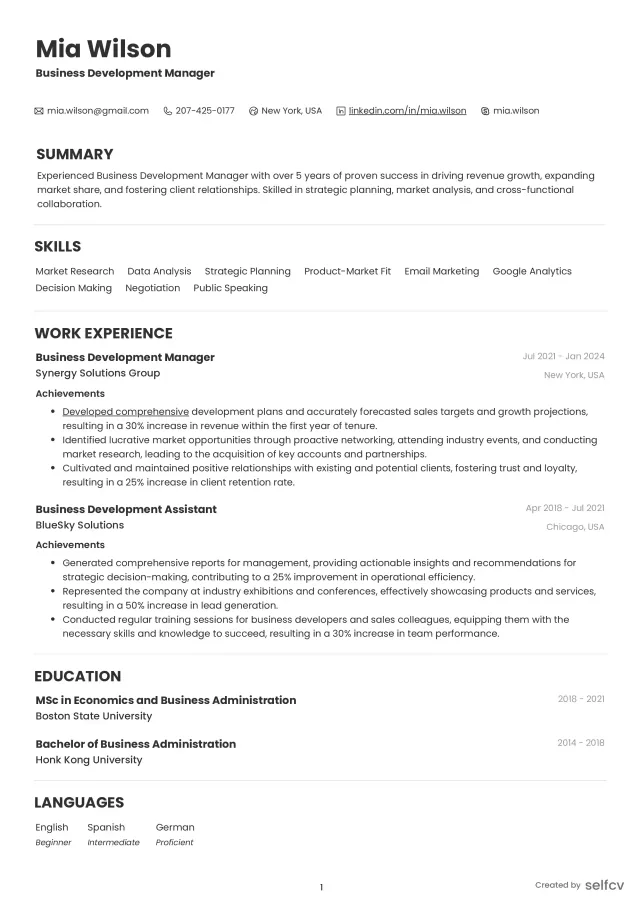
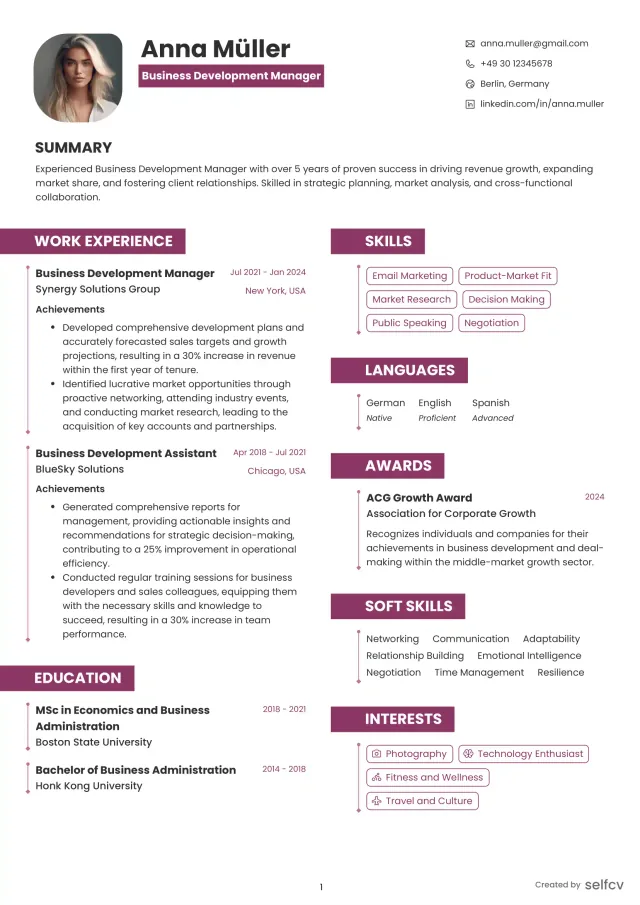
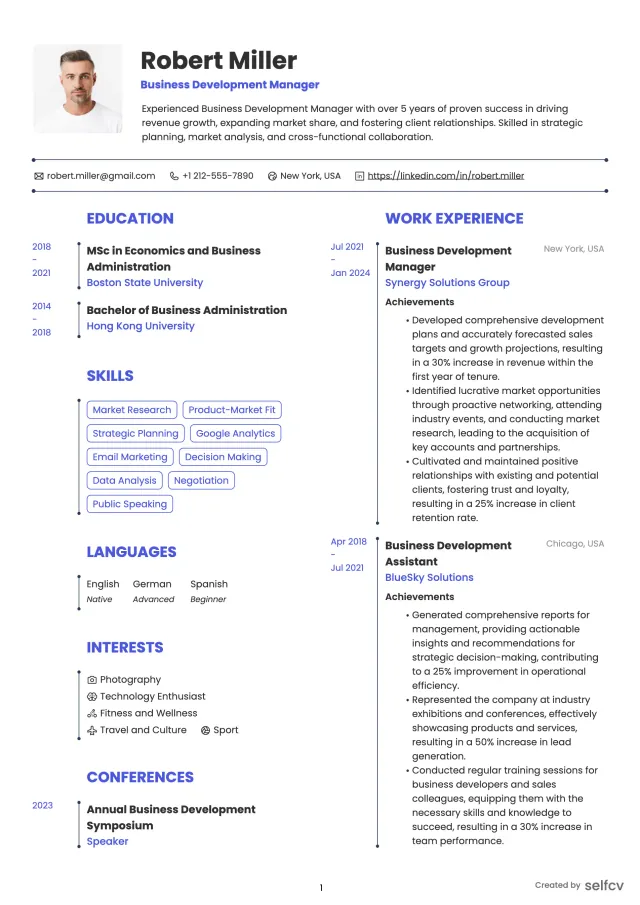
Find the template that’s right for you
No need to build anything from scratch. Using our templates or upload feature, you’ll get started easily and have a powerful resume in a few clicks.
Weak-to-strong achievement examples
Example 1:
Weak:
- Assisted with ventilator management.
Strong:
- Led ventilator weaning rounds and reduced median ventilator days from 6.8 to 4.9 in 9 months.
Why it works:
- The strong example shows leadership, a measurable outcome, and a time frame.
Example 2:
Weak:
- Helped with vasopressor drips.
Strong:
- Titrated vasopressors per sepsis protocol, reaching MAP goal within 45 minutes in 78% of cases and decreasing ICU length of stay by 0.7 days.
Why it works:
- Adds clinical context, a measurable process metric, and impact on LOS.
Example 3:
Weak:
- Participated in quality improvement.
Strong:
- Co-led a central line bundle project that lowered CLABSI rates from 2.1 to 0.6 per 1,000 line-days over one year.
Why it works:
- Shows scope (co-led), a measurable result, and a clear patient-safety deliverable.
Resume summary and objective examples by career level
Entry-level / New graduate ICU nurse (0-2 years)
- Objective: "Newly licensed RN with 12-week ICU clinical placement, simulation training in mechanical ventilation, and ACLS certification. Seeking a night-shift staff nurse role to apply SBTs and sepsis bundle knowledge while building bedside assessment skills."
Mid-level / Staff ICU nurse (2-7 years)
- Summary: "ICU RN with 4 years adult critical care experience, proficient in ventilator management, arterial line care, and vasopressor titration. Preceptor for new hires and active contributor to sepsis bundle compliance initiatives."
Senior / Charge / Resource ICU nurse (7+ years)
- Summary: "Senior ICU RN and charge nurse with 9 years of critical care experience, expertise in staff coordination, code leadership, ECMO troubleshooting support, and unit-level quality improvement that reduced ventilator days by 18%."
Career changer into ICU (eg, ED to ICU)
- Objective: "Emergency RN transitioning to ICU after 3 years in a level 1 ED. Skilled in rapid airway management, central line assist, and unstable patient triage. Completed a 120-hour ICU transition course and simulation training in ventilator alarms."
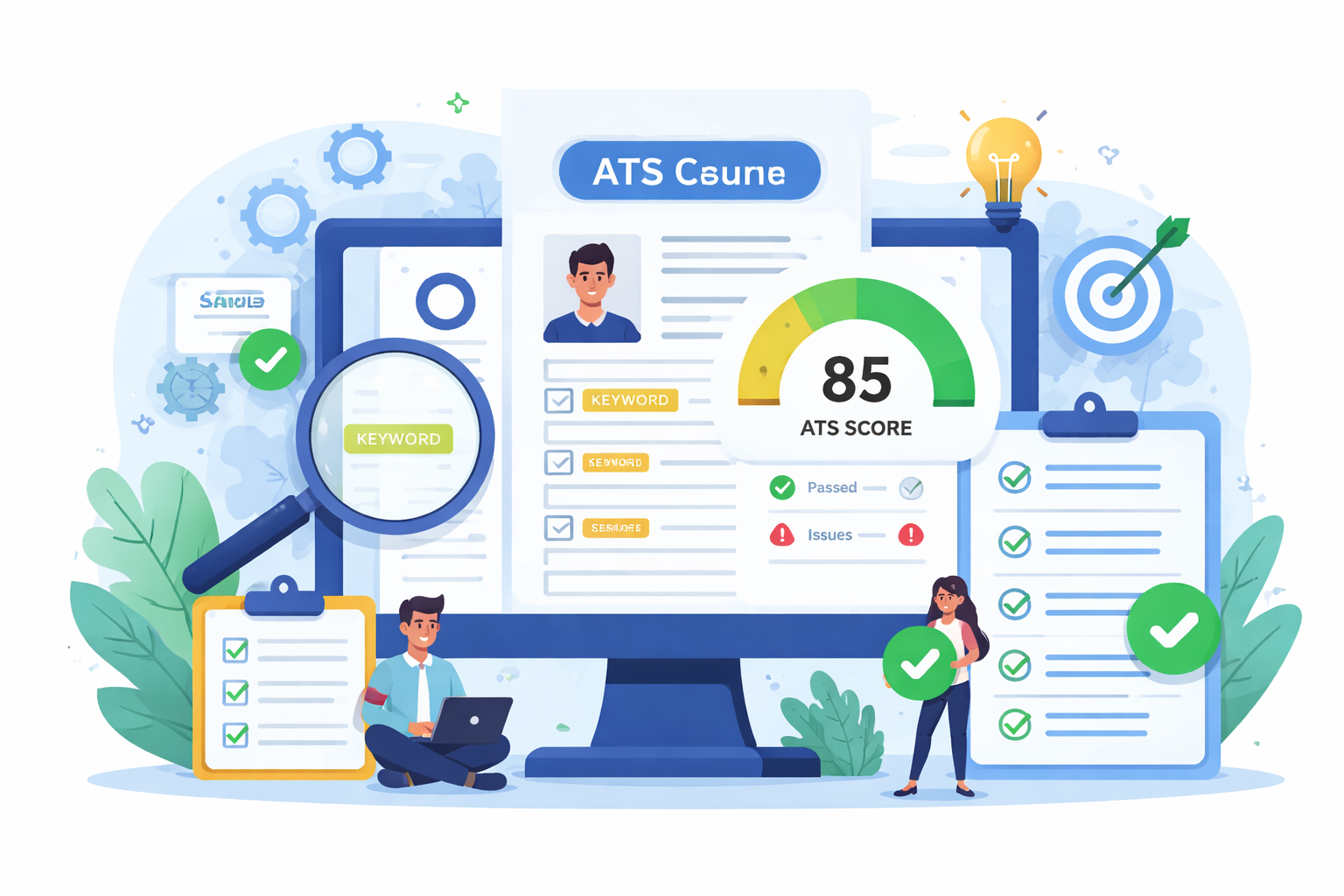
Check Your Resume with ATS
Make sure your resume passes Applicant Tracking Systems before recruiters see it.
- 📄 Upload your resume and get instant ATS feedback
- 🎯 Improve keyword matching for your target job
- ⚡ Boost your chances of getting shortlisted
Before-and-after resume snippets: convert duties into outcomes
Before (vague duty):
- "Monitored ventilators and gave meds."
After (outcome-focused):
- "Monitored ventilator parameters and collaborated with respiratory therapy to decrease ventilator-associated events by 25% through bundle adherence coaching."
Before (vague duty):
- "Worked nights and floated to other units."
After (clear value):
- "Provided night coverage across medical and cardiac ICUs, maintaining 1:2 acuity staffing and reducing agency overtime by 15% during high census periods."
Complete resume example (fictional)
The candidate, companies, and career history shown are fictional examples created for illustration and any resemblance to a real person or organization is coincidental.
Maya Thompson
Target Position
- Staff ICU Nurse (Adult Medical-Surgical ICU)
Location
- Seattle, WA, USA
Professional Summary
- Critical care RN with 4 years adult ICU experience, focused on ventilator management, vasopressor titration, and rapid response leadership. Known for measurable improvements in ventilator days and sepsis bundle adherence.
Grouped Skills
- Mechanical ventilation (AC, SIMV, PSV), SBTs, extubation readiness
- Vasopressor titration (norepinephrine, vasopressin), hemodynamic monitoring
- Arterial line and central line management, ABG interpretation
- Code blue and rapid response leadership, preceptor and charge experience
- Epic documentation, unit-based education, sepsis bundle implementation
Professional Experience:
Staff ICU Nurse
- Harborview Medical Center, Seattle, WA
- June 2020 - Present
- Managed 1:2 adult ICU assignments with frequent high-acuity patients and ECMO consultations.
- Led daily ventilator rounds and collaborated with respiratory therapy to reduce median ventilator days from 7.2 to 5.4 over 10 months.
- Titrated vasopressors per protocol for septic shock, achieving MAP target within 60 minutes in 80% of activations.
- Co-led a sepsis compliance project that improved bundle completion within 3 hours from 61% to 88%.
- Served as preceptor for 6 new staff nurses and developed a 4-week orientation checklist adopted by the unit.
ICU Nurse Resident (Precepted)
- Harborview Medical Center, Seattle, WA
- Jan 2019 - May 2020
- Completed a 12-month residency with supervision in ventilator management, arterial line monitoring, and rapid response participation.
- Documented 95% accuracy in medication titration charting during residency audits.
Education / Training
- Bachelor of Science in Nursing, University of Washington, 2018
- ICU Nurse Residency Program, Harborview Medical Center, 2019-2020
Certifications
- Registered Nurse, Washington State License (active)
- BLS, ACLS (current)
- CCRN (Certified Critical Care Nurse), 2022
Senior ICU resume example
Luis Ortega
Target Position
- ICU Charge Nurse / Resource Nurse (Cardiac ICU)
Location
- Toronto, ON, Canada
Professional Summary
- Charge nurse with 12 years in cardiac and cardiothoracic ICUs, experienced in staffing coordination, ECMO support, and perioperative critical care. Led projects improving handoff accuracy and reducing time-to-decannulation.
Grouped Skills
- ECMO support (VA/VV), cardiac postoperative care, vasoactive infusions
- Hemodynamic monitoring, POCUS basic applications, arterial line management
- Staff scheduling, mentorship, policy development
Professional Experience:
Charge Nurse, Cardiac ICU
- St. Mary Hospital, Toronto, ON
- March 2016 - Present
- Coordinated staffing for a 20-bed cardiac ICU with daily acuity-driven assignments.
- Implemented structured handoff that reduced missed medication reconciliations by 45%.
- Supervised ECMO transports and led education sessions for ECMO circuit safety.
- Managed interdisciplinary rounds and helped lower time-to-decannulation by 1.2 days on average.
Senior Staff Nurse, Cardiothoracic ICU
- St. Mary Hospital, Toronto, ON
- Feb 2013 - Feb 2016
- Primary nurse for complex post-op patients including LVAD support and post-op ECMO initiation.
- Mentored new grads and contributed to policy for early mobility in post-op cardiac patients.
Education / Training
- Bachelor of Science in Nursing, Ryerson University, 2012
- Advanced Cardiac Life Support instructor training completed for unit education
Certifications
- Registered Nurse, Ontario College of Nurses (active)
- BLS, ACLS, PALS
- ECMO Essentials course completion
Specializations and role-specific tailoring
Neonatal vs pediatric vs adult ICU tips:
- Neonatal ICU: emphasize neonatal resuscitation, NRP, ventilator types for neonates, neonatal dosing experience.
- Pediatric ICU: include PALS, family-centered care, growth and sedation scales.
- Adult ICU: focus on sepsis protocols, ventilator weaning, cardiac support.
Cardiac, neuro, and transplant ICU specifics:
- Cardiac ICU: highlight inotrope experience, post-op care, LVAD/ECMO exposure.
- Neuro ICU: document ICP monitoring, hyperosmolar therapy, targeted neurological assessments.
- Transplant ICU: note immunosuppression monitoring, infection prevention measures.
Travel and night-shift resumes:
- For travel roles include assignment dates, unit types, and orientation completion summary.
- For night shift state availability, years of night experience, and examples of independent decision-making during nights.
What to avoid and hiring red flags
Resume mistakes that reduce interview chances:
- Vague duties without outcomes, eg, "provided bedside care"
- No clear licensure or expired certifications listed
- Inflated or ambiguous claims (claiming ECMO leadership without training)
- Frequent short travel or float assignments listed without reason
- Omitting shift availability when applying for night or on-call roles
Realistic red flags for hiring managers:
- Long gaps without continuing education or verification
- Missing basic certifications expected for the unit (BLS/ACLS for adult ICU)
- Inconsistent dates or overlapping full-time roles without explanation
Projects, quality improvement, and portfolio items to include
Project ideas that translate well to resume bullets:
- Ventilator weaning protocol optimization and measured reduction in ventilator days
- Central line bundle implementation and CLABSI rate reduction
- Sepsis bundle compliance improvement with time-to-antibiotics metrics
- Handoff standardization reducing medication errors
Portfolio items to store and present in interviews:
- QI project summary with your role and outcome data (1-page)
- Simulation scenarios you led or created
- Education materials or checklists you developed
- Audit reports you contributed to (redacted for patient privacy)
Presenting international credentials and transitioning into ICU
For internationally educated nurses applying in English-speaking markets:
- Translate credentials clearly: degree name, exact dates, and country of issue
- State license exam milestones and expected timelines for local licensure
- Highlight comparable clinical exposure and simulation training
- Include language proficiency and verified English testing only if required by employers
Transitioning to ICU from ED/OR:
- Emphasize overlapping competencies: airway management, critical thinking, invasive line familiarity
- Note targeted training completed (ICU transition course, simulation, preceptorship)
- Convert ED/OR accomplishments into ICU-relevant outcomes (eg, rapid intubation success, transfusion management)
Interview hooks, cover letter cues, and shift availability phrasing
Cover letter hooks that connect experience to ICU needs:
- Short example: "In my last role I led ventilator rounds and reduced median ventilator days by 1.8 days, a result I plan to replicate in fast-paced ICUs like yours."
Shift availability phrasing to include on resume:
- "Available nights and flexible to float between adult medical and cardiac ICUs"
- "Willing to work 12-hour nights, PRN weekend coverage, and internal float to step-down unit"
If you have restrictions, state them succinctly to avoid surprises during scheduling
Related careers and logical next steps
Related professions to consider or link to in an application package:
- Critical care RN specialties (cardiac ICU, neuro ICU, transplant ICU)
- Emergency Department nurse
- Transport nurse (critical care transport)
- ICU educator or clinical nurse specialist
- Charge nurse or nurse manager roles
Why these matter:
- They show career pathways and help recruiters place you in appropriate internal roles.
Frequently asked questions
How do I write an ICU nurse resume that passes ATS?
- Use clear headings, include full clinical terms and common abbreviations, mirror job-post wording where accurate, and avoid tables or graphics.
What ICU skills and keywords should I include on my resume?
- Ventilator management, vasopressor titration, arterial line care, code blue, ACLS, hemodynamic monitoring, ECMO support if relevant.
How do I quantify ICU nursing achievements on a resume?
- Use metrics like ventilator days, CLABSI rates, sepsis bundle completion percentages, time-to-MAP, and reduction in LOS with time frames.
Can I highlight ECMO/ventilator/arterial line experience without violating privacy?
- Yes. Use aggregated metrics and remove patient identifiers. Describe processes and outcomes rather than patient specifics.
What mistakes reduce interview chances for ICU nurse applicants?
- Missing licensure/certification details, vague duties without measurable outcomes, and failing to state shift or unit availability.
How to present shift availability and float experience on an ICU resume?
- State it plainly in the summary or near the top: "Available nights, experienced floater across med-surg and cardiac ICUs."
Conclusion: prioritized 7-day resume overhaul and recruiter-style scorecard
Unique ICU-focused wrap-up
- Your resume should map clinical responsibility to measurable impact and show recent, verifiable competence in devices and protocols.
7-day prioritized overhaul checklist
Day 1 - Licensure and certifications
- Verify RN license line and list BLS/ACLS/PALS/CCRN with expiration months
Day 2 - Top section and summary
- Write a 2-3 line summary focused on ventilator, vasopressor, and acuity experience
Day 3 - Skills and ATS keywords
- Add device names, drug classes, and long-tail phrases from job postings you target
Day 4 - Experience bullets
- Convert 2 duties per job into achievement bullets with metrics
Day 5 - Projects and portfolio
- Create short summaries of QI or education projects and anonymize data
Day 6 - Proofread and compliance check
- Check dates, remove PHI, confirm no inflated claims, verify local training requirements
Day 7 - Final formatting and export
- Save as PDF with readable text, confirm ATS-friendly layout, and craft a tailored cover note for each application
Recruiter-style scorecard (self-assess each item 0-5)
- Licensure & certs current
- Ventilator & vasopressor experience documented
- Two measurable achievements in last role
- Shift availability clear
- QI or teaching contribution noted
- ATS keywords present in summary and skills
Next action items for the reader
- Use the scorecard to identify the top 3 resume gaps and address them in the 7-day plan
- Prepare interview bundles: one set of ICU-specific responses for ventilator/vasopressor scenarios, one QI/project narrative, and one rapid-response leadership example
Final reminder
- Verify local regulatory and employer training requirements before applying, and schedule any required competency validation or licensing steps early.
Why job seekers choose selfcv
Thousands of professionals use selfcv to build modern, ATS-friendly resumes, customize templates, and apply for jobs with confidence.
Thanks to SelfCV, I now have a professional and polished resume that I'm confident in sending to potential employers. I will definitely be recommending your service to other job seekers. Keep up the great work!
SelfCV offers an intuitive interface that makes creating a professional CV straightforward. Whether you're a student, a fresh graduate, or an experienced professional, the step-by-step process ensures that users of all levels can craft an impressive CV.
Easy to use resume builder. They have very intuitive ui for customizing and keeping multiple versions of resume.
The right tool for creating CVs. As a student I was looking for a tool that could help me quickly create a CV for internship applications. This was just the right tool. I am very satisfied!
This is one of the best tools I’ve ever used - I was able to build my CV in seconds with high quality template. Highly recommended!
Amazing app with easy user experience. Loved it. Its intuitive and easy to navigate, designs are very nice.
