
Infrastructure Engineer Resume: Project Bullets, ATS Keywords and Measurable Outcomes for 2026
Infrastructure Engineer Resume: Project Bullets, ATS Keywords and Measurable Outcomes for 2026
Written by Armen Mkhitaryan
Top hiring pains for infrastructure teams - downtime, automation debt, risky cloud migrations, and spiraling costs. This resume article focuses on turning infrastructure work into measurable outcomes that pass ATS filters and convince hiring managers of your operational impact.
30-second resume checklist for the key hiring pains
- Show scope: number of servers, regions, services, or users supported
- Quantify reliability: uptime, SLOs, MTTR reductions
- Tie automation to outcomes: time saved, deployment frequency, error rate drop
- Include IaC artifacts: Terraform modules, Ansible roles, repo links (redacted if needed)
- List on-call ownership and incident contributions without sensitive details
- Use ATS-friendly keywords matched to the job posting
- State cloud vs datacenter experience and hybrid patterns clearly
- Use technical metrics: CPU/memory capacity, network throughput, cost savings in dollars or percent
- Highlight collaboration: platform owners, application teams, network, and security
- Keep the top half focused on achievements, not tasks
Quick read: employers often triage resumes for measurable production ownership and automation evidence. If your resume answers "what changed because of you" it moves to interviews.
ATS Keywords Infrastructure Engineers Should Use
Use these phrases naturally in experience and project lines. Match to the job posting and avoid keyword stuffing.
Core infrastructure keywords
- Infrastructure Engineer resume
- Terraform, Ansible, CloudFormation, Pulumi
- Kubernetes, k8s, kubeadm, EKS, GKE, AKS
- Hybrid cloud, on-prem, datacenter migration
- VPC, VLAN, subnet, BGP, OSPF
- Load balancer, HAProxy, Nginx
- Prometheus, Grafana, ELK, Splunk, Datadog
- CI/CD, Jenkins, GitHub Actions, GitLab CI
- SLO, SLA, MTTR, MTTD, availability
- Disaster recovery, backup, DR drills
Contextual long-tail phrases to include
- Terraform automation for hybrid cloud cost reduction
- Kubernetes infrastructure for multi-region services
- Datacenter migration to AWS with minimal downtime
- Ansible playbooks for server hardening and compliance
- Reduced MTTR through automated rollback and runbooks
- Capacity planning for 10k concurrent users
How to apply
- Mirror phrases from the job posting in your resume where truthful
- Prefer phrases that include tool plus outcome, not tool alone
- Put keywords in Skills section, experience bullets, and project headers
Tools, Platforms, and Typical Equipment to List
List tool names and environments, with brief context of scale or purpose.
Cloud platforms and orchestration
- AWS, Azure, GCP with region/size context (example: AWS, multi-region)
- Kubernetes distributions (EKS, GKE, AKS, kops)
Automation and provisioning
- Terraform modules, Ansible roles, Packer
- CI systems: Jenkins, GitHub Actions, GitLab CI
Observability and incident tools
- Prometheus, Grafana, ELK stack, Datadog, PagerDuty
Networking and datacenter equipment
- BGP, OSPF, VLAN design, Cisco/Juniper switches, F5 load balancers
Storage and compute
- SAN/NAS, NFS, iSCSI, VMware vSphere, KVM
What to include on a resume line
- Tool name, purpose, and scale: "Terraform modules for VPC and RDS provisioning, 40 modules, supported 50 services"
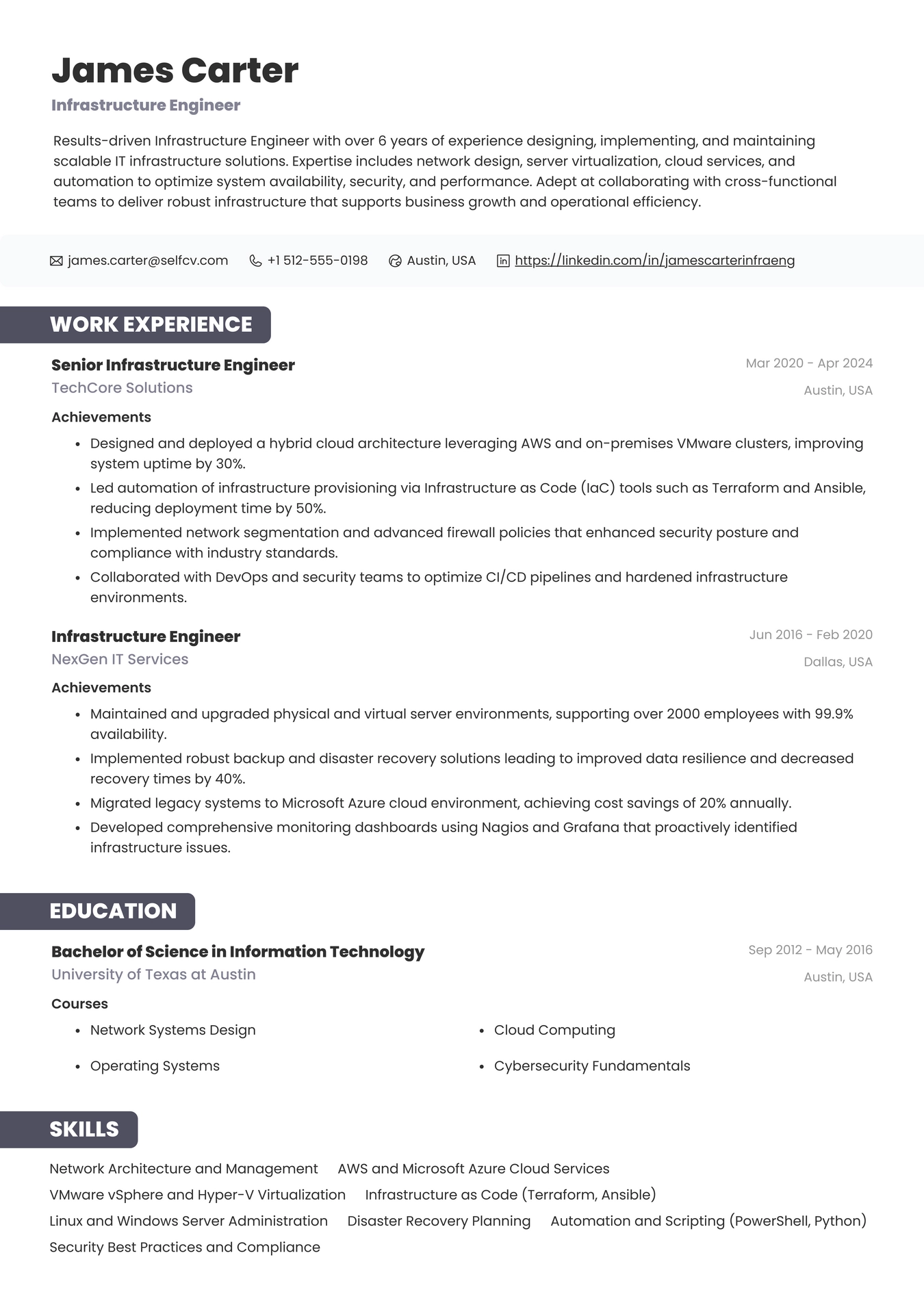
Resume Example for Infrastructure Engineer
Technical Skills, Deliverables, and Specializations to Highlight
Make skills deliverable-focused so hiring managers see what you produced.
Technical skill categories
- Infrastructure as Code and automation
- Cloud architecture and hybrid networking
- Kubernetes platform administration
- Observability and incident response
- Capacity planning and cost optimization
- Security hardening and compliance
Deliverables to name on a resume
- Production-ready Terraform module libraries
- Ansible automation for OS and application rollout
- Kubernetes cluster lifecycle and autoscaling policies
- DR runbooks and verified recovery exercises
- Capacity models with forecasting and spend reductions
Specializations that matter
- Datacenter migration and lift-and-shift
- Multi-cloud or hybrid cloud operations
- Network infrastructure and BGP failover
- High-throughput storage and compute platforms
Work Environment, Stakeholders, and Compliance to Describe
Hiring managers want context. Use short phrases to show where you worked and who you collaborated with.
Work environments
- On-prem datacenter operations
- Cloud-first SaaS platform
- Regulated industries (finance, healthcare) with compliance needs
- Global multi-region deployments
Common stakeholders
- Platform and product engineering teams
- Network and security teams
- Capacity planning and finance for cost ownership
- Incident commanders and SREs for runbook integration
Compliance and quality standards
- PCI, SOC2, HIPAA compliance support
- Audits, configuration baselines, and patch windows
- Change control and CAB processes
- SLO/SLA reporting and operational metrics
Metrics Infrastructure Engineers Should Quantify
Numbers tell the story. Use them to show business impact.
Operational metrics to include
- Uptime and availability percentages (example: 99.99% availability)
- MTTR and MTTD reductions (example: MTTR down 45%)
- Deployment frequency and lead time improvements
- Cost savings in dollars or percent from cloud optimizations
- Scale supported: nodes, pods, containers, services, users
How to present metrics
- Use baseline and result: "Reduced monthly cloud spend 27% ($120k/year) by rightsizing and reserved instance strategy"
- When sensitive, use ranges or percentages instead of exact numbers
- Tie metrics to business outcomes: revenue uptime, customer impact, platform stability
Projects to Showcase and Portfolio Examples
Choose 3-5 projects that demonstrate scale, automation, and impact.
Project types to include
- Datacenter migration to cloud with downtime metrics
- Terraform rollout for repeatable VPC and networking
- Kubernetes platform build and multi-region deployment
- Automation of on-call runbooks and incident rollback
- Cost optimization and capacity planning program
Portfolio artifacts to link (or describe if private)
- Git repo with Terraform modules or Ansible roles (redacted)
- Architecture diagrams and runbooks (non-sensitive)
- Postmortem summaries with lessons learned (redacted)
- Short demo video or README showing a deployment flow
How to describe a project bullet
- Problem, action, outcome: "Problem: frequent inconsistent manual provisioning. Action: built Terraform modules and CI pipeline. Outcome: provisioning time cut from 3 hours to 8 minutes, reduced config drift."
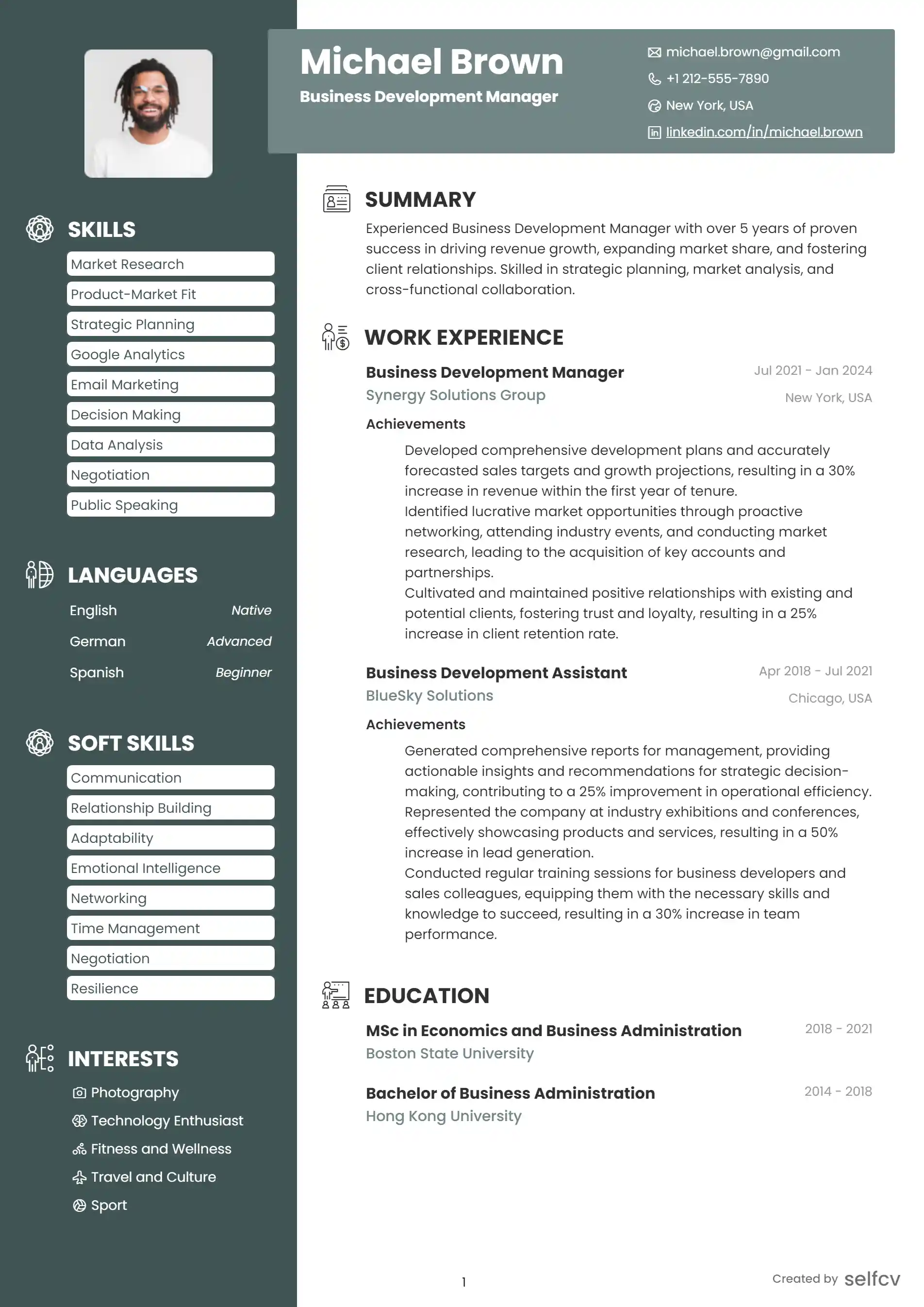
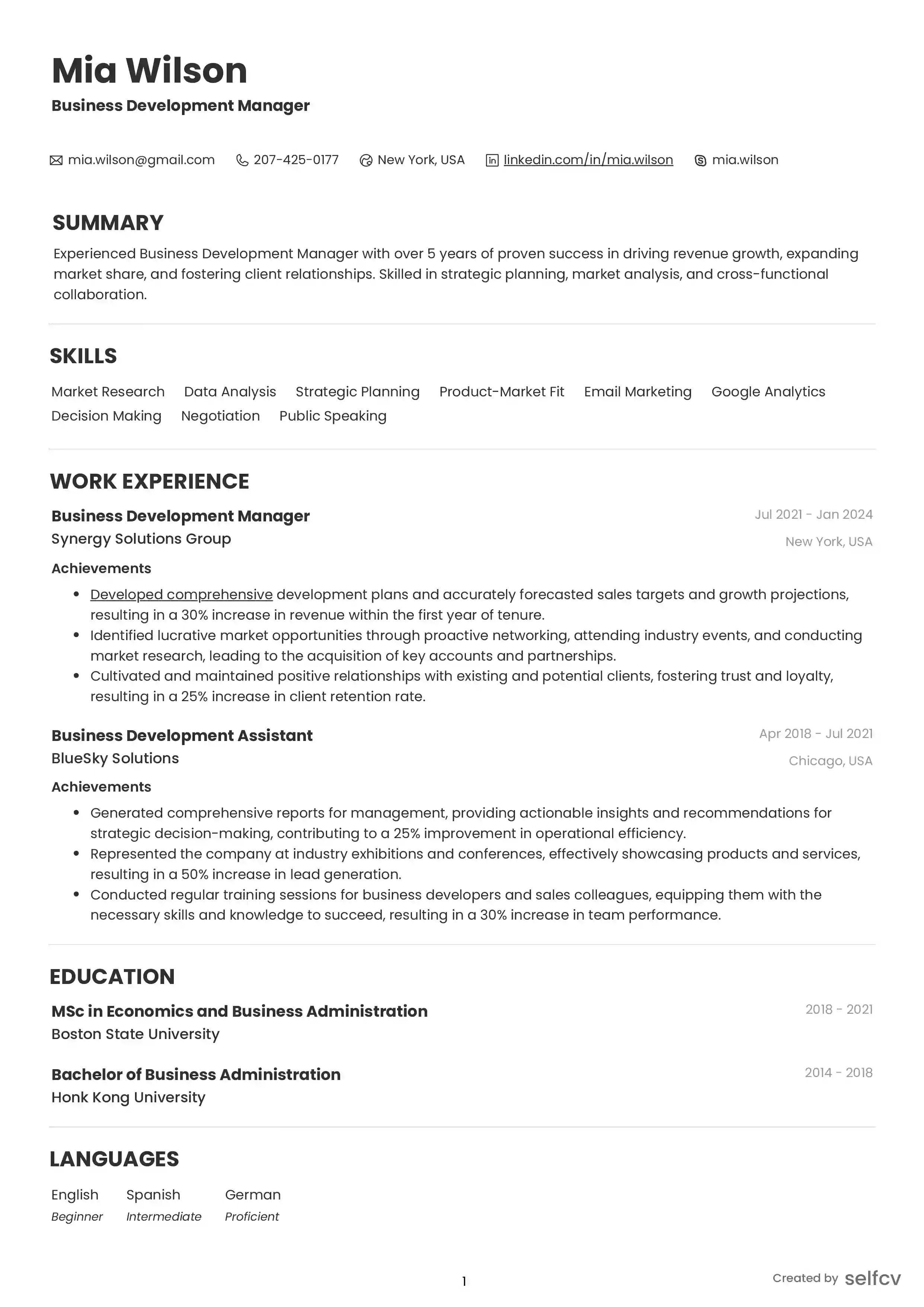
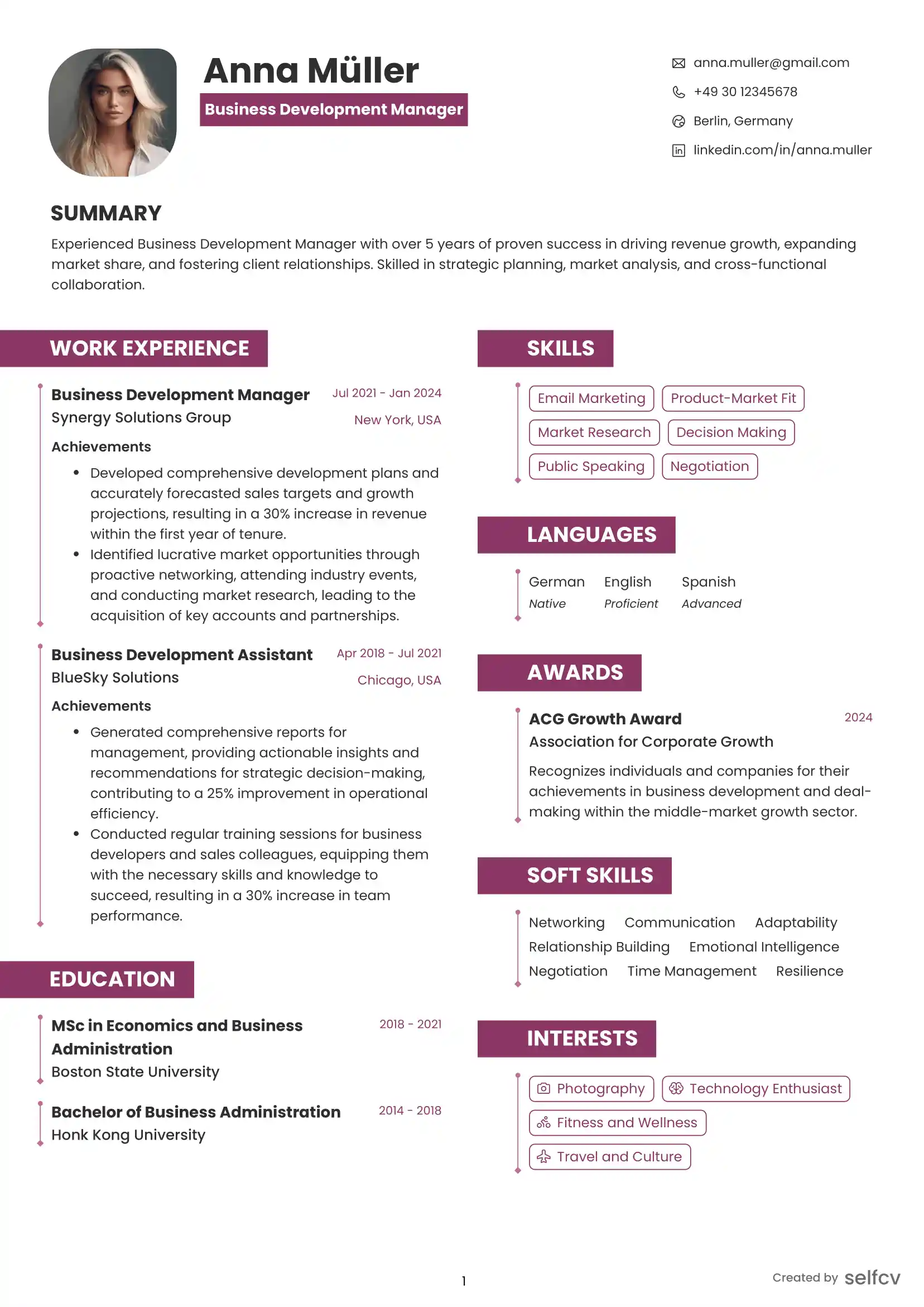
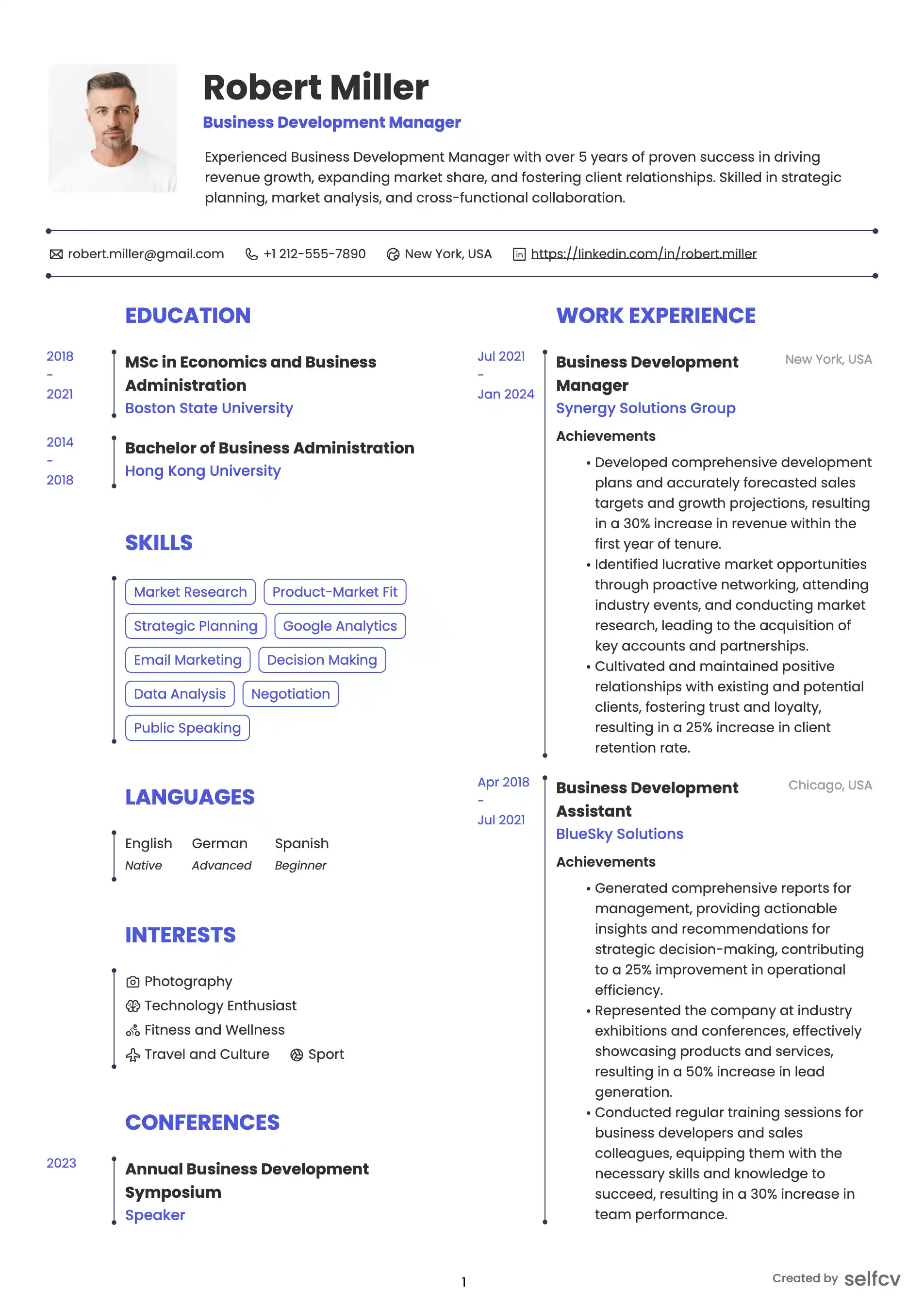
Find the template that’s right for you
No need to build anything from scratch. Using our templates or upload feature, you’ll get started easily and have a powerful resume in a few clicks.
Achievement Bullet Rewrites and Weak-to-Strong Examples
How to convert task lines into achievement bullets: focus on outcome, scope, and tools.
Example 1:
Weak: Managed servers and updated configurations.
Strong: Automated OS and package updates across 250 Linux hosts using Ansible, reducing manual patch time by 90% and eliminating drift incidents.
Why it works: Adds scale, tool, measurable outcome, and impact on incidents.
Example 2:
Weak: Helped with cloud migration.
Strong: Led AWS migration of 18 services with lift-and-shift and refactor plan, achieved 99.95% uptime during migration windows and cut legacy hosting costs 36%.
Why it works: Specifies ownership, scope, uptime metric, and cost result.
Example 3:
Weak: Improved monitoring.
Strong: Implemented Prometheus and Grafana dashboards for 120 services, introduced SLO alerts that reduced P1 incidents by 40% and shortened average MTTR from 2.5 hours to 1.4 hours.
Why it works: Names tools, scale, SLO impact, and MTTR improvement.
Career-Level Summary and Objective Examples
Use concise summaries that match experience level and role target.
Entry-level (0-2 years)
- Recent systems engineering graduate with hands-on lab experience in Linux, Terraform, and Docker. Built automated lab deployments and contributed to an open-source Terraform module library. Seeking an Infrastructure Engineer role to apply IaC and monitoring skills.
Mid-level (3-6 years)
- Infrastructure Engineer with 4 years delivering hybrid cloud infrastructure using Terraform and Ansible. Owned CI/CD integrations for platform teams and reduced provisioning time by 80%. Looking to join a platform team focused on reliability and automation.
Senior (7+ years)
- Senior Infrastructure Engineer with 9 years running global datacenter and cloud platforms, experience leading datacenter migrations and Kubernetes platform rollouts. Proven track record reducing MTTR and optimizing cloud spend for enterprise services.
Career changer (from Systems Admin or DevOps)
- Systems Administrator transitioning to Infrastructure Engineer, 6 years managing Linux fleets and networking. Delivered automation playbooks and led small-scale Kubernetes adoption. Seeking roles emphasizing IaC and platform reliability.
Check Your Resume with ATS
Make sure your resume passes Applicant Tracking Systems before recruiters see it.
- 📄 Upload your resume and get instant ATS feedback
- 🎯 Improve keyword matching for your target job
- ⚡ Boost your chances of getting shortlisted
Complete Fictional Resume Example
The candidate, companies, and career history shown are fictional examples created for illustration and any resemblance to a real person or organization is coincidental.
Candidate Name
Alex Moreno
Target Position
Infrastructure Engineer
Location
London, UK (open to remote, EMEA hours)
Professional Summary
Infrastructure Engineer with 6 years designing and operating hybrid cloud platforms. Experienced in Terraform, Kubernetes, Prometheus, and Cisco networking. Delivered a datacenter migration and built Terraform module library used across 40 services, improving deployment speed and reducing costs.
Grouped Skills
- IaC: Terraform, CloudFormation
- Configuration Management: Ansible, Packer
- Container Platform: Kubernetes (EKS), Docker
- Observability: Prometheus, Grafana, ELK
- Cloud: AWS (VPC, EC2, RDS), Azure basics
- Networking: BGP, VLANs, load balancers
- CI/CD: GitHub Actions, Jenkins
- Compliance: SOC2 support, patching and baselines
Professional Experience
Platform Infrastructure Engineer, FinServ Cloud, London
2021-2025
- Led Terraform module library creation for VPC, IAM, and RDS provisioning used by 40 services.
- Orchestrated datacenter migration of 12 stateful applications to AWS with 99.96% uptime during cutovers.
- Implemented Prometheus and Grafana dashboards, reduced P1 incidents by 35% and MTTR by 48%.
- Automated patching across 300 servers with Ansible, cutting manual maintenance windows by 70%.
Infrastructure Engineer, EdgeNet Telecom, Manchester
2018-2021
- Built Kubernetes clusters (EKS) for edge services and implemented cluster autoscaling to support traffic spikes up to 120k concurrent sessions.
- Designed BGP failover topology with redundant routers, improving cross-region failover times by 60%.
- Partnered with security to automate CIS benchmark hardening, passing quarterly audits with no major findings.
Systems Administrator, CloudOps StartUp, Remote
2016-2018
- Managed Linux fleet of 120 hosts, introduced Ansible playbooks for standardized builds.
- Created backup and DR runbooks and executed quarterly recovery drills with <30 minute RTO in tests.
Education / Training
- BSc Computer Science, University of Manchester
- Professional workshops in Cloud Architecture and Kubernetes operations
Certifications
- HashiCorp Certified: Terraform Associate
- Certified Kubernetes Administrator (CKA)
- AWS Certified Solutions Architect - Associate
On-call, Incident Response, and How to Write It Safely
On-call experience is critical but often sensitive. Describe behavior and outcomes, not internal secrets.
How to phrase on-call lines
- State role and scope: "Primary on-call for platform servicing 50 microservices across 3 regions"
- Focus on contributions: runbooks authored, playbooks automated, rollback scripts created
- Use metrics: P1 incidents per quarter, MTTR improvements, incident postmortem actions completed
Safe examples
- "Primary on-call for platform supporting 30 services; authored 12 runbooks and automated rollback reducing average MTTR 40%."
- "Participated in incident response, documented 6 postmortems and implemented follow-up automations to prevent recurrence."
What not to include
- No sensitive incident details, IP addresses, internal ticket numbers, or customer-identifying information
Datacenter Migration and Hybrid Cloud Resume Lines
Datacenter migration claims must show planning, execution, and results.
Strong migration bullet elements
- Scope: number of applications, databases, or hosts
- Role: lead, technical owner, or contributor
- Approach: lift-and-shift, refactor, phased cutover, runbook-driven
- Results: downtime, uptime during migration, cost impact
Sample bullets
- "Led lift-and-shift migration of 18 applications and 220 hosts to AWS over 6 months with phased cutovers and automated validations, maintaining 99.95% uptime."
- "Implemented VPN+Direct Connect topology and Terraform networking stacks to support hybrid workloads and reduced cross-region latency 22%."
Hybrid cloud details to call out
- Data replication strategy, DR validation, network topology, routing (BGP), and security groups or NSGs
Terraform, Ansible, and Kubernetes Resume Bullet Examples
Tool-specific bullets should pair technology with measurable outcomes.
Terraform bullets
- "Built modular Terraform registry with 45 modules for VPCs, IAM, and RDS, enabling teams to provision compliant environments in under 10 minutes."
Ansible bullets
- "Developed Ansible roles for OS hardening and app deployment across 300+ hosts, cutting manual rollout time from 4 hours to 20 minutes."
Kubernetes bullets
- "Deployed EKS clusters with cluster-autoscaler and pod disruption budgets, supporting traffic spikes up to 150k RPS and improving availability to 99.99%."
General guidance
- Always include scale and outcome
- Mention CI integration when provisioning is automated for teams
SRE vs Infrastructure Engineer Resume Differences
Explain where to emphasize differences when tailoring resumes.
Infrastructure Engineer focus
- Physical and virtual infrastructure, networking, IAM, provisioning, datacenter operations, hybrid cloud
- Deliverables: Terraform modules, network designs, migrations, storage and compute management
SRE focus
- Service-level objectives, error budgets, software reliability practices, observability, incident postmortems, automation for reliability
How to tailor
- For SRE roles, emphasize SLO work, automation of recovery, and postmortems
- For Infrastructure roles, emphasize provisioning, networking, datacenter and cloud architecture, and hardware-related responsibilities
What Hiring Teams Evaluate in Infrastructure Resumes
Hiring teams look for evidence of production ownership, repeatable automation, and measurable reliability improvements.
Key evaluation points
- Clear tech stack and tools used
- Demonstrated scope and scale of systems supported
- Quantified outcomes (MTTR, uptime, cost savings)
- Evidence of collaboration with product, security, and network teams
- Artifacts or portfolio materials that can be reviewed
Red flags to avoid
- Vague claims like "managed infrastructure" without scope
- Listing many tools with no outcome statements
- Security incidents described without context or remediation actions
Weak-to-Strong Achievement Examples (Additional)
More before-and-after examples to upgrade your bullets.
Example 4:
Weak: Wrote automation scripts.
Strong: Replaced 12 manual provisioning scripts with a GitOps pipeline, reducing deployment errors by 85% and enabling self-service for developer teams.
Why it works: Shows tool change, automation pattern, error reduction, and team enablement.
Example 5:
Weak: Monitored systems.
Strong: Built alerting thresholds and runbooks for 80 services, introduced alert deduplication and reduced false positives by 60%.
Why it works: Quantifies scope and improvements in signal quality.
Example 6:
Weak: Reduced costs.
Strong: Implemented reserved instance and rightsizing program, cutting yearly cloud bill by $200k while maintaining service capacity.
Why it works: Adds concrete savings and ties actions to result.
FAQs for Infrastructure Engineer Resumes
Q: What should I put on an Infrastructure Engineer resume?
- A: Prioritize measurable outcomes, scope, tools, and project artifacts. Lead with the problem you solved and the result you created.
Q: How do I write Infrastructure Engineer resume bullets for Terraform/Ansible/Kubernetes?
- A: Use the format Problem - Action - Outcome and include scale. Example: "Automated X with Terraform, enabling Y, which reduced Z by N%."
Q: Which keywords do ATS look for in infrastructure resumes?
- A: Include specific tools and contextual phrases: Terraform, Ansible, Kubernetes, VPC, BGP, Prometheus, MTTR, SLO, datacenter migration. Match the job posting.
Q: How to quantify infrastructure achievements (MTTR, uptime, cost savings) on a resume?
- A: Use before-and-after and percentages or dollar amounts. If sensitive, use ranges or percentages and avoid customer-specific details.
Q: How to show on-call and incident response experience without sensitive details?
- A: State your role, scope, runbooks authored, and metrics like MTTR improvement or number of postmortems led. Avoid incident secrets.
Q: How to tailor an infrastructure resume for cloud-first vs datacenter roles?
- A: For cloud-first emphasize IaC, cloud services, and multi-region designs. For datacenter roles emphasize hardware, network topology, SAN, and rack-level operations.
Related Careers
Common related roles to mention or consider when tailoring experience
- Site Reliability Engineer (SRE)
- DevOps Engineer
- Network Engineer
- Cloud Engineer
- Systems Administrator
- Platform Engineer
Conclusion, Practical Checklist, and Next Actions
Infrastructure-specific closing and next steps
Short conclusion
- A strong Infrastructure Engineer resume shows scope, automation, and measurable operational outcomes. Focus on projects where you reduced risk, cost, or time-to-provision and prove it with metrics.
Practical checklist before applying
- Run an ATS keyword check against the job description
- Replace task-heavy bullets with Problem-Action-Outcome bullets
- Add 2-3 portfolio artifacts or redacted snippets (Terraform module, runbook, architecture diagram)
- Include on-call scope and MTTR or SLO achievements
- Verify tools and certifications are accurate and relevant for the target role
Interview prep prompts focused on incidents and architecture
- Prepare 2-3 incident postmortems you can discuss at a high level: what went wrong, how you responded, and what automation or process fixed it
- Be ready to sketch network or cluster topology and explain trade-offs
- Practice describing a Terraform module lifecycle and how you test changes
Next action
- Audit one resume section this week, run it through an ATS test, update LinkedIn summary to match key outcomes, and link one non-sensitive portfolio artifact or README.
Why job seekers choose selfcv
Thousands of professionals use selfcv to build modern, ATS-friendly resumes, customize templates, and apply for jobs with confidence.
Thanks to SelfCV, I now have a professional and polished resume that I'm confident in sending to potential employers. I will definitely be recommending your service to other job seekers. Keep up the great work!
SelfCV offers an intuitive interface that makes creating a professional CV straightforward. Whether you're a student, a fresh graduate, or an experienced professional, the step-by-step process ensures that users of all levels can craft an impressive CV.
Easy to use resume builder. They have very intuitive ui for customizing and keeping multiple versions of resume.
The right tool for creating CVs. As a student I was looking for a tool that could help me quickly create a CV for internship applications. This was just the right tool. I am very satisfied!
This is one of the best tools I’ve ever used - I was able to build my CV in seconds with high quality template. Highly recommended!
Amazing app with easy user experience. Loved it. Its intuitive and easy to navigate, designs are very nice.
