
Investment Banking Analyst Resume Examples & ATS-Ready Bullet Points (2026)
Written by Armen Mkhitaryan
Problem scenario:
A resume lands on a hire manager's desk that says "supported M&A deals" with no values, model types, or individual contribution. It gets skimmed and moved to no-hire.
Fix in one line:
Convert vague support language into a quantified, role-specific bullet that demonstrates the model you built, the scope of the deal, and the outcome.
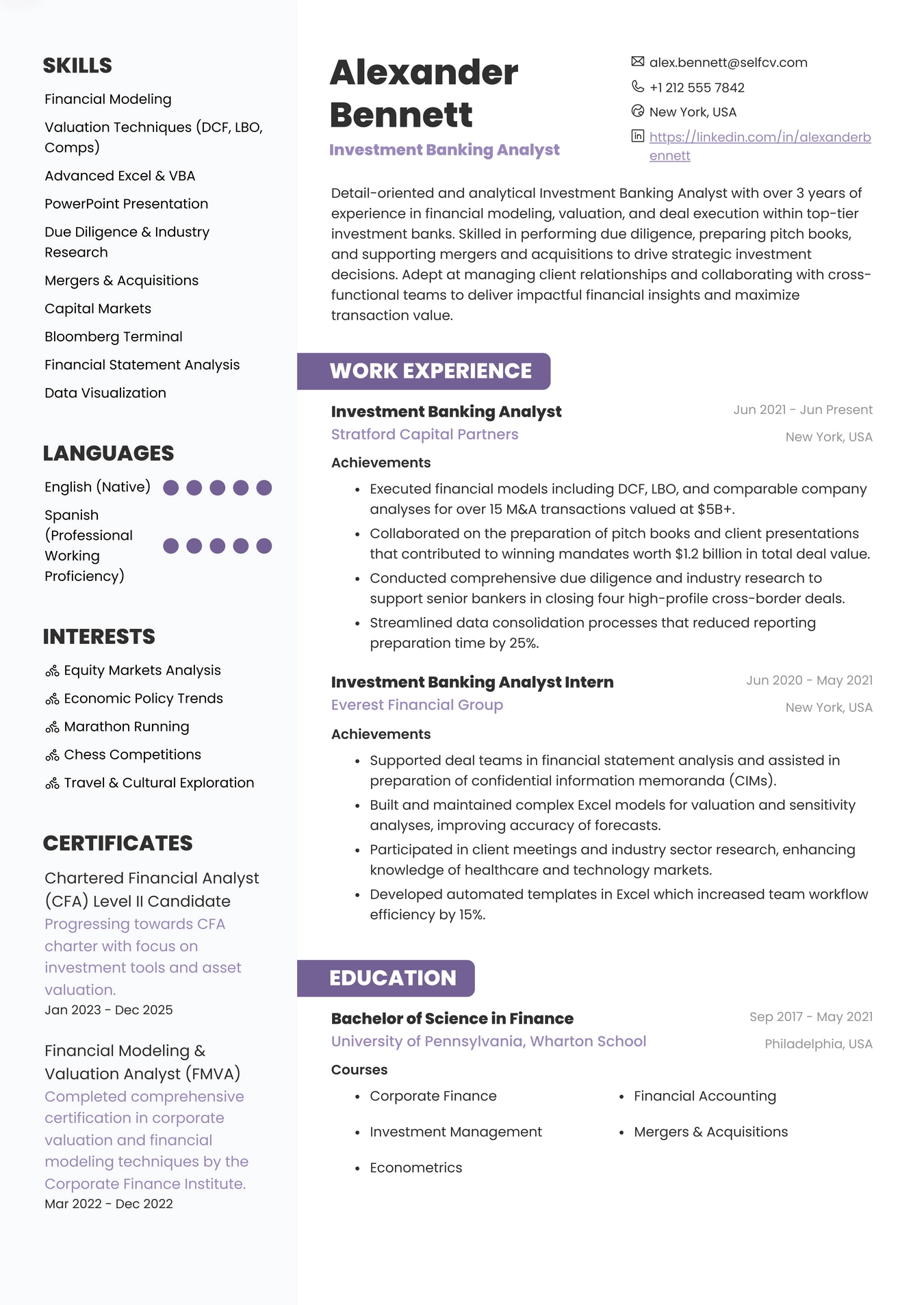
How hiring screens actually work for investment banking analyst roles
Quick screening pattern:
- ATS + initial keyword match for M&A, financial modeling, DCF, LBO, pitchbook
- 6-12 second visual scan for deal sizes, model types, and measurable outcomes
- Human read to verify consistency of dates, technical skills, and recent transaction work
What hiring managers expect at a glance:
- clear transaction bullets with your role (built, modeled, coordinated)
- hard technical signals (3-statement models, DCF, LBO, comps)
- evidence you can handle volume (number of pitchbooks/models produced)
Hiring patterns to keep in mind:
- bulge-bracket roles favor large deal sizes, named processes, and polished formatting
- boutique banks value end-to-end execution bullets and client exposure
- middle-market roles reward direct ownership and cross-functional diligence
Resume structure and section priority for 2026
Recommended order:
- Header and contact (email, phone, LinkedIn)
- Professional summary or objective (optional for juniors; recommended for mid/senior)
- Experience with transaction bullets (chronological, most recent first)
- Technical skills and tools (concise list)
- Education and training
- Selected deals or projects (anonymized one-pagers)
- Certifications and activities
Formatting rules:
- 1-2 page limit: 1 page for entry-level, 1 page may be OK up to 3 years; 2 pages acceptable for senior/lateral hires with extensive deal history
- Use short hyphen bullets - 3-5 bullets per recent position
- Keep dates consistent (month-year or year only) and in one format
Resume Example for Investment Banking Analyst
ATS keywords and how to fit them naturally
Core keywords to include (use where true):
- M&A
- financial modeling
- DCF
- LBO
- comparable company analysis
- precedent transactions
- pitchbook
- IPO, ECM, DCM
- valuation
- due diligence
- deal execution
- Excel, VBA, PowerPoint
- Bloomberg, FactSet, Capital IQ
Placement tips:
- Put keywords in a Technical Skills block and throughout experience bullets where they describe real deliverables
- Avoid keyword stuffing; demonstrate each term with a short concrete example in experience or projects
- Use common abbreviations and full phrases (eg. DCF and discounted cash flow) to match different ATS patterns
Technical skills, tools, deliverables and portfolio items
Tools and software to list if you use them:
- Excel (advanced), VBA macros, Power Query
- PowerPoint (pitchbook production), Word
- Bloomberg Terminal, FactSet, S&P Capital IQ, PitchBook
- Python (pandas, numpy) for automation, Tableau or Power BI for visualizations
Primary deliverables to highlight:
- 3-statement models, merger models, LBO models, DCFs
- pitchbooks and management presentation decks
- CIM excerpts, investor lists, offering memoranda
- diligence summaries, financial due diligence trackers
Portfolio examples to include or prepare for interviews:
- anonymized one-page deal summary with your role, model type, deal value, and outcome
- short slide or screenshot of a model output (redacted) showing key outputs, sensitivities, and valuation summary
- code snippet or flow description for any automation you built (VBA or Python) with results
How to write transaction bullets that pass both ATS and human screens
Bullet anatomy:
- Start with the action and tool: built/updated/modelled in Excel
- Add scope: assets, revenue, or deal size
- State your direct contribution: led the modeling, created investor list, produced management deck
- Quantify outcome: closed value, oversubscription %, time saved, ranking
Example patterns to reuse:
- Built a 3-statement merger model in Excel to assess a $350M acquisition, producing pro forma EPS accretion/dilution sensitivity that influenced pricing negotiations
- Authored the financial section of a CIM and prepared a 25-slide pitchbook used in 4 management meetings
- Automated weekly coverage updates with VBA, reducing update time from 4 hours to 45 minutes and enabling faster investor outreach
Anonymizing deals safely:
- Use industry, geography, and deal size instead of client names
- Describe your role and outcome, not confidential terms
- If constrained by an NDA, state your contribution and the deal's scale without identifying parties
Quantifying contributions: metrics that matter
Common metrics to include and how to measure them:
- Deal value: $ amounts or ranges (eg. $250M sale, $40-60M debt raise)
- Volume: number of models, pitchbooks, or CIMs produced in a quarter
- Process improvements: percent reduction in build time, error rate cut, automation benefits
- Market outcomes: oversubscription multiples, subscription percentage, bookrunner ranking (anonymized)
- Coverage metrics: number of investor meetings scheduled, investor hit rate
Tip: When exact numbers are sensitive, use ranges or percentages and clarify the scope (team size, rounds, or region).
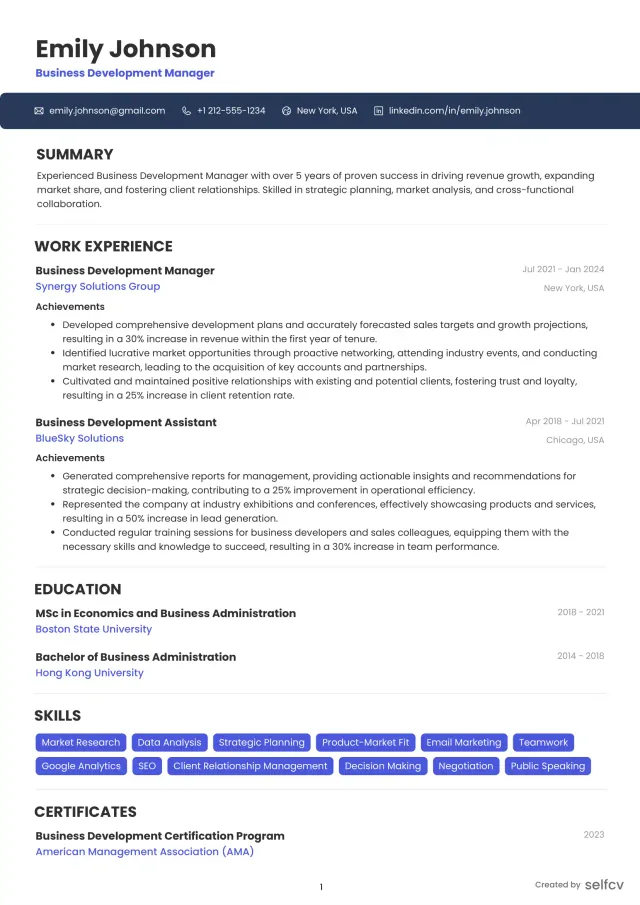
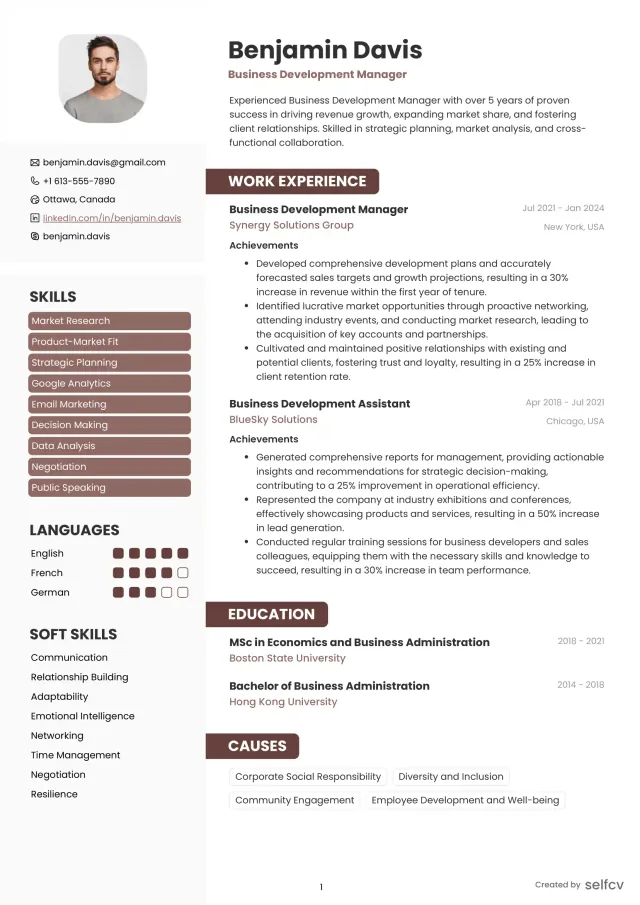
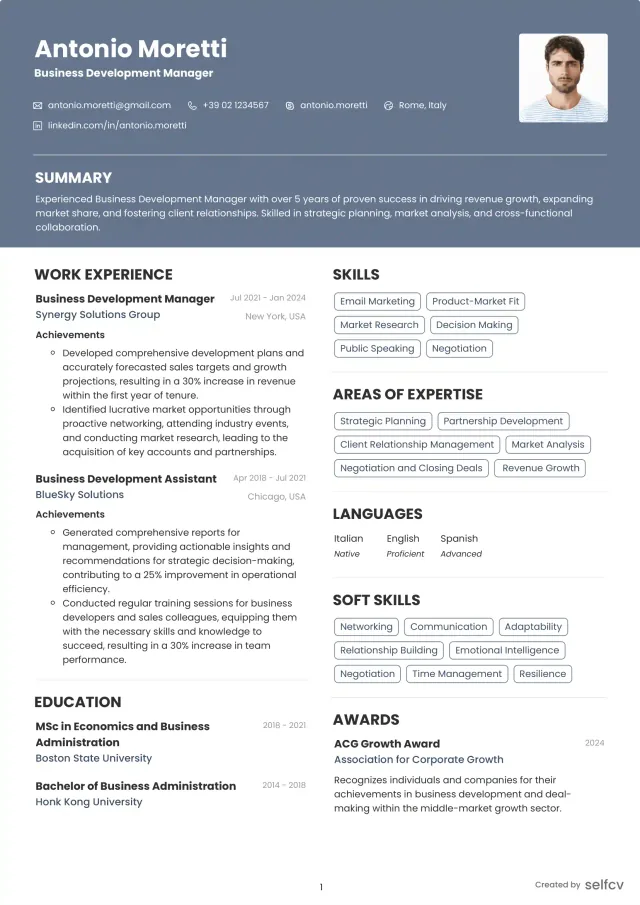
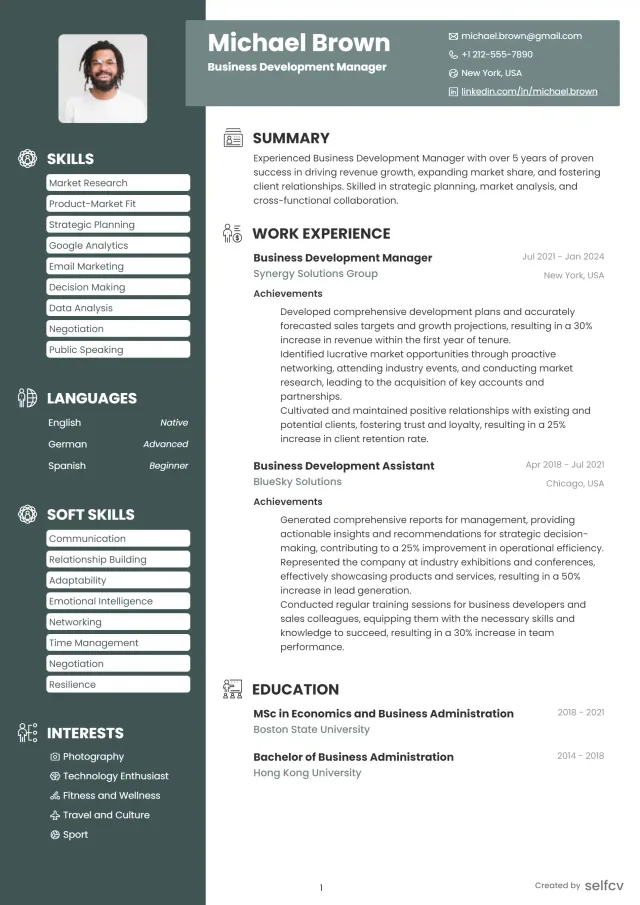
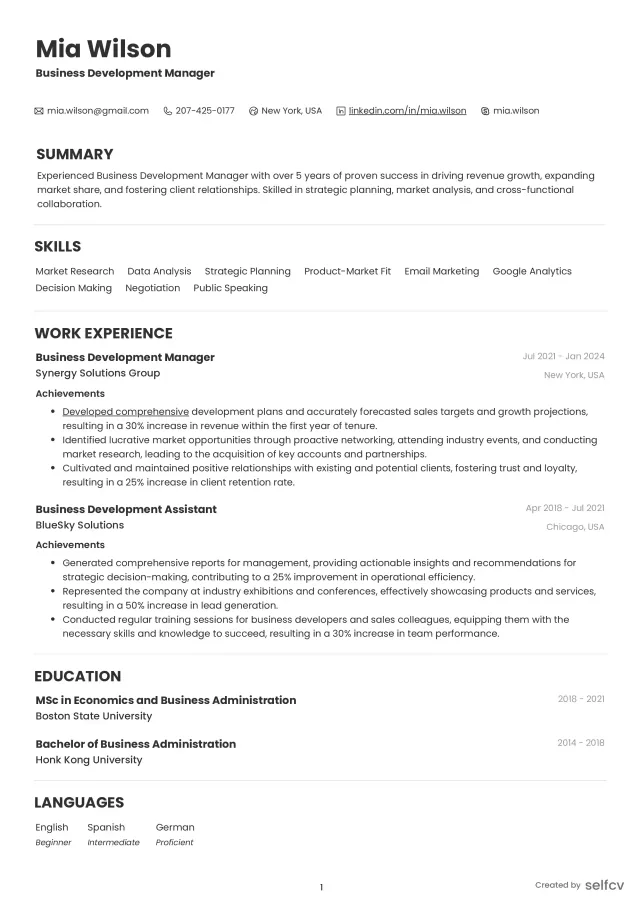
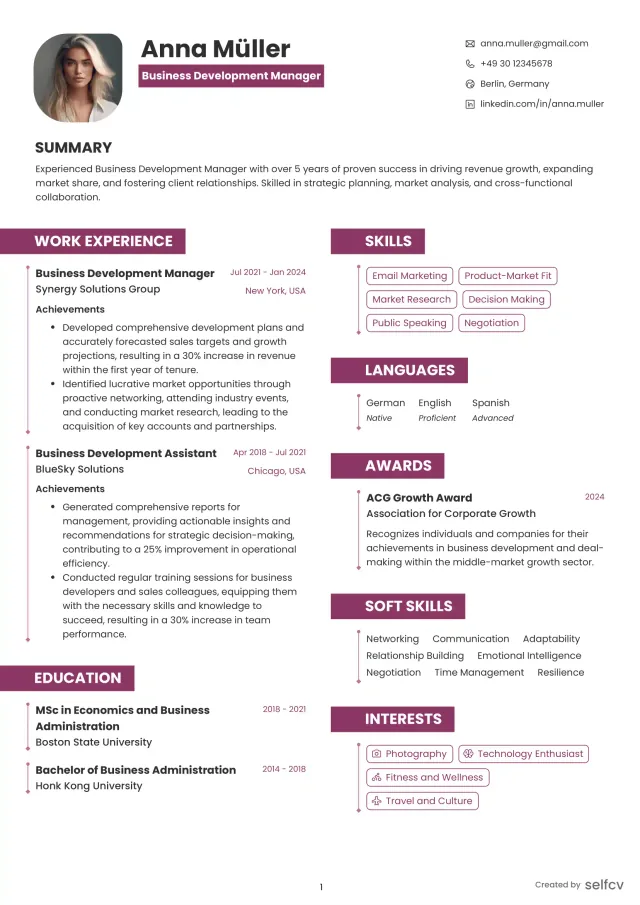
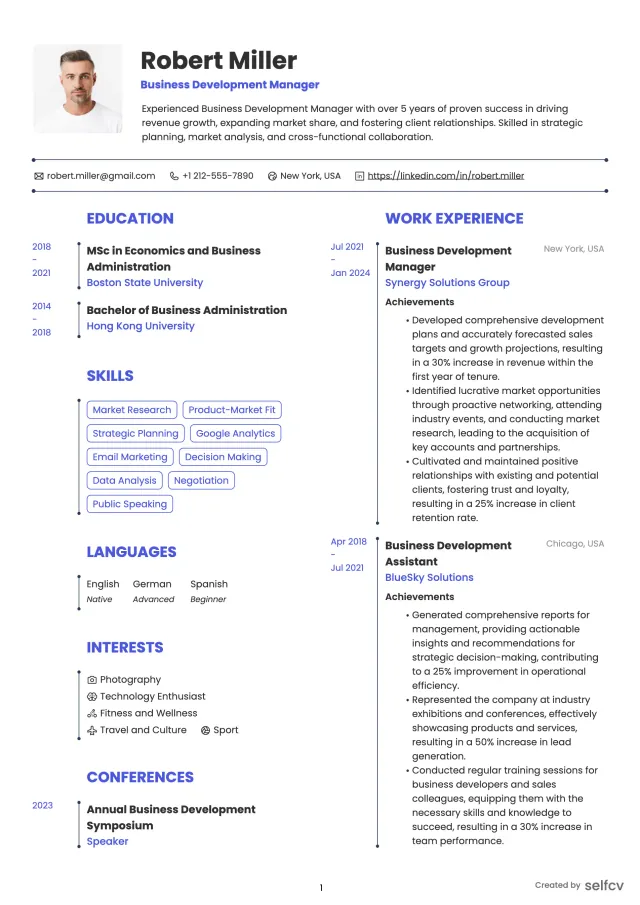
Find the template that’s right for you
No need to build anything from scratch. Using our templates or upload feature, you’ll get started easily and have a powerful resume in a few clicks.
Achievement examples: weak-to-strong transformations
Example 1:
Weak:
- Supported M&A due diligence
Strong:
- Led financial due diligence workstream for a $420M cross-border sale, consolidating 400+ data-room items into a 12-page diligence memo used in buyer negotiations
Why it works:
- replaces vague "supported" with specific ownership, scale, and deliverable
Example 2:
Weak:
- Built valuation models
Strong:
- Built DCF and LBO models for a $180M leveraged buyout case that demonstrated a 1.8x equity return at 20% IRR sensitivity, used in internal investment recommendation
Why it works:
- names model types, deal structure, and quantified outcome
Example 3:
Weak:
- Improved team efficiency
Strong:
- Developed VBA macros to automate monthly valuation templates, cutting model refresh time by 70% and enabling 3 additional investor outreach calls per analyst per month
Why it works:
- ties technical skill to measurable time savings and business impact
Resume summaries and objectives by career level
Entry-level (intern / junior analyst) objective example:
- Recent finance graduate with internship experience in M&A and financial modeling. Built DCF and comps analyses for 2 sell-side projects and contributed to 10+ pitchbook slides. Seeking full-time analyst role to expand modeling experience in technology M&A.
Mid-level (analyst / senior analyst) summary example:
- Investment banking analyst with 2.5 years in middle-market M&A, experienced in 3-statement modeling, LBOs, and CIM preparation. Led the financial model for three transactions totaling $900M and coordinated diligence across accounting, tax, and legal advisers.
Senior-level summary example:
- Senior analyst with 4+ years of transaction execution across TMT and healthcare. Expertise in complex merger modeling, client-facing pitchbook development, and automation with VBA. Ready to take on associate-track responsibilities, including deal team management and client interaction.
Career changer objective example (consulting to IB analyst):
- Strategy consultant with 2 years of transaction advisory and base-case financial modeling experience. Built commercial diligence models and market sizing workstreams for buy-side clients. Seeking transfer to investment banking to leverage modeling discipline and transaction advisory skills.
Check Your Resume with ATS
Make sure your resume passes Applicant Tracking Systems before recruiters see it.
- 📄 Upload your resume and get instant ATS feedback
- 🎯 Improve keyword matching for your target job
- ⚡ Boost your chances of getting shortlisted
Complete fictional resume example
The candidate, companies, and career history shown are fictional examples created for illustration and any resemblance to a real person or organization is coincidental.
Candidate Name
Target Position
Location
Professional Summary
- Investment banking analyst with 3 years of M&A and capital markets experience in technology and healthcare sectors. Skilled in building DCF, merger, and LBO models, preparing CIMs and pitchbooks, and coordinating cross-functional diligence. Proven record automating valuation templates and supporting deals that closed at $1.1B aggregate.
Grouped Skills
- Financial modeling: 3-statement, DCF, LBO, merger models
- Valuation: comps, precedents, market multiples
- Software: Excel (advanced), VBA, PowerPoint, Capital IQ, Bloomberg, PitchBook
- Data & visualization: Python (pandas), Power BI basics
Professional Experience:
Senior Investment Banking Analyst, Regional Boutique Bank, London, 2024-2026
- Built and maintained 3-statement and merger models for a $420M cross-border sale, producing sensitivity outputs that narrowed pricing expectations by 12%
- Drafted the financial section of the CIM and created a 30-slide management presentation used in 6 investor meetings
- Automated monthly valuation updates with VBA, reducing refresh time from 3 hours to 30 minutes and enabling faster investor follow-ups
Investment Banking Analyst, Middle-Market Bank, London, 2022-2024
- Modeled DCF and comparable company analyses for 5 sell-side mandates totaling $680M in enterprise value
- Coordinated diligence requests across accounting and legal teams and summarized key risks in a 10-page diligence report
- Prepared investor lists and supported 8 management meetings, contributing to a successful competitive sale process
Investment Banking Summer Analyst, Boutique Advisory, 2021 (internship)
- Built initial valuation comps and prepared industry market maps for a proposed IPO and 2 buy-side processes
- Contributed 12 slides to pitchbooks and supported client Q&A preparation
Education / Training
- BSc Economics, University Name, 2018-2021
- Wall Street Prep: Financial Modeling and Valuation Certification
Certifications
- CFA Level I passed (optional realistic certification)
- Financial Modeling Certificate (Wall Street Prep)
Common resume mistakes and how to fix them
Frequent red flags and quick fixes:
- Vague verbs (supported, assisted) - replace with led, built, authored with scale
- No numbers - add deal size, model count, or percent improvements
- Buried technical skills - create a Technical Skills block near the top
- Inconsistent dates or formatting - use a single date format and proof numbers carefully
- Overstatement of client contact - describe the nature of exposure (attended meetings, prepared materials) without exaggeration
Quality signals to add:
- specify model types and outputs
- list tools used on real deliverables
- include anonymized deal outcomes and process responsibilities
Tailoring for bulge-bracket vs boutique banks and promotion-readiness
Bulge-bracket emphasis:
- larger deal sizes, syndication, capital markets experience, polished client presentation slides
- prioritize outcomes like bookrunner status, oversubscription metrics, multi-round syndication roles
Boutique bank emphasis:
- end-to-end execution, direct client interaction, sector expertise, ability to draft CIMs and run diligence
- show ownership of specific deal workstreams and cross-functional coordination
Showing promotion-readiness to associate:
- include examples of mentoring juniors, owning model integrity, and leading sub-teams
- demonstrate consistent production ownership: frequency of models produced, number of deals where you were primary modeler, and examples of client-facing materials you owned
Portfolio projects and what to prepare for tests and interviews
Project ideas to convert into resume bullets:
- Merger model write-up: anonymized case study with inputs, outputs, and sensitivity analysis
- LBO model sample: show circular logic, debt schedule, sponsor returns, and exit assumptions
- Automation project: short note on VBA or Python script, time saved, and testing approach
What to bring to interviews:
- one-page anonymized deal summaries
- be ready to explain model structure, key assumptions, and sensitivities
- practice a 60-second summary of each major transaction you list
Frequently asked questions (FAQs)
Q: How do I write an investment banking analyst resume for bulge-bracket banks?
A: Emphasize deal size, syndication roles, capital markets exposure, polished pitchbook work, and specific model types. Quantify outcomes and show how your work supported pricing or syndication decisions.
Q: What keywords do investment banking recruiters search for on resumes?
A: Common terms include M&A, financial modeling, DCF, LBO, comparables, precedent transactions, pitchbook, valuation, due diligence, Excel, VBA, Bloomberg, Capital IQ.
Q: How should I list M&A deal experience without violating NDA?
A: Use industry, geography, and deal size. State your role and deliverable (eg. "led financial model for $200M healthcare sale") and avoid naming parties or sensitive terms.
Q: How do you quantify contributions on an analyst resume? (examples)
A: Use deal value, number of models/pitchbooks produced, time saved via automation, and outcome metrics like oversubscription or ranking. If exact numbers are sensitive, use ranges or percentages.
Q: What technical skills must be on an IB analyst resume in 2026?
A: Advanced Excel, PowerPoint, DCF/LBO modeling, VBA or Python for automation, Bloomberg/FactSet/Capital IQ familiarity, and basic data visualization skills.
Q: What’s the best format for an investment banking internship resume?
A: One page, emphasize modeling and pitchbook contributions, list relevant coursework and training, include 2-3 quantified internship bullets, and a short objective if needed.
Related careers
Roles closely related to investment banking analyst work:
- Corporate Finance Analyst
- Private Equity Analyst
- Equity Research Analyst
- Management Consultant
- FP&A Analyst
How these relate:
- Private equity focuses on deeper buy-side modeling and portfolio management
- Equity research combines sector coverage with valuation and publishing research
- Corporate finance and FP&A emphasize internal planning rather than external transactions
Conclusion, checklist and next steps
Profession-specific conclusion:
- A strong investment banking analyst resume converts technical work into concise, quantified business outcomes. Focus on model types, deal scale, and the concrete impact of your contributions.
Actionable checklist:
- Include a Technical Skills block with tools and model types
- Convert at least 3 vague bullets into quantified transaction statements
- Add 1 anonymized deal one-pager to your portfolio
- Proof dates, numbers, and formatting for consistency
- Tailor 1 version for bulge-bracket and 1 for boutique banks
Next actions:
- Prepare anonymized one-page summaries for your top 3 deals
- Practice explaining your model logic in 2 minutes per transaction
- Download a one-page resume template and adapt it for your current role
Final note: start applying with a targeted resume, prepare technical test practice, and have deal anecdotes ready for interviews.
Why job seekers choose selfcv
Thousands of professionals use selfcv to build modern, ATS-friendly resumes, customize templates, and apply for jobs with confidence.
Thanks to SelfCV, I now have a professional and polished resume that I'm confident in sending to potential employers. I will definitely be recommending your service to other job seekers. Keep up the great work!
SelfCV offers an intuitive interface that makes creating a professional CV straightforward. Whether you're a student, a fresh graduate, or an experienced professional, the step-by-step process ensures that users of all levels can craft an impressive CV.
Easy to use resume builder. They have very intuitive ui for customizing and keeping multiple versions of resume.
The right tool for creating CVs. As a student I was looking for a tool that could help me quickly create a CV for internship applications. This was just the right tool. I am very satisfied!
This is one of the best tools I’ve ever used - I was able to build my CV in seconds with high quality template. Highly recommended!
Amazing app with easy user experience. Loved it. Its intuitive and easy to navigate, designs are very nice.
