
Occupational Therapist Resume Guide for 2026: Outcomes, Specialties, and ATS-Ready Bullets
Written by Armen Mkhitaryan
Why this matters now
Many occupational therapist resumes fail to show measurable patient impact or specialty language that ATS and clinicians expect. This guide focuses on turning clinical practice into clear resume evidence: outcome statements, setting-specific keywords, and interview prompts tied to documentation. Verify local licensing and title-use requirements before applying.
What hiring patterns mean for occupational therapist resumes
Common hiring priorities
- Evidence of measurable patient outcomes, not just tasks
- Clear specialty keywords (sensory integration, splinting, cognitive rehab)
- Strong documentation and caseload management examples
Typical recruiter behavior
- Recruiters scan for 2-3 exact keyword matches in the first 30 seconds
- Hiring managers look for cases that mirror their setting (acute, outpatient, school)
- Early signals include role titles, certifications, and recent continuing education
Practical takeaway
- Match three to five keywords from the job posting exactly in your summary and skills
- Use one measurable outcome in each recent role to show impact
Prioritized resume structure for occupational therapists
Order sections by relevance to the job opening
- Header: name, contact, location, licensure line (city/state or country as appropriate)
- Professional summary or objective (targeted to role and experience level)
- Grouped skills (clinical, technical, documentation, soft skills)
- Professional experience with measurable achievements first
- Education and clinical placements (for entry-level include key evaluations used)
- Certifications and continuing education
- Selected projects, program development, or portfolio highlights
Why this order
- Hiring teams want a quick sense of licensure and immediate relevance
- Grouped skills help both ATS and human readers map to job requirements
- Achievements demonstrate outcome measurement and interdisciplinary impact
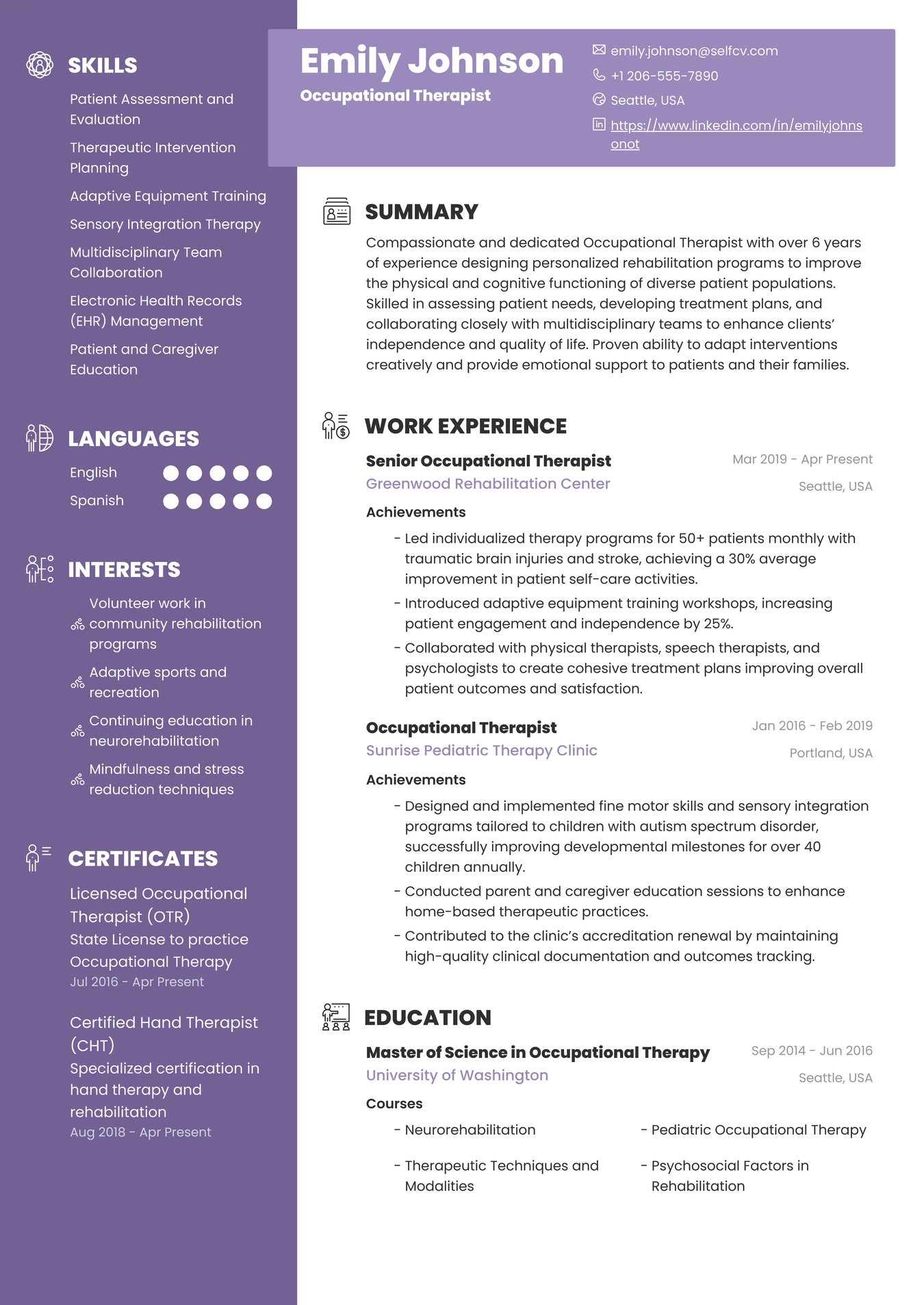
Resume Example for Occupational Therapist
ATS keywords and how to use them without keyword stuffing
How ATS reads OT resumes
- ATS looks for exact phrase matches and context around them
- Use job posting phrasing for 2-4 keywords, then support with clinical context
High-value keyword groups for occupational therapist resume optimization
- Assessments and outcome measures: FIM, COPM, AMPS, Sensory Profile, PEDI, BOT-2
- Interventions and techniques: splinting, manual edema mobilization, CIMT, constraint-induced therapy, sensory integration
- Settings and caseloads: acute care, inpatient rehab, outpatient clinic, school-based, home health, pediatrics, neurorehabilitation
- Documentation and processes: care plans, discharge planning, SOAP notes, outcome tracking, billing (when relevant)
- Roles and responsibilities: caseload management, clinical supervision, program development, training, multidisciplinary rounds
Placement strategy
- Use at least one ATS keyword in the summary, one in grouped skills, and within experience bullets with context and metrics
Role-specific bullet banks: quick copy-ready phrases by specialty
Pediatrics (school, clinic, early intervention)
- Conducted sensory integration assessments and developed individualized sensory diets aligned with IEP goals
- Increased fine motor independence by X% using task-specific practice and adapted equipment
- Collaborated with teachers and families to integrate carryover strategies into classroom routines
Neurorehabilitation (stroke, TBI, ABI)
- Implemented cognitive rehabilitation programs including errorless learning and compensatory strategy training
- Improved ADL independence by X% at discharge using graded task analysis and repetitive practice
- Led interdisciplinary rounds to coordinate discharge planning and community supports
Hand therapy
- Fabricated custom static and dynamic splints and trained patients in home exercise programs
- Reduced pain scores by X and improved grip strength by X% over a 6-week protocol
- Documented ROM and strength progression with standardized measures to support payer approvals
Home health and community
- Managed caseload of X patients with complex home safety needs, reducing readmissions by X%
- Performed home assessments and prescribed durable medical equipment to improve independence
- Trained caregivers in safe transfer techniques, decreasing caregiver injury reports
School-based and educational support
- Wrote measurable IEP goals for motor, sensory, and self-care objectives
- Co-led classroom accommodations reviews and recommended assistive technology
- Tracked student progress using school-based outcome rubrics and parent feedback
Clinical educator and manager
- Designed onboarding curriculum for new OTs and OTAs, shortening competency ramp-up time by X weeks
- Implemented quality improvement project that improved documentation completeness by X%
- Supervised and reviewed 2-4 clinicians weekly, providing clinical reasoning feedback
Achievement examples: weak-to-strong profession-specific rewrites
Example 1:
Weak:
- Performed cognitive rehab with patients
Strong:
- Delivered cognitive rehabilitation to 24 patients post-TBI, improving task initiation and reducing cueing needs by 40% at 8-week follow-up
Why it works:
- Adds caseload, setting, measurable improvement, and timeframe
Example 2:
Weak:
- Helped children with sensory issues
Strong:
- Implemented individualized sensory diets for 15 school-age children, resulting in a 30% reduction in on-task classroom behaviors per teacher reports over one semester
Why it works:
- Specifies intervention, population, metric source, and outcome window
Example 3:
Weak:
- Supervised therapy staff
Strong:
- Supervised a multidisciplinary team of 6 therapists and OTAs, conducted weekly case reviews, and reduced documentation errors by 55% within 6 months through targeted training
Why it works:
- Shows leadership scope, specific action, metric, and timeline
Career-level summary and objective examples (copy and adapt)
Entry-level / New graduate objective
- Recent MOT graduate with pediatric fieldwork and sensory integration training seeking entry-level school-based OT role to support fine motor and self-care goals. Skilled in COPM, Sensory Profile, and collaborative IEP planning.
Mid-level summary (1-4 years)
- Occupational therapist with 3 years outpatient pediatrics experience, proven in improving hand function through task-oriented training and splinting. Comfortable with caseloads of 40+ and family-centered care planning.
Senior clinician summary (5-10 years+)
- Senior occupational therapist specializing in neurorehabilitation with 8 years in inpatient and outpatient settings. Led discharge planning initiatives that decreased length of stay by 1.2 days and improved 30-day functional outcomes tracking.
Career changer objective (from allied health)
- Licensed physiotherapist transitioning to occupational therapy with completed post-professional OT coursework and practical experience in ADL retraining. Brings strong therapeutic exercise background and experience in team-based discharge planning.
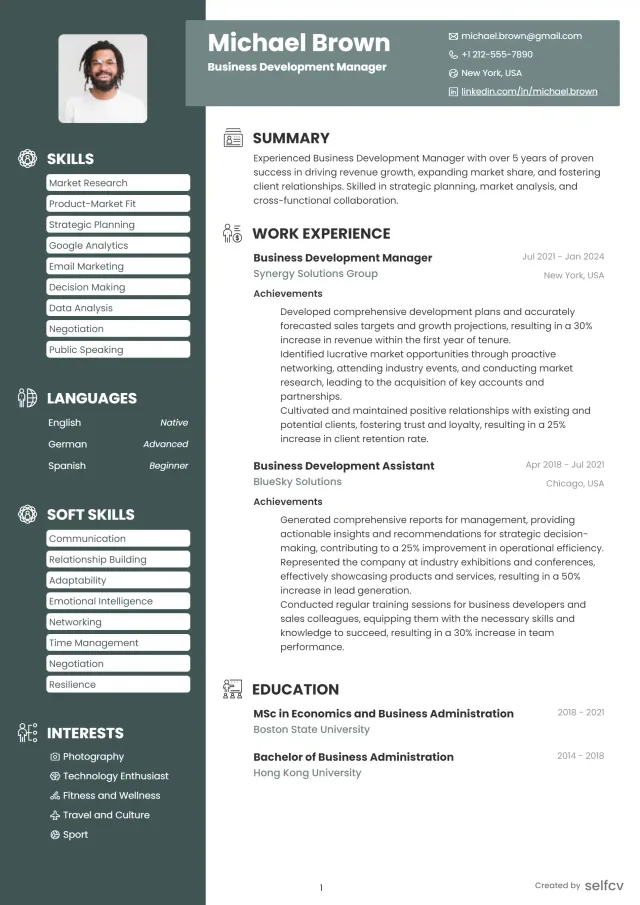
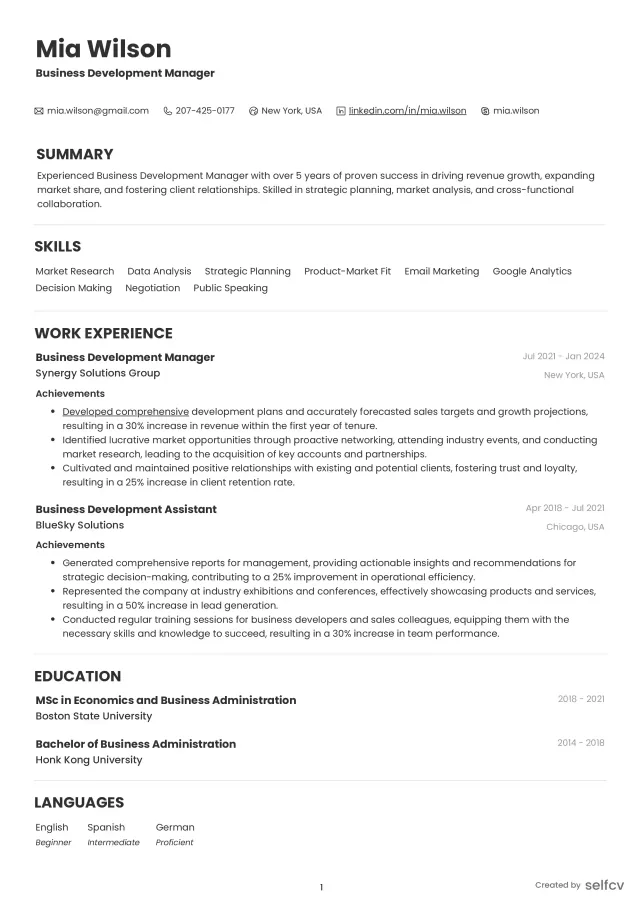
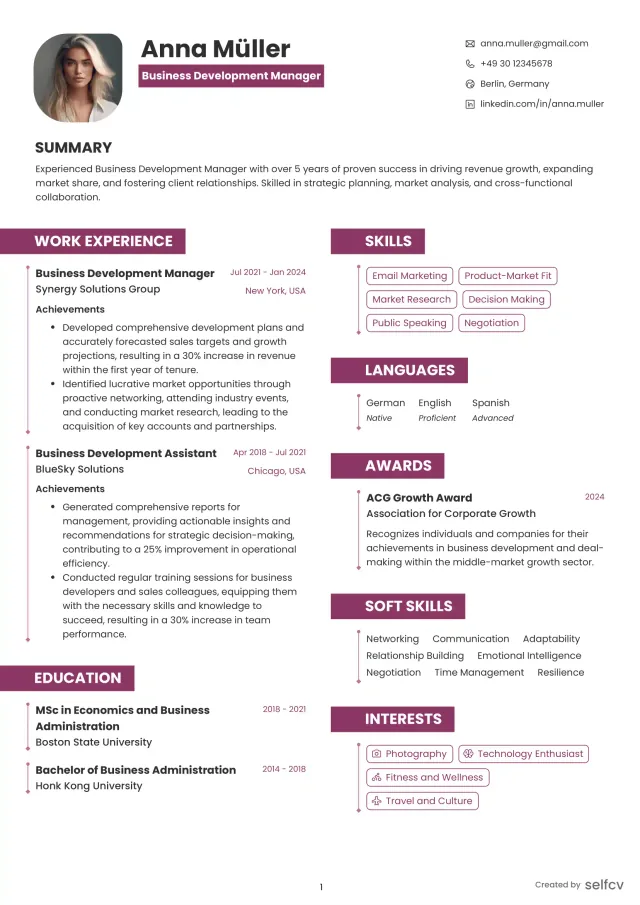
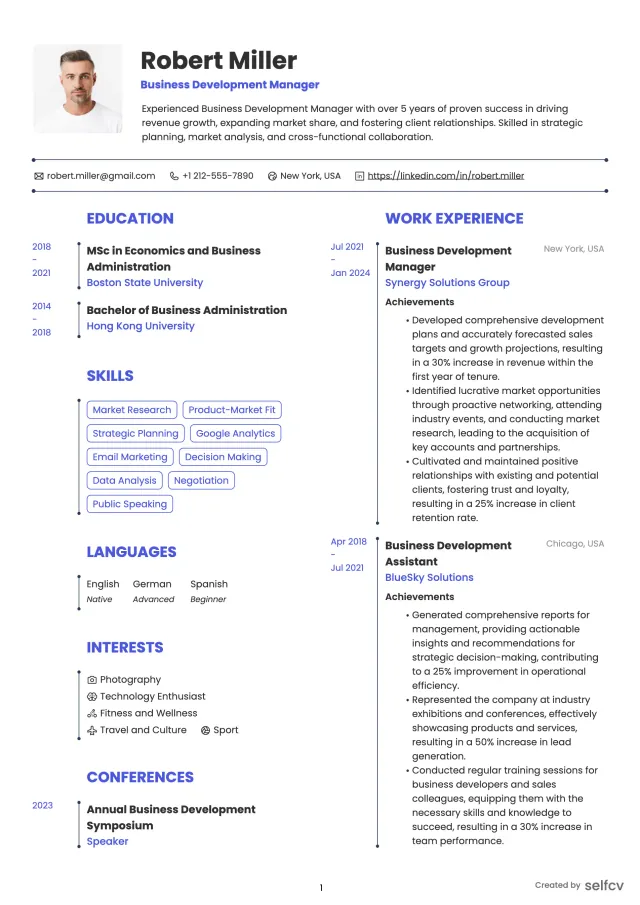
Find the template that’s right for you
No need to build anything from scratch. Using our templates or upload feature, you’ll get started easily and have a powerful resume in a few clicks.
Complete fictional resume example
The candidate, companies, and career history shown are fictional examples created for illustration and any resemblance to a real person or organization is coincidental.
Candidate Name
Target Position
Location
Professional Summary
- Occupational Therapist (OTR/L) with 6 years experience in neurorehabilitation and outpatient hand therapy. Focused on measurable ADL recovery, custom splinting, and family education to support functional independence.
Grouped Skills
- Clinical assessments: FIM, COPM, Nine-Hole Peg Test, DASH
- Interventions: task-specific training, dynamic and static splinting, manual edema management, constraint-induced movement therapy
- Documentation and processes: SOAP, outcome tracking, discharge planning, care coordination
- Tools and tech: pulse oximetry, goniometer, dynamometer, electronic medical records (Epic, ClinicianConnect)
- Soft skills: interdisciplinary communication, caregiver training, program development
Professional Experience:
Senior Occupational Therapist, Riverbend Rehabilitation Clinic, City, Country
2021-2026
- Managed caseload of 18-22 complex neurorehabilitation patients per week and led weekly interdisciplinary rounds
- Implemented a 6-week upper-limb task-oriented program for post-stroke patients, increasing affected-side ADL independence by 35% (n=28)
- Developed standardized discharge packets and community resource lists, reducing unplanned readmissions by 12% year-over-year
- Mentored 3 junior OTs and facilitated monthly skills workshops on splint fabrication
Occupational Therapist, Lakeside Outpatient Hand Therapy, City, Country
2018-2021
- Delivered hand therapy services including custom splinting, edema management, and progressive strengthening for 120+ patients annually
- Reduced average time to return-to-work for work-related hand injuries by 20% through graded return-to-task programs and employer communication
- Documented objective ROM and strength gains to support reimbursement approvals
Occupational Therapy Fieldwork Supervisor, Community Rehab Center, City, Country
2017-2018
- Supervised 4 students through acute care and outpatient rotations, providing feedback on clinical reasoning and documentation
- Co-led a community falls-prevention pilot reaching 50 older adults in 6 months
Education / Training
- Master of Occupational Therapy, University Name, 2017
- Bachelor of Health Sciences, University Name, 2015
Certifications
- OTR/L (National Board Certification)
- Basic Life Support (BLS)
- Certified Hand Therapist (CHT) - optional specialty credential
Recruiter-focused section: what hiring managers look for and red flags
What hiring managers often want
- Clear licensure and current status near the top of the resume
- Evidence of measurable improvements and documentation rigor
- Examples of interdisciplinary communication and care coordination
- Caseload management ability and supervisory experience for senior roles
Realistic red flags
- Vague duty lists without outcomes or caseload context
- Gaps in recent clinical activity with no explanation
- Unsupported claims of reductions in readmission or improvements without method or measure
- No continuing education or currency in assessment tools
How to prioritize for an application
- For entry roles emphasize clinical placements and specific assessments used
- For mid-level roles highlight caseload size and outcome measures
- For manager roles emphasize program development, supervision, and quality improvement metrics
Check Your Resume with ATS
Make sure your resume passes Applicant Tracking Systems before recruiters see it.
- 📄 Upload your resume and get instant ATS feedback
- 🎯 Improve keyword matching for your target job
- ⚡ Boost your chances of getting shortlisted
Interview prompts tied to resume claims and evidence checklist for recruiters
Interview prompts you should prepare based on your resume
- Tell me about a patient whose ADL independence you measurably improved. What assessment did you use and what was the change?
- Describe a time you coordinated discharge planning across disciplines. What was your role and the outcome?
- Explain how you decide between compensatory strategies and restorative approaches.
Evidence checklist to have ready
- Copies or screenshots of outcome tracking (de-identified) or aggregated results
- List of recent CEUs with dates and relevance
- Sample SOAP note template or documentation snapshot (de-identified)
- Letters or brief statements from supervisors about supervision or program results
ATS formatting checklist and schema suggestions for job pages
Resume formatting tips for ATS success
- Use a standard font and avoid headers/footers for contact information
- Keep section headings simple: Professional Summary, Experience, Education, Certifications
- Use plain bullet points with hyphens and short sentences
- Save as a Word file and PDF when applying; follow employer instructions
Schema suggestions for role pages and internal jobs
- jobPosting: include salaryRange, qualifications, and employmentType for clarity
- FAQ: map common resume and licensure questions to searchable snippets
- HowTo: step-by-step format recommendations for creating an OT resume
Anchor strategy
- Create anchors for specialties (pediatrics, neurorehab, hand therapy, school-based) to support long SERP snippets and long-tail traffic
Measurable achievement templates and phrase bank keyed to OT specialties
Achievement template (Action + Metric + Context)
- Action: Implemented [intervention], Metric: resulting in [quantified change], Context: for [population] over [timeframe]
Examples to adapt
- Implemented task-oriented upper-limb program, increased self-feeding independence by 42% for post-stroke inpatients over 8 weeks
- Introduced classroom sensory strategies, decreased off-task incidents by 30% for 12 elementary students in one semester
- Launched home-safety and caregiver training, reduced 30-day readmissions for fall-related injury cohort by 15%
Phrase bank by specialty
Pediatrics: sensory integration, play-based interventions, IEP goals, caregiver coaching, fine motor progression
Neurorehab: constraint-induced movement therapy, errorless learning, ADL retraining, discharge planning, community reintegration
Hand therapy: dorsal wrist splinting, tendon glide exercises, edema control, grip-strength protocols, scar management
Home health: home safety assessment, adaptive equipment prescription, caregiver training, readmission prevention
Clinical education/management: competency checklists, onboarding curriculum, quality improvement, documentation audits
Documentation, compliance, and continuing education notes
Clinical documentation points
- Link achievements to assessment scores or functional measures whenever possible
- Note frequency and duration of therapy when describing outcomes (e.g., 3 sessions/week for 6 weeks)
Continuing education and currency
- List relevant CEUs and the year completed near certifications
- Include training in specific assessments or technologies used in the target role
Compliance reminder
- Occupational therapy is regulated in many jurisdictions. Confirm licensure, title protection, and scope of practice locally before applying or stating credentials
Project and portfolio examples to include or link
Ideas to showcase beyond the resume
- Short case studies with de-identified pre/post measures and interventions
- Photographs of splints or adaptive devices you fabricated (with patient permission) or prototypes you developed
- Program summaries: aims, methods, outcomes (e.g., falls prevention pilot, school transition program)
- Teaching materials or workshop outlines for clinical educator roles
How to present
- Keep portfolio items concise and clinical: problem, approach, measures, result
- Use PDFs or a simple website and reference it briefly on the resume only when requested
Related careers and logical lateral moves
Related professions useful to reference or pivot to
- Occupational Therapy Assistant (OTA)
- Physical Therapist (PT)
- Speech-Language Pathologist (SLP)
- Rehabilitation Nurse
- Clinical Psychologist (rehabilitation focus)
How to use this information
- Highlight transferable skills like ADL training, patient education, and team coordination when moving between these roles
- For career changes, show relevant coursework and supervised clinical hours
FAQs specific to occupational therapist resume writing
Q: What should an occupational therapist include on a resume in 2026?
A: Highlight current licensure, 2-3 measurable outcomes from recent roles, setting-specific keywords, and recent continuing education in assessments you use.
Q: How do I write an entry-level occupational therapist resume with clinical placements?
A: Treat major fieldwork placements like short roles: include setting, key assessments used, one measurable student outcome or supervisor feedback, and relevant coursework.
Q: Which keywords do recruiters look for on an OT resume?
A: Exact assessment names (COPM, FIM), intervention terms (splinting, sensory integration), and setting terms (school-based, home health) are frequent matches.
Q: How to show patient outcome impact on an occupational therapist resume?
A: Use Action + Metric + Context templates: say what you did, provide a numerical change or percentage, state the population and timeframe.
Q: How to tailor an occupational therapist resume for pediatrics vs neurorehab?
A: Swap keywords and measured outcomes: pediatrics emphasizes play, IEPs, classroom carryover; neurorehab emphasizes ADL gains, cognitive measures, discharge outcomes.
Q: What are common resume mistakes for occupational therapists?
A: Vague duty descriptions, missing licensure information, no outcome measures, and lack of continuing education records.
Conclusion, practical checklist, and next action
Short profession-specific conclusion
- A strong occupational therapist resume ties clinical interventions to measurable functional outcomes, uses setting-specific keywords, and shows documentation and teaching skills when relevant.
Practical checklist before applying
- Confirm licensure and list it near your name or contact section
- Match 3-5 job posting keywords in summary, skills, and experience
- Include one measurable outcome per recent role with clear measures and timeframe
- Attach de-identified evidence and CEU list for interviews
Next action
- Choose one recent role and rewrite three bullets using the Action + Metric + Context template
- Prepare two interview stories that map to those bullets and bring supporting documentation
Closing compliance note
- Verify licensing and scope of practice locally before applying or claiming credentials
seoTitle
Occupational Therapist Resume Guide for 2026: Outcomes, Specialties, and ATS-Ready Bullets
metaDescription
Practical occupational therapist resume guidance for 2026 with ATS keywords, measurable outcome examples, specialty bullet banks and interview prompts.
Why job seekers choose selfcv
Thousands of professionals use selfcv to build modern, ATS-friendly resumes, customize templates, and apply for jobs with confidence.
Thanks to SelfCV, I now have a professional and polished resume that I'm confident in sending to potential employers. I will definitely be recommending your service to other job seekers. Keep up the great work!
SelfCV offers an intuitive interface that makes creating a professional CV straightforward. Whether you're a student, a fresh graduate, or an experienced professional, the step-by-step process ensures that users of all levels can craft an impressive CV.
Easy to use resume builder. They have very intuitive ui for customizing and keeping multiple versions of resume.
The right tool for creating CVs. As a student I was looking for a tool that could help me quickly create a CV for internship applications. This was just the right tool. I am very satisfied!
This is one of the best tools I’ve ever used - I was able to build my CV in seconds with high quality template. Highly recommended!
Amazing app with easy user experience. Loved it. Its intuitive and easy to navigate, designs are very nice.
