
Penetration Tester Resume Guide (2026): ATS, Projects, and Measured Impact
Penetration Tester Resume Guide (2026): ATS, Projects, and Measured Impact
Written by Armen Mkhitaryan
What this guide delivers
Quick overview
- Practical resume structure for entry, mid, senior and career-changer candidates
- ATS-friendly keyword strategy tailored to penetration testing roles
- NDA-safe case-study format and portfolio suggestions
- Bullet library with quantified examples and before/after rewrites
- 30/60/90 action checklist to move from resume to interviews
Who benefits
- Junior pentesters building their first role-ready CV
- Mid and senior testers who must show measurable impact
- Sysadmins or devops professionals transitioning into offensive security
High-impact, NDA-safe case study (lead hook)
Sanitized summary to show the format hiring teams value
- Scope: Web application test of a public-facing customer portal (50 endpoints, 3 third-party APIs) during a contracted 3-week engagement
- Approach: OWASP-focused manual testing, authenticated API fuzzing, custom Python PoC for logic flaw repro, verification of fixes with regression retest
- Outcome: Identified 6 high-severity issues and 4 medium issues, helped reduce exposed critical issues by 78% within 30 days, delivered an executive summary and technical appendix for dev teams
Why this works
- Shows scope, tools/methods, measurable outcome and deliverable types without revealing client data or exploit details
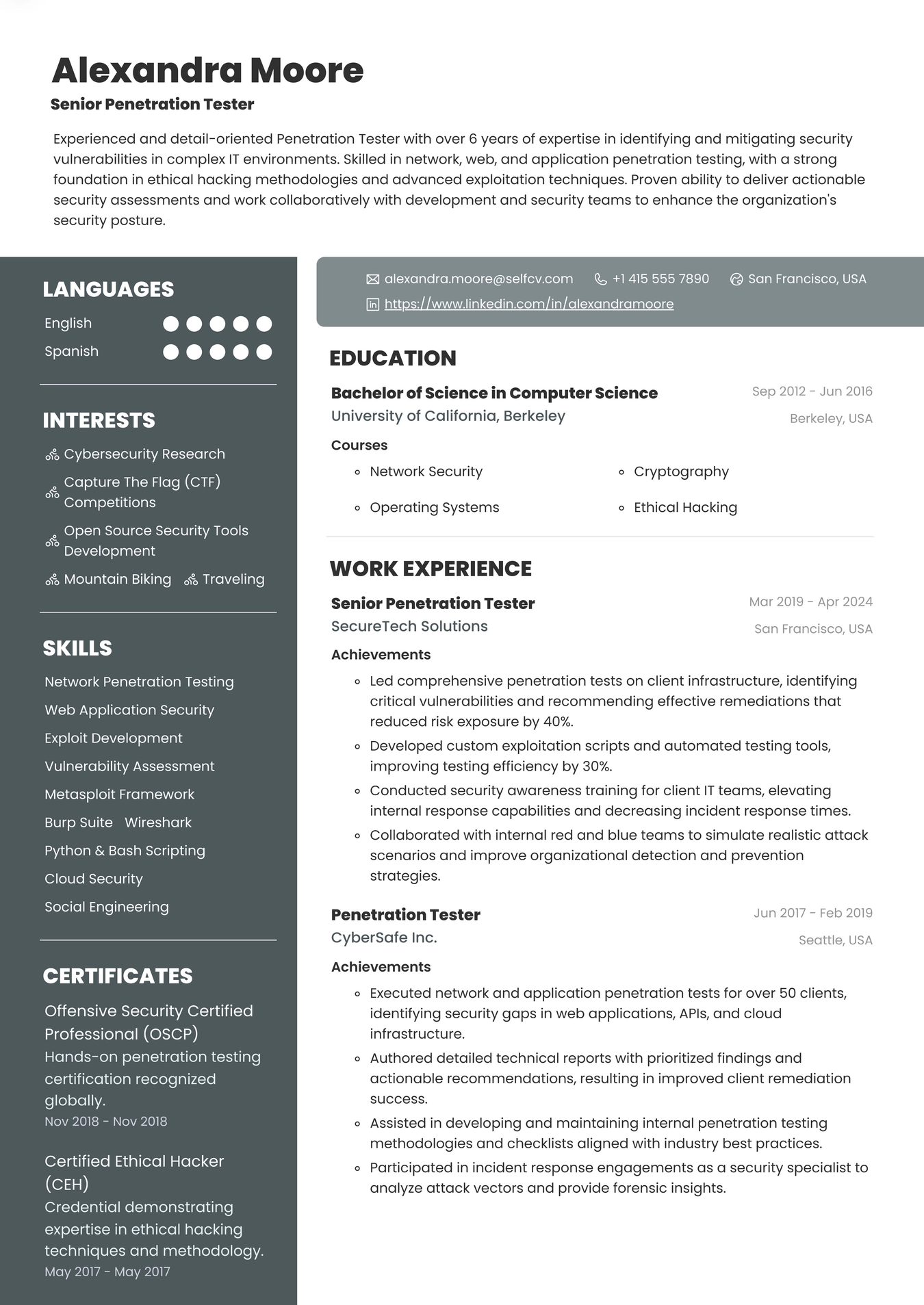
Resume Example for Penetration Tester
How recruiters and hiring managers evaluate penetration tester resumes
General hiring patterns
- Hiring managers often look for clear domain focus (web, cloud, IoT, red team) and evidence of methodology and reporting skills
- Recruiters screen first for keywords and then for concrete project evidence that can be probed in a technical screen
What stands out in applications
- Short, non-technical executive summary that signals scope and impact
- Case-study bullets that state asset type, technique used, and measurable result
- Links to safe artifacts: sanitized PoC write-ups, public bug bounty reports, or lab projects
Common red flags
- Vague claims like "pentested production" without scope or outcomes
- Tool lists with no context of how tools were used
- Publishing sensitive client details or full exploit code on a public CV
ATS keywords and how to use them strategically
Primary keywords to include naturally
- penetration testing
- web application security
- vulnerability assessment
- red team
- exploit development
- CVSS
- OWASP (Top 10)
- Burp Suite
- Nmap
- Metasploit
Secondary and role-specific keywords
- cloud pentest, AWS pentest, Azure pentest, GCP pentest
- API security, SAML, OAuth, token handling
- IoT security, firmware analysis, hardware interface
- report writing, remediation verification, rules of engagement
Practical ATS tips
- Mirror the job description language for required skills but avoid keyword stuffing
- Use a clear skills section grouped by category (Tools, Platforms, Languages) so parsers can match phrases
- Keep job titles understandable and conventional where possible (Penetration Tester, Red Team Operator, Application Security Tester)
Skills, tools and technical sections to include
How to format technical skills
- Group by category: Tools and frameworks, Platforms and cloud, Languages and scripting, Methodologies and standards
Example groups
- Tools and frameworks: Burp Suite, Nmap, Metasploit, Wireshark, Burp extensions, custom tooling
- Cloud and infra: AWS, GCP, Azure, IAM review, cloud console familiarity, container environments
- Languages: Python, Go, Bash, PowerShell, JavaScript
- Methodologies and standards: OWASP Top 10, PTES, CVSS, threat modeling
What to avoid listing alone
- Do not list a tool without a short context in experience bullets showing how you used it
- Avoid C2 framework specifics in public documents; describe as "command-and-control techniques" or "adversary emulation tooling" when needed
Project descriptions, deliverables and portfolio examples
How to describe projects without breaching NDAs
- Use generic asset labels: "customer portal" rather than client name
- State scope in measurable terms: endpoints, servers, APIs, timebox length
- Summarize techniques at a high level: "authenticated business logic testing" instead of full exploit details
Deliverables employers expect
- Technical report with prioritized findings and CVSS or equivalent risk ratings
- Executive summary for non-technical stakeholders
- Proof-of-concept or sanitized reproduction steps hosted privately or as redacted examples
- Remediation verification notes and patch tracking
Portfolio items you can publish safely
- Bug bounty write-ups with full details if permitted
- CTF write-ups and lab projects that recreate issue classes
- Sanitized case-study templates covering problem, approach, impact, and lessons learned
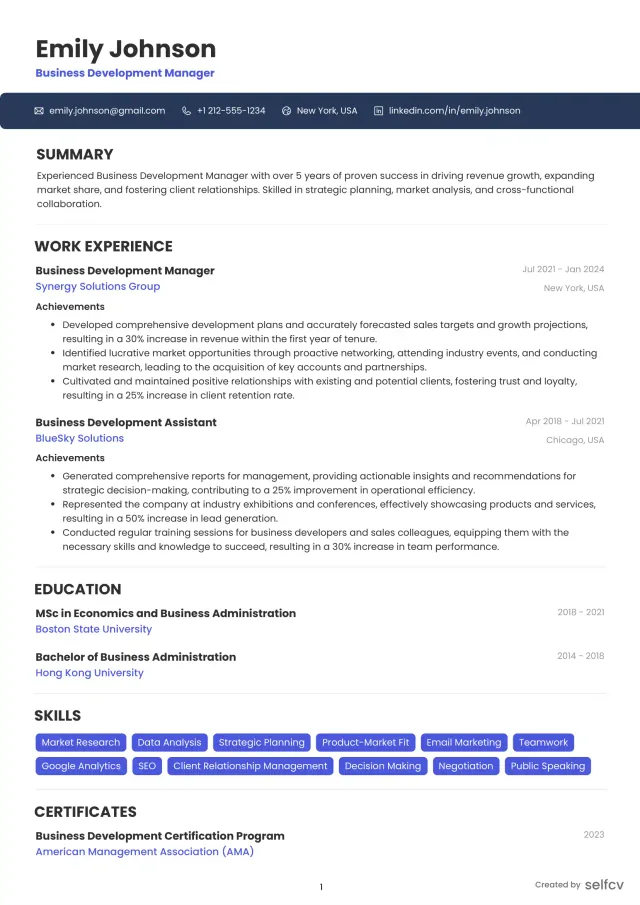
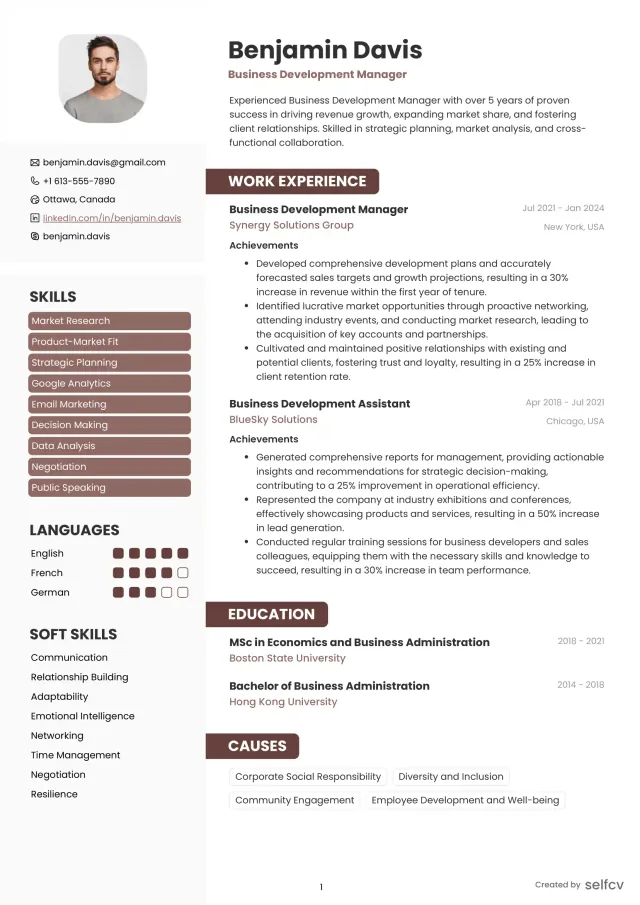
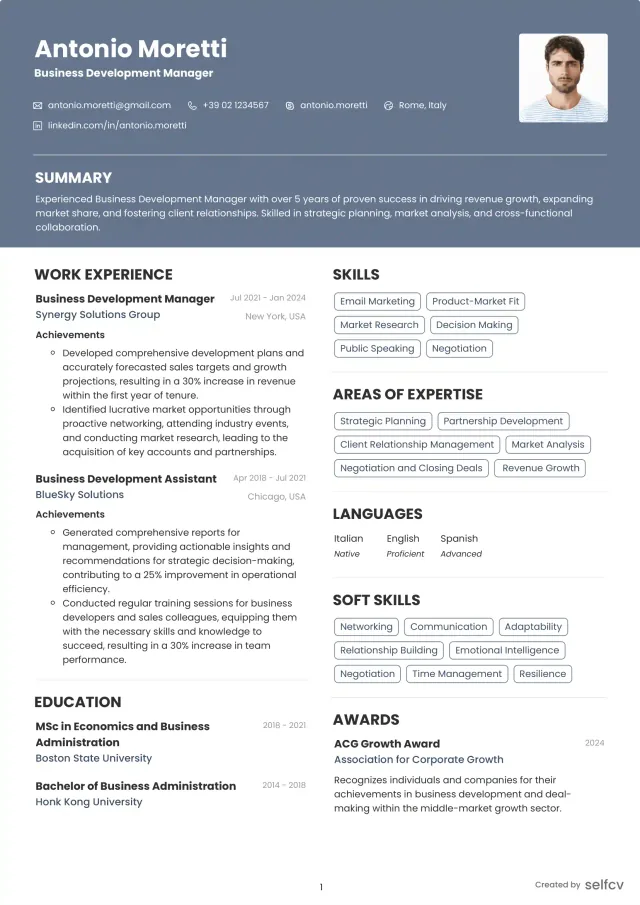
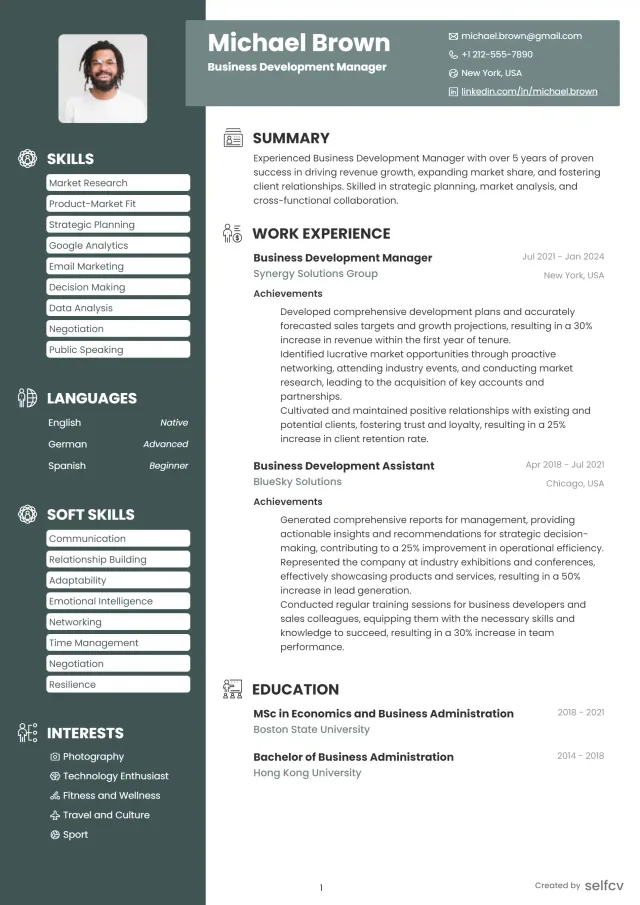
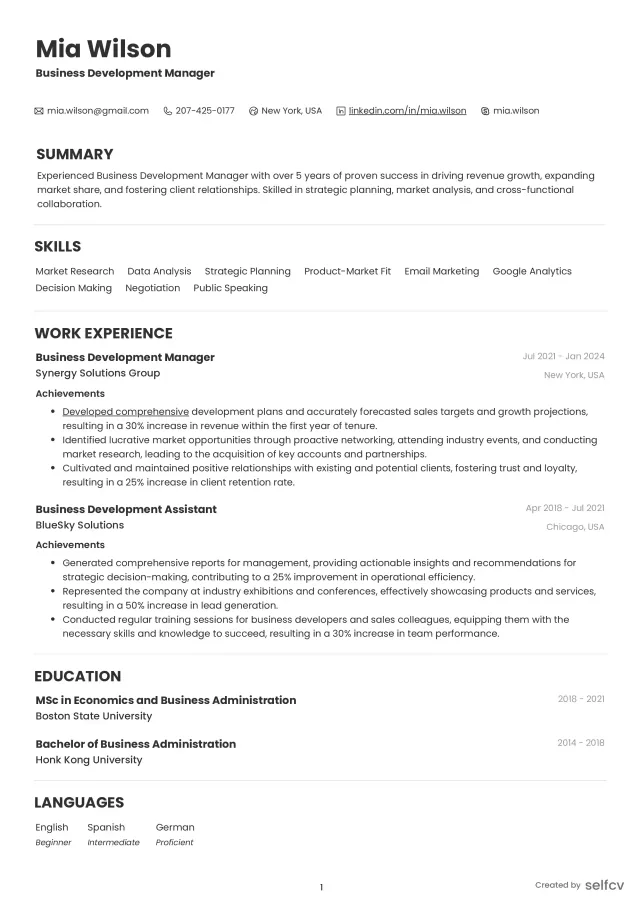
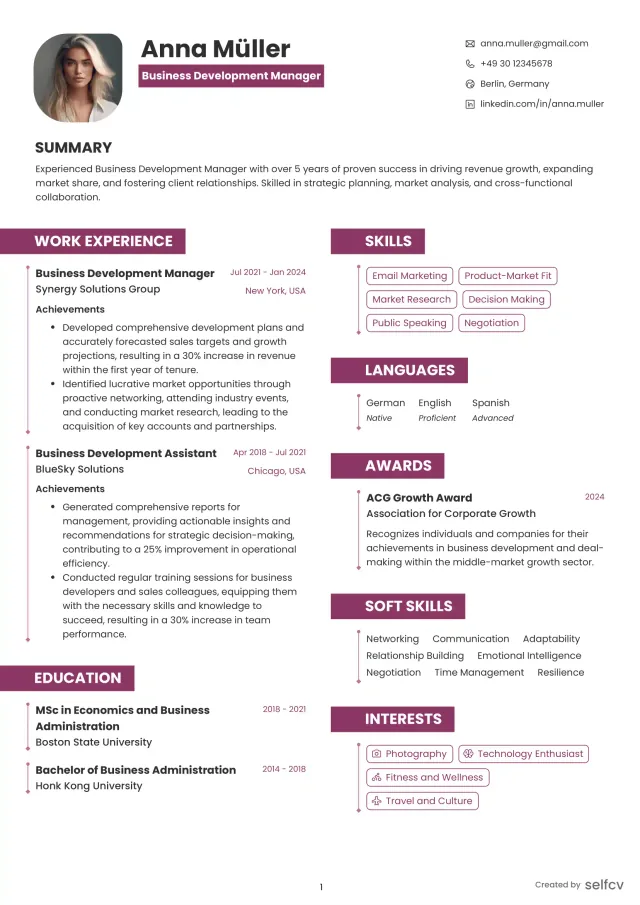
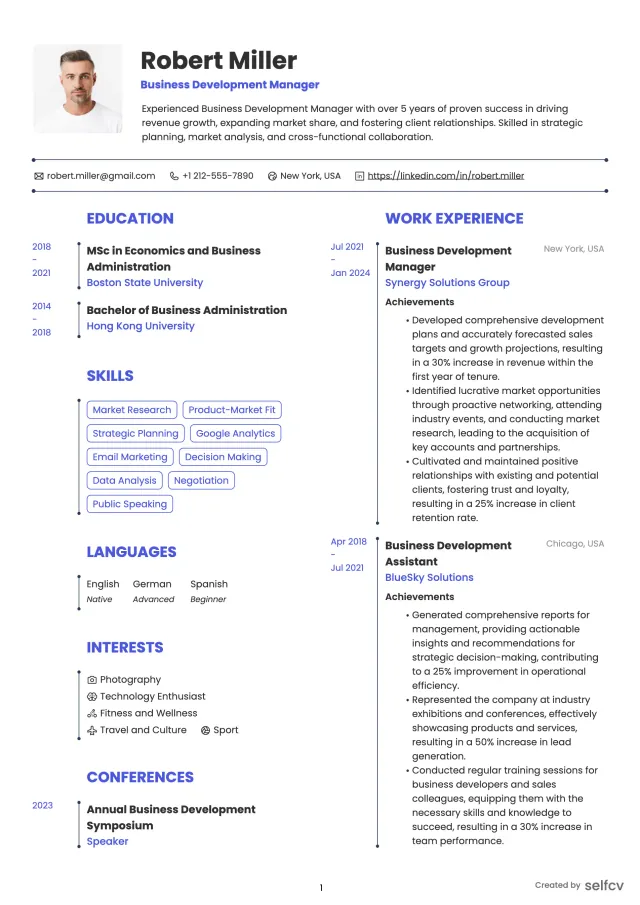
Find the template that’s right for you
No need to build anything from scratch. Using our templates or upload feature, you’ll get started easily and have a powerful resume in a few clicks.
Achievement examples: weak-to-strong
Example 1:
Weak:
- Found vulnerabilities in web app
Strong:
- Led authenticated web application test, discovered 3 high-severity logic flaws and provided PoC and remediation steps; client patched all within 21 days
Why it works:
- Quantifies findings, states scope and timeline, and mentions remediation outcome
Example 2:
Weak:
- Improved security posture for cloud environment
Strong:
- Performed AWS pentest of core billing service, identified misconfigured IAM policies and insecure S3 buckets, reduced critical exposure by 65% and verified fixes in a follow-up test
Why it works:
- Specifies environment, techniques, measurable reduction and verification
Example 3:
Weak:
- Participated in red team ops
Strong:
- Operated as primary red team operator in a 2-week adversary emulation, achieved domain compromise via chained phishing and lateral movement simulation, and produced a prioritized remediation plan for leadership
Why it works:
- Adds role, timeline, techniques, result and deliverable for stakeholders
Resume summary and objective examples by career level
Entry-level (0-2 years) objective
- Recent security grad with hands-on lab and CTF experience seeking a junior penetration tester role to apply web app testing skills, Python scripting and Burp Suite knowledge to client engagements
Mid-level (2-5 years) summary
- Penetration tester with 3 years of consulting experience specializing in web applications and API security; conducted 20+ engagements, produced prioritized remediation plans, and reduced high-risk exposure by an average of 60% per engagement
Senior-level (5+ years) summary
- Senior offensive security engineer and red team operator with proven success leading enterprise engagements, building reconnaissance tooling, and briefing C-level stakeholders; experience in cloud offensive assessments and mentored junior pentesters
Career changer (sysadmin/devops to pentest) objective
- Infrastructure engineer transitioning to offensive security after 4 years managing Linux fleets and automating infra; demonstrated practical pentesting through self-hosted lab exploits, bug bounty reports and a certified offensive security course
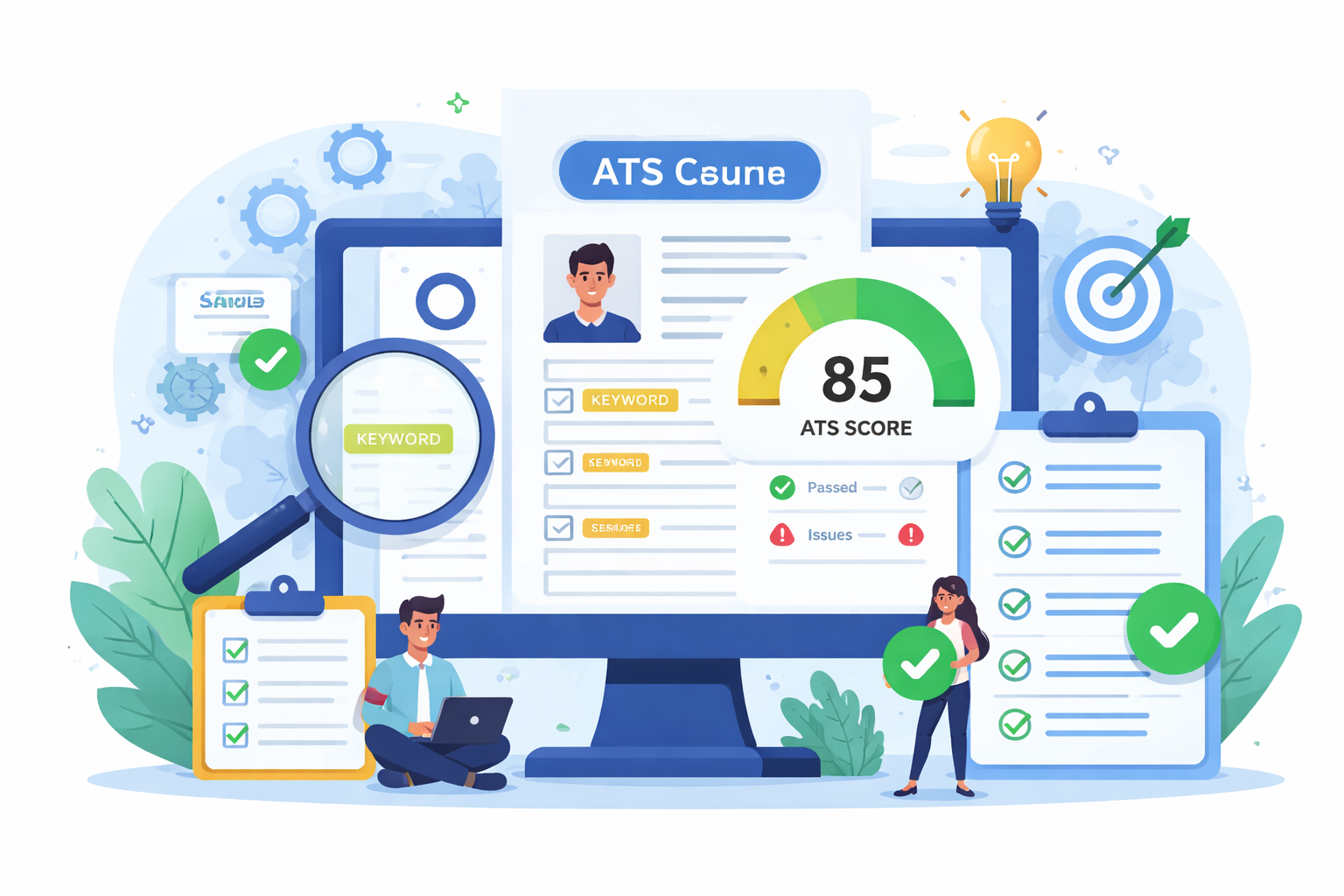
Check Your Resume with ATS
Make sure your resume passes Applicant Tracking Systems before recruiters see it.
- 📄 Upload your resume and get instant ATS feedback
- 🎯 Improve keyword matching for your target job
- ⚡ Boost your chances of getting shortlisted
Complete fictional resume example
The candidate, companies, and career history shown are fictional examples created for illustration and any resemblance to a real person or organization is coincidental.
Candidate Name
Target Position
Location
Professional Summary
Grouped Skills
Professional Experience:
Infra Security Analyst - Acme Hosting
Recent positions:
- Automated discovery of exposed admin endpoints across 120 servers, wrote Python scripts to validate authentication issues and reduced exploitable endpoints by 40%
- Assisted on two web application assessments, produced remediation verification notes and technical appendices for dev teams
- Wrote internal playbooks for secure testing in staged environments, improving test reproducibility
Senior Penetration Tester - BlueWave Security
Recent positions:
- Led authenticated web and API pentests for SaaS customers, discovering an average of 4 critical or high issues per engagement and decreased time-to-remediate to 28 days
- Built modular exploit scripts and Burp extensions that reduced manual testing time by 25%
- Delivered executive summaries and briefing slides to product leadership, improving cross-team remediation response
Lead Offensive Engineer - Nova Retail
Recent positions:
- Managed red team engagements for a retail platform, achieved simulated domain compromise in two engagements and mapped remediation to business risk metrics
- Designed cloud attack simulations focused on IAM and container escape scenarios, resulting in prioritized mitigation roadmap
- Mentored 4 junior testers and introduced a peer review process for reports
Education / Training
Certifications:
- Offensive Security Certified Professional (OSCP)
- GIAC Web Application Penetration Tester (GWAPT) (optional)
Mapping resume phrases to technical screens and interviews
How resume lines become interview questions
- Resume line: "reduced time-to-remediate to 28 days"
Interview question: "How did you measure remediation timelines and work with teams to speed fixes?"
- Resume line: "built Burp extensions"
Interview question: "Explain the problem you solved with the extension and how it improved testing efficiency."
- Resume line: "performed AWS pentest"
Interview question: "Which IAM misconfigurations did you test, and how did you safely validate privilege escalation?"
How to prepare concise answers
- Use the case-study format: scope, action, tools, outcome
- Be ready to show sanitized reproduction steps or pseudocode for custom tools
- Practice explaining technical findings to both technical and non-technical audiences
FAQs from real searches
How do I write a penetration tester resume that passes ATS?
- Mirror job description language for core skills, use grouped skill sections, and include role-specific keywords like "web application security" and "CVSS". Keep formatting simple and avoid images or complex tables.
What should a junior penetration tester include on their resume?
- Hands-on lab projects, CTF placements, bug bounty reports you can publish, a concise objective, scripting skills, and a short portfolio link to sanitized case studies.
How do senior penetration testers quantify their impact on a resume?
- Use measured outcomes such as number of high/critical findings, percentage reduction in exposed risk, average time-to-remediate, and improvements to detection or prevention controls.
What projects or portfolio items can I show without breaching NDAs?
- Public bug bounty disclosures, CTF write-ups, self-hosted lab reproductions, and sanitized case studies that describe scope, approach and impact without client identifiers.
Which keywords do recruiters look for in a pen tester resume?
- penetration testing, red team, web application security, cloud pentest, OWASP, Burp Suite, CVSS, exploit development, API security.
How to describe tools and methodologies on a pentest resume?
- State the tool and add the testing context. For example: "Used Burp Suite to perform authenticated session manipulation tests and manual verification of detected issues."
Related careers and where pentest skills translate
Roles where pentest experience is valued
- Security analyst
- Application security engineer
- Red team operator
- Vulnerability analyst
- Cloud security engineer
- Security researcher
How skills transfer
- Threat modeling and risk scoring are useful for product security and security architecture
- Exploit reproduction and PoC skills help security engineering prioritize fixes
- Scripting and automation skills transfer to cloud security and devsecops roles
Conclusion and practical next steps
Penetration tester specific wrap-up
- A resume that combines NDA-safe case studies, clear tooling context, measurable outcomes and grouped technical skills will get technical screens and interviews.
30/60/90 day checklist to move from resume to interview
- 0-30 days: Clean and keyword-tune your resume, prepare 2 sanitized case studies, update LinkedIn headline and skills
- 31-60 days: Run mock technical screens based on your resume bullets, publish one safe write-up or CTF project, apply to targeted roles and follow up
- 61-90 days: Prepare tailored briefs for final interviews, assemble brief demo of sanitized tooling or scripts, request feedback and iterate
Next action
- Choose one recent engagement or lab project and convert it into the NDA-safe case-study template used in this guide
Compliance reminder
- Verify client and legal constraints before publishing findings or exploit code; when in doubt, sanitize or omit sensitive details
Why job seekers choose selfcv
Thousands of professionals use selfcv to build modern, ATS-friendly resumes, customize templates, and apply for jobs with confidence.
Thanks to SelfCV, I now have a professional and polished resume that I'm confident in sending to potential employers. I will definitely be recommending your service to other job seekers. Keep up the great work!
SelfCV offers an intuitive interface that makes creating a professional CV straightforward. Whether you're a student, a fresh graduate, or an experienced professional, the step-by-step process ensures that users of all levels can craft an impressive CV.
Easy to use resume builder. They have very intuitive ui for customizing and keeping multiple versions of resume.
The right tool for creating CVs. As a student I was looking for a tool that could help me quickly create a CV for internship applications. This was just the right tool. I am very satisfied!
This is one of the best tools I’ve ever used - I was able to build my CV in seconds with high quality template. Highly recommended!
Amazing app with easy user experience. Loved it. Its intuitive and easy to navigate, designs are very nice.
