
Product Engineer Resume 2026: Show Product Ownership, Delivery, and Measurable Impact
Product Engineer Resume 2026: Show Product Ownership, Delivery, and Measurable Impact
Written by Armen Mkhitaryan
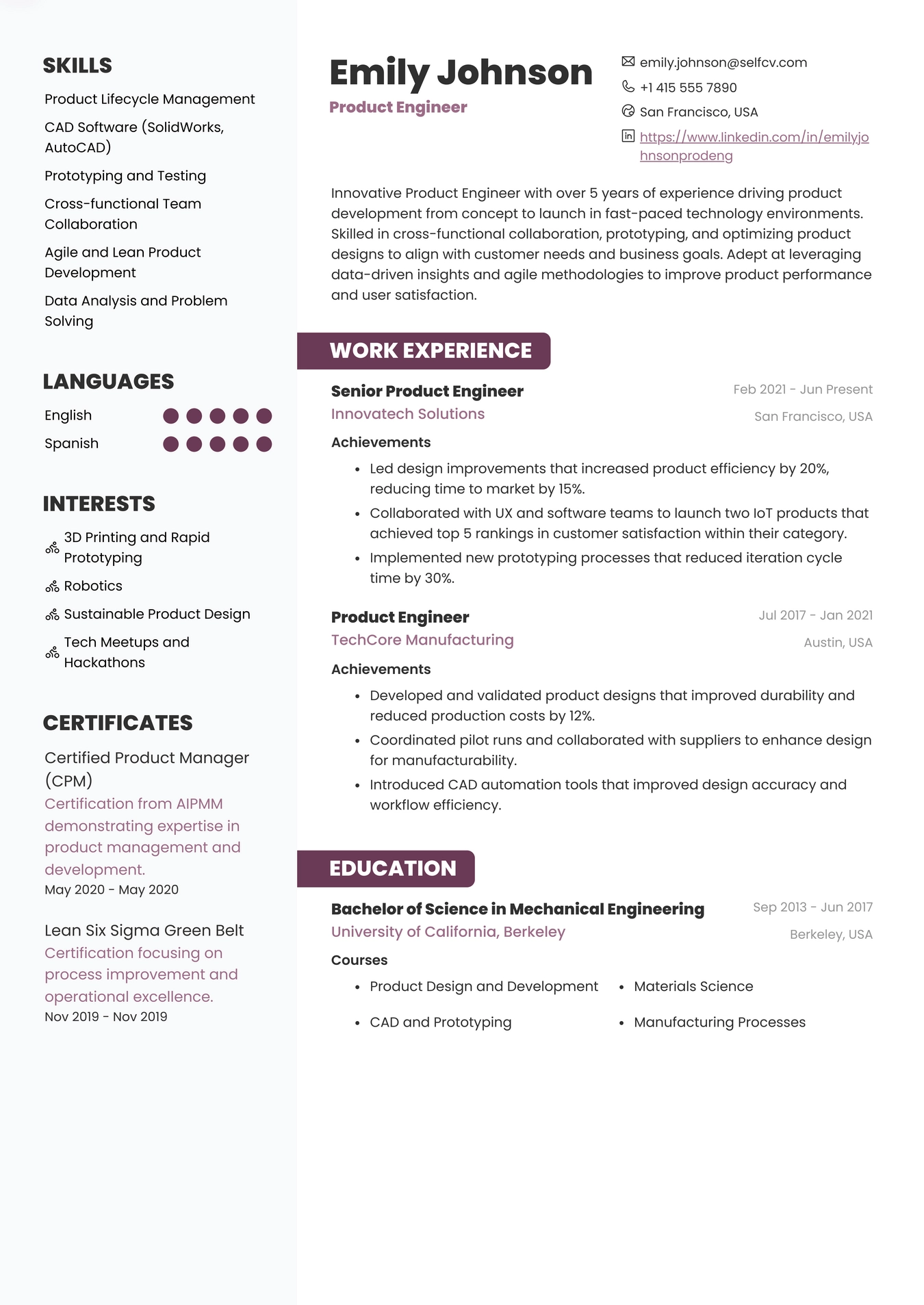
Quick 6-point checklist for a recruiter 15-second scan
Why this matters
Hiring managers often look for evidence of production ownership and measurable improvements.
6-point checklist
- Clear headline with level and specialization (example: Product Engineer, Embedded Systems)
- One-line outcome summary showing measurable impact (revenue, adoption, cost, quality)
- Top 6 technical skills and tools listed as a single line block
- 2-3 recent role bullets that read like product outcomes (what you shipped and how it moved a metric)
- Portfolio link labeled with what it contains (PRDs, prototypes, test reports)
- ATS keywords sprinkled in skills and experience sections (role + deliverable + technology)
How recruiters read it in 15 seconds
- Look at headline, location or remote, current title
- Scan metrics and verbs in first 3 bullets
- Verify top skills for screening tools
Quick tip
- Put your portfolio URL and one-line impact in the header so both humans and ATS see it immediately.
Recruiter-evaluation walkthrough: 15s scan to 60s read
15-second scan priorities
- Headline, level, and industry specialization
- One measurable result line
- Top tools and one high-impact keyword
60-second read priorities
- Clarity on ownership (did you lead design, own the BOM, or coordinate launch?)
- End-to-end deliverables you produced (PRD, prototype, test plan, validation report)
- Evidence of cross-functional collaboration and stakeholder outcomes
What to show for each bullet
- Action verb, deliverable, context, measurable outcome
- Example structure: Reduced time-to-market by 20% by leading prototyping and supplier validation for 3 core modules
Visual scan signals that help
- Short grouped skills lines
- Consistent metric formatting (20%, $X, 3x)
- Project names or product lines that indicate scale (consumer, enterprise, 1M+ users)
Resume Example for Product Engineer
Resume makeover guide: before/after snippets by level
How to approach a makeover
- Keep structure consistent: header, summary, skills, experience, projects, education
- Replace vague duties with product outcomes and deliverables
Entry-level before/after
- Before: "Assisted in product testing and debugging."
- After: "Executed QA test plans for prototype firmware, reduced regression escape rate from 12% to 4% during DVT cycles."
Mid-level before/after
- Before: "Worked on APIs and integrations with partners."
- After: "Designed APIs and integration tests that cut partner onboarding time by 35% and reduced integration defects by 60%."
Senior-level before/after
- Before: "Led hardware team and improved product quality."
- After: "Led cross-functional product engineering for a $5M product line, introduced automated acceptance tests and supplier quality gates, improving yield from 82% to 96%."
Formatting tips
- Keep bullets to one line when possible
- Put the most relevant metric first
- Save 2-3 lines for a projects or portfolio section showing artifacts
Skills, ATS keywords and top phrases to include
How ATS sees product engineering resumes
- ATS matches role plus deliverables plus tools
Top keyword clusters (include variations)
- Product Engineer
- Product development engineer
- Embedded product engineer
- Hardware product engineer
- Product engineering, product lifecycle management
Deliverable and process keywords
- PRD, FMEA, BOM, prototype, DFMEA, DVT, EVT, PVT, test plan, verification, validation, release notes, change control
Tools and technologies to list
- CAD: SolidWorks, Creo
- PCB/ECAD: Altium Designer, KiCad
- Firmware: C, C++, RTOS, Zephyr
- Software: Python, MATLAB, SQL, Git
- Development: JIRA, Confluence, CI/CD pipelines
- Lab/Test: oscilloscopes, logic analyzers, JTAG, automated test rigs
Sample ATS phrases to sprinkle
- "Owned PRD and technical requirements for X product"
- "Led EVT/DVT validation and supplier qualification"
- "Implemented telemetry and metrics to track adoption and field failures"
Tools, deliverables, work environment and stakeholders
Deliverables product engineers create
- Product requirements documents (PRD)
- Prototypes and reference designs
- Bill of Materials (BOM) and cost modeling
- Test plans, verification and validation reports
- Release notes and manufacturing transfer packages
Common tools and lab equipment
- CAD and ECAD software
- Firmware toolchains and debuggers
- Test benches, environmental chambers, and automated rigs
- Telemetry platforms and analytics tools
Work environments
- Cross-functional Agile squads
- Hardware labs and test facilities
- Supplier and contract manufacturer coordination
Primary stakeholders
- Product managers
- Design and firmware engineers
- Test and reliability engineers
- Supply chain and manufacturing partners
- UX researchers and customer support
How to reflect stakeholder work on a resume
- State who you partnered with and the outcome
- Example: "Partnered with supply chain to identify alternate components, cutting lead time 40% and avoiding a production delay."
Metrics and quality standards to put on a resume
Key metrics that hiring teams expect
- Time-to-market reduction (months or percent)
- Cost per unit or cost reduction ($ or percent)
- Product adoption or user growth (new users, installations)
- Yield, defect rate, field-failure rate, MTBF, MTTF
- Test coverage and escape rate reduction
Quality standards and compliance to list when relevant
- CE, FCC, RoHS compliance
- ISO 9001, ISO 13485 (medical), IPC standards
- Safety standards relevant to product domain
How to quantify impact
- Use before-and-after comparisons when possible
- Tie metrics to business outcomes (cost savings, ARR impact, reduced returns)
Example metric phrasing
- "Raised manufacturing yield from 85% to 95%, saving $250K per quarter in scrap and rework."
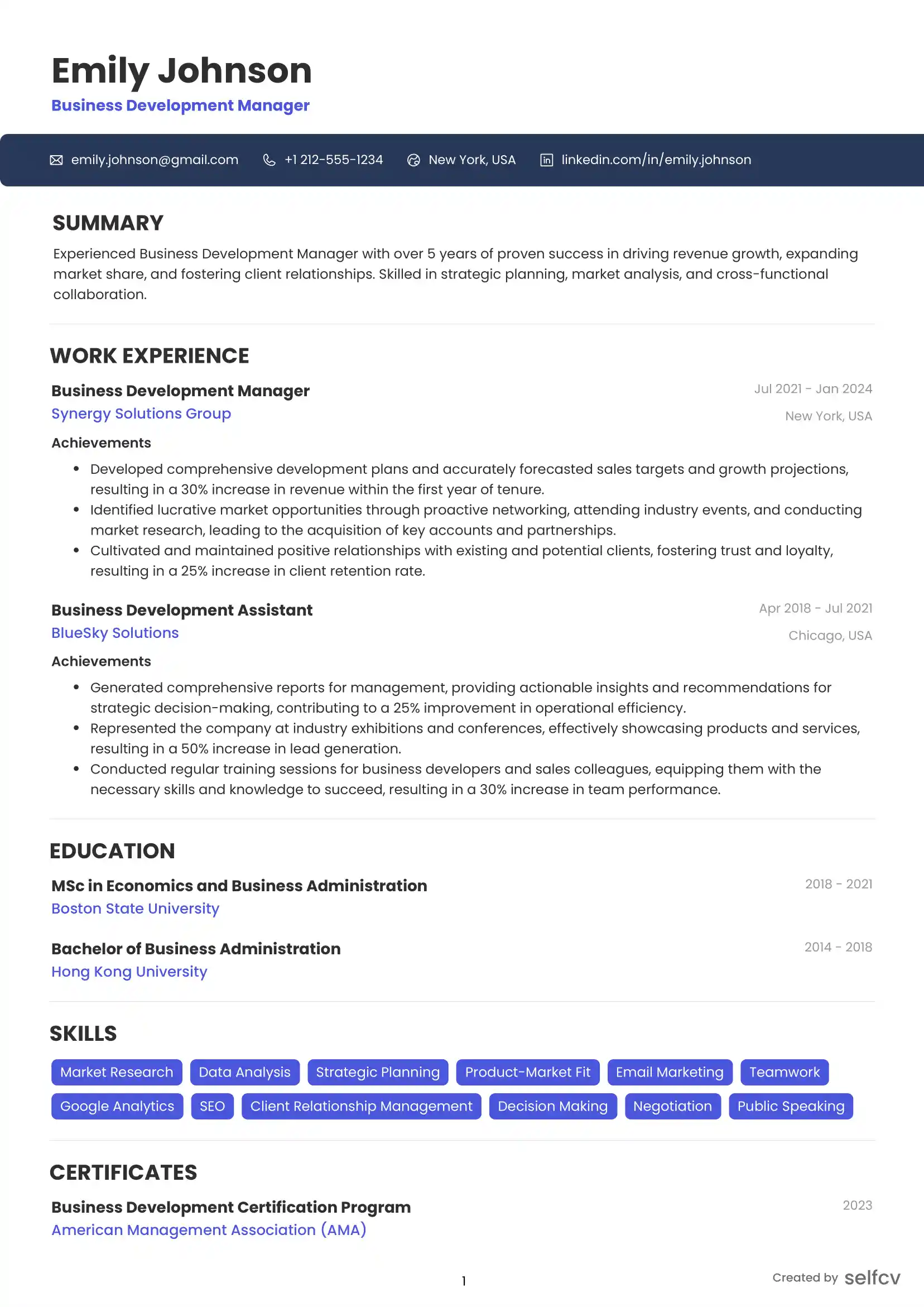
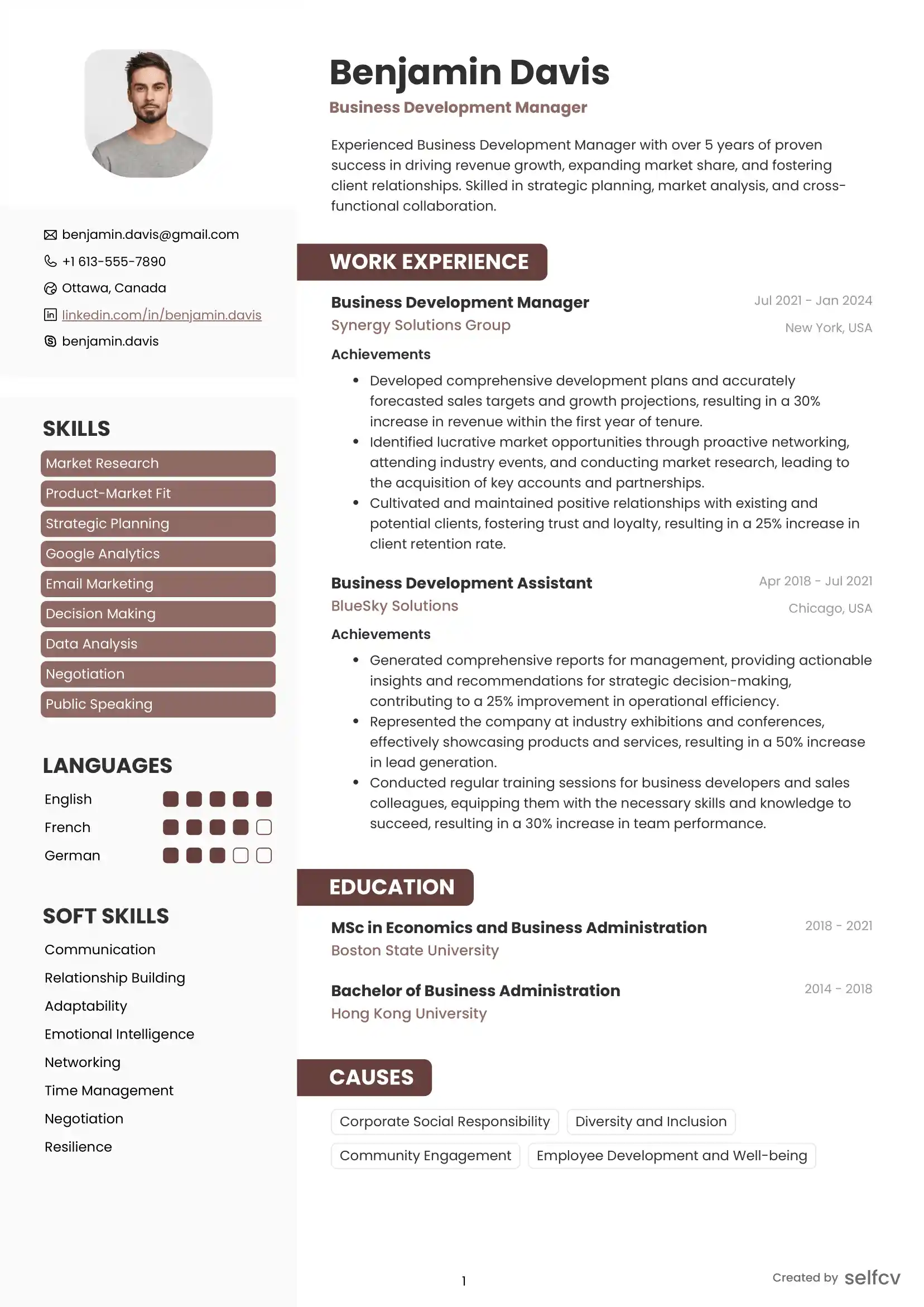
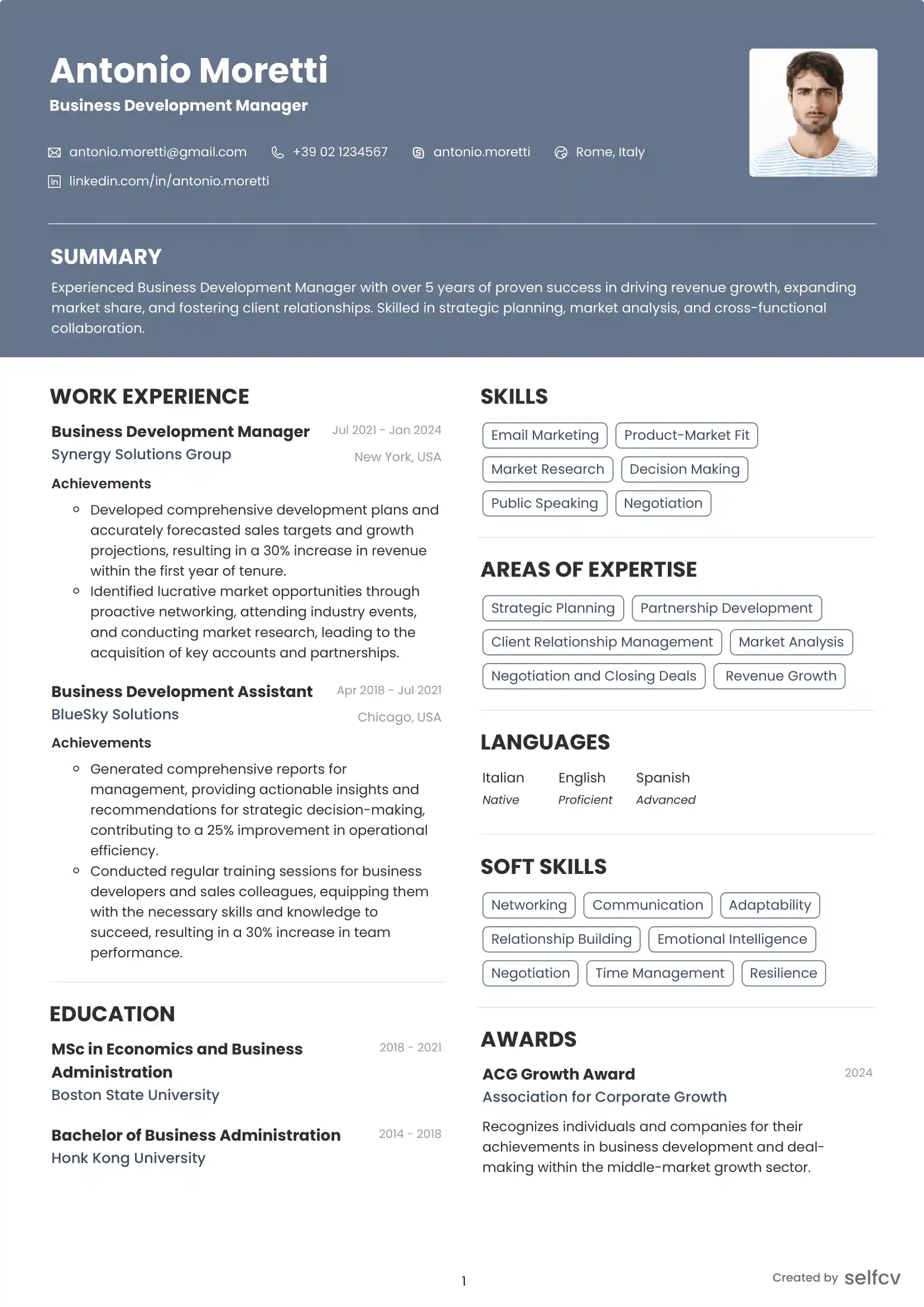
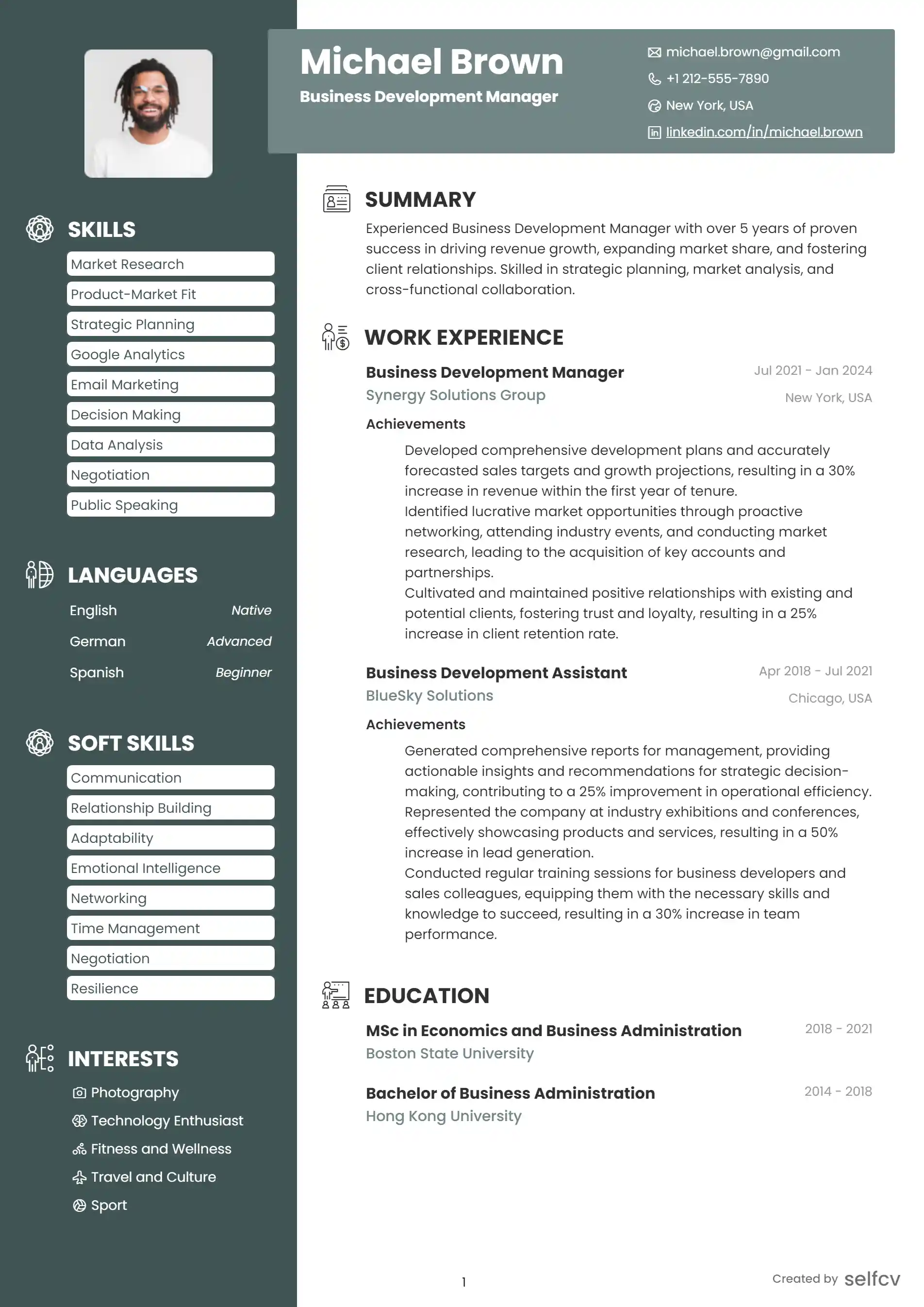
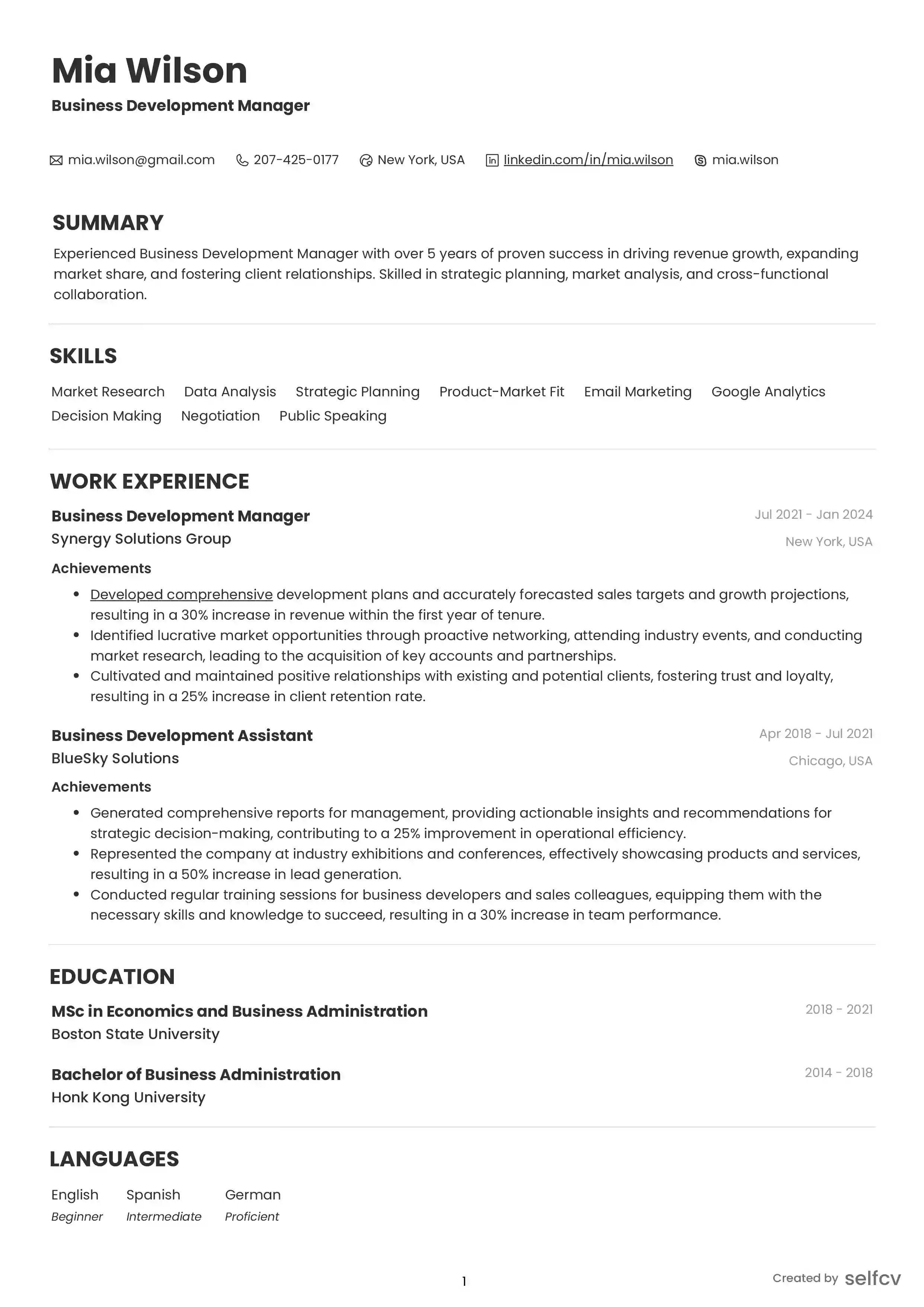
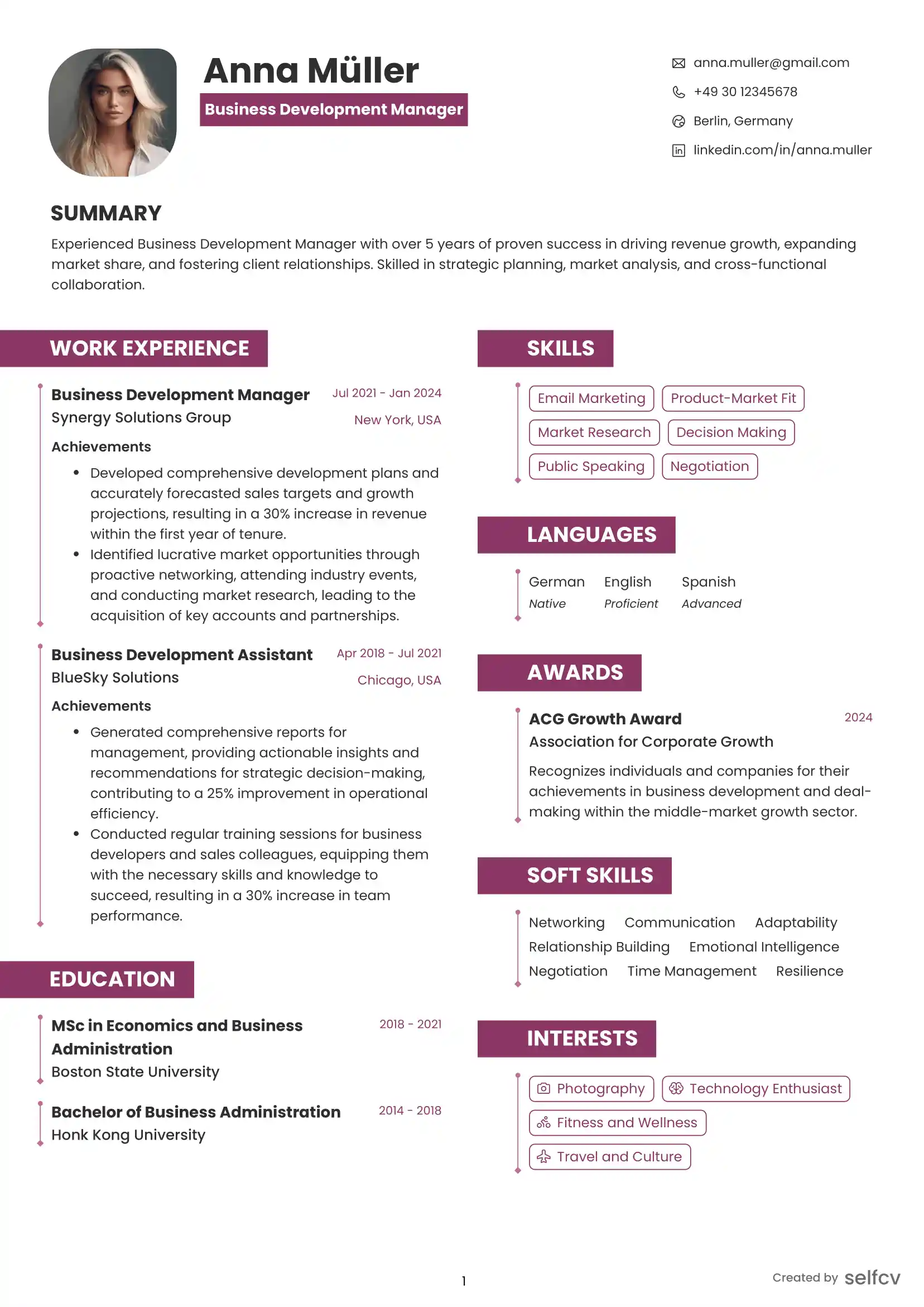
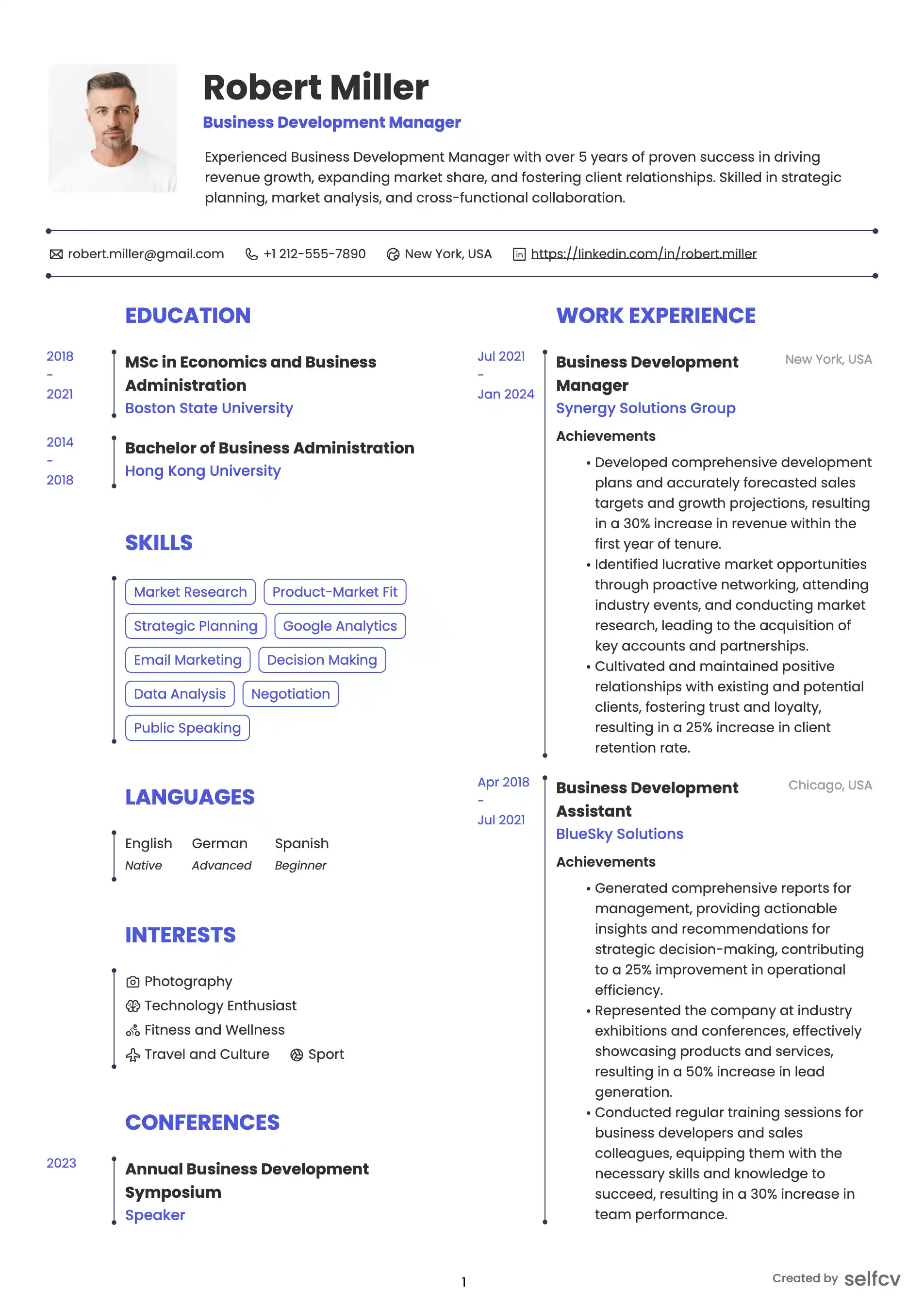
Find the template that’s right for you
No need to build anything from scratch. Using our templates or upload feature, you’ll get started easily and have a powerful resume in a few clicks.
Portfolio and project playbook: what to include and why
What to put in a product engineering portfolio
- PRDs with key trade-offs highlighted
- Prototype photos and short notes on iterations
- Test plans and summary results (anonymize sensitive data)
- BOM snapshots and cost trade-off rationale
- Release notes and manufacturing transfer checklist
How to structure a portfolio README
- One-line summary of the product and your role
- List of artifacts and what each shows (requirements, validation, supplier work)
- Contact or code access instructions for reviewer
Portfolio examples by industry
- SaaS-focused: API design docs, telemetry dashboards, feature experiment results
- Hardware-focused: DVT reports, supplier validation, cost engineering examples
- Embedded: Firmware architecture, boot-time improvements, power profiling
Presentation tips
- Keep artifacts short and annotated
- Draw attention to metrics and trade-offs
- Use images and single-page PDFs for quick review
Tailoring resumes: SaaS vs hardware vs embedded roles
SaaS product engineering focus
- Emphasize telemetry, API design, feature flags, experimentation, and deployments
- Highlight metrics tied to usage and retention
Hardware product engineering focus
- Emphasize BOM, supplier qualification, yield, DFM and manufacturability
- Include test and lab validation results and regulatory compliance
Embedded product engineering focus
- Emphasize firmware, power optimization, boot time, memory footprint, OTA updates
- Include hardware-software integration and real-time constraints
How to adapt a single resume for multiple roles
- Use a master resume with full keywords and deliverables
- Create 2-3 tailored versions prioritizing the most relevant skills and artifacts
Check Your Resume with ATS
Make sure your resume passes Applicant Tracking Systems before recruiters see it.
- 📄 Upload your resume and get instant ATS feedback
- 🎯 Improve keyword matching for your target job
- ⚡ Boost your chances of getting shortlisted
Transition playbook: software engineer to product engineer
Why transitions happen
- Engineers with customer-facing feature experience and system-level thinking often move into product engineering roles
What to add to your resume
- Show product outcomes, not just lines of code
- Add artifacts you contributed to: design docs, integration tests, API contracts
- Emphasize cross-functional ownership and release results
Sample transition bullet
- "Drove end-to-end feature delivery for payments integration, authored API contract and test harness, enabling partner onboarding in 2 weeks instead of 6."
Interview preparation focus
- Be ready to discuss trade-offs you made between speed, cost, and quality
- Bring examples of decisions that prioritized product outcomes over technical purity
Achievement examples: weak-to-strong, profession-specific
Example 1:
Weak:
- Helped improve product reliability.
Strong:
- Reduced field-failure rate from 3.2% to 0.5% across the V2 device family by leading root-cause analysis and supplier corrective actions.
Why it works:
- Shows specific metric, scope, and actions taken.
Example 2:
Weak:
- Worked on prototype testing.
Strong:
- Led EVT and DVT test campaigns for a consumer IoT thermostat, consolidated 120 test cases into an automated bench that cut validation time from 6 weeks to 12 days.
Why it works:
- Quantifies time saved and describes the deliverable that produced it.
Example 3:
Weak:
- Improved onboarding for partners.
Strong:
- Designed SDK and integration guide that reduced partner integration time by 65% and increased active partner integrations from 8 to 23 in six months.
Why it works:
- Ties technical work to adoption metrics and business results.
Resume summaries and objectives by career level
Entry-level (Associate / Junior Product Engineer) objective
- "Junior Product Engineer with internship experience in prototype testing and BOM management, seeking to apply hands-on lab skills and data-driven test design to reduce time-to-market."
Mid-level (Product Engineer / Product Development Engineer) summary
- "Product Engineer with 3-5 years delivering connected hardware and firmware features; led cross-functional launches that improved yield and reduced support tickets by 40%."
Senior (Senior Product Engineer / Lead Product Engineer) summary
- "Senior Product Engineer focused on scaling products from prototype to mass production; led supplier qualification, automated validation, and cost-down programs for multiple product lines."
Principal / Staff and Managerial transition objective
- "Principal Product Engineer with experience translating roadmaps into manufacturable designs; looking to transition to engineering manager role combining technical leadership and program delivery."
Career changer (software engineer to product engineer) objective
- "Software engineer moving into product engineering with experience owning API contract and integration tests; aims to bring system-level thinking to product validation and release."
Complete fictional resume example
The candidate, companies, and career history shown below are fictional examples created for illustration and any resemblance to a real person or organization is coincidental.
Alex Chen
Product Engineer
San Jose, CA (Open to remote)
Professional Summary
- Product Engineer with 5 years building connected consumer devices and firmware, experienced in prototype validation, BOM cost optimization, and cross-functional launch coordination. Reduced field failures and sped up supplier qualification for two product lines.
Grouped Skills
- Product lifecycle: PRD, prototype, EVT, DVT, PVT, manufacturing transfer
- Hardware and firmware: PCB design review, C/C++, RTOS, power profiling
- Tools: SolidWorks, Altium, Python, JIRA, Git, oscilloscopes, environmental chambers
- Processes: FMEA, DFMEA, supplier qualification, cost modeling
Professional Experience:
Senior Product Engineer
Orion Devices, San Jose, CA
2023-2026
- Led EVT/DVT validation for smart lock product line, reducing test cycle time from 8 weeks to 3 weeks through test automation and parallelization.
- Improved manufacturing yield from 82% to 96% by introducing supplier quality gates and tightening acceptance criteria, saving $320K in first-year scrap costs.
- Owned BOM cost-reduction program, cutting unit cost by 18% while maintaining regulatory compliance.
Product Engineer
Helix Home, San Francisco, CA
2020-2023
- Authored PRD and test plans for a Wi-Fi enabled thermostat that achieved 50K units shipped in year one.
- Implemented telemetry for field failures and reduced high-severity incidents by 70% via firmware patches and updated assembly procedures.
- Collaborated with supply chain to qualify two alternate suppliers, eliminating a 14-week lead-time risk.
Associate Test Engineer (Intern)
Nimbus Labs, Palo Alto, CA
2019-2020
- Executed prototype test campaigns and documented verification results used in PVT sign-off.
- Automated 40% of manual regression tests with Python scripts, reducing weekly lab hours by 60%.
Education / Training
- B.S. Electrical Engineering, University of California
- Coursework: Embedded Systems, Product Design, Signals
Certifications
- IPC-A-610 Acceptability of Electronic Assemblies (optional)
- Certified Scrum Master (optional)
ATS keyword pack and sample phrases
How to use the keyword pack
- Insert exact phrases in skills and experience sections
- Mirror language from the job posting when relevant
Core ATS keywords
- Product Engineer
- PRD, BOM, DVT, EVT, PVT, FMEA
- Supplier qualification, manufacturing transfer
- Firmware, embedded C, RTOS, PCB
Sample one-line phrases for bullets
- "Owned PRD and led EVT/DVT cycles for X product, reducing validation time by 60%."
- "Implemented automated test bench that cut regression cycles from 6 weeks to 10 days."
- "Reduced unit cost by 18% through BOM optimization and supplier negotiations."
Interview prep prompts focused on product outcomes and trade-offs
Core interview themes to prepare
- Ownership: Describe a product you owned end-to-end and what you delivered
- Trade-offs: Explain a decision you made between cost, schedule, and quality
- Data: Show how you measured success and what you changed based on metrics
- Cross-functional: Describe stakeholder conflicts and how you resolved them
Sample prompts to rehearse
- "Walk me through a PRD you wrote and the hardest trade-off you documented."
- "Describe the most significant supplier issue you handled and how you validated the fix."
- "Show a test plan you designed and how it caught a defect before release."
Frequently asked questions (FAQ)
How do I write a Product Engineer resume that passes ATS?
- Use a clear headline, include exact deliverable and tool keywords, and repeat core phrases in skills and experience. Avoid images or uncommon fonts.
What skills and keywords should a Product Engineer include?
- Include PRD, BOM, EVT/DVT, FMEA, firmware languages, CAD, and lab/test equipment. Tailor to the job description and include both process and tool keywords.
How do I quantify product impact on my resume?
- Use before-and-after metrics (yield, cost, time-to-market, failure rates) and tie them to business impact where possible ($ saved, units shipped).
What should a senior Product Engineer emphasize versus a junior one?
- Seniors should emphasize ownership of cross-functional programs, supplier and cost strategies, and mentorship. Juniors should emphasize hands-on validation, test automation, and learning outcomes.
How to show a transition from software engineer to product engineer?
- Add artifacts that show system-level thinking: design docs, integration tests, API contracts, and outcomes tied to partners or users. Emphasize coordination with hardware or test teams.
Which deliverables and metrics matter most to hiring managers?
- PRDs, prototypes, DVT reports, BOMs, yield and field-failure metrics, time-to-market improvements, and cost reductions.
Related careers
Related professions
- Product Manager
- Hardware Engineer
- Firmware Engineer
- Systems Engineer
- UX Designer
- Software Engineer
- Test and Reliability Engineer
- Manufacturing Engineer
Conclusion, checklist and next actions
Final profession-specific note
- Product engineering resumes must show product thinking plus technical delivery: artifacts, ownership, and measurable outcomes.
Practical checklist by level
- Entry-level: Include lab work, test automation, one project with measurable outcome
- Mid-level: Show cross-functional launches, cost or quality improvements, PRD ownership
- Senior/principal: Demonstrate program leadership, supplier strategy, measurable business impact
- Career changer: Showcase system-level artifacts and one end-to-end outcome
Next action items
1) Download the ATS keyword pack and copy 12 phrases into your skills and first two experience bullets
2) Use the provided sample phrases to rewrite your top 3 bullets as outcome-first statements
3) Create a portfolio README with one-line role summary and 4 artifacts (PRD, test report, BOM snapshot, prototype photos)
4) Practice 5 interview prompts focused on trade-offs and validation
Call to action
- Export a tailored resume version for your target role and attach a one-page portfolio README to your application.
Why job seekers choose selfcv
Thousands of professionals use selfcv to build modern, ATS-friendly resumes, customize templates, and apply for jobs with confidence.
Thanks to SelfCV, I now have a professional and polished resume that I'm confident in sending to potential employers. I will definitely be recommending your service to other job seekers. Keep up the great work!
SelfCV offers an intuitive interface that makes creating a professional CV straightforward. Whether you're a student, a fresh graduate, or an experienced professional, the step-by-step process ensures that users of all levels can craft an impressive CV.
Easy to use resume builder. They have very intuitive ui for customizing and keeping multiple versions of resume.
The right tool for creating CVs. As a student I was looking for a tool that could help me quickly create a CV for internship applications. This was just the right tool. I am very satisfied!
This is one of the best tools I’ve ever used - I was able to build my CV in seconds with high quality template. Highly recommended!
Amazing app with easy user experience. Loved it. Its intuitive and easy to navigate, designs are very nice.
