
Security Analyst Resume Guide for 2026: SIEM Results, Incident Metrics and ATS Keywords
Written by Armen Mkhitaryan
Hiring managers need analysts who quickly reduce risk, not just list tools. This guide shows three resume changes that generate faster interview invites and one high-impact before/after bullet that turns a vague SOC duty into a measurable detection outcome.
Three fast changes that make a difference:
- Turn duties into outcomes by adding metrics (MTTR, detection rate, incidents closed).
- Lead with one production achievement in the summary, not a list of tools.
- Add 4-8 role-specific ATS keywords in a visible skills block and sprinkle them in bullets.
Before/After micro-example:
- Before: "Monitored logs and escalated alerts in Splunk."
- After: "Triaged 400+ Splunk alerts per week, tuned detection logic to reduce false positives by 35% and cut median MTTR from 7 hours to 2.5 hours."
TL;DR: Why this works and where to start
If your resume looks like a tool inventory it will be skimmed and set aside. Recruiters and hiring teams scan for measurable impact, repeatable processes, and clear tool fluency.
Start here:
- Replace at least one duty with a metric-backed outcome in every recent role.
- Show ownership: incident response, playbooks authored, detection rule ownership.
- Add a short portfolio link list: incident write-ups, detection queries, remediation playbooks.
Quick scan checklist:
- One-line measurable summary
- 6-10 achievements total with 2-3 metrics each for recent roles
- Skills block with SIEM, EDR, cloud security, scripting keywords
- Portfolio artifact links or filenames included in a separate line
Why Security Analyst resumes fail and how to fix them
Common failures:
- Tool lists instead of achievements
- Generic verbs: monitored, investigated, supported
- No measurable outcomes or SLAs
- Missing cloud or threat-hunting evidence for cloud-native roles
How to fix each failure:
- Tools -> add context: what you did with the tool and the result
- Generic verbs -> swap for outcomes: detected, tuned, reduced, automated
- No metrics -> add MTTR, % detection improvement, incidents handled per month
- Cloud roles -> include specific cloud services, IaC security checks, cloud alerts tuned
Practical rewrite pattern:
- Original: "Managed SIEM alerts and escalations."
- Pattern: "Action + scope + tool + metric + business result"
- Rewritten: "Developed 8 Splunk correlation searches, reducing analyst triage time 40% and preventing 3 production breaches in 12 months."
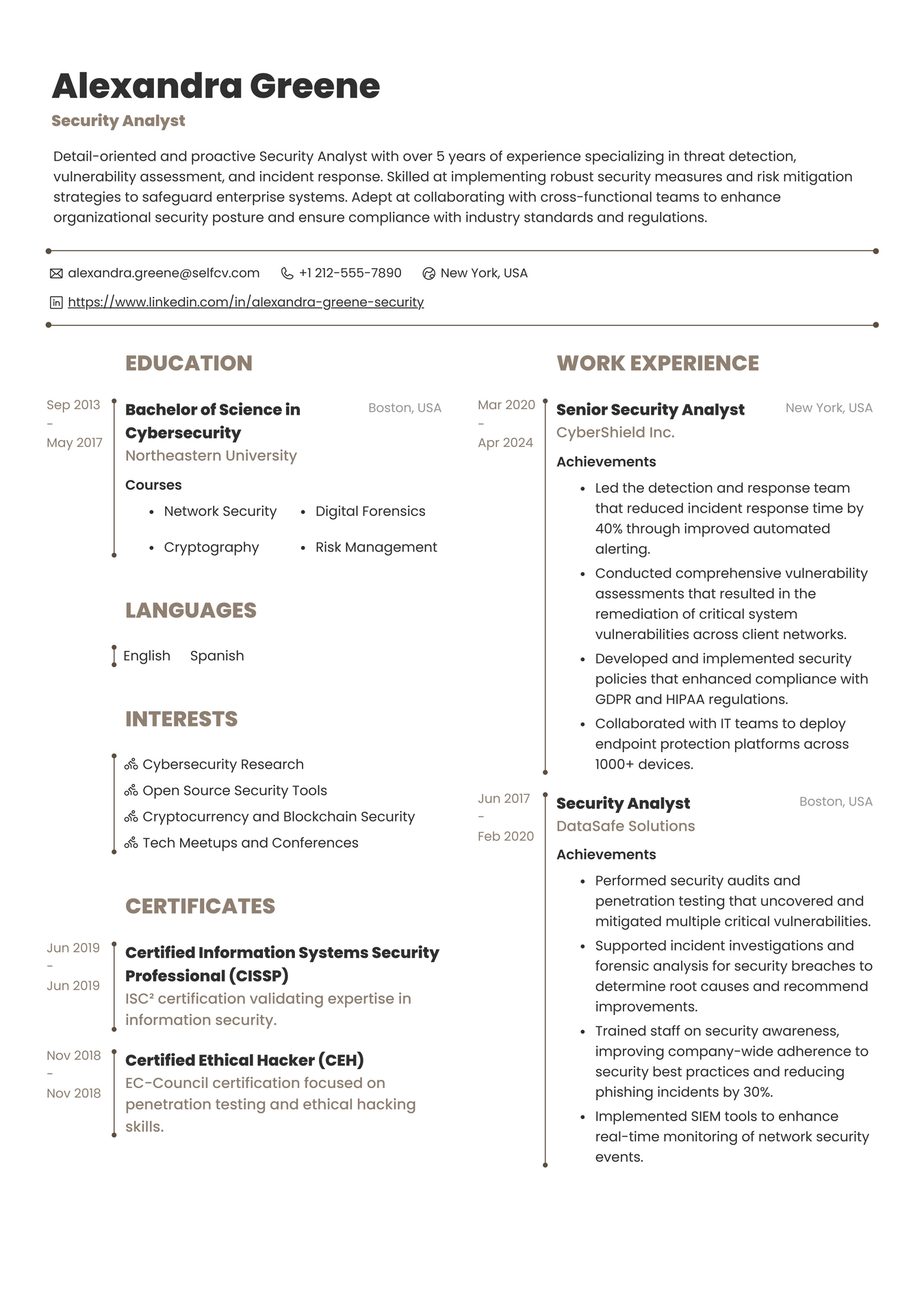
Resume Example for Security Analyst
What hiring teams look for (recruiter and manager perspective)
Hiring patterns and priorities:
- Evidence of production ownership and measurable improvements.
- Signals you can operate in an existing SOC: ticketing, shift handover, playbooks.
- Ability to reduce noise: tuning rules, false positive management, automation.
- Cross-team communication: incident remediation with engineering, compliance, or legal.
Resume signals that matter:
- Concrete metrics (MTTR, time to detect, detection coverage)
- Tools and rule examples (Splunk, QRadar, Elastic, Chronicle, EDRs)
- Process deliverables (playbooks, runbooks, post-incident reports)
- Certifications and relevant training for the role level
What to avoid in the experience section:
- Tool-obsessed excerpts with no outcome
- Overly technical logs without business context
- Long paragraphs instead of short bullets
ATS keywords, tools, and technical skills to include
Top ATS keyword clusters to use naturally in bullets and skills block:
- SIEM resume keywords, Splunk, QRadar, Elastic, Chronicle, Microsoft Sentinel
- EDR/XDR, CrowdStrike, Carbon Black, Defender for Endpoint
- Incident response, IR, incident handling, playbooks, runbooks
- Threat hunting, TTPs, ATT&CK framework, threat intelligence
- MTTR, mean time to detect, detection rate, false positive rate
- Cloud security, AWS security, Azure security, GCP security, cloud-native logging
- Vulnerability scanning, Nessus, Qualys, CVSS
- Scripting, Python, KQL, SPL, SQL, bash
Representative tool list to show breadth and depth:
- SIEMs: Splunk, QRadar, Elastic, LogRhythm, Chronicle
- EDRs: CrowdStrike, Sentinel, Carbon Black
- Cloud: AWS CloudWatch, Azure Monitor, GCP Logging
- Forensics: Volatility, Autopsy, FTK
- Threat intel: MISP, OpenCTI, VirusTotal
Practical tip:
- Group tools by category (SIEM, EDR, cloud, scripting) and limit to 10-15 high-relevance items to stay readable.
Turning SOC duties into achievement bullets (resume makeover)
Tactical steps:
- Add scope: number of hosts, alerts per week, environment size
- Add action: tuned, authored, automated, led, reduced
- Add metric: % reduction, hours saved, incidents handled, SLA improvements
- Add business outcome: prevented downtime, reduced analyst workload, aided compliance
Before/after examples:
- Before: "Monitored alerts and escalations in QRadar."
- After: "Triaged 300 QRadar alerts weekly, tuned correlation rules to reduce false positives 28% and escalated 12 high-confidence incidents to engineering for containment."
SIEM rule rewrite example for the resume:
- Before: "Wrote Splunk alerts."
- After: "Authored 12 Splunk correlation searches and 6 threat-hunting queries (SPL), improving detection coverage for credential dumping by 45% and cutting investigator time per case 30%."
Complete fictional resume example
The candidate, companies, and career history shown are fictional examples created for illustration and any resemblance to a real person or organization is coincidental.
Jamie Rivera
Target Position
Security Analyst / SOC Analyst
Location
Seattle, WA (open to remote)
Professional Summary
Analytical Security Analyst with 4 years in 24x7 SOC operations and incident response. Focused on SIEM tuning, automated alert triage, and cross-team remediation. Reduced median MTTR 60% across two SOC rotations and authored incident response playbooks adopted by 3 teams.
Grouped Skills
- SIEM: Splunk, QRadar, Elastic
- EDR: CrowdStrike, Microsoft Defender
- Cloud: AWS CloudWatch, Azure Monitor
- Scripting & Querying: Python, SPL, KQL, SQL
- Processes: Incident response, threat hunting, playbook design
Professional Experience
Senior SOC Analyst, BlueWave Telecom, Seattle, WA, 2023-2026
- Led triage for 12,000 monthly alerts, introducing enrichment pipelines that reduced false positives 37%.
- Built 10 Splunk correlation searches and 5 threat-hunting queries, increasing detection coverage for lateral movement by 48%.
- Authored IR playbooks for ransomware and data exfiltration used across incident teams, lowering MTTR from 8 hours to 3 hours.
SOC Analyst, Helix Health Systems, Seattle, WA, 2020-2023
- Handled 250+ incidents per year, completing full containment and post-incident reports for regulatory audits.
- Tuned QRadar rules and automated weekly suppression to cut repetitive alerts 42%.
- Collaborated with cloud engineering to create alerting for misconfigured S3 buckets, preventing 2 public data exposures.
Education / Training
- B.S. Computer Science, University of Washington
- SOC rotation and on-the-job incident response training programs
Certifications
- CompTIA Security+
- Splunk Certified Power User
- GCIH (optional for senior roles)
Notes
- Clearance: none
- Portfolio: incident write-up filenames and Splunk query snippets are included on request
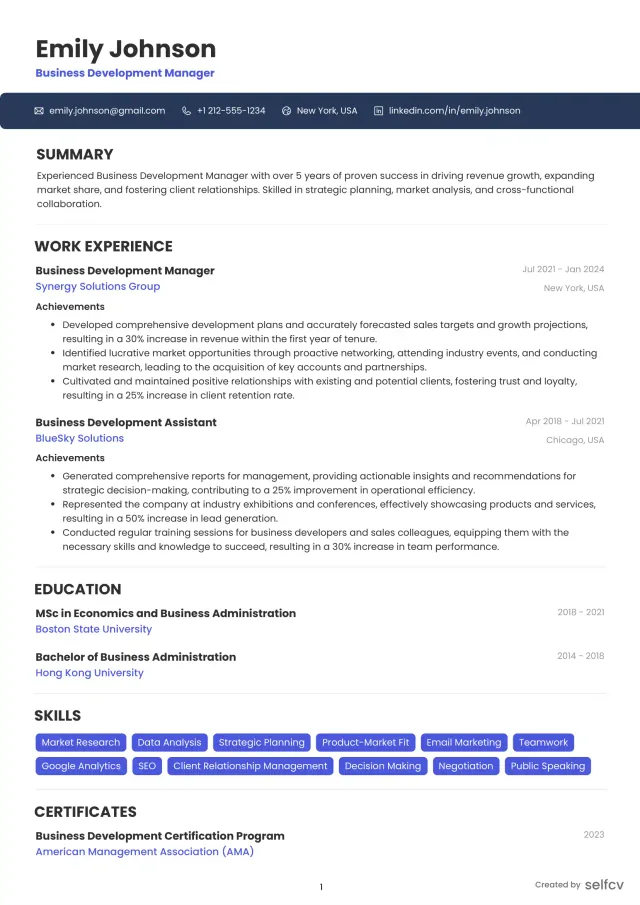
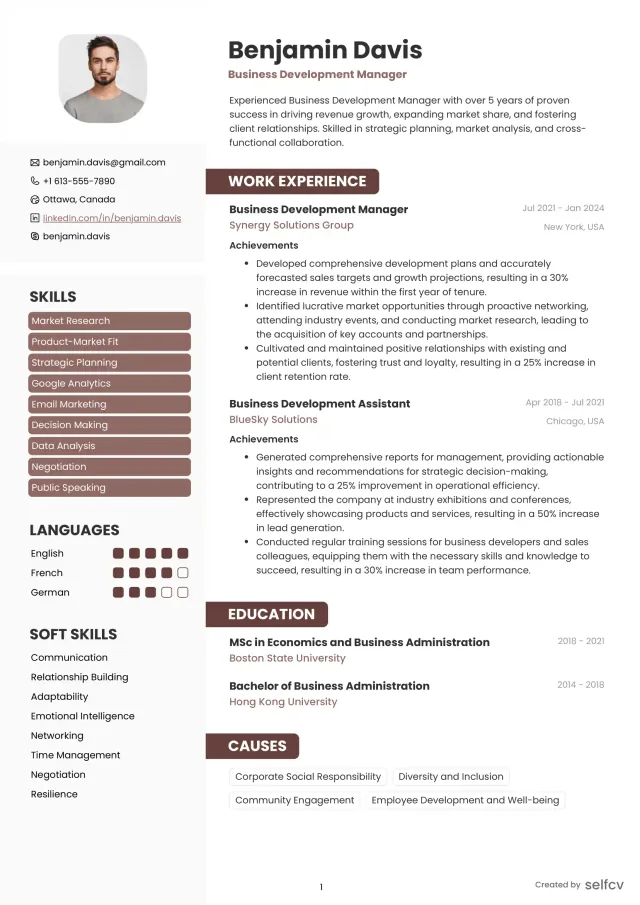
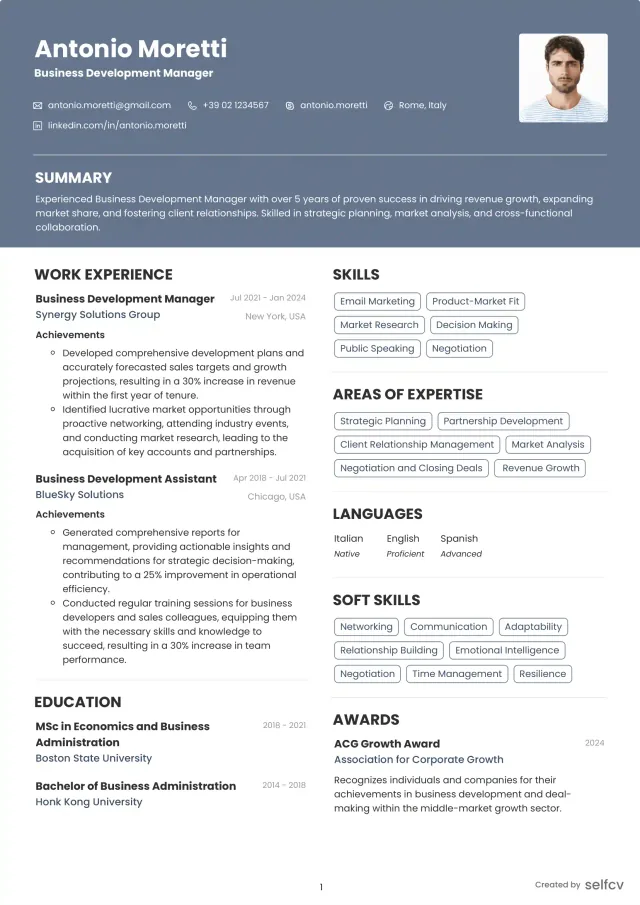
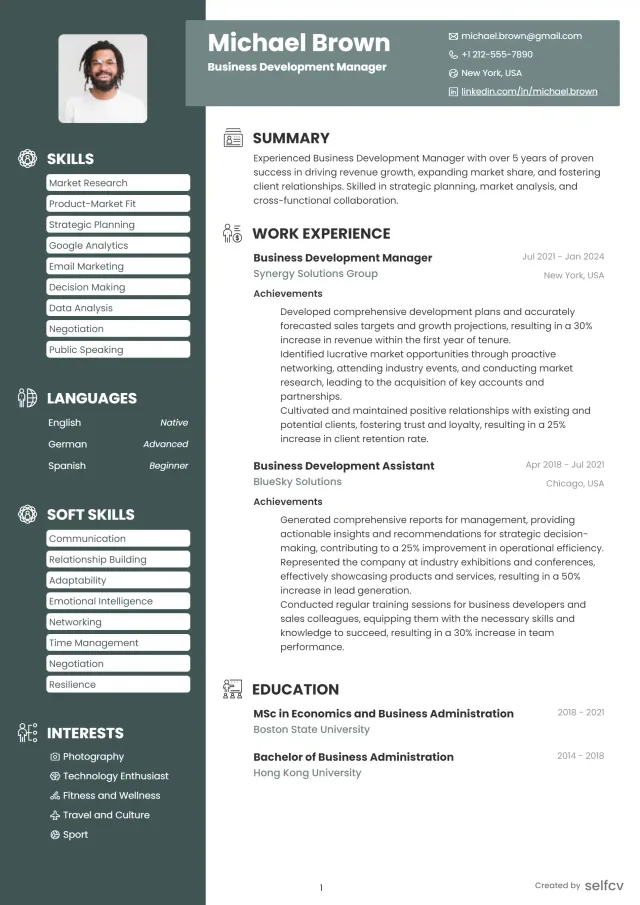
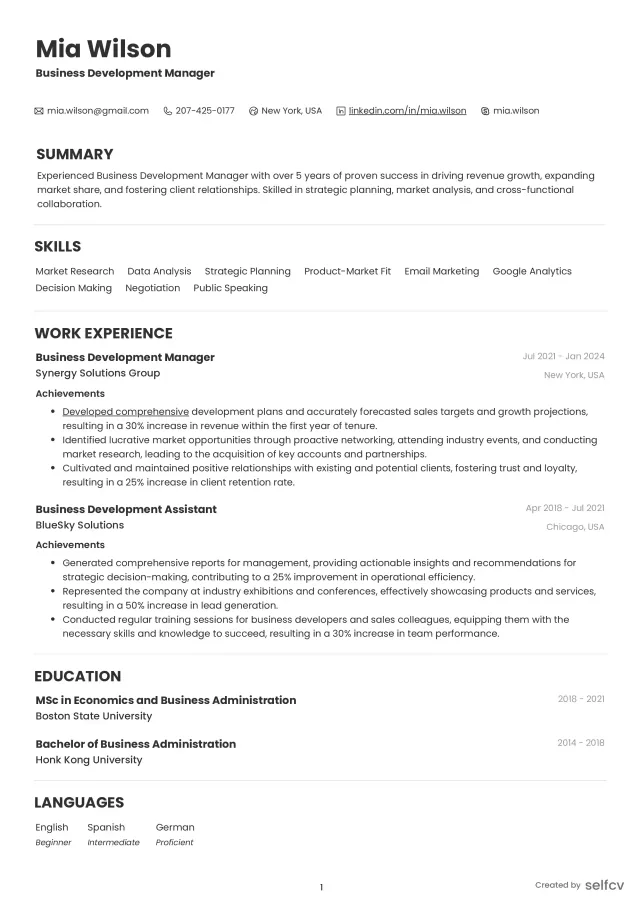
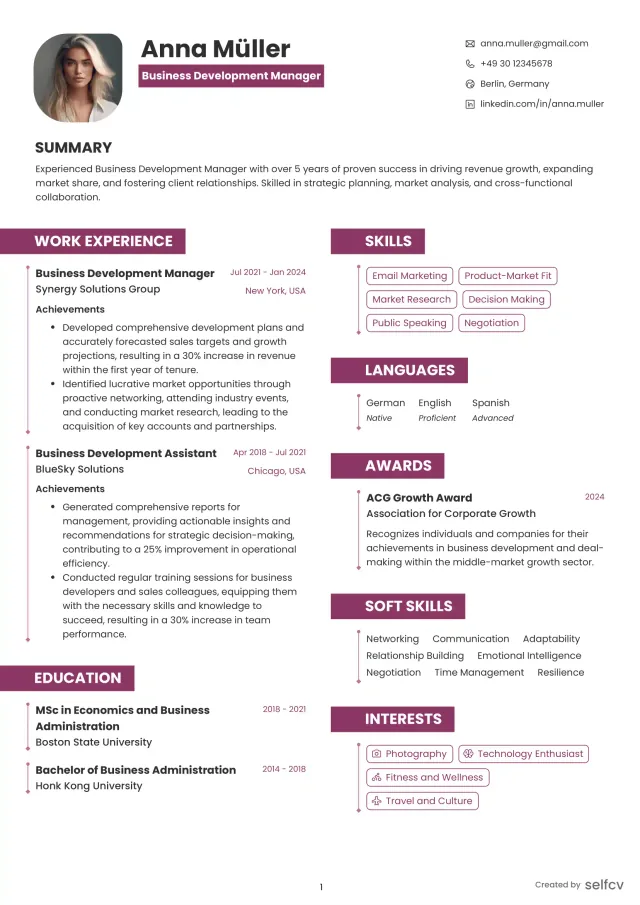
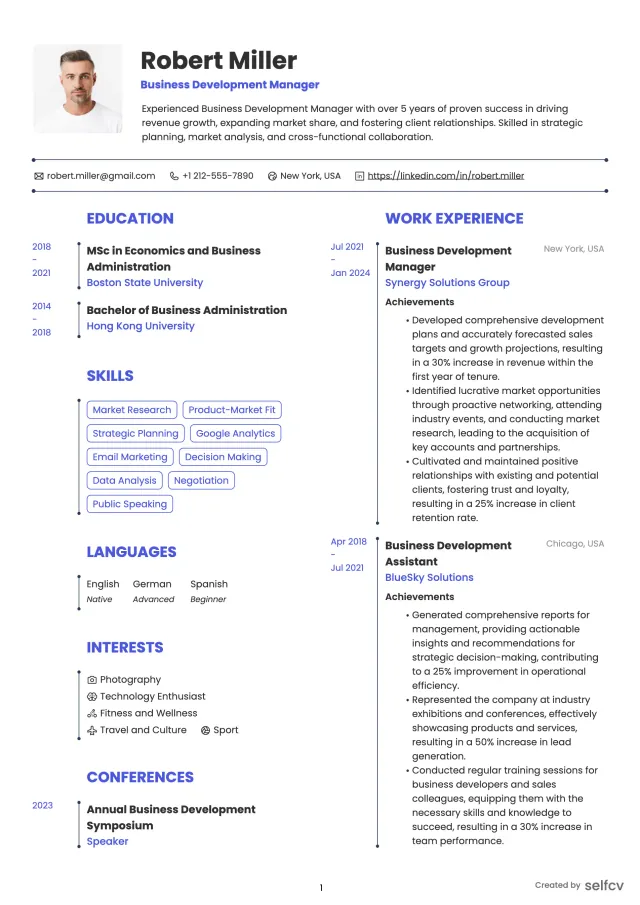
Find the template that’s right for you
No need to build anything from scratch. Using our templates or upload feature, you’ll get started easily and have a powerful resume in a few clicks.
Career-level summaries and objective examples
Entry-level (0-2 years) objective example:
- "Recent IT graduate with hands-on Splunk lab experience and a Security+ certification seeking an entry Security Analyst role to apply log analysis and incident triage skills in a SOC environment."
Mid-level / SOC II (2-6 years) summary example:
- "SOC Analyst with 3 years of 24x7 monitoring and incident response experience. Improved detection by tuning Splunk searches and creating playbooks that cut MTTR 40%."
Senior / Lead Analyst (6+ years) summary example:
- "Lead Security Analyst with 8 years designing detection engineering workflows, mentoring SOC teams, and maintaining SIEM at scale. Delivered a 60% reduction in time-to-contain through automation and comparable playbook standardization."
Career-changer (IT/DevOps to Security) objective example:
- "Systems engineer transitioning to security with 4 years of Linux, cloud, and automation experience. Completed a hands-on threat hunting bootcamp and built Splunk detection queries to demonstrate practical detection skills."
Weak-to-strong achievement rewrite examples
Example 1:
Weak:
- "Monitored security alerts."
Strong:
- "Triaged 200+ weekly alerts, escalated 15 confirmed incidents and reduced false positives by 30% through rule tuning."
Why it works:
- Adds scope, frequency, and measurable improvement.
Example 2:
Weak:
- "Provided incident response support."
Strong:
- "Led containment for 6 ransomware incidents, coordinated cross-team remediation, and authored post-incident reports that reduced repeat infections to zero over 9 months."
Why it works:
- Shows leadership, concrete incidents, and business outcome.
Example 3:
Weak:
- "Wrote Splunk searches."
Strong:
- "Authored 14 Splunk correlation searches and 7 automated alerts, improving early detection for privilege escalation by 55% and lowering analyst triage time by 35%."
Why it works:
- Quantifies output, detection improvement, and operational savings.
Check Your Resume with ATS
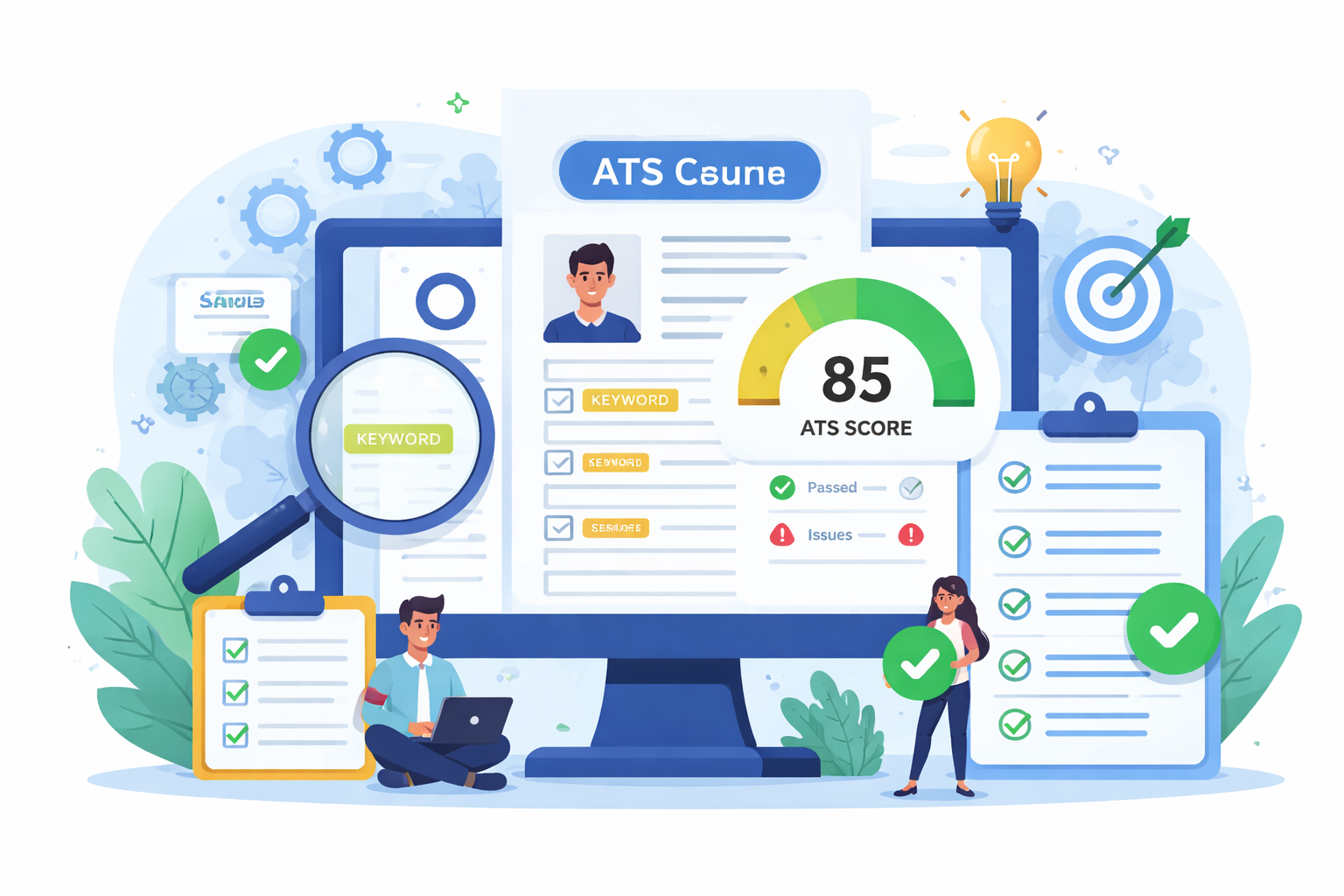
Make sure your resume passes Applicant Tracking Systems before recruiters see it.
- 📄 Upload your resume and get instant ATS feedback
- 🎯 Improve keyword matching for your target job
- ⚡ Boost your chances of getting shortlisted
Portfolio pieces and deliverables hiring teams want to see
High-impact portfolio items:
- Incident write-ups: anonymized timeline, tools used, containment steps, remediation impact
- Detection rules and queries: SPL, KQL, correlation logic with short comments
- Playbooks and runbooks: steps for triage, containment, escalation, and verification
- Threat-hunting reports: hypothesis, tools used, indicators found, outcomes
- Automation scripts: enrichment, alert suppression, triage helpers with README
How to present portfolio links on a resume:
- Include a short portfolio line: "Portfolio: incident-S3-leak.md, splunk-query-auth-bypass.spl"
- Or provide a single GitHub/GitLab link and list artifacts there with README files
Privacy tip:
- Redact customer names and sensitive logs. Describe outcomes and sanitized indicators instead of raw PII.
Industry-specific micro-examples
Finance example:
- "Wrote Splunk detection for anomalous wire transfer requests, reducing false positives 25% and preventing a $400k fraudulent transfer by enabling faster escalation."
Healthcare example:
- "Tuned EHR-related alerts and authored a PHI exposure playbook used in incident reporting for HIPAA audits, decreasing time-to-notification 50%."
Cloud/SaaS example:
- "Implemented cloud-native logging for AWS Lambda, created alerting for misconfigured IAM policies, and reduced public S3 exposures by automating remediations via Lambda."
Hiring note:
- Mention regulatory experience (PCI, HIPAA, SOX) where applicable and include compliance-relevant deliverables.
Practical path for IT/DevOps professionals moving into security
Key steps to show transition readiness on a resume:
- Map existing skills: logging, scripting, cloud infra to security tasks (monitoring, automation, remediation).
- Build 3 concrete artifacts: a Splunk query, a threat-hunting notebook, an incident playbook.
- Start with entry SOC roles or SOC analyst internships, or apply for SOC Tier 1 with documented projects.
Resume framing tips:
- Replace "Managed servers" with "Instrumented server logs for security monitoring".
- Highlight automation: "Wrote Python scripts to enrich alerts and accelerate triage by 45%."
- Use a short projects section to showcase hands-on security work if professional security experience is limited.
ATS and measurable-bullet checklist for Security Analysts
ATS keyword check (include 4-8 in skills block and 2-4 across bullets):
- SIEM, Splunk, QRadar, Elastic, Sentinel
- EDR, CrowdStrike, Defender, Carbon Black
- Incident response, playbook, IR, MTTR
- Threat hunting, ATT&CK, TTPs, threat intelligence
Measurable-bullet checklist:
- Include a scope number (alerts per week, hosts monitored, incidents per month)
- Add a metric (% change, hours saved, dollars avoided) when possible
- Show result and business impact (reduced downtime, audit readiness, prevented data loss)
Formatting tips:
- Keep summary 1-2 lines with a highlighted achievement
- Use short bullets, 3-5 for older roles, 4-6 for recent roles
- Use plain filenames or a single portfolio URL instead of inline long links
Interview prep: 30/60/90-day talking points for Security Analysts
30-day plan (what you will do first):
- Review current alerting and onboarding docs
- Shadow shifts, document gaps in handover and playbooks
- Triage live alerts and identify 2 quick rule-tuning opportunities
60-day plan:
- Implement 3 tuned detection rules and one automation for enrichment
- Run a tabletop incident drill with engineering and document lessons
- Deliver 1 post-incident report and update playbooks
90-day plan:
- Present a detection coverage map and a list of prioritized improvements
- Reduce false positive noise by measurable percent (target 20-40%)
- Start mentoring junior analysts and formalize shift handover notes
FAQs specific to Security Analyst resumes
How do I write a Security Analyst resume that passes ATS?
- Use a skills block with SIEM, EDR, incident response, and cloud keywords. Mirror role language from the job posting and place 4-8 keywords near the top and in bullets.
What keywords should a Security Analyst include on a resume for SOC roles?
- SIEM, Splunk, QRadar, EDR, incident response, MTTR, threat hunting, ATT&CK, playbook, automation.
How do you show incident response experience on a resume?
- Use short bullets that include incident count or severity, your role (led/triaged/contained), tools used, and outcome or remediation impact.
What measurable metrics matter for Security Analysts (examples to include)?
- MTTR, time-to-detect, % false positive reduction, incidents handled per month, detection coverage increase, dollars or data prevented from exposure.
How should a cloud-focused Security Analyst present cloud security experience?
- Mention specific cloud services and logging tools, examples of misconfiguration detection, and any IaC or automation artifacts that reduced risk.
What tools and technologies should I list for a Security Analyst resume?
- Prioritize SIEM, EDR, cloud logging services, threat intel platforms, forensic tools, and scripting/query languages relevant to the job posting.
Related professions and career moves
Roles related to Security Analyst:
- SOC Analyst
- Threat Analyst
- Incident Responder
- Detection Engineer
- Vulnerability Analyst
- Cloud Security Analyst
- Red Team / Blue Team roles
Career move examples:
- SOC Analyst -> Detection Engineer (focus on rule writing and automation)
- SOC Analyst -> Incident Responder (deeper forensics and IR leadership)
- DevOps -> Cloud Security Analyst (shift to security of pipelines and infra)
Conclusion, final checklist, and next steps
Conclusion
A Security Analyst resume succeeds when it proves you reduced risk, not just when it lists tools. Prioritize measurable outcomes, detection ownership, and a concise portfolio of detection rules and incident reports.
Final practical checklist
- One-line measurable summary with a top achievement
- Skills block with 8-12 targeted ATS keywords
- Recent roles with 4-6 bullets each, each bullet using Action + Scope + Tool + Metric + Outcome
- Portfolio artifacts listed or linked (sanitized)
- Certifications appropriate to level listed clearly
30/60/90-day interview talking points sheet (short version)
- 30 days: learn processes, triage, identify 2 quick wins
- 60 days: implement detections and run a tabletop drill
- 90 days: reduce noise measurably, map coverage, mentor junior staff
Next-step projects to build for your resume
- Create 3 Splunk or KQL queries with comments and results
- Write one incident response playbook and one post-incident report
- Run a hunting exercise and produce a short findings report
Final reminder
- Verify any employer-specific clearance or regional compliance requirements before applying, especially for government, defense, or regulated industry roles.
seoTitle
Security Analyst Resume Guide for 2026: SIEM Results, Incident Metrics and ATS Keywords
metaDescription
Security Analyst resume tips for 2026: rewrite SOC bullets, add SIEM metrics, and include ATS keywords to get faster interview invites.
Why job seekers choose selfcv
Thousands of professionals use selfcv to build modern, ATS-friendly resumes, customize templates, and apply for jobs with confidence.
Thanks to SelfCV, I now have a professional and polished resume that I'm confident in sending to potential employers. I will definitely be recommending your service to other job seekers. Keep up the great work!
SelfCV offers an intuitive interface that makes creating a professional CV straightforward. Whether you're a student, a fresh graduate, or an experienced professional, the step-by-step process ensures that users of all levels can craft an impressive CV.
Easy to use resume builder. They have very intuitive ui for customizing and keeping multiple versions of resume.
The right tool for creating CVs. As a student I was looking for a tool that could help me quickly create a CV for internship applications. This was just the right tool. I am very satisfied!
This is one of the best tools I’ve ever used - I was able to build my CV in seconds with high quality template. Highly recommended!
Amazing app with easy user experience. Loved it. Its intuitive and easy to navigate, designs are very nice.
