
Site Reliability Engineer Resume Guide 2026: Turn Incidents into Interview-Winning Achievements
Site Reliability Engineer Resume Guide 2026: Turn Incidents into Interview-Winning Achievements
Written by Armen Mkhitaryan
A payment gateway failed at 03:12 UTC, latency spiked to 10s, and the error budget dropped 85% in one hour. You paged in, ran the incident playbook, rolled back a faulty deploy, patched an autoscaling policy, and opened a postmortem that reduced repeat incidents by 60% over the next quarter.
This article translates that sequence into resume-ready achievements: how to quantify MTTR, show SLO ownership, describe automation that removed toil, and pack Kubernetes and Prometheus expertise into ATS-friendly bullets. Read on for templates, annotated bullets, a full fictional resume, and action items you can apply in the next 24 hours.
What hiring managers and recruiters focus on for SRE roles
Hiring managers often look for evidence of production ownership and measurable improvements.
They evaluate resumes along predictable lines:
- Ownership: on-call, incident leadership, postmortems, SLO ownership
- Impact: MTTR, error budget recovery, uptime improvements, cost savings
- Automation: scripts, runbooks, CI/CD improvements, removed toil
- Observability: Prometheus, Grafana, tracing, alert tuning, effective dashboards
- Platform scale: Kubernetes, cloud infra, IaC (Terraform, CloudFormation)
How this article helps:
- Convert incidents into quantifiable achievements
- Match ATS keywords without keyword stuffing
- Create narrative hooks for interviews (what you led, how you measured success)
Resume structure that works for SREs
Clear, scannable sections matter for technical roles. Use this order when space is limited:
- Contact and portfolio links
- Professional summary or objective (tailored to level)
- Grouped skills (tools, languages, areas of responsibility)
- Professional experience (reverse chronological, most recent first)
- Projects and runbooks (links to public artifacts when possible)
- Education and certifications
Formatting tips:
- Keep summary to 1-2 lines for mid/senior, 2-3 lines for juniors/career changers
- Use 3-5 bullets per recent role, each starting with a strong action verb
- Lead with measurable outcomes (percent, minutes, dollars, throughput)
- Put keywords naturally in skills and experience to pass ATS
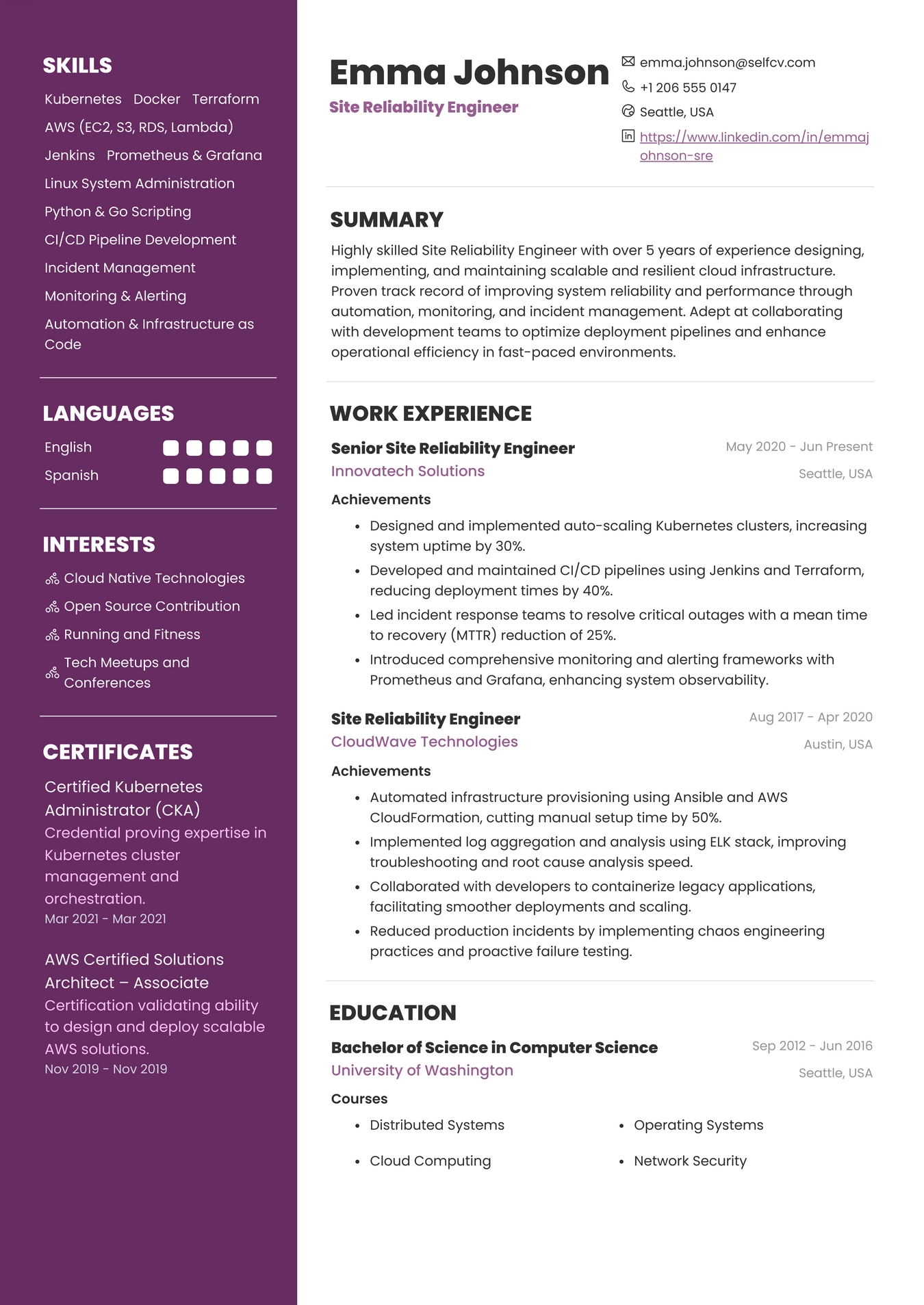
Resume Example for Site Reliability Engineer
Experience bullet framework for SRE achievements
Turn tasks into impact statements with this mini-framework:
- Context: what system, scale, or constraint
- Action: what you built or changed
- Measurement: exact metric change and time window
Example pattern:
- Reduced API error rate for the payments service by 45% in 8 weeks by implementing retries, circuit breakers, and targeted alert thresholds.
Tips for on-call and incident bullets:
- Quantify MTTR improvements and how they were achieved
- Include frequency and severity if relevant (e.g., reduced Sev1 frequency from X to Y)
- Mention ownership (pager rota, runbook author, postmortem lead)
Use verbs recruiters expect:
- Implemented, automated, instrumented, tuned, reduced, led, owned, scaled, migrated
Weak-to-strong achievement rewrites (profession-specific)
Example 1:
Weak:
- Fixed production alerts.
Strong:
- Reduced false-positive alerts by 72% and improved signal-to-noise for on-call teams by consolidating alert rules in Prometheus and adding service-level contextual labels.
Why it works:
- Gives scale, tool, and measurable result affecting on-call efficiency.
Example 2:
Weak:
- Wrote runbooks for incidents.
Strong:
- Authored 12 incident runbooks that cut average escalations by 40% and shortened MTTR from 90 minutes to 55 minutes for database-related incidents.
Why it works:
- Specifies count, outcome, and metric tied to response time.
Example 3:
Weak:
- Automated deployments.
Strong:
- Automated 120 weekly deployments with a CI pipeline and automated canaries, lowering production rollback rate by 30% and saving 10 engineering hours per week.
Why it works:
- Shows scale, method, and measurable time and quality improvements.
Annotated incident-to-bullet walkthrough
Scenario: High CPU and tail latency after a feature launch on a Kubernetes-backed service.
Incident timeline and how to translate each step into resume bullets:
- Detection (what alerted)
- Immediate mitigation (rolled back, scaled, patched config)
- Root cause (hot loop in request handler, insufficient HPA config)
- Remediation (code fix, HPA tuning, circuit breaker)
- Postmortem and preventive automation
Resume bullet examples from the same incident:
- Detected a 300% CPU spike via Grafana alerting and initiated a rollback to prevent cascading failures.
- Reduced MTTR from 120 to 35 minutes by adding targeted health checks and automated rollback in the CI pipeline.
- Implemented HPA policy changes and an adaptive rate limiter that stabilized p95 latency by 60% under peak load.
- Led the postmortem and delivered three automated tests and one runbook that prevented recurrence for the next two releases.
Complete resume example
The candidate, companies, and career history shown are fictional examples created for illustration and any resemblance to a real person or organization is coincidental.
Ariela Cohen
Target Position
Site Reliability Engineer
Location
Seattle, WA (Open to remote)
Professional Summary
- SRE with 4 years of production experience in SaaS and fintech environments.
- Led on-call rotations and incident response for multi-region Kubernetes clusters, reducing Sev1 incidents by 48% year over year.
- Skilled in Prometheus, Grafana, Kubernetes, Terraform, Go, and CI/CD automation that reduced deployment toil.
Grouped Skills
- Observability: Prometheus, Grafana, Loki, Jaeger
- Platforms: Kubernetes (EKS), AWS (EC2, S3, RDS), GCP basics
- IaC and Automation: Terraform, Helm, Ansible, GitHub Actions
- Languages and tooling: Go, Python, Bash, kubectl, Helm
- Reliability practices: SLOs, error budgets, postmortems, runbooks
Professional Experience
Platform SRE, Nimbus Payments
2023-2026
- Owned on-call for payments checkout service across three regions, handling 1.5M daily transactions.
- Reduced MTTR for Sev1 payment failures from 95 minutes to 30 minutes by implementing targeted alerts, automated rollback, and a staging canary pipeline.
- Implemented Prometheus SLO exports and an error budget dashboard in Grafana that enabled engineering teams to prioritize reliability work and recovered a 12% error budget deficit within two weeks.
- Automated snapshot and recovery playbooks for RDS instances, cutting recovery time from 50 to 12 minutes.
- Authored 15 runbooks and led quarterly incident drills to reduce human error during escalations.
Site Reliability Engineer, CloudScale SaaS
2021-2023
- Migrated core workloads into Kubernetes and deployed Terraform modules to standardize infra provisioning across environments.
- Automated 95% of routine maintenance tasks with scripts and GitHub Actions, saving teams ~15 hours/week.
- Tuned alerts and redesigned dashboards to reduce alert noise by 68%.
- Collaborated with Dev teams to implement circuit breakers and client-side retries that lowered 5xx rates by 33%.
Education / Training
- B.S. Computer Science, University of Washington, 2021
- On-call coaching program, internal company bootcamp, 2022
Certifications
- Certified Kubernetes Application Developer (CKAD)
- HashiCorp Certified: Terraform Associate
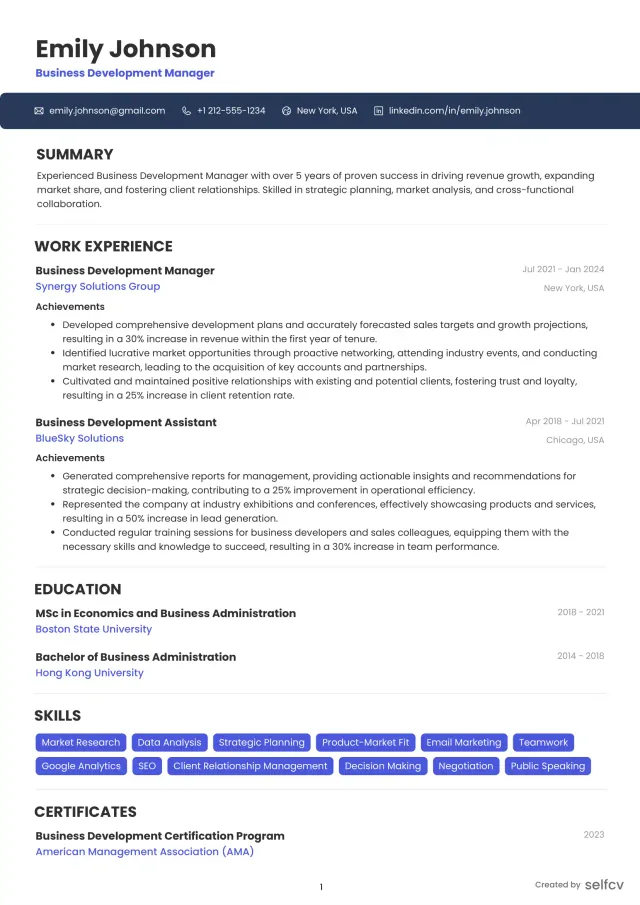
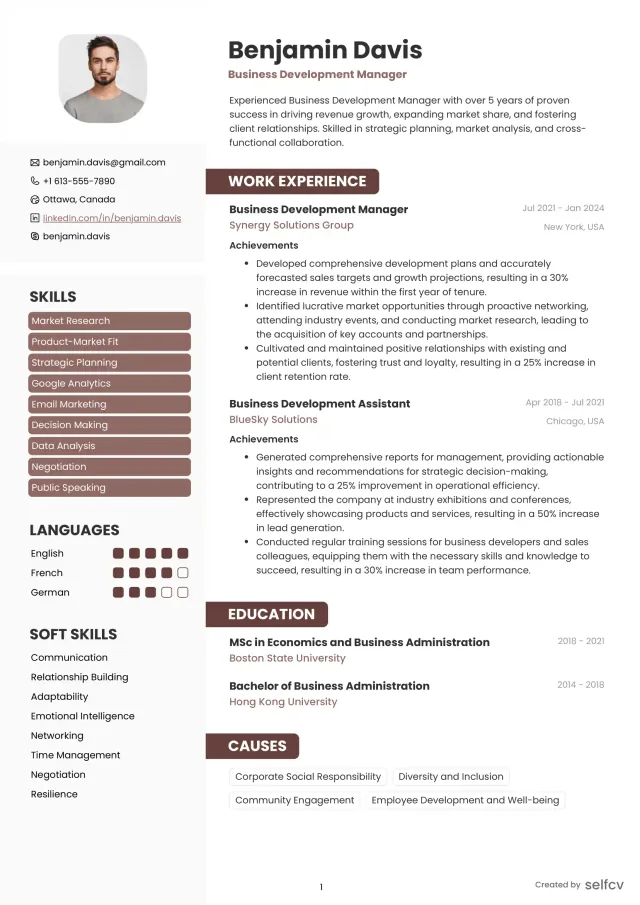
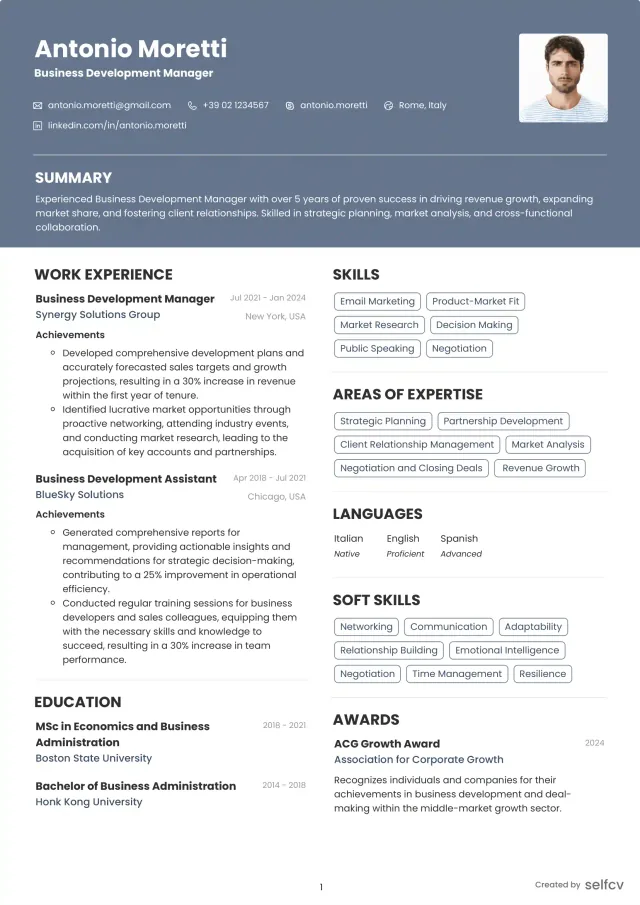
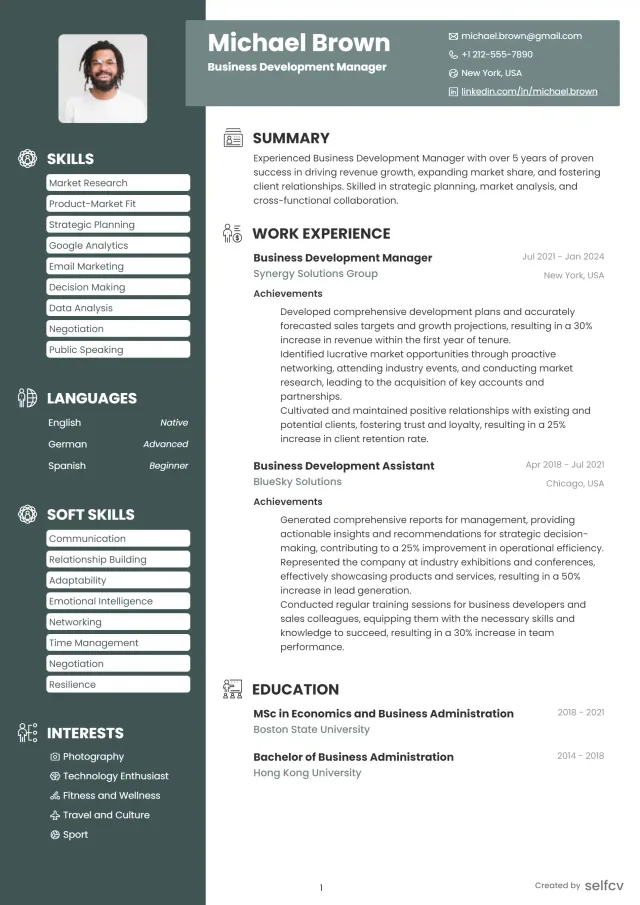
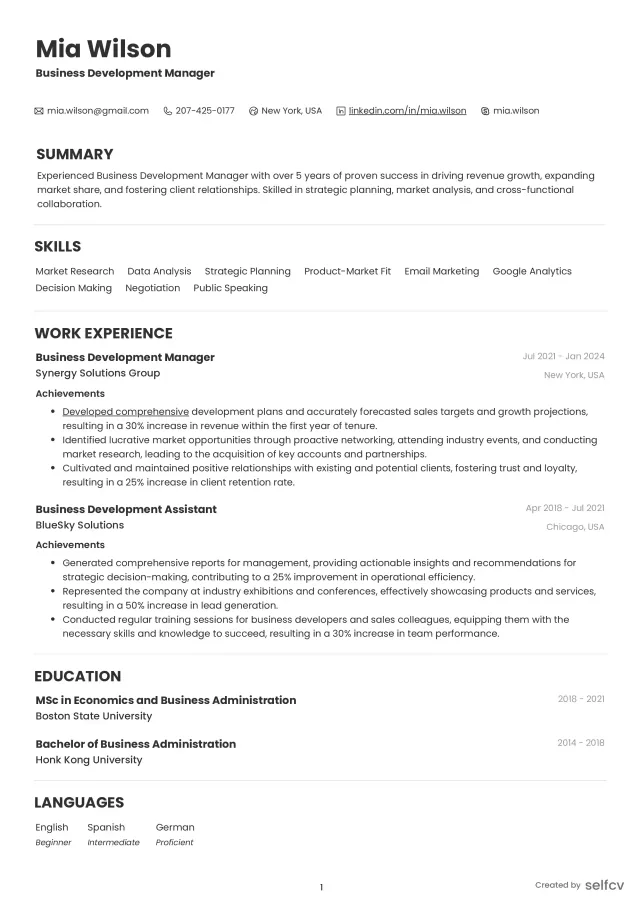
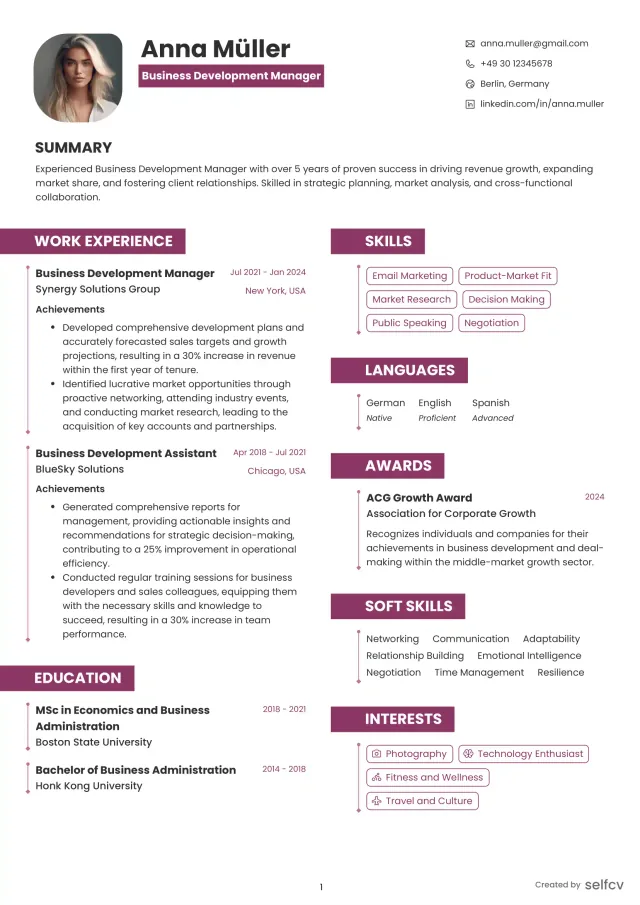
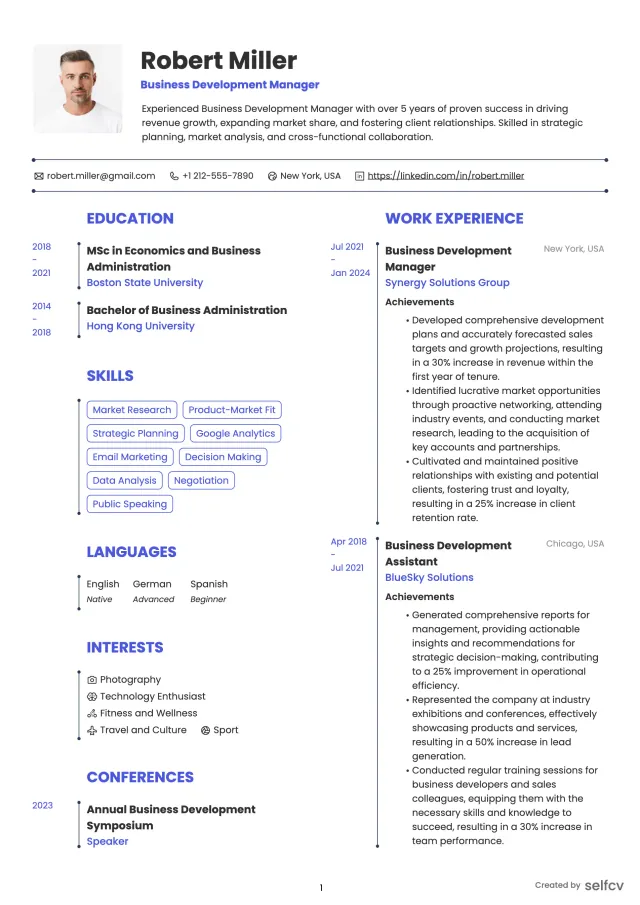
Find the template that’s right for you
No need to build anything from scratch. Using our templates or upload feature, you’ll get started easily and have a powerful resume in a few clicks.
ATS keywords, resume SEO, and how to place them
SRE ATS focuses on both tools and responsibility keywords. Use them in skills and natural language in experience bullets.
High-value keywords to include where relevant:
- site reliability engineer resume
- SRE, site reliability, reliability engineering
- SLO, error budget, MTTR, MTBF, uptime
- Prometheus, Grafana, EKS, GKE, AKS, Kubernetes
- Terraform, Helm, CI/CD, GitHub Actions, Jenkins
- observability, tracing, Jaeger, Loki
- incident response, postmortem, runbook, on-call
- automation, orchestration, autoscaling
Placement tips:
- Put tools and SRE practices in a grouped skills section for ATS pickup.
- Mirror wording from job descriptions for role-specific keywords (but only include items you can discuss).
Tools and technical skills cheat sheet for SRE resumes
Group tools into functional buckets so recruiters see breadth and depth.
Observability
- Prometheus
- Grafana
- Loki
- Jaeger
Orchestration and cloud
- Kubernetes (EKS, GKE, AKS)
- Docker
- AWS, GCP, Azure basics
Infrastructure as Code and config
- Terraform
- Helm
- Ansible
CI/CD and automation
- GitHub Actions
- Jenkins
- Spinnaker
Languages and scripting
- Go
- Python
- Bash
Reliability practices
- SLOs and error budgets
- Runbooks and postmortems
- On-call rota management
Check Your Resume with ATS
Make sure your resume passes Applicant Tracking Systems before recruiters see it.
- 📄 Upload your resume and get instant ATS feedback
- 🎯 Improve keyword matching for your target job
- ⚡ Boost your chances of getting shortlisted
How to quantify reliability metrics on your resume
Concrete metrics make reliability work visible. Use specific numbers, time windows, and baselines.
Common metrics to include:
- MTTR (mean time to recover) with before and after
- MTBF (mean time between failures)
- Error budget usage and recovery (percent and time to recover)
- Uptime (SLA/SLO achievement, e.g., 99.95% over 12 months)
- Deployment frequency and rollback rates
- Alert reduction percentages and mean time between alerts
- Cost savings from autoscaling or workload rightsizing
Example formatting:
- Reduced MTTR from 90 minutes to 28 minutes for database incidents, saving ~62 hours of downtime per quarter.
- Recovered a 14% error budget deficit in 10 days by implementing rate-limiting and targeted circuit breakers.
Portfolio items and artifacts that impress for SRE roles
Hiring teams like to see proof you can operate in production. Public artifacts help but keep sensitive data out.
High-value portfolio items:
- Public runbooks and incident postmortems (sanitized)
- GitHub repos with IaC examples (Terraform modules, Helm charts)
- CI pipeline snippets showing automated canaries or rollback logic
- Grafana dashboards or Prometheus query examples (screenshots acceptable)
- Short walkthrough videos or READMEs describing an incident and your remediation
How to present them on a resume:
- Put a portfolio URL on the header line
- Reference artifacts in bullets: 'Authored runbook (link) that reduced escalations by 40%'
- Use short descriptions in a Projects section for junior candidates
Career-level summary/objective examples
Entry-level / Junior SRE (0-2 years)
- Recent computer science graduate with hands-on internship experience running Kubernetes dev clusters, instrumenting services with Prometheus, and writing basic Terraform modules. Seeking a junior SRE role to apply on-call learning and automation skills.
Mid-level SRE (2-5 years)
- SRE with 3 years running production services in SaaS environments. Owned on-call for core services, cut MTTR by 45% through automation and improved observability, and drove Terraform adoption to standardize infra.
Senior SRE / Staff SRE (5+ years)
- Senior SRE with 8 years of platform and reliability engineering experience. Led reliability initiatives across multiple teams, defined SLO policy and error budget governance, and delivered platform automation that scaled to 5x traffic while reducing toil.
Career changer (software engineer to SRE)
- Software engineer with 4 years building backend services and a strong focus on reliability. Implemented CI/CD, wrote Prometheus exporters, and led incident response rotations. Seeking to transition into SRE to focus on production resilience and automation.
Industry tailoring and sample angles
Fintech
- Emphasize compliance, low-latency payments, and audit-friendly runbooks.
- Metrics: transaction success rate, fraud-related failures, payment MTTR.
Cloud-native / Kubernetes roles
- Lead with Kubernetes, Helm, operator work, and cluster autoscaling experience.
- Mention Prometheus operator, custom metrics, and service mesh observability if applicable.
SaaS and enterprise
- Focus on multi-tenant isolation, cost optimization, and customer-facing uptime guarantees.
Gaming or adtech
- Highlight burst traffic handling, p95/p99 latency improvements, and scaledup load tests.
Transitioning from software engineer to SRE on your resume
Core strategy: surface production-facing work and reliability outcomes, even if the title was "software engineer."
Practical steps:
- Reframe features as reliability improvements when appropriate (e.g., 'implemented graceful degradation' rather than 'added X feature')
- Pull observability work into a skills section and experience bullets (exporters, dashboards, alerts)
- Add a Projects section with IaC and runbook artifacts
- Volunteer for on-call or incident drills and include them on your resume
Example bullet rewrite
- From: 'Implemented caching layer for API.'
- To: 'Implemented distributed caching to lower p99 latency by 40% and reduce origin load by 60% under peak traffic.'
FAQ - real searcher questions answered
How do I write a resume for a Site Reliability Engineer role?
- Focus on production ownership, measurable improvements, automation, and observability. Use concise bullets that show context, action, and result.
What SRE achievements should I put on my resume to show impact?
- MTTR reductions, error budget recovery, uptime/SLO attainment, alert noise reduction, automation that removed toil, and cost or performance improvements.
How do I quantify on-call and incident work on a resume?
- Use before/after numbers: MTTR, number of Sev1 incidents per quarter, percent reduction in escalations, and time saved per week from automation.
Which keywords do ATS look for in SRE resumes?
- Include role and tool keywords like SRE, site reliability, SLO, MTTR, Prometheus, Grafana, Kubernetes, Terraform, on-call, postmortem, runbook.
How should a junior SRE format their first production experience?
- Use a Projects section, include internship or classroom deployments, link to public runbooks, and write 2-3 achievement bullets showing measurable outcomes.
What portfolio items do hiring managers expect from SRE candidates?
- Runbooks and postmortems, IaC modules, CI/CD examples, dashboards or Prometheus queries, and small repos showing automation or operators.
Related careers
Roles that share skills with SRE and are useful career crossovers:
- DevOps Engineer
- Platform Engineer
- Production Engineer
- Infrastructure Engineer
- Reliability Engineer
- Systems Engineer
- Site Reliability Engineering Manager
Conclusion, checklist, and next actions
Practical checklist to apply now:
- Update your header with a portfolio link to 1-3 artifacts (runbook, Terraform module, postmortem).
- Pick 3 recent incidents and write 1-2 quantified bullets for each using the context-action-measure pattern.
- Add grouped skills with 12-15 tool and practice keywords that match target job descriptions.
- Prepare 3 stories for interviews: an incident you led, an automation you built, and an SLO you owned.
Downloadable items to create for your job search:
- Bullet bank of on-call and automation phrases (build from the examples above)
- 30- / 60- / 90-day on-call plan template
- Interview prompts for reliability scenarios (postmortem, blameless incident, capacity planning)
Next action:
- Pick one production incident you were involved in and draft two bullets from it today. Use numbers and name the tools you used. Update your resume header to include at least one portfolio artifact.
Unique SRE closing note:
- Translating operational work into concise, measurable achievements is the fastest path from passable resume to interview. Focus on ownership, outcomes, and reproducible artifacts.
Weak-to-strong examples appendix
Example 4:
Weak:
- Improved monitoring.
Strong:
- Rolled out Prometheus exporters and a Grafana dashboard across 18 services, increasing actionable alert coverage by 80% and reducing mean time to detection by 35%.
Why it works:
- Tool names, scope, and measurable result tied to detection time.
Example 5:
Weak:
- Wrote scripts for deployment.
Strong:
- Created idempotent Terraform modules and GitHub Actions workflows that automated blue/green deploys for 25 microservices, reducing failed deployments by 28%.
Why it works:
- Specifies method, scale, and outcome.
Example 6:
Weak:
- Participated in on-call.
Strong:
- Rotated on-call for a team of 10, led 6 cross-team postmortems, and introduced a peer-review process for runbook updates that cut repeated failures by half.
Why it works:
- Shows leadership, repeatable process, and improvement metric.
Why job seekers choose selfcv
Thousands of professionals use selfcv to build modern, ATS-friendly resumes, customize templates, and apply for jobs with confidence.
Thanks to SelfCV, I now have a professional and polished resume that I'm confident in sending to potential employers. I will definitely be recommending your service to other job seekers. Keep up the great work!
SelfCV offers an intuitive interface that makes creating a professional CV straightforward. Whether you're a student, a fresh graduate, or an experienced professional, the step-by-step process ensures that users of all levels can craft an impressive CV.
Easy to use resume builder. They have very intuitive ui for customizing and keeping multiple versions of resume.
The right tool for creating CVs. As a student I was looking for a tool that could help me quickly create a CV for internship applications. This was just the right tool. I am very satisfied!
This is one of the best tools I’ve ever used - I was able to build my CV in seconds with high quality template. Highly recommended!
Amazing app with easy user experience. Loved it. Its intuitive and easy to navigate, designs are very nice.
