
Software Engineer Resume Strategy for 2026: ATS Keywords, System Design, and Project-Driven Bullets
Software Engineer Resume Strategy for 2026: ATS Keywords, System Design, and Project-Driven Bullets
Written by Armen Mkhitaryan
Problem: Resumes that list stacks without outcomes get filtered by ATS or ignored by recruiters. This article gives a focused, practical framework to turn technical work into measurable, recruiter-readable achievements.
Before:
- Implemented caching for API responses
After:
- Designed and deployed Redis caching that reduced API latency by 45% and cut server costs by 18% during peak traffic
What this guide covers:
- Quick ATS scan checklist you can apply in 10 minutes
- Role-level frameworks with copy-ready bullets for entry, mid, senior, and career-changer engineers
- Specialization notes for backend, frontend, full-stack, ML, DevOps, and mobile
- Project case-study templates that show architecture, tradeoffs, and metrics
- Portfolio and GitHub hygiene for recruiters and automated scans
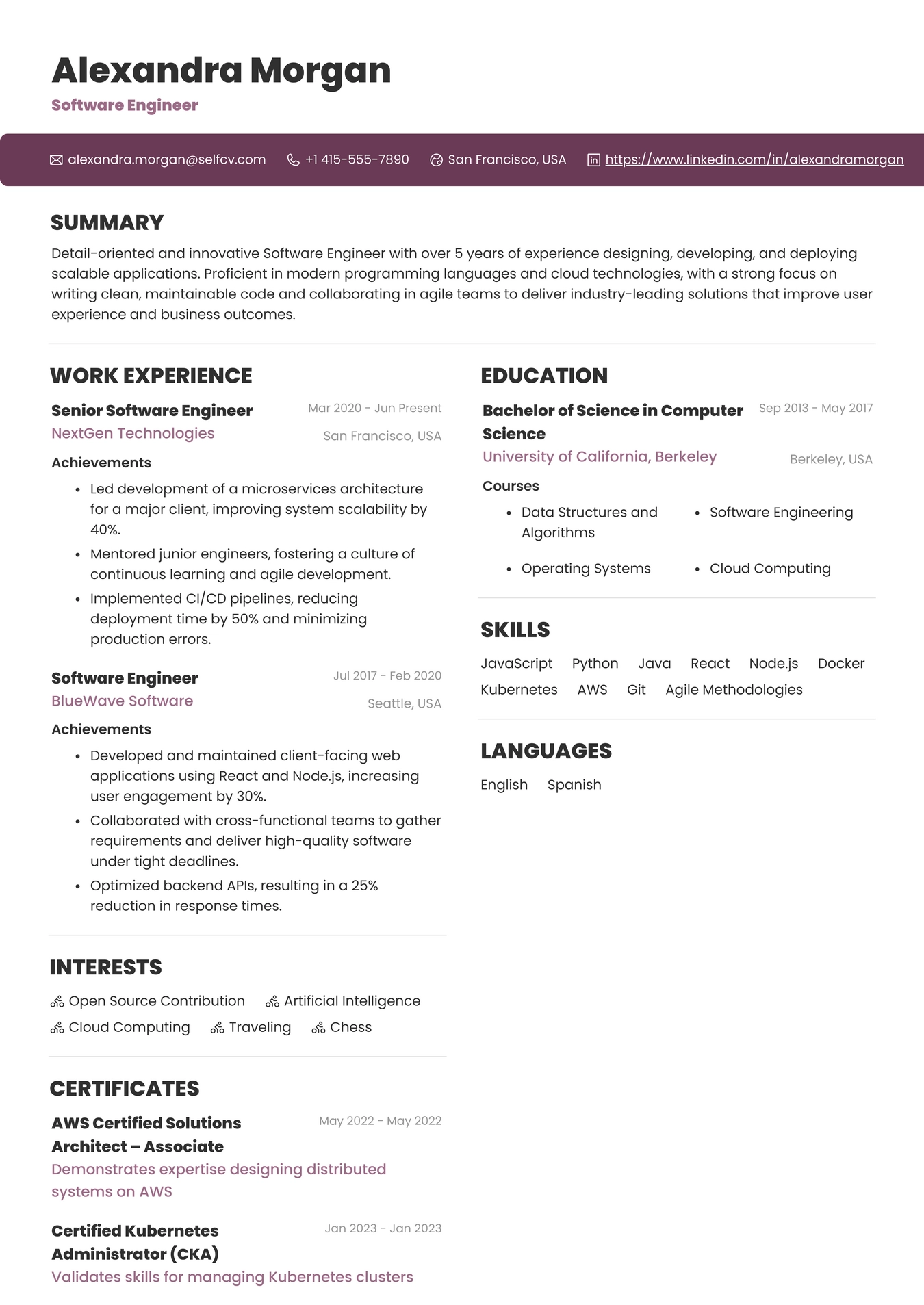
Quick checklist and 10-minute ATS scan
Use this checklist to fix common defects that block parsing and relevancy.
Format and parsing
- Use a simple reverse-chronological header: Role, Company, Location, Dates
- Avoid images and unusual fonts that break ATS
- Use standard section headings: Professional Summary, Experience, Education, Skills
Keywords and relevancy
- Mirror role keywords from the job posting in your summary and first bullets
- Prefer specific nouns: gRPC, Kubernetes, Postgres, SLO, Prometheus
Achievements and metrics
- Each recent role should have at least 1 measurable outcome (latency, uptime, cost, throughput)
- Use absolute numbers where possible: reduced error rate from 2.3% to 0.4%
Fast fixes (10 minutes)
- Add a one-line summary with top stack and ownership scope
- Convert vague verbs to impact verbs: "worked on" to "reduced", "shipped", "owned"
- Map synonyms into a small skill list for ATS: CI/CD, Jenkins, GitHub Actions, GitLab CI
Quick ATS scan steps
- Paste text into a plain-text editor to check layout and stray characters
- Compare 8 to 12 keywords from the job to your resume, add missing exact terms
- Save as PDF and text to verify both parse cleanly
Role-level frameworks with sample bullets
Frame your role around ownership, technical depth, and measurable outcomes. Use these frameworks and sample bullets per level.
Entry-level (0-2 years) - focus on impact and learning
- Framework: scope, problem, technical action, result
- Sample bullets:
- Built REST endpoints for user profiles using Node.js and Express, improving test coverage to 85%
- Wrote integration tests that reduced staging regressions by 60% before release
- Automated packaging with Docker, cutting onboarding time for new interns by 30%
Mid-level (2-6 years) - ownership across features and services
- Framework: ownership statement, tradeoff, technical choices, metrics
- Sample bullets:
- Led migration of authentication service to OAuth 2.0, reducing account recovery time by 40%
- Re-architected payment connector to support retries and idempotency, lowering failed transactions by 22%
- Added observability with OpenTelemetry and dashboards that reduced mean time to detect by 55%
Senior/Principal (6+ years) - system design and cross-team impact
- Framework: system scope, constraints, design decision, measurable company-level impact
- Sample bullets:
- Designed multi-region microservice architecture with active-active failover, improving RPO from 6 hours to 15 minutes
- Introduced canary deployments with automated rollback, increasing deployment frequency from weekly to daily
- Negotiated vendor contract changes and cut cloud spend by 28% through reserved instances and autoscaling
IC-to-manager transition (career-change) - highlight leadership signals
- Framework: technical leadership, people impact, process outcomes
- Sample bullets:
- Mentored 6 engineers and introduced a peer-review rubric that reduced PR turnaround time by 35%
- Owned quarterly roadmap planning for a 12-person product area and aligned technical debt reduction with feature delivery
Resume Example for Software Engineer
Entry-level mini-resume
Junior Software Engineer Resume (compact example)
Name: Maya Patel
Location: Remote, EST
Target: Junior Backend Engineer
Professional Summary
- Recent CS graduate with internship experience building microservices in Go and Python. Focused on reliability, unit testing, and shipping production-ready code.
Key Skills
- Languages: Go, Python, SQL
- Infrastructure: Docker, GitHub Actions
- Testing: pytest, unit/integration tests
Experience
- Software Engineering Intern, FinTech startup, Summer 2025
- Implemented rate-limiting middleware in Go, preventing abuse and lowering error spikes by 30%
- Added integration tests and CI checks to catch regressions before staging
Education
- B.S. Computer Science, State University, 2025
Certifications
- Coursera: Distributed Systems Concepts
Notes
- Use this compact block in one-column resume when space is limited
Senior/principal mini-resume
Senior Software Engineer Resume (compact example)
Name: Lucas Romero
Location: San Francisco, CA
Target: Senior Backend Engineer / Technical Lead
Professional Summary
- 8+ years designing highly available Java and Kotlin services for ad tech and SaaS. Strong system-design experience with cost and latency optimization.
Key Skills
- Languages/Frameworks: Java, Kotlin, Spring Boot
- Cloud and infra: AWS (EKS, RDS), Terraform, Kubernetes
- Observability: Prometheus, Grafana, distributed tracing
Experience
- Senior Backend Engineer, AdTech Platform, 2020-2025
- Led split-traffic rollout of new bidding engine, increasing throughput capacity by 3x and reducing median latency by 25%
- Designed data retention policies and archival pipelines that reduced storage costs by 40%
Education
- M.S. Computer Science, 2016
Certifications
- AWS Certified Solutions Architect
Specialization deep dives: backend, frontend, full-stack, ML, DevOps, mobile
Backend engineer resume signals
- ATS keywords: REST, RPC, gRPC, Postgres, Redis, sharding, CQRS, event sourcing
- Deliverables: APIs, database schemas, message contracts, migration plans
- Metrics to quantify: latency, throughput, error budget, cost per request
Frontend engineer resume signals
- ATS keywords: React, TypeScript, Webpack, Lighthouse, SSR, hydration, Core Web Vitals
- Deliverables: component libraries, bundle-size reductions, accessibility fixes
- Metrics to quantify: LCP, TTI, CLS, conversions
Full-stack engineer resume signals
- Show end-to-end ownership: API design, UI delivery, CI/CD
- Highlight tradeoffs and delivery cadence
- Metrics: feature lead time, end-user error rate, conversion lift
Machine learning engineer resume signals
- ATS keywords: model deployment, data pipeline, inference latency, A/B test, model drift monitoring
- Deliverables: training pipelines, baseline models, model cards, reproducible notebooks
- Metrics: precision/recall lift, inference cost per prediction, model latency
- Compliance: anonymization, PII handling, data retention policies
DevOps/SRE resume signals
- ATS keywords: IaC, Terraform, Kubernetes, SRE, SLO, incident response
- Deliverables: runbooks, autoscaling policies, CI pipelines, disaster recovery plans
- Metrics: MTTR, deployment frequency, change failure rate
Mobile engineer resume signals
- ATS keywords: Android, iOS, Kotlin, Swift, memory leaks, A/B testing, app store metrics
- Deliverables: crash reductions, startup time improvements, feature flagging
- Metrics: crash-free users, session length, retention uplift
How to pick keywords
- Extract 10-15 exact strings from the target job and weave them into summary, skills, and first 2 bullets of relevant roles
Project case-study templates (copy-paste sections for your resume)
Use a short case-study block for 1-3 portfolio projects or open-source work. Keep each block 3-5 lines.
Template A - Production feature
- Problem: one-sentence customer or system pain
- Approach: tech choices and scope (services, data, infra)
- Outcome: measurable result with timeframe
Example
- Problem: Checkout latency caused abandoned carts during peak sales
- Approach: Rewrote synchronous fraud check as async pipeline using Kafka and a Redis cache for token lookups; added metrics and alerting
- Outcome: Reduced checkout median latency from 2.3s to 0.9s and decreased cart abandonment by 9% within two releases
Template B - Architecture story
- Problem: scaling bottleneck at database tier
- Approach: Introduced read replicas, query caching, and partitioning strategy; documented tradeoffs
- Outcome: Increased read throughput 4x and reduced peak CPU by 60%
Template C - ML deployment
- Problem: slow inference at scale
- Approach: Quantized model and batched inference via GPU instances with autoscaling
- Outcome: Inference cost per request reduced 70% while maintaining target accuracy
What to include in portfolio links
- Short README explaining constraints and tradeoffs
- Architecture diagram or sequence diagram
- CI badge and tests shown in repo
- Small demo or recorded walkthrough
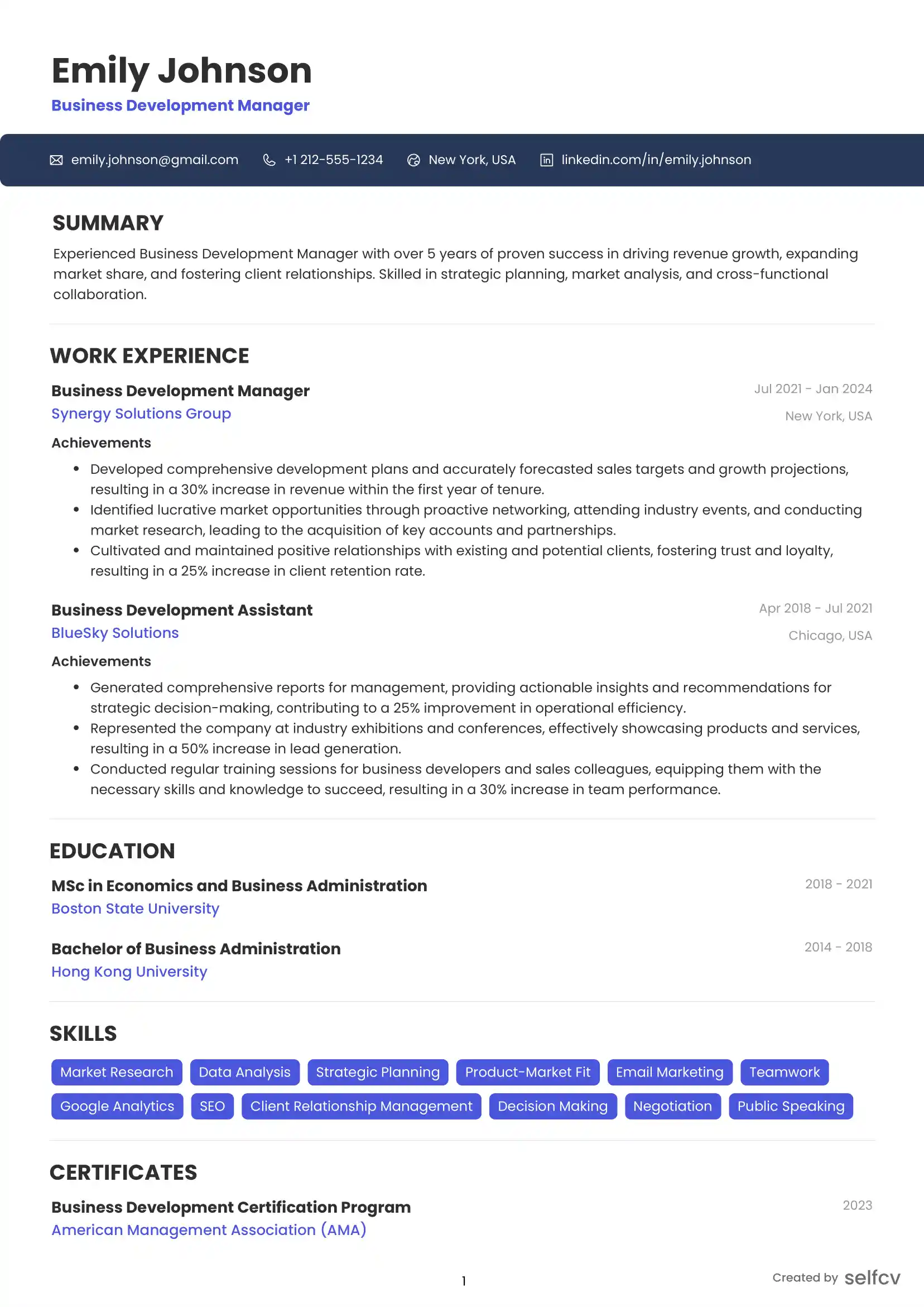
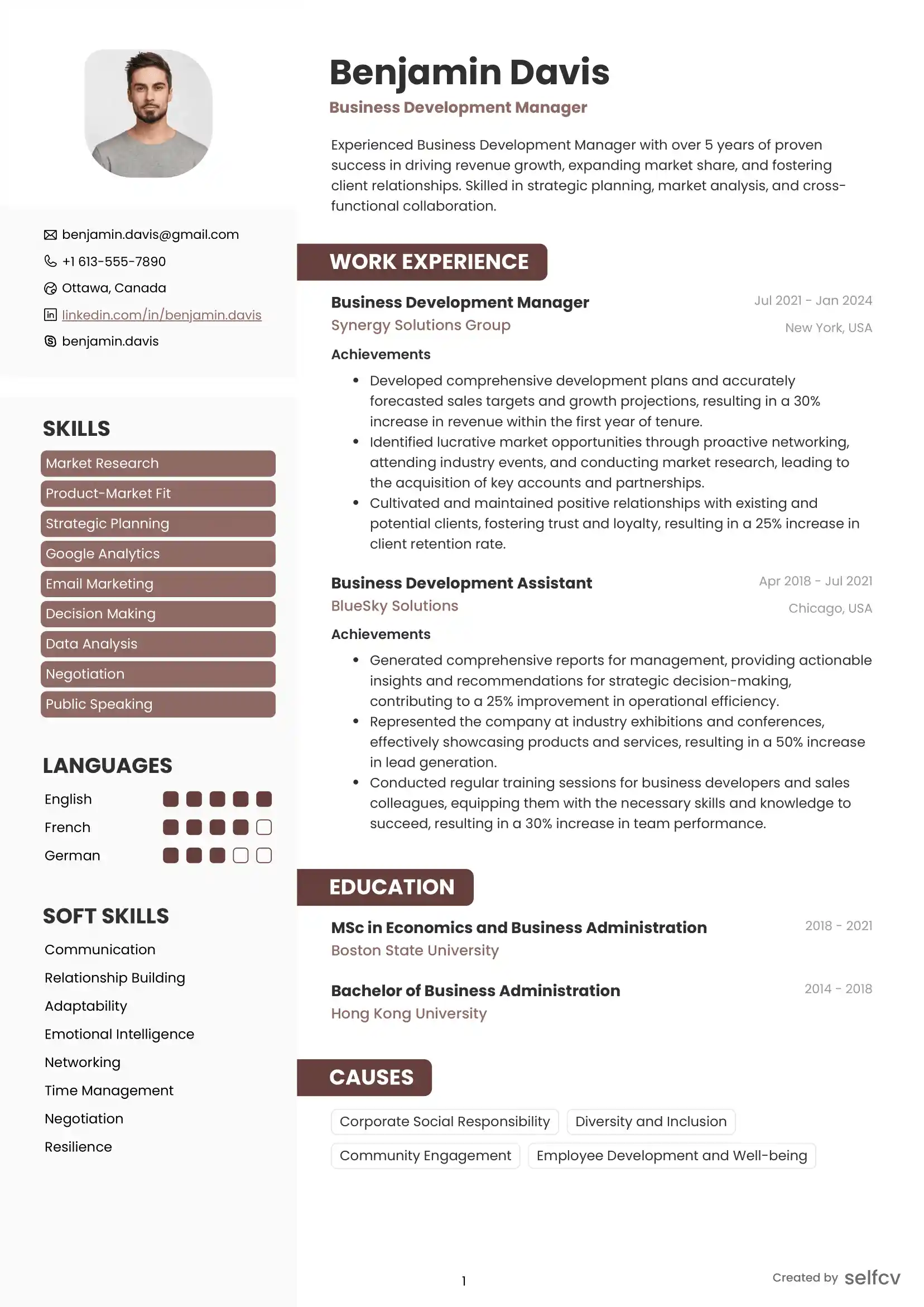
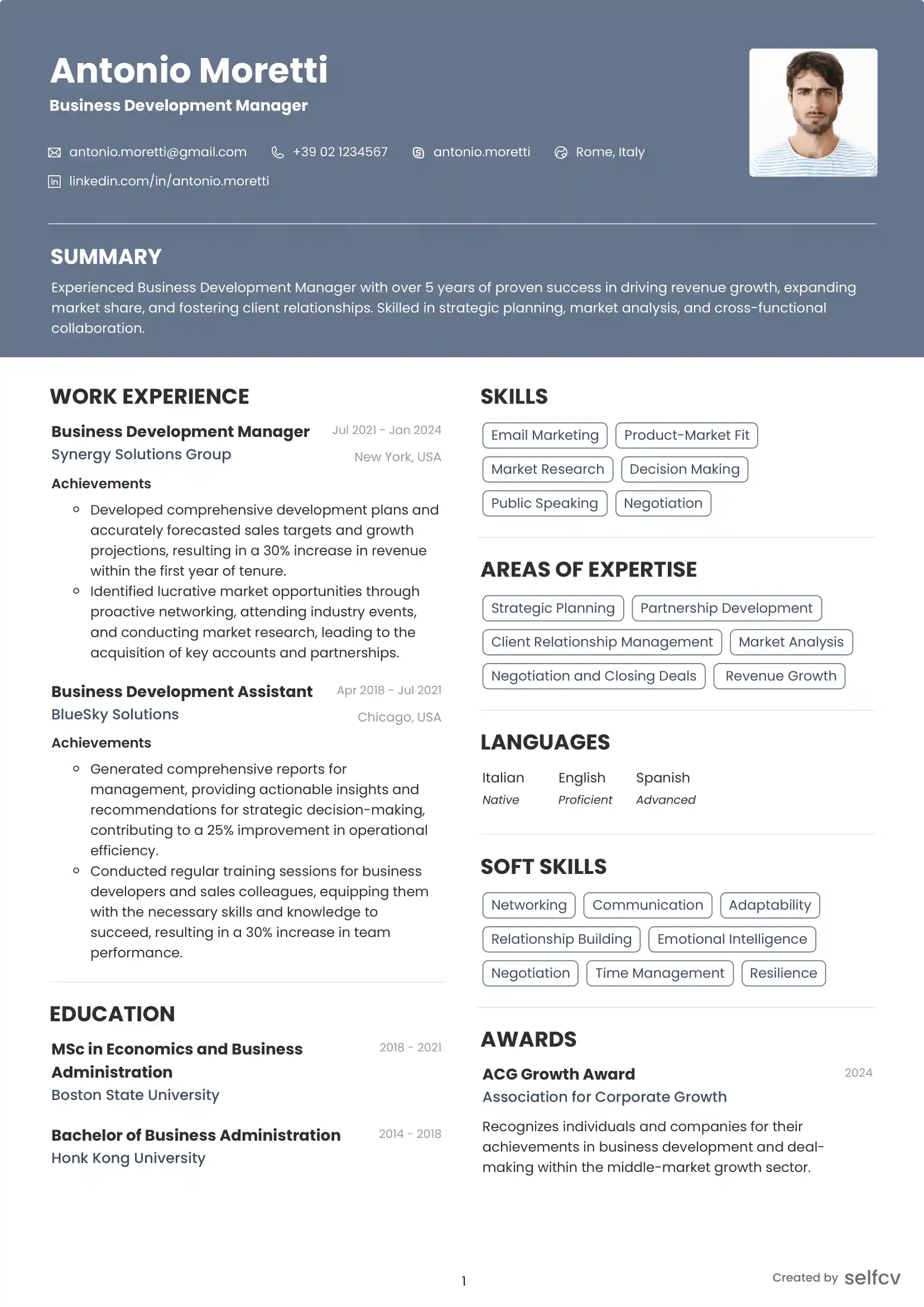
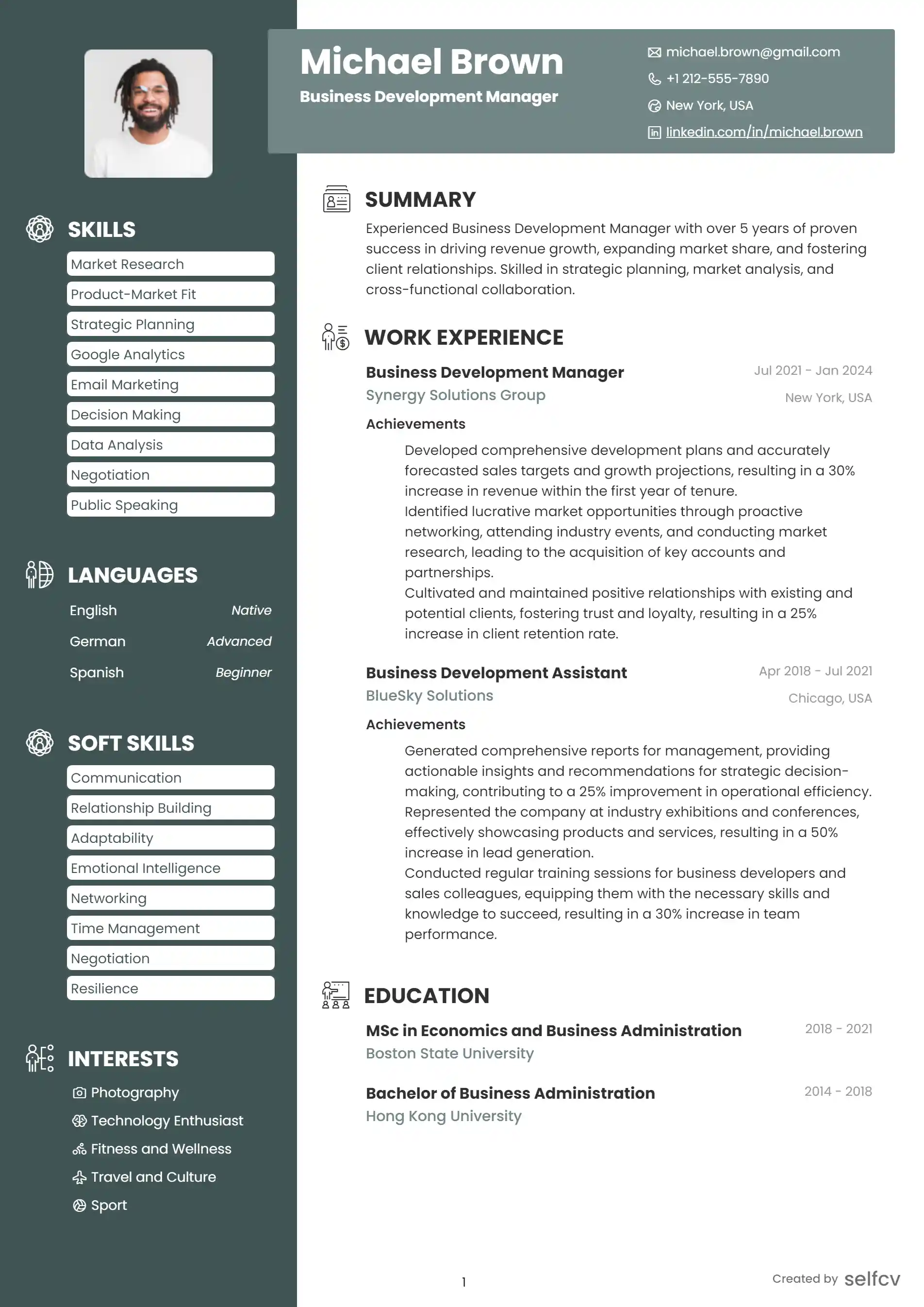
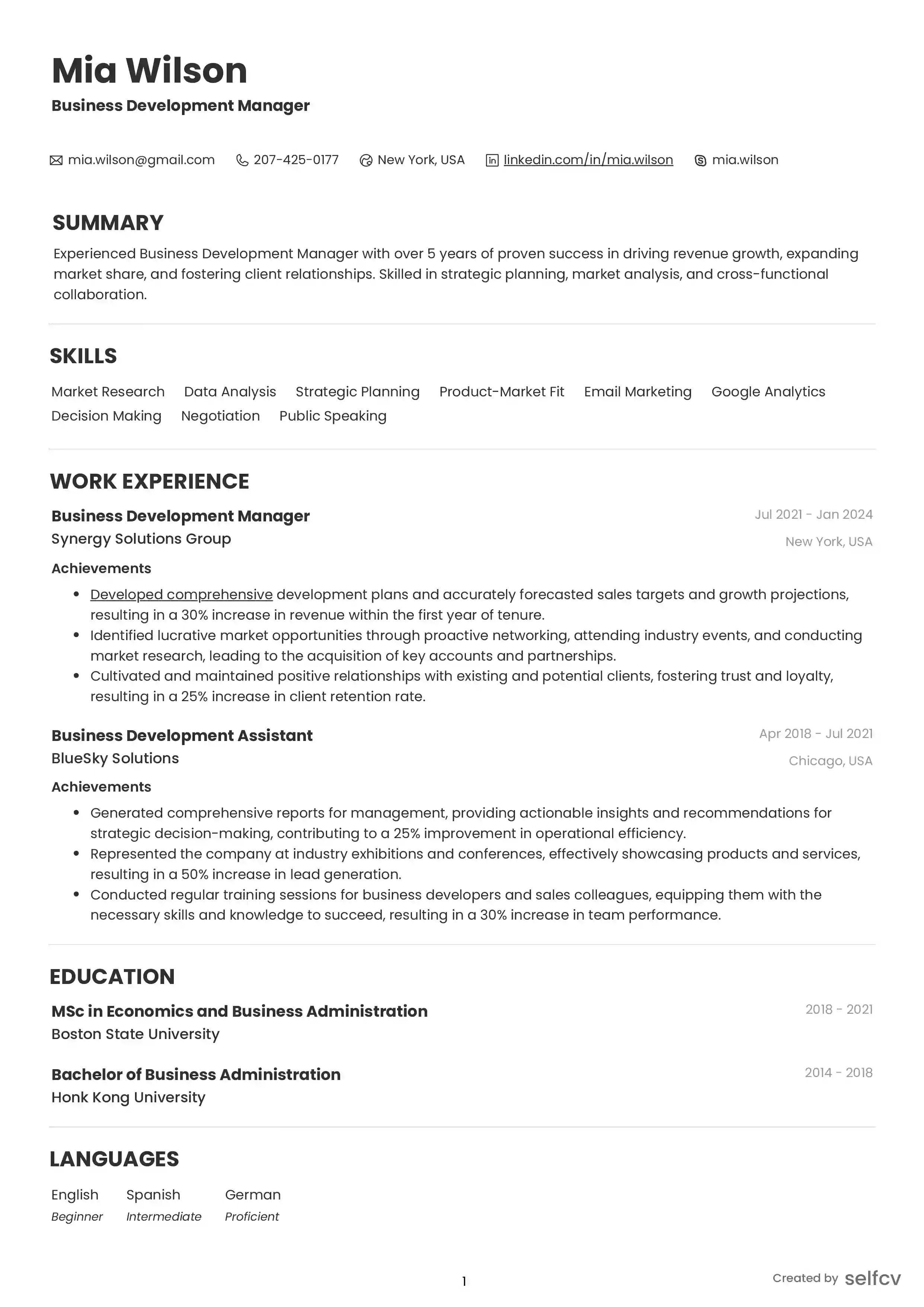
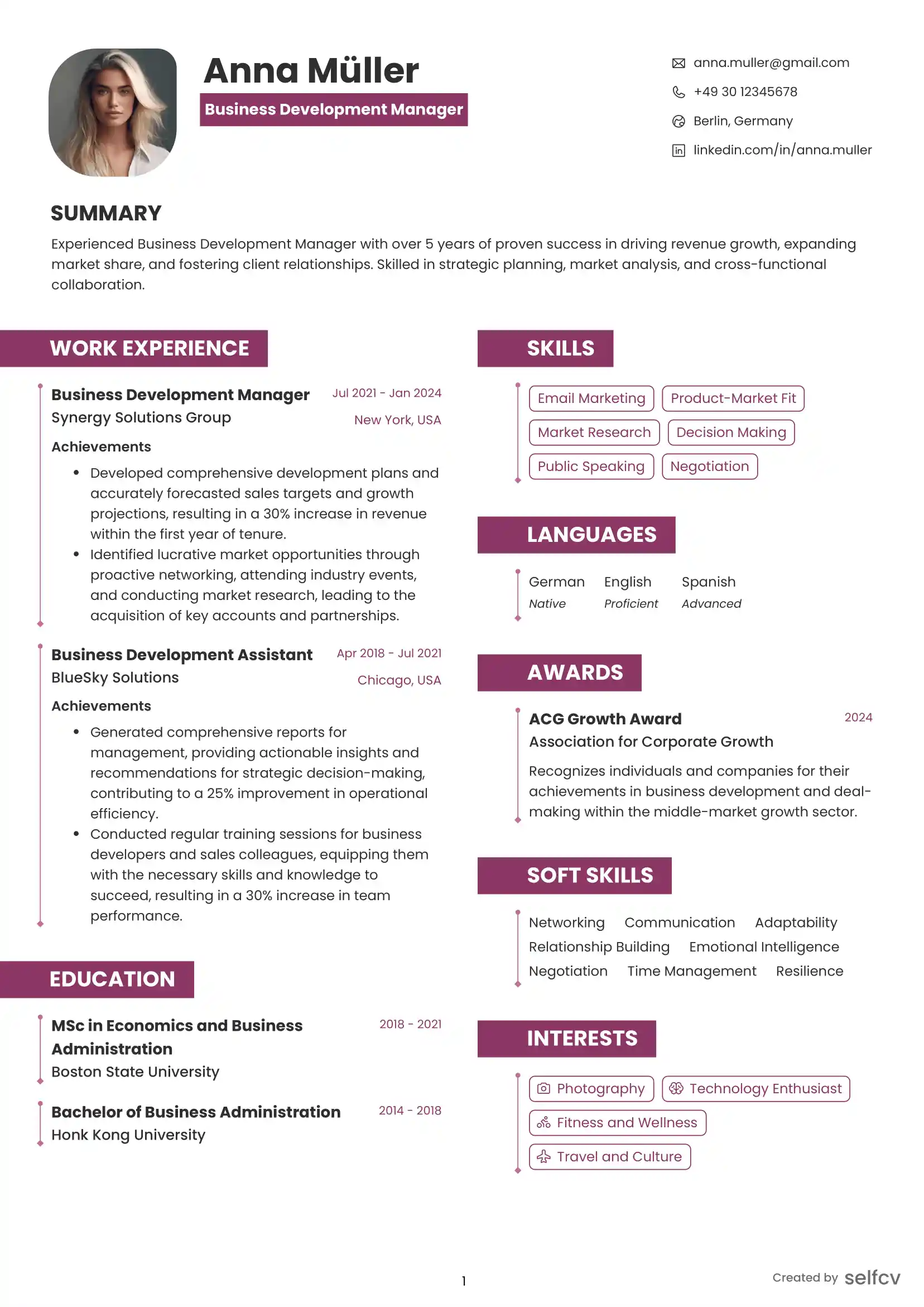
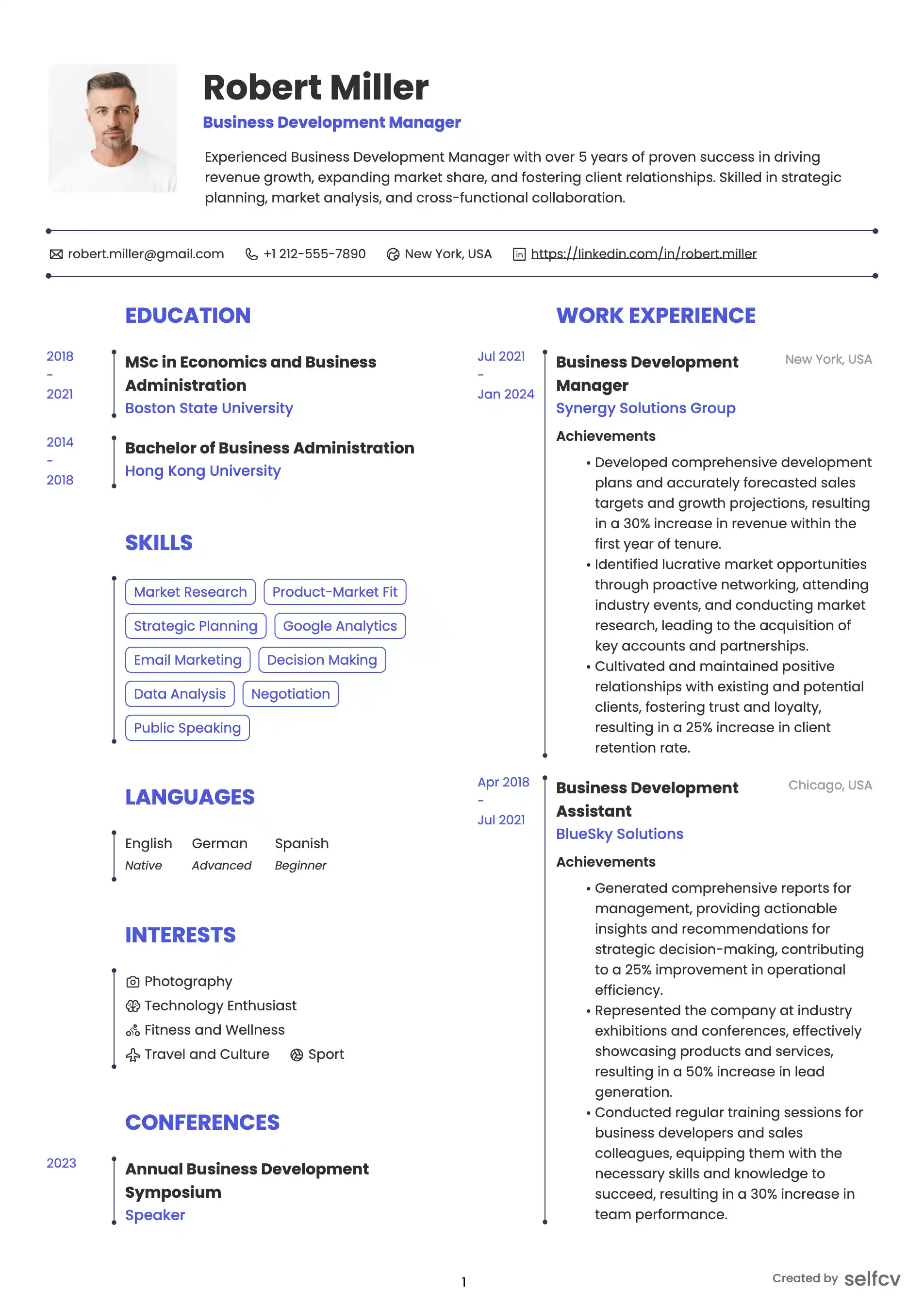
Find the template that’s right for you
No need to build anything from scratch. Using our templates or upload feature, you’ll get started easily and have a powerful resume in a few clicks.
Industry-specific resume notes: fintech, healthcare, games, SaaS
Fintech
- Emphasize security, compliance, and transaction reliability
- ATS keywords: PCI, ACH, KYC, cryptography, idempotency
- Metrics: failed transaction rate, fraud reduction, reconciliation time
Healthcare
- Emphasize privacy, compliance, and data lineage
- ATS keywords: HIPAA, PHI, HL7, FHIR, data anonymization
- Provide non-sensitive summaries of model or integration work when needed
Games
- Emphasize performance, latency, and multiplayer scale
- ATS keywords: real-time, latency, tick rate, matchmaking, physics engine
- Metrics: server tick rate, latency percentiles, concurrent users supported
SaaS
- Emphasize reliability, onboarding flows, and monetization impact
- ATS keywords: subscription, renewal, churn, telemetry, feature flagging
- Metrics: activation rate, MRR impact, feature adoption
Hiring signals across industries
- Hiring managers often look for evidence of production ownership, compliance awareness, and measurable improvements that relate to business KPIs
Portfolio and GitHub hygiene
Make your code and projects recruiter-friendly.
Repository hygiene
- Add clear README that states purpose, tech stack, and how to run tests
- Include architecture diagram or short demo GIF for visual context
- Keep a focused scope per repo; avoid a single monolith of unrelated experiments
CI and badges
- Show passing tests and code coverage badges for important repos
- Include basic lint and type-check steps in CI to demonstrate quality standards
Linking on resume
- Use short URLs and label them: GitHub: username, Demo: project name, Portfolio: domain
- Avoid linking private or proprietary code; provide sanitized examples or anonymized snippets instead
Code to highlight in interviews
- Small, well-tested modules that show design and tradeoffs
- End-to-end projects that demonstrate deployment pipeline and monitoring
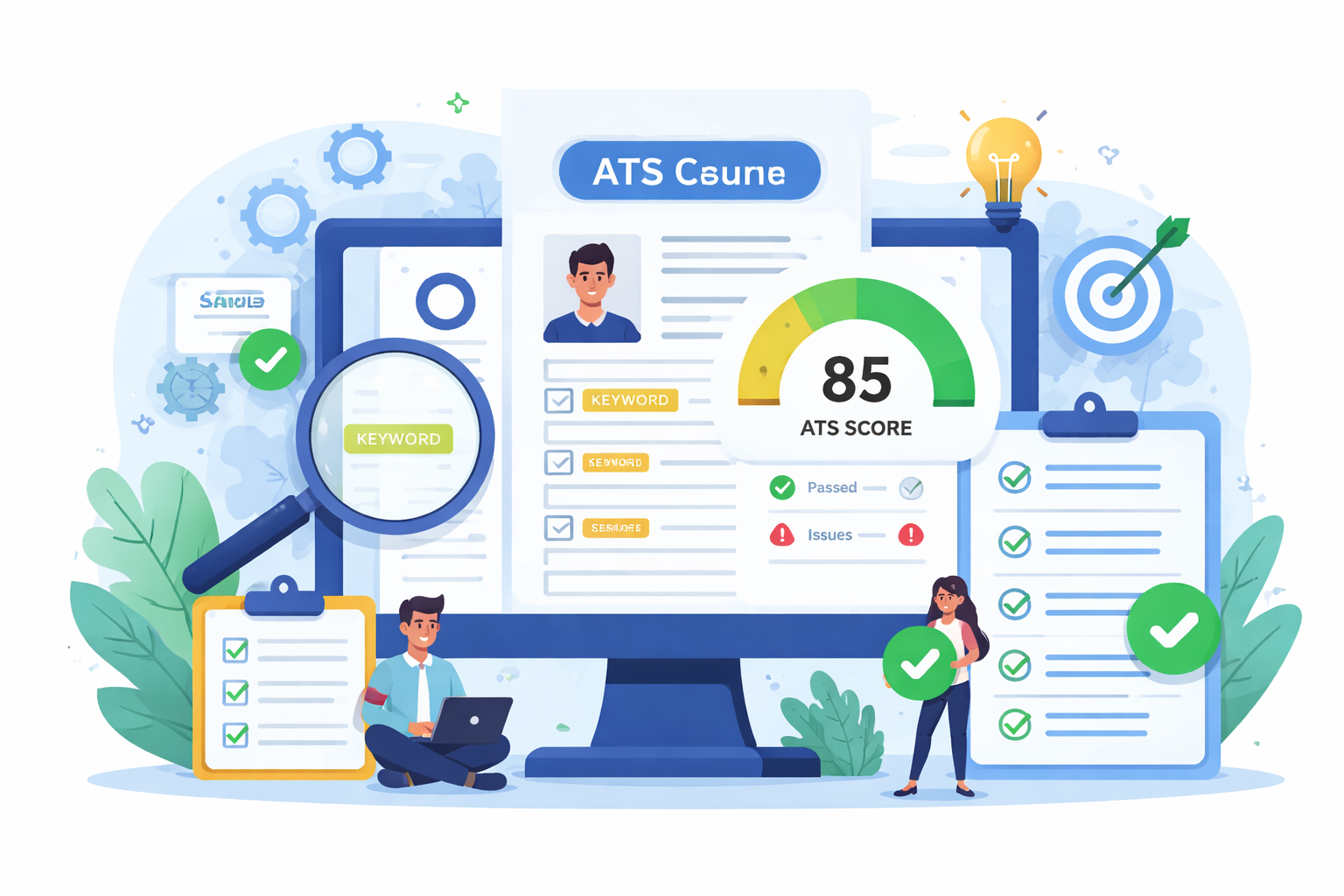
Check Your Resume with ATS
Make sure your resume passes Applicant Tracking Systems before recruiters see it.
- 📄 Upload your resume and get instant ATS feedback
- 🎯 Improve keyword matching for your target job
- ⚡ Boost your chances of getting shortlisted
Complete resume example
The candidate, companies, and career history in this example are fictional and for illustration only.
Candidate Name: Priya Sharma
Target Position: Senior Backend Engineer
Location: London, UK (Open to Remote)
Professional Summary
- Senior backend engineer with 7 years of experience building high-throughput payment and notification systems. Expert in Java and Kotlin, distributed systems, observability, and reducing operational costs.
Grouped Skills
- Languages: Java, Kotlin, Python
- Databases and storage: Postgres, Cassandra, Redis
- Cloud and infra: AWS (EKS, SQS, RDS), Terraform, Kubernetes
- Observability and testing: Prometheus, Grafana, Jaeger, JUnit
- Practices: CI/CD, canary deployments, feature flags, SLO/SLA
Professional Experience:
Senior Backend Engineer, PayStream Ltd, London, 2021-2026
- Led redesign of the transaction processing pipeline to move from single-region to active-active architecture across two regions
- Implemented idempotent processing with a Redis-backed id-store, reducing duplicate payouts by 94%
- Introduced Prometheus-based SLOs and alerting that cut incident detection time from 25 minutes to under 7 minutes
- Designed a migration plan for sharding user accounts, enabling a scale increase from 200 TPS to 1,200 TPS
Backend Engineer, NotifyNow, London, 2018-2021
- Built a notification service supporting email and SMS channels, with retry and backoff logic that improved deliverability by 18%
- Automated load testing and capacity planning; validated 5x traffic growth scenario with no production outages
- Reduced monthly infra costs by 22% through instance right-sizing and spot instance utilization
Software Engineer, CloudStart, 2016-2018
- Implemented REST APIs and database models, increased test coverage to 80% and reduced production bugs by 35%
Education / Training
- B.Tech Computer Science, 2016
Certifications
- AWS Certified Developer
- Kubernetes Application Developer (CKAD)
Achievement examples: weak-to-strong rewriting
Example 1:
Weak:
- Improved API performance
Strong:
- Optimized SQL queries and added Redis caching, reducing 95th percentile API latency from 840ms to 230ms and lowering DB CPU by 48%
Why it works:
- Shows specific technical actions, measurable impact, and system-level consequence
Example 2:
Weak:
- Worked on deployment pipeline
Strong:
- Rebuilt CI/CD with GitHub Actions and parallel test runners, cutting deployment time from 40 minutes to 9 minutes and doubling deployment frequency
Why it works:
- Names tools, quantifies time saved, and links to delivery cadence
Example 3:
Weak:
- Helped migrate databases
Strong:
- Led guided migration from monolithic DB to shard-based Postgres clusters with phased cutovers, preserving data integrity and reducing read latency by 60%
Why it works:
- Describes the strategy, technical approach, and measurable outcome
Resume summary and objective examples by career level
Entry-level objective
- Recent CS graduate with internship experience building Go microservices and Dockerized deployments. Seeking a junior backend role to apply testing-first development and grow ownership of production services.
Mid-level summary
- Backend engineer with 4 years building high-throughput APIs and event-driven systems. Experienced in Postgres optimization, Kafka, and reducing latencies through targeted profiling and caching.
Senior-level summary
- Senior software engineer with 8+ years designing resilient distributed systems. Strong background in system design, cost optimization, and mentoring teams to adopt SRE practices.
Career-changer objective
- Transitioning from QA automation to backend engineering after 3 years of building test harnesses and CI pipelines. Skilled in Python, test-driven development, and improving release reliability. Seeking roles that value testing culture and automation expertise
ATS keyword map and common tools
How to build a keyword map
- Grab the top 8-12 technical terms from the job posting
- Group into categories: languages, infra, databases, observability, methodologies
- Place 60-80% of those terms naturally into summary, skills, and first two experience bullets
Example keyword groups
- Languages: Java, Python, Go, TypeScript
- Infra: Kubernetes, Docker, Terraform, AWS
- Databases: Postgres, Redis, Cassandra, MongoDB
- Observability: Prometheus, Grafana, Jaeger, OpenTelemetry
- CI/CD and testing: GitHub Actions, Jenkins, pytest, JUnit
Common tool checklist to include where relevant
- Version control: Git
- Containerization: Docker
- Orchestration: Kubernetes
- IaC: Terraform
- Messaging: Kafka, RabbitMQ
- Monitoring: Prometheus, Grafana
Avoid keyword stuffing
- Use terms naturally in context, not in an unstructured tag cloud
Interview follow-up snippets and next-step templates
Short follow-up email after interview
- Thank you note with one-line highlight of your fit and a link to a repo or design document
Example template
- Thank you for the conversation today. I enjoyed discussing the payment retry logic; I wanted to share a short repo that shows the retry idempotency pattern I mentioned. Happy to provide more details on the migration plan.
System-design sample to attach
- One-page diagram with components, data flow, and tradeoffs
- Short bullet list: capacity targets, latency targets, fallback modes
When to send additional materials
- After a system-design interview, send a concise artifact within 24 hours
- After behavioral interviews, send a one-paragraph reflection on cross-team work or mentoring impact
Frequently asked questions
Q1: How to write a software engineer resume that passes ATS in 2026?
- Use plain text structure, mirror job keywords, and ensure at least 1 measurable achievement per recent role. Save both PDF and text versions and validate parsing.
Q2: What technical skills should I list on a software engineer resume for backend roles?
- List exact languages, databases, messaging systems, clouds, and frameworks from the job posting. Show where you used them and any measurable outcomes.
Q3: How do I show system design and architecture work on a resume?
- Include a short case-study line: scope, constraints, key design choices, and concrete metrics (latency, RPO, cost). Attach a one-page diagram when requested.
Q4: What resume achievements do senior software engineers include?
- System-level outcomes: availability improvements, cost reductions, throughput increases, architecture migrations, and team leadership signals like mentoring and cross-team projects.
Q5: How to format GitHub and project links on a resume?
- Label links clearly, include repo readmes with run instructions, and show CI/test badges. Do not link to private or proprietary code.
Q6: How can a software engineer transition to management on their resume?
- Emphasize mentoring, roadmap ownership, hiring and interview involvement, and process changes that improved delivery metrics
Related careers
Roles closely related to Software Engineer
- Backend Engineer
- Frontend Engineer
- Full Stack Engineer
- Machine Learning Engineer
- DevOps / SRE Engineer
- Mobile Engineer
- Data Engineer
- Site Reliability Engineer
How to highlight transferrable skills
- Emphasize shared outcomes like latency, throughput, reliability, and deployment cadence when moving between these roles
Conclusion, checklist, and 7-day resume update plan
Conclusion
- Focus on ownership, measurable outcomes, and clear technical tradeoffs. Recruiters and hiring managers often look for production ownership, system-level thinking, and evidence of collaboration.
Practical checklist
- One-line summary with top stack and ownership scope
- 3-5 measurable bullets for each recent role
- Skills section with exact job keywords woven into context
- Clean repo links with README and CI badges
- PDF and plain-text versions validated for ATS
7-day resume update plan
Day 1 - ATS quick scan and add 8-12 job-specific keywords
Day 2 - Rewrite professional summary and first two bullets of most recent role
Day 3 - Add or improve 1 measurable metric per recent role
Day 4 - Prepare one-page system-design artifact and one portfolio README
Day 5 - Run spellcheck, export PDF and text, verify parsing
Day 6 - Update GitHub repos and add CI badges to one project
Day 7 - Reach out to two contacts and apply to three targeted roles
Next steps by career level
- Entry: apply to internships and junior roles, focus portfolio on 1-2 well-documented projects
- Mid: network and prepare code and design samples, highlight ownership across services
- Senior: prepare system-design narratives and leadership stories, quantify team and company impact
- Career changer: emphasize transferrable technical work and submitted artifacts showing relevant skills
Validate keywords against each job posting before applying and prioritize projects that demonstrate measurable engineering outcomes.
SEO and meta
seoTitle: Software Engineer Resume Strategy for 2026: ATS Keywords, System Design, and Project-Driven Bullets
metaDescription: Practical software engineer resume tactics for 2026 that combine ATS-safe keywords, system-design proof, and measurable project bullets.
End note
Encouragement
- Test your resume against two real job descriptions and one ATS parser before sending. Small, targeted edits per role beat a generic resume.
Editorial credits
Written guidance prepared for resume improvement and job search focus.
No endorsements or external attributions included.
Why job seekers choose selfcv
Thousands of professionals use selfcv to build modern, ATS-friendly resumes, customize templates, and apply for jobs with confidence.
Thanks to SelfCV, I now have a professional and polished resume that I'm confident in sending to potential employers. I will definitely be recommending your service to other job seekers. Keep up the great work!
SelfCV offers an intuitive interface that makes creating a professional CV straightforward. Whether you're a student, a fresh graduate, or an experienced professional, the step-by-step process ensures that users of all levels can craft an impressive CV.
Easy to use resume builder. They have very intuitive ui for customizing and keeping multiple versions of resume.
The right tool for creating CVs. As a student I was looking for a tool that could help me quickly create a CV for internship applications. This was just the right tool. I am very satisfied!
This is one of the best tools I’ve ever used - I was able to build my CV in seconds with high quality template. Highly recommended!
Amazing app with easy user experience. Loved it. Its intuitive and easy to navigate, designs are very nice.
