
Systems Engineer Resume Playbook: ATS, Metrics, and Project-driven Bullets for 2026
Systems Engineer Resume Playbook: ATS, Metrics, and Project-driven Bullets for 2026
Written by Armen Mkhitaryan
Big recruiter pain: Can you operate, scale, and secure production systems end-to-end while reducing incidents and cost? If your resume reads like a tool list, it won't answer that.
What this article delivers
- ATS-ready formatting tuned for Systems Engineer resume searches
- 6 achievement templates with measurable outcomes
- 5 industry-specific example bullets (cloud, embedded, SRE, network, security)
- One full fictional resume you can model
- Portfolio artifact ideas and interview prep next steps
Quick micro-case
- Reduced incident MTTR by 45% through automated runbook-driven incident playbooks and a CI/CD rollback pipeline.
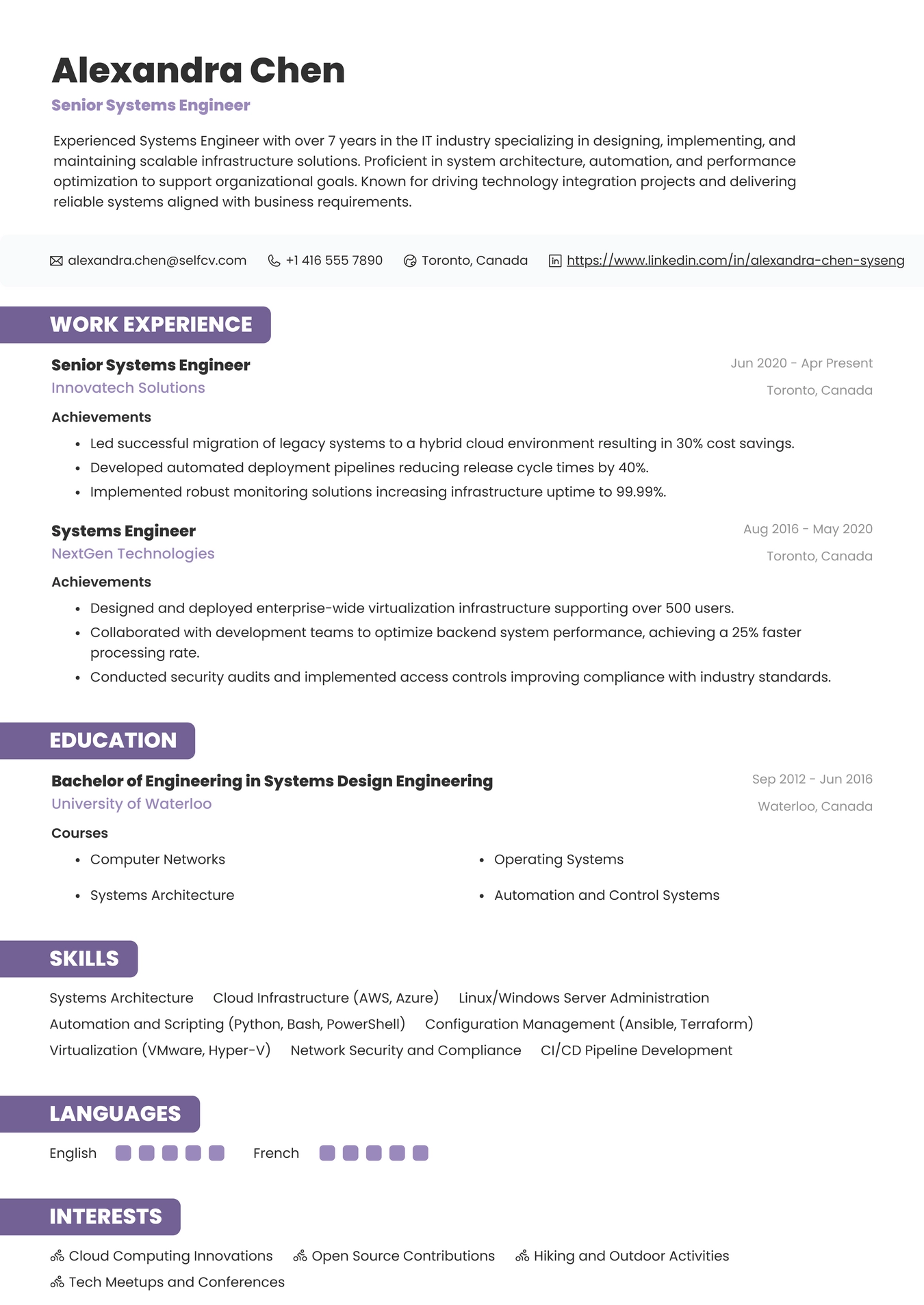
TL;DR annotated mid-level resume sample
Annotated TL;DR sample for a mid-level Systems Engineer
- Candidate snapshot: 4 years experience, cloud-first, Linux stack, IaC and monitoring ownership
- Headline that works: "Systems Engineer focused on cloud reliability, automation, and cost optimization"
- Top metric examples to lead with: uptime, MTTR, deployment frequency, cost savings
ATS vs human note
- ATS wants keywords and consistent section labels; humans want impact and ownership. Put both in the top half of the resume.
How hiring teams read Systems Engineer resumes
General hiring patterns
- Hiring managers often look for evidence of production ownership and measurable improvements.
- Recruiters screen for keyword match and clear seniority signals.
- Interviewers expect examples of system design trade-offs, incident handling, and cross-team collaboration.
What proves ownership
- System scale (users, requests/s, data size)
- Direct metrics you influenced (uptime, MTTR, latency, deployment frequency)
- Tools you introduced or automated (IaC, CI/CD, monitoring)
Evaluation criteria checklist
- Clear job title alignment with advertised role
- 3-5 quantified achievements tied to production systems
- Evidence of collaboration (SRE, product, SOC, compliance)
- Portfolio artifacts referenced for deeper inspection
Resume Example for Systems Engineer
ATS keywords and phrase strategy (Systems Engineer resume)
Primary keywords to include naturally
- Systems Engineer resume
- systems engineering
- infrastructure automation
- reliability engineering
- site reliability engineering
- IaC, Terraform, Ansible
Long-tail clusters to sprinkle
- cloud systems engineer resume
- linux systems engineer resume
- systems engineer skills list
- systems engineer resume metrics
How to place keywords
- Headline and profile summary
- Skills / technologies block (consistent naming: Terraform, not TF)
- First two experience bullets per role
ATS vs readable phrasing examples
- ATS-friendly: "Terraform, AWS (EC2, RDS), Kubernetes, Prometheus"
- Human-friendly: "Built Terraform modules for VPC, RDS and EKS to standardize multi-account deployments"
Tools, software, and technology stacks by specialization
Cloud / Infrastructure
- AWS, Azure, GCP
- Kubernetes, Docker, EKS/GKE/AKS
- Terraform, Pulumi, CloudFormation
SRE / Reliability
- Prometheus, Grafana, New Relic, Datadog
- PagerDuty, VictorOps
- Chaos engineering tools (Chaos Mesh, Gremlin)
Network and Embedded
- BGP, OSPF, Junos/Cisco IOS
- RTOS, Yocto, ARM toolchains
Security and Compliance
- SIEMs (Splunk, QRadar)
- IAM, KMS, encryption standards
- PCI, HIPAA, FedRAMP considerations
OS and automation
- Linux distributions, systemd, SELinux
- Ansible, Chef, Salt
- Bash, Python, Go scripting
How to present stacks
- Use grouped skills and annotate scope: number of accounts, cluster count, or connected services.
Technical deliverables and artifacts hiring teams want to see
Deliverables to reference on a resume
- Architecture diagrams (high-level, no sensitive detail)
- Runbook excerpts and playbooks
- Incident postmortem summaries with remediation actions
- Deployment pipeline snapshots and release notes
Portfolio artifact ideas
- Architecture diagram (annotated components and scale)
- Runbook excerpt for a common severity 2 incident
- Incident postmortem summary showing MTTR and follow-up
- Terraform module README and policy notes
How to include artifacts
- Add short captions in experience bullets and state that artifacts are available on request or in your portfolio.
Measuring impact: metrics that matter and how to quantify them
Common metrics to quantify
- Uptime and SLA improvements
- Mean Time To Repair (MTTR) reductions
- Deployment frequency and lead time for changes
- Cost savings and capacity optimizations
How to calculate and present numbers
- Use percent change when baseline known: "Reduced MTTR from 4 hours to 2.2 hours, a 45% improvement"
- Use rate scale: "Scaled cluster capacity to handle 1M requests per minute"
- Use dollars sparingly and only when verifiable: "Cut monthly cloud spend by $18k through reserved instance strategy"
Sample metric phrasing
- "Improved service availability to 99.98% by automating failover and implementing health checks"
- "Reduced incident count by 30% through proactive alert tuning and synthetic checks"
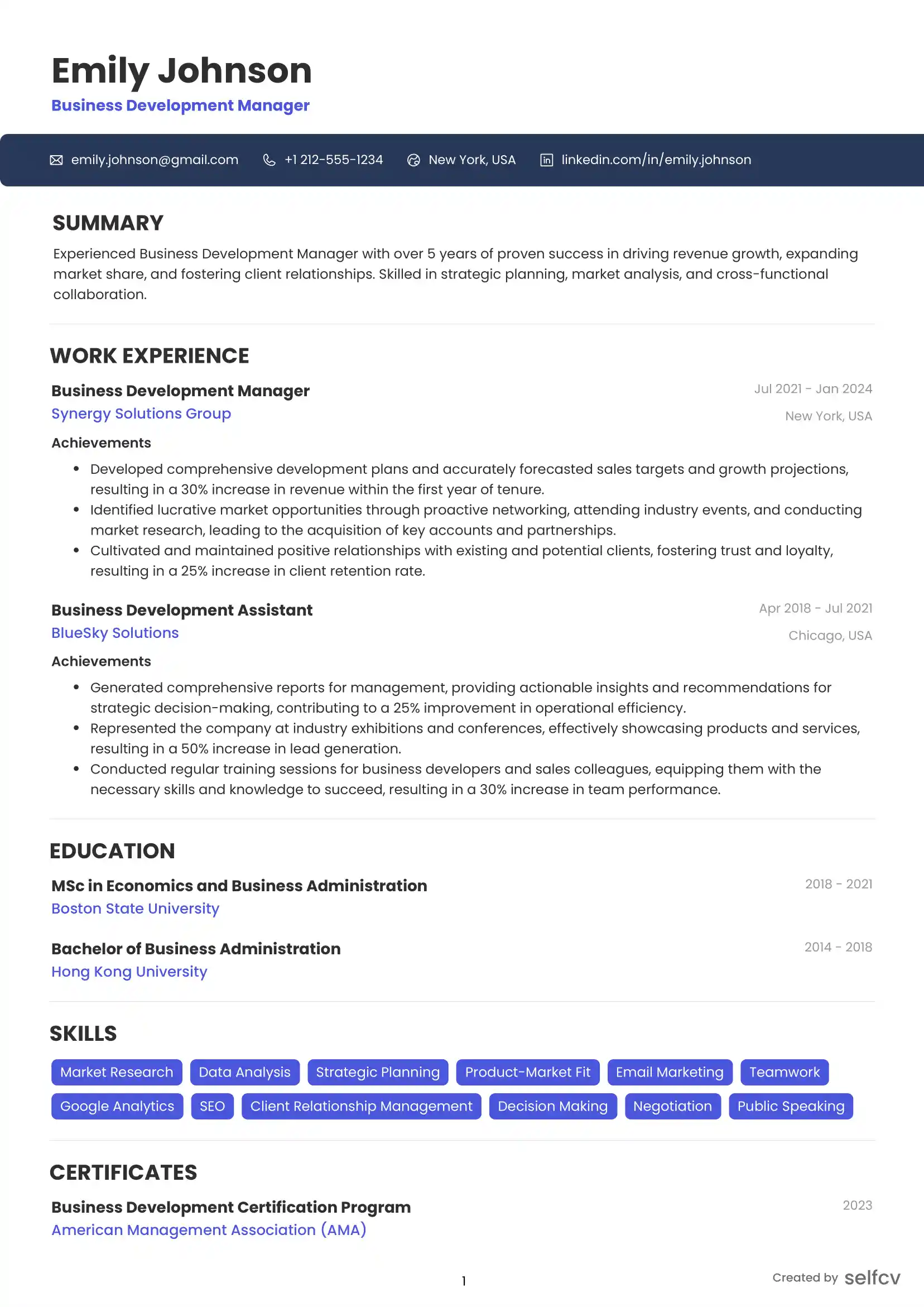
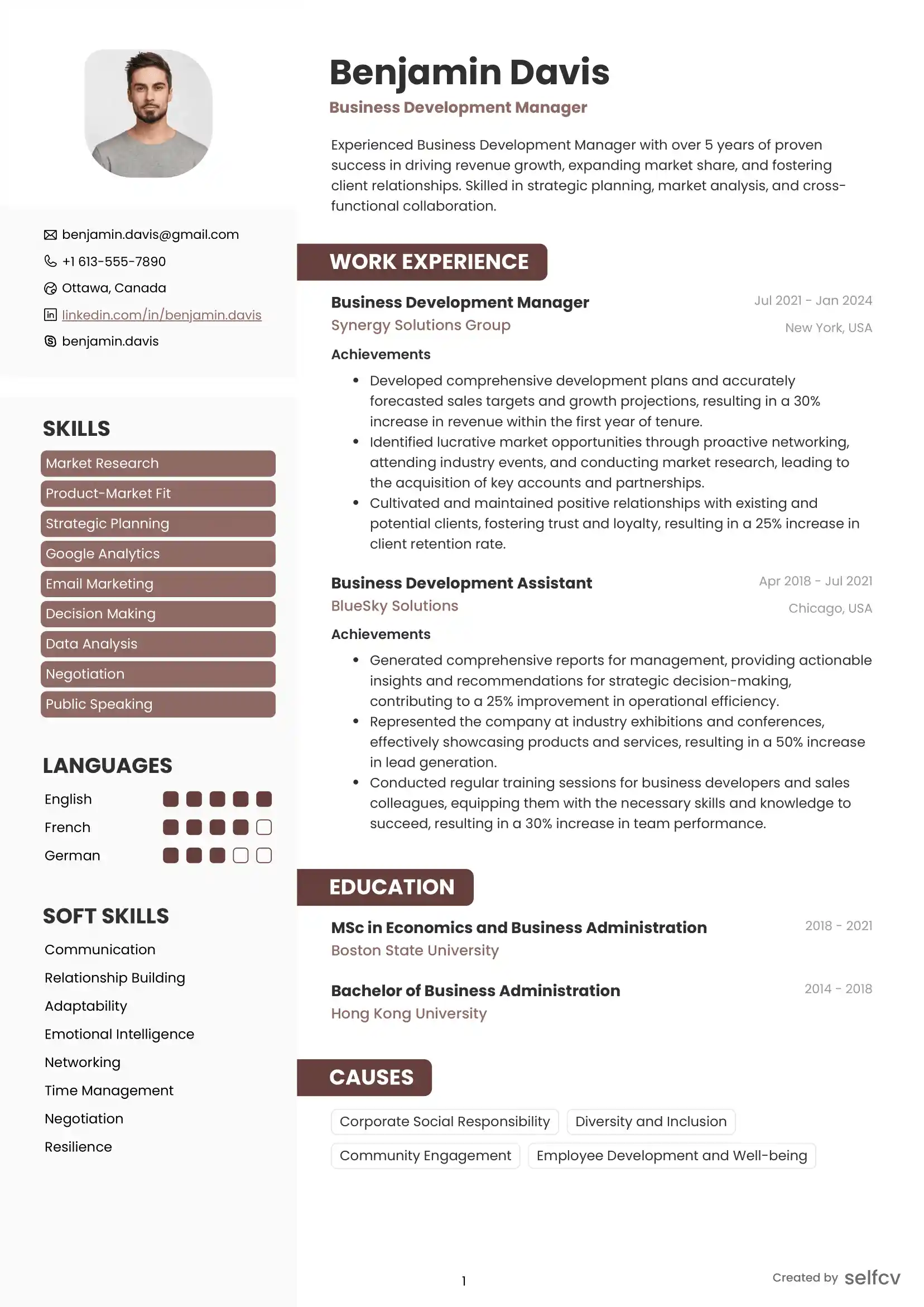
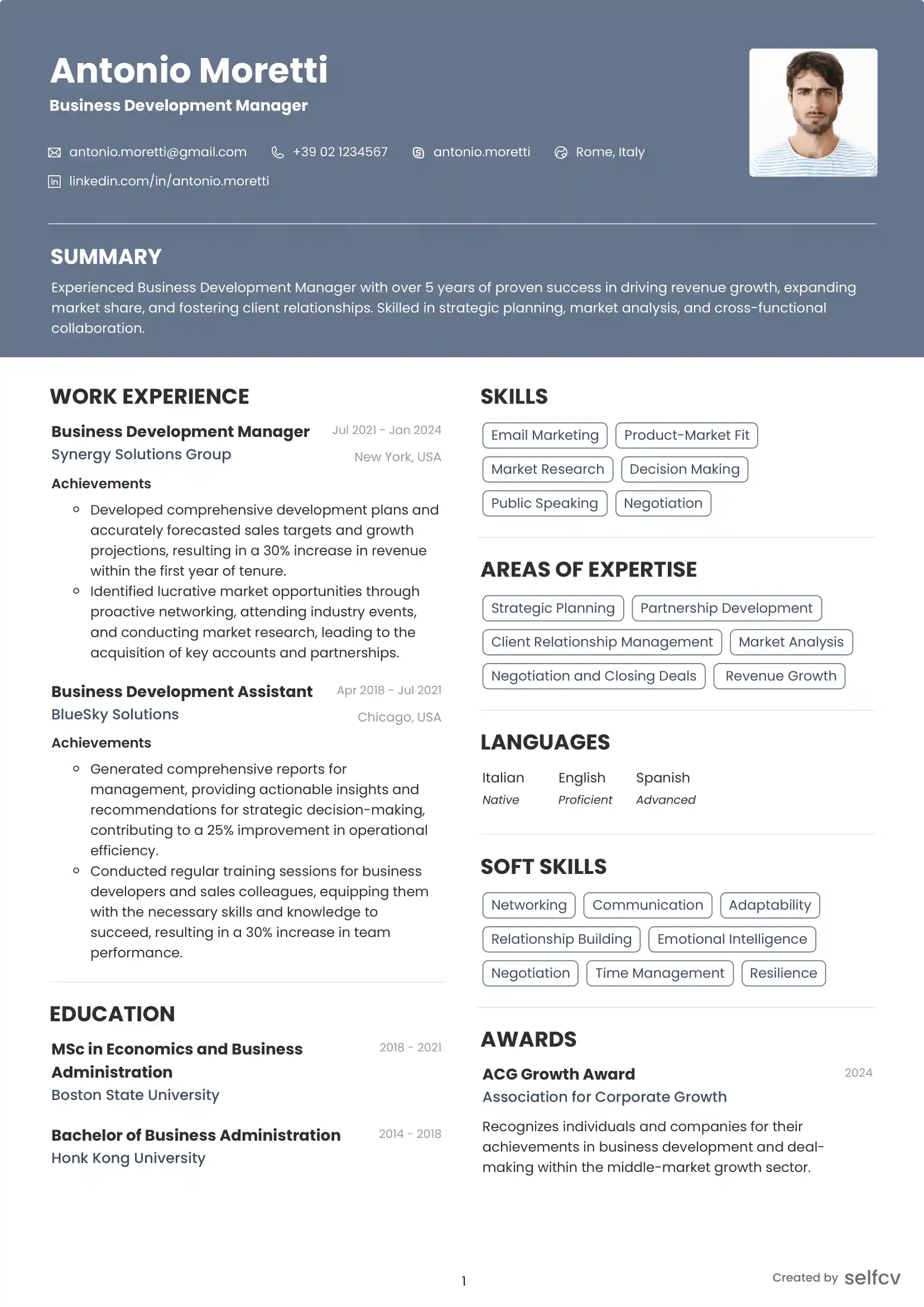
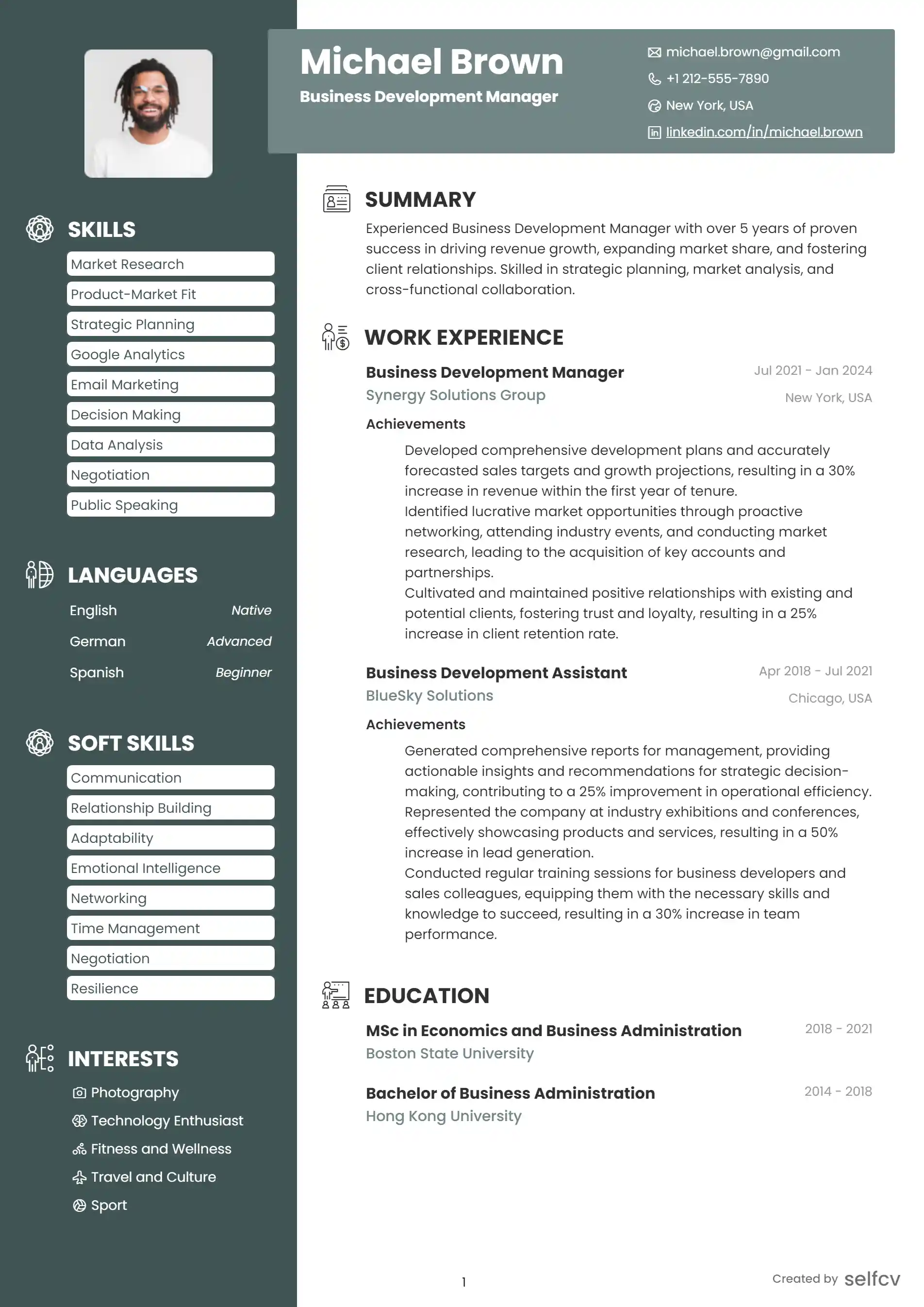
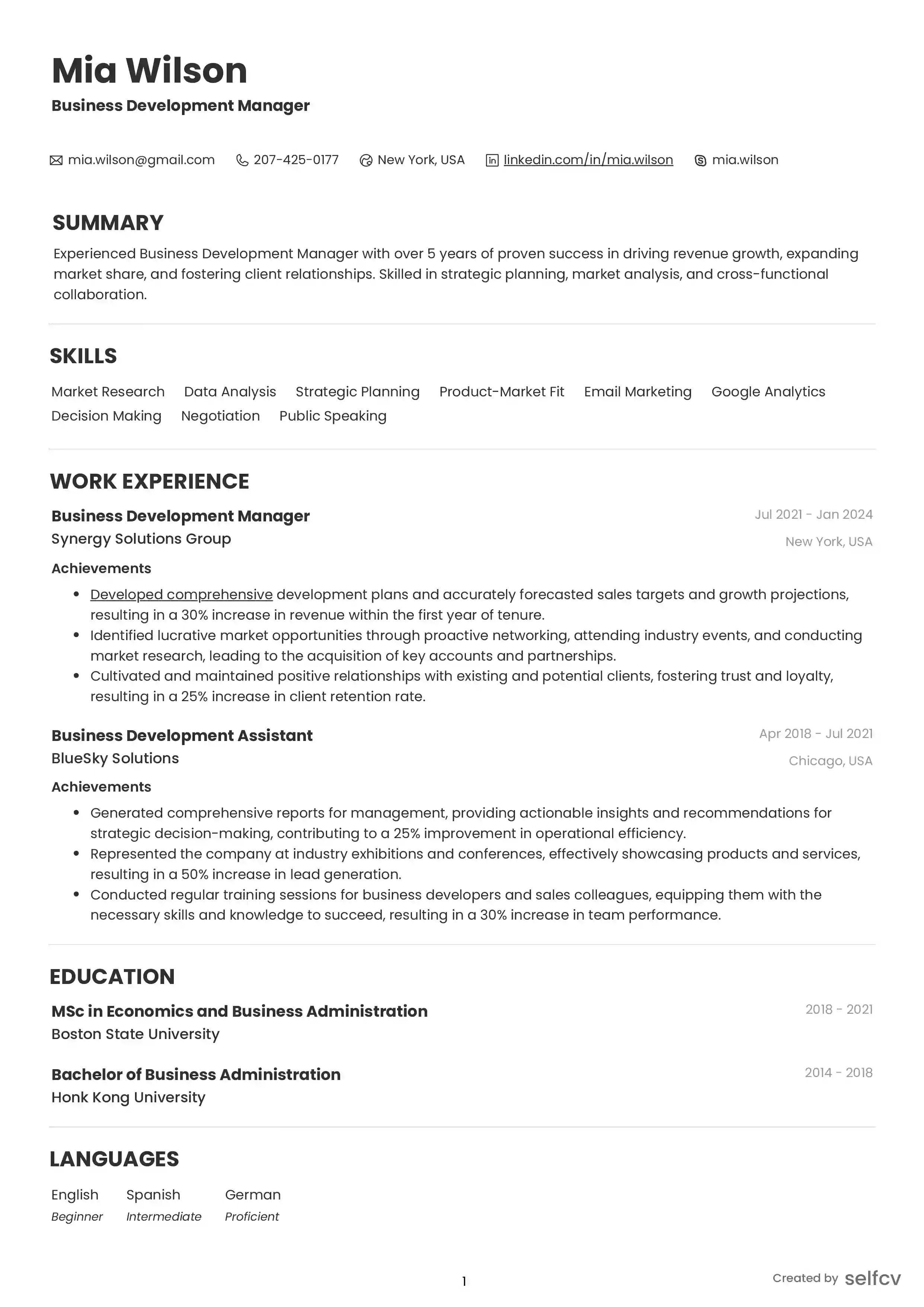
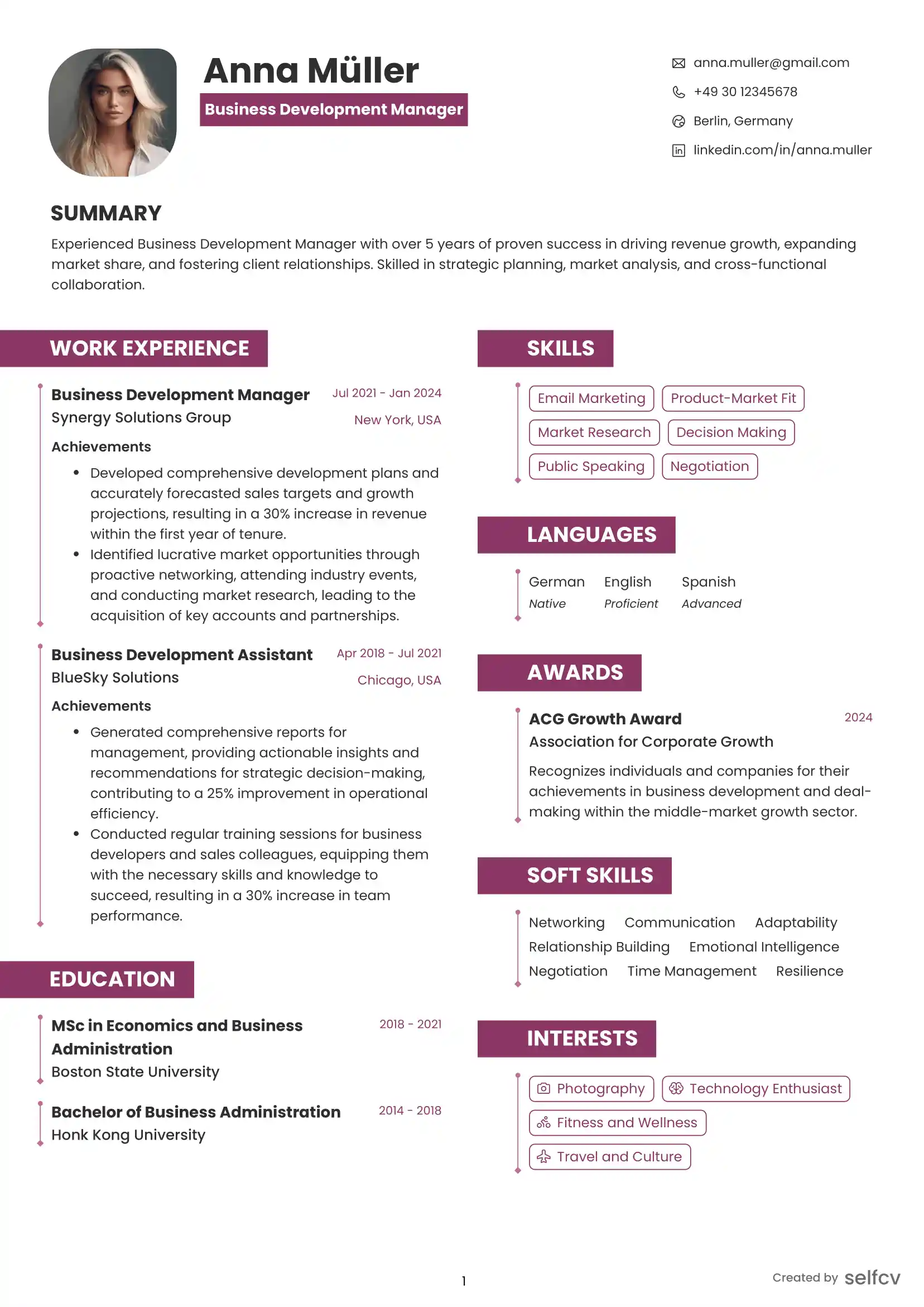
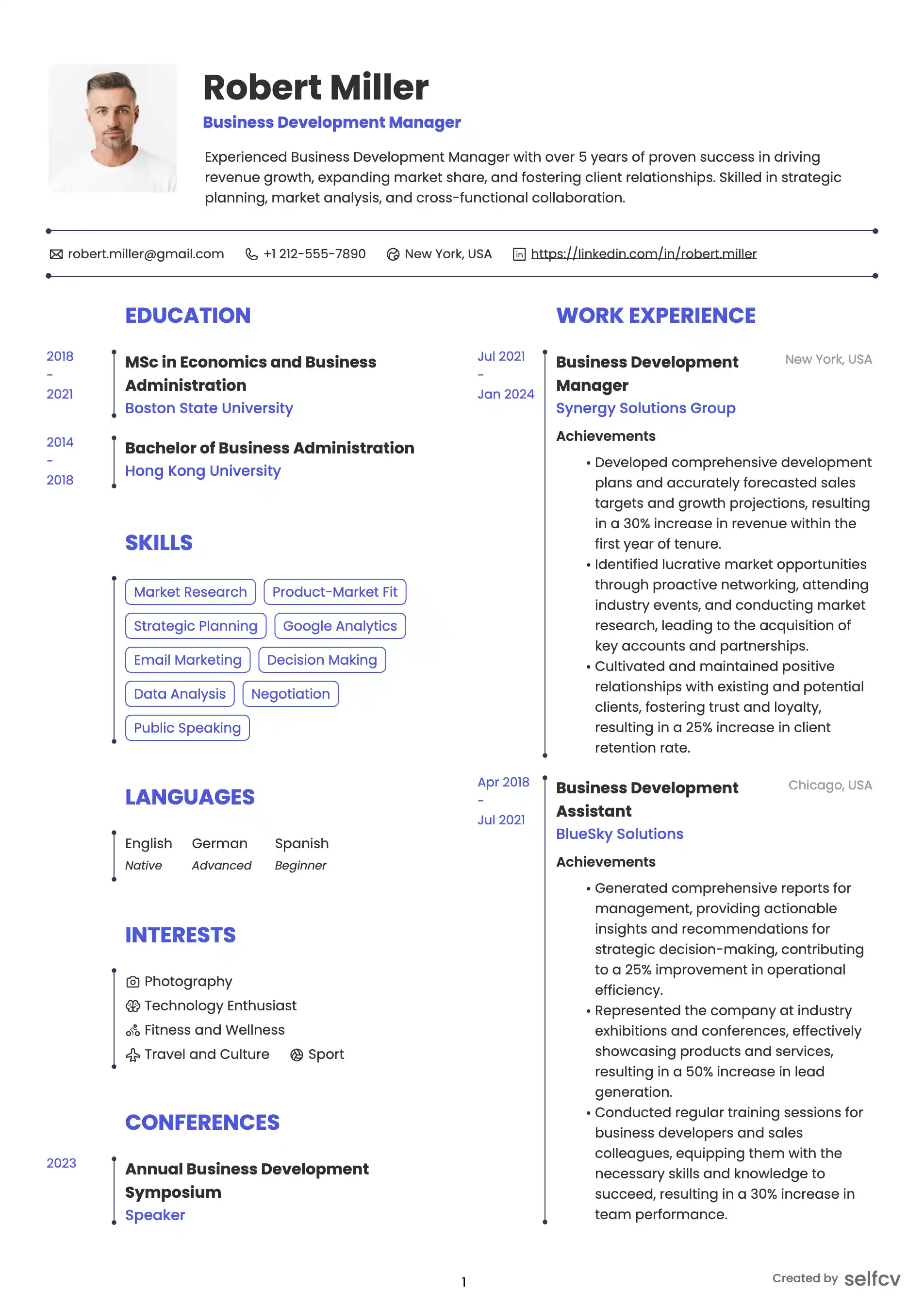
Find the template that’s right for you
No need to build anything from scratch. Using our templates or upload feature, you’ll get started easily and have a powerful resume in a few clicks.
Achievement language and bullet templates with weak-to-strong rewrites
Six action templates
- Automation template: "Automated X with Y to achieve Z"
- Ownership template: "Owned X for Y scope, resulting in Z"
- Cost template: "Optimized X to reduce cost by Y%"
- Reliability template: "Implemented X to improve availability/MTTR by Y"
- Scale template: "Scaled X from A to B supporting Y users/requests"
- Security template: "Hardened X to meet Y compliance standard"
Weak-to-strong examples (profession-specific)
Example 1:
Weak: Deployed monitoring for services.
Strong: Implemented Prometheus metrics and Grafana dashboards across 12 microservices, cutting incident detection time by 35%.
Why it works: Adds tooling, scope, and measurable outcome.
Example 2:
Weak: Wrote automation scripts for deployments.
Strong: Replaced ad-hoc deploys with a Jenkins pipeline and Terraform modules, increasing deployment frequency from weekly to daily and reducing failed releases by 60%.
Why it works: Shows toolchain, cadence improvement, and failure reduction.
Example 3:
Weak: Helped with incident response.
Strong: Led post-incident response for a stateful database outage, coordinated cross-team mitigation, and reduced MTTR from 3.5 hours to 1.5 hours through automated rollback and read-only failover.
Why it works: Demonstrates leadership, concrete MTTR improvement, and technical mitigation steps.
Career-level resume summaries and objectives
Entry / Junior Systems Engineer summary
- Objective: "Recent computer engineering graduate with Linux and cloud lab experience seeking an entry-level Systems Engineer role to apply automation and monitoring skills. Hands-on with Terraform, Docker, and Python scripting."
Mid-level Systems Engineer summary
- Profile: "Systems Engineer with 3-5 years building and running cloud infrastructure. Focused on automation, monitoring, and reducing MTTR. Experience with Terraform, Kubernetes, and Prometheus."
Senior / Lead Systems Engineer summary
- Profile: "Senior Systems Engineer with 8 years owning multi-region infrastructure. Led reliability initiatives that improved availability to 99.99% and cut incident volume 40%. Skilled in platform design, cost optimization, and team mentoring."
Career changer (software or network engineer moving to systems)
- Objective: "Software Engineer transitioning to Systems Engineering with 4 years building reliable backend services, now focused on infrastructure-as-code, CI/CD, and operational readiness. Seeking to leverage service ownership experience into systems reliability work."
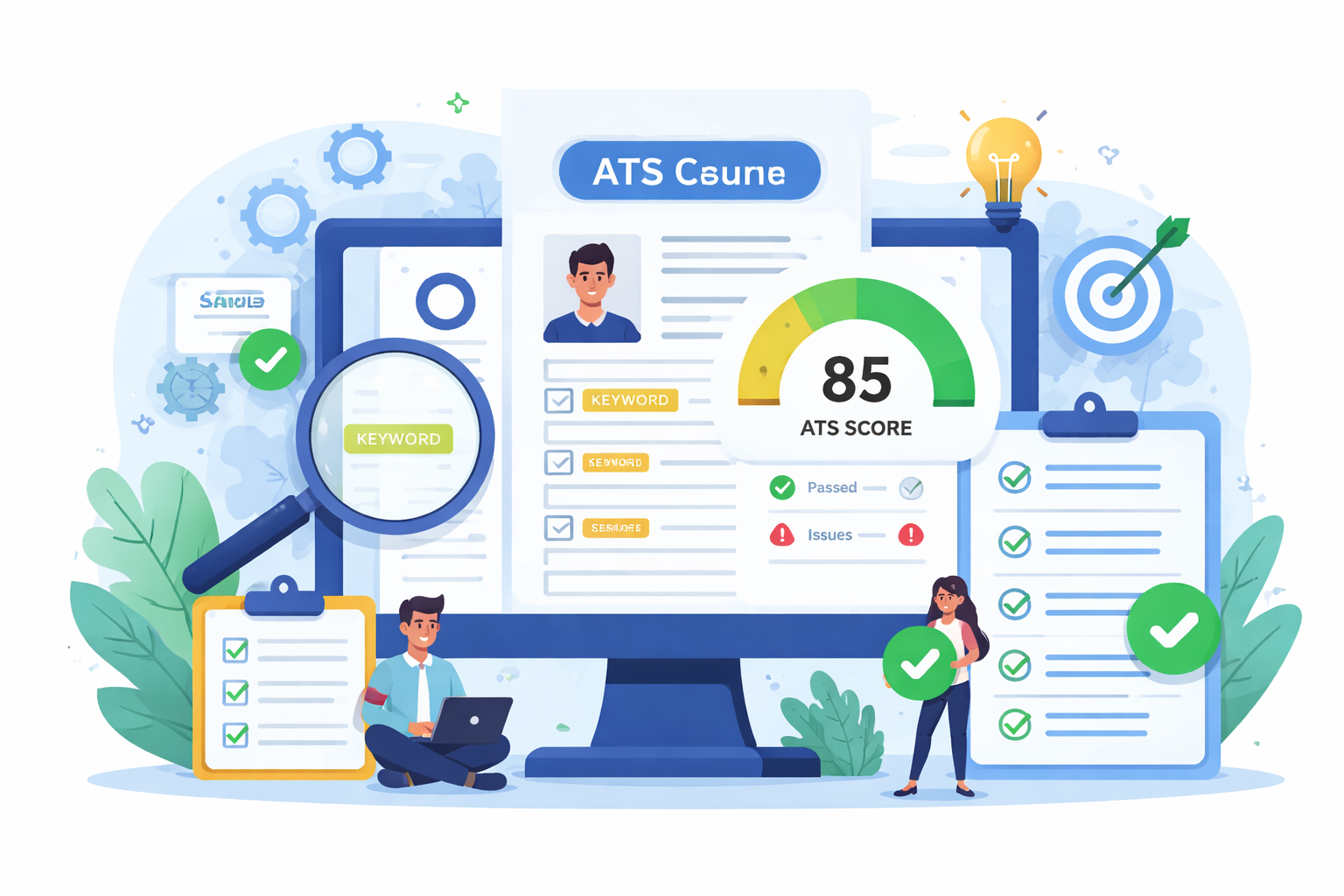
Check Your Resume with ATS
Make sure your resume passes Applicant Tracking Systems before recruiters see it.
- 📄 Upload your resume and get instant ATS feedback
- 🎯 Improve keyword matching for your target job
- ⚡ Boost your chances of getting shortlisted
Complete fictional resume example
The candidate, companies, and career history shown are fictional examples created for illustration and any resemblance to a real person or organization is coincidental.
Candidate Name
- Maya Thompson
Target Position
- Senior Systems Engineer
Location
- Boston, MA (open to remote)
Professional Summary
- Senior Systems Engineer with 7 years designing and operating cloud-native infrastructure. Specializes in automation, reliability, and cost control across AWS and Kubernetes environments. Led platform initiatives that improved availability and reduced cloud costs.
Grouped Skills
- Cloud: AWS (EC2, EKS, RDS), GCP basics
- Automation: Terraform, Ansible, Helm
- Observability: Prometheus, Grafana, Datadog
- CI/CD: Jenkins, GitHub Actions
- Scripting: Python, Bash
- Networking: VPC, NAT, load balancing
Professional Experience:
Platform Systems Engineer, Atlas Data Services, Boston, MA
- 2021-2025
- Owned platform reliability for a multi-account AWS environment with 40 services.
- Implemented Terraform module library, reducing environment provisioning time from 3 days to 2 hours.
- Built centralized Prometheus stack and Grafana dashboards, cutting alert noise and reducing P1 incidents by 30%.
- Introduced automatic blue-green deployment pipelines with health checks, increasing successful deployments per month from 4 to 22.
Systems Engineer, EdgeStream Inc., Remote
- 2018-2021
- Managed Kubernetes clusters supporting a streaming service at 200k concurrent viewers.
- Automated autoscaling and node provisioning, improving cost efficiency by 18% while supporting 3x traffic growth.
- Led incident response for a region outage, authored postmortem and implemented cross-region failover.
Education / Training
- B.S. in Computer Science, Northeastern University
- Advanced workshops: Kubernetes operations, Cloud cost optimization
Certifications
- AWS Certified SysOps Administrator
- Certified Kubernetes Administrator (CKA)
Note: Artifacts available on request include an incident postmortem summary and Terraform module README.
Projects and portfolio artifacts to include
High-impact portfolio items
- Architecture diagram: Annotated components and traffic flows, scale stamped.
- Runbook excerpt: One page showing alert triggers and mitigation steps.
- Incident postmortem: Problem, timeline, remediation, long-term fixes, and metrics.
- Terraform module: README, inputs, outputs, and test notes.
How to present artifacts
- Keep visuals high-level and remove sensitive names.
- Include a short caption explaining your role and measurable outcomes.
- Offer artifacts on request or via a professional portfolio link.
Industry-specific examples and sample bullets
Cloud Systems Engineer
- "Built Terraform-based multi-account provisioning and enforced tagging, reducing onboarding time from 5 days to 6 hours and improving cost tracking."
Embedded Systems Engineer
- "Optimized device boot sequence and OTA update pipeline, reducing time-to-update 50% across a fleet of 10k devices."
Site Reliability Engineer (SRE)
- "Implemented error-budget policy and automated canary rollouts, increasing deployment frequency and maintaining a 99.99% SLA."
Network Systems Engineer
- "Re-architected inter-data-center BGP paths to reduce failover time from 45 seconds to 10 seconds under simulated outages."
Cybersecurity Systems Engineer
- "Deployed centralized logging and alerting for failed IAM access, enabling detection of privilege escalations within 5 minutes."
Transition advice: software or network engineers moving into Systems Engineering
Software Engineer to Systems Engineer
- Highlight operational ownership of services, deployment automation, and monitoring contributions.
- Convert feature work into operational impact: show how your code affected uptime, latency, or deployment cadence.
- Add an infrastructure project in your portfolio (Terraform module, CI pipeline).
Network Engineer to Systems Engineer
- Emphasize automation and integration projects, not just CLI configs.
- Show exposure to cloud networking, load balancing, and hybrid connectivity.
- Include cross-functional examples where you worked with developers or SREs to simplify ops.
Resume changes to make
- Replace task lists with achievement bullets that include scale and metrics.
- Add a skills block with cloud and automation tools.
- Include a short project section to show applied systems work.
Common resume red flags and formatting tips
Red flags hiring teams notice
- Vague bullet points without scope or outcome.
- Long tool lists with no context of use.
- Inconsistent job titles that confuse seniority.
- Missing metrics for production work.
Formatting tips
- Use clear section headers: Professional Summary, Skills, Experience, Education.
- Keep most resumes to one page for entry/mid levels, two pages for senior/lead with significant history.
- Use consistent naming for tools and acronyms.
- Include dates and locations for roles.
ATS-friendly formatting
- Avoid images and text in headers/footers.
- Use standard fonts and simple bullets.
- Save as PDF or Word as requested by job posting.
FAQ (real search queries converted to answers)
What should I include on a Systems Engineer resume in 2026?
- Include a clear headline, a 2-3 line summary with scale and outcomes, grouped technical skills, 3-5 quantified achievements per recent role, and portfolio artifacts for architecture and postmortems.
How do I make my Systems Engineer resume ATS-friendly?
- Use straightforward section labels, include primary and long-tail keywords naturally, list tools consistently, and avoid images or complex layout elements.
What metrics do hiring managers expect on a Systems Engineer resume?
- Uptime or SLA percentages, MTTR reductions, deployment frequency, incident count reduction, and cost savings in percent or dollars.
How to write Systems Engineer experience bullets with measurable impact?
- Use the formula: action + scope (service/users/throughput) + tool + measurable outcome. Example: "Automated X for Y, using Z, reducing MTTR by N%."
What projects belong in a Systems Engineer portfolio?
- Architecture diagrams, runbook excerpts, incident postmortems, Terraform module examples, and CI/CD pipeline snapshots.
How to quantify improvements in uptime, MTTR, deployment frequency, and cost savings?
- State the baseline and result, use percentages or absolute numbers, and note the time frame or sample period for the measurement.
Related careers and next-role mapping
Related professions
- Systems integration engineer
- Infrastructure engineer
- Site reliability engineer (SRE)
- DevOps systems engineer
- Network systems engineer
- Embedded systems engineer
- Systems architect
How systems roles map to other careers
- Systems Engineer to SRE: Emphasize reliability, SLIs and error budgets.
- Systems Engineer to Architect: Show design ownership and cross-team technical decisions.
- Systems Engineer to Security roles: Highlight hardening, IAM, and compliance work.
Conclusion, checklist, and next steps
Practical closing for Systems Engineers
- Your resume should show production ownership, measurable outcomes, and the tools you used to achieve them.
Resume audit checklist
- Headline contains role focus and one metric or specialization.
- Summary shows years, scope, and top achievements.
- Top 6 skills are relevant to target job and consistently named.
- At least 3 bullets in recent roles include metrics (uptime, MTTR, cost, scale).
- Portfolio artifacts listed and available on request.
Five immediate next actions
- Customize the headline for the target job posting.
- Quantify three achievements using baseline and result.
- Attach or prepare 2 portfolio artifacts (postmortem, Terraform README).
- Tailor keywords to the job description and save an ATS-friendly version.
- Practice walking through two incident postmortems aloud for interviews.
Resources to consult
- Download the one-page and two-page resume templates in your preferred format.
- Use the portfolio checklist and the interview prep guide to rehearse incident narratives.
Regulatory and clearance reminder
- Verify local, regulatory, or clearance requirements when applying to finance, healthcare, defense, or government roles.
Final note
- Focus on ownership, measurable reliability work, and clean artifacts. That combination gets systems engineers past screening and into technical interviews.
Why job seekers choose selfcv
Thousands of professionals use selfcv to build modern, ATS-friendly resumes, customize templates, and apply for jobs with confidence.
Thanks to SelfCV, I now have a professional and polished resume that I'm confident in sending to potential employers. I will definitely be recommending your service to other job seekers. Keep up the great work!
SelfCV offers an intuitive interface that makes creating a professional CV straightforward. Whether you're a student, a fresh graduate, or an experienced professional, the step-by-step process ensures that users of all levels can craft an impressive CV.
Easy to use resume builder. They have very intuitive ui for customizing and keeping multiple versions of resume.
The right tool for creating CVs. As a student I was looking for a tool that could help me quickly create a CV for internship applications. This was just the right tool. I am very satisfied!
This is one of the best tools I’ve ever used - I was able to build my CV in seconds with high quality template. Highly recommended!
Amazing app with easy user experience. Loved it. Its intuitive and easy to navigate, designs are very nice.
