
Technical Product Owner Resume Guide 2026 - ATS-Ready, Recruiter-Focused, Technical Impact Examples
Written by Armen Mkhitaryan
Practical, recruiter-focused advice for Technical Product Owner resumes in 2026 that balances technical credibility and product outcomes.
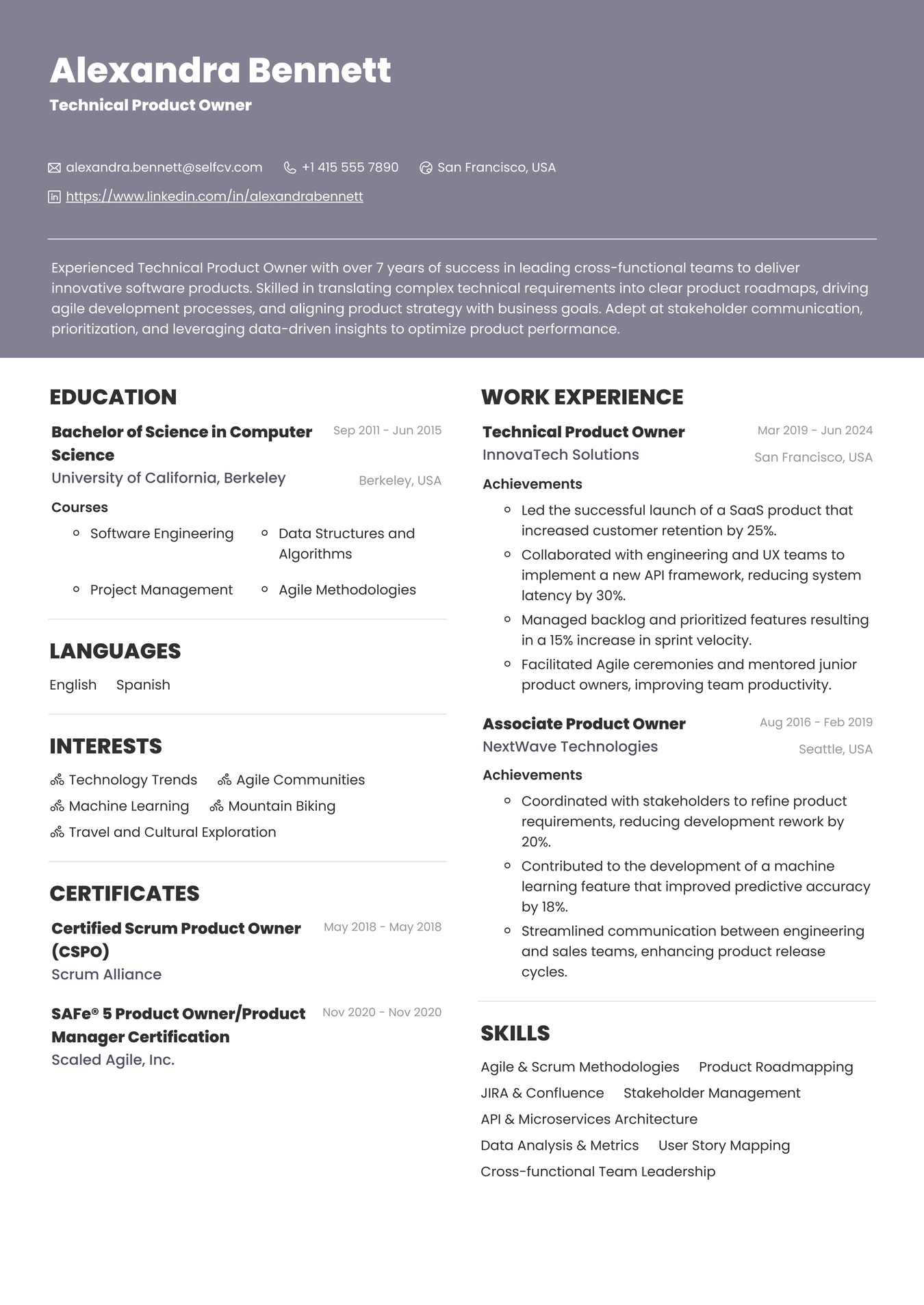
Quick snapshot - what hiring teams scan first
Hiring managers often look for evidence of production ownership and measurable improvements.
What stands out in the first 6-10 seconds:
- Clear role headline with seniority and domain (example: Senior Technical Product Owner, Platform)
- One-line summary with scale and tech stacks (users, services, cloud, API surface)
- Top 3 achievements with metrics (latency, conversion, uptime, release cadence)
How to use this: put the headline, a 1-2 line summary, and 2-3 quantified achievements near the top of your resume to pass quick recruiter scans and ATS filters.
ATS keywords and how to place them
Targeted ATS keywords matter, but placement and context are more important.
High-value keywords to include naturally:
- product backlog
- acceptance criteria
- API
- microservices
- system design
- roadmap
- stakeholder management
- scalability
- technical debt
- Sprint planning
- OKRs
- KPI
Where to place keywords:
- Header and role headline
- Short technical summary line with stacks and scale
- Experience bullets that pair a keyword with an outcome
- Skills or tools section using exact strings (Jira, Postman, CI/CD)
Avoid keyword stuffing. Each keyword should appear in a sentence that clarifies responsibility or impact.
Resume Example for Technical Product Owner
Skills, tools, and technical stack to show
Group skills so readers and ATS see both product and technical breadth.
Suggested grouped skills layout:
- Product skills: backlog prioritization, roadmap planning, acceptance criteria, OKR alignment
- Technical skills: API design, microservices, system design, data contracts, scalability
- Tools and platforms: Jira, Confluence, Swagger/OpenAPI, Postman, Git basics, Jenkins or GitHub Actions
- Analytics and observability: Amplitude, GA, Datadog, New Relic
- Methods: Agile, Scrum, SAFe, continuous delivery
When to list stack specifics:
- If you led API or migration work include cloud provider and relevant infra (AWS, GCP)
- For platform POs include messaging, databases, and throughput numbers where possible
- Keep tool names exact for ATS matches (example: "Jira", not "issue tracker").
Deliverables and artifacts to call out
Hiring teams expect tangible outputs from Technical Product Owners.
High-value deliverables to mention:
- API contracts and OpenAPI specs
- Prioritized product backlog and release plans
- Acceptance criteria and test scenarios
- Migration plans and cutover documents
- Performance SLAs and runbooks
- Roadmaps tied to business OKRs
Phrase deliverables as outputs with ownership and impact. Example: "Owned API contract and migration plan that reduced integration errors by 45%."
How to write achievement bullets - weak-to-strong examples
Transform technical activity into product impact. Use the pattern: action + context + metric.
Example 1:
Weak: Wrote API docs for internal services.
Strong: Led OpenAPI specification and developer onboarding that reduced integration time by 30% and cut support tickets by 40%.
Why it works: adds ownership, outcome, and measurable impact.
Example 2:
Weak: Coordinated with engineering on backlog items.
Strong: Prioritized backlog for three platform squads, decreasing lead time for high-priority features from 14 to 7 days and improving sprint predictability.
Why it works: replaces vague coordination with scope, metric, and result.
Example 3:
Weak: Worked on performance improvements.
Strong: Defined and drove a latency reduction roadmap that lowered API 95th percentile from 800ms to 220ms and improved conversion for a key flow by 12%.
Why it works: ties technical targets to user-facing and business metrics.
Career-level resume summaries and objectives (4 types)
Entry-level / Associate Technical Product Owner:
- Objective: Engineering graduate transitioning to product, familiar with REST APIs, Jira, and Scrum; seeks an entry-level PO role to own backlog and write acceptance criteria while learning platform trade-offs.
Mid-level Technical Product Owner:
- Summary: Technical PO with 3-5 years managing API and platform features in SaaS; led roadmap items across 2 squads, improved release cadence, and collaborated with architects on scalability.
Senior / Lead Technical Product Owner:
- Summary: Senior Technical PO with 7+ years owning infrastructure product and API strategy for enterprise platforms; measurable outcomes include 60% faster integrations and reduced cloud costs by 18%.
Career changer (software engineer to Technical PO):
- Objective: Senior software engineer with 5 years building microservices and defining interfaces; transitioning to PO to shape product roadmaps, write acceptance criteria, and bridge engineering with stakeholders.
Find the template that’s right for you
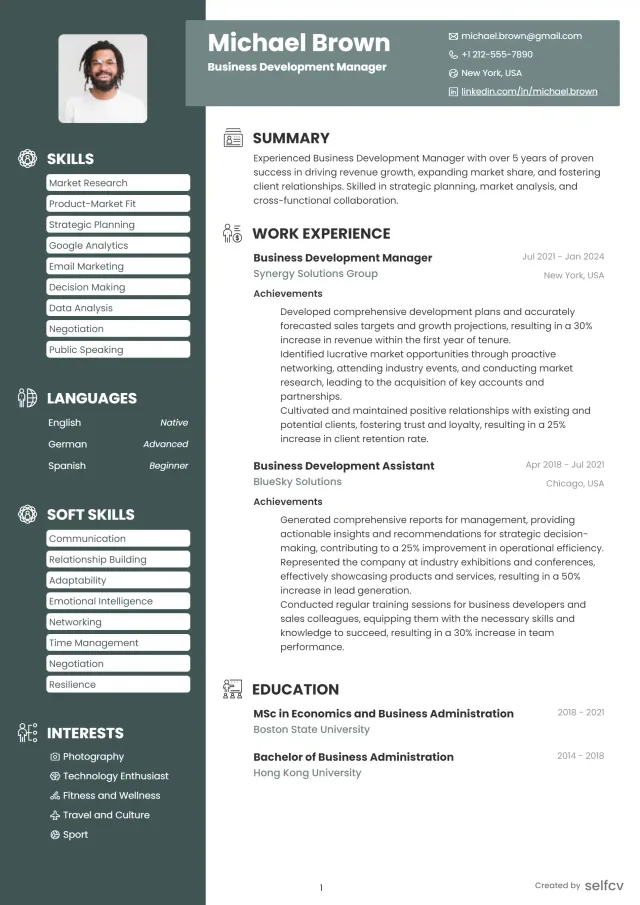
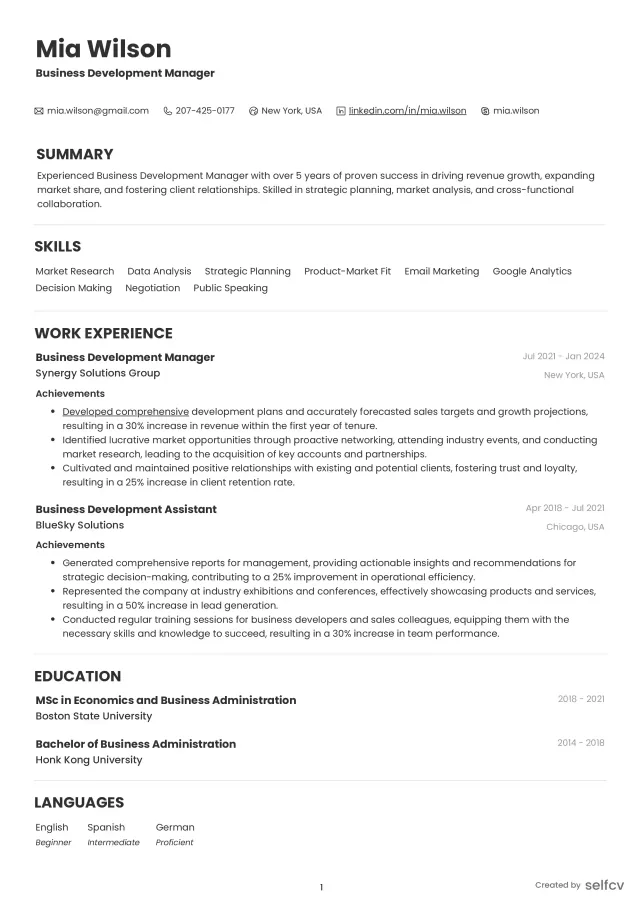
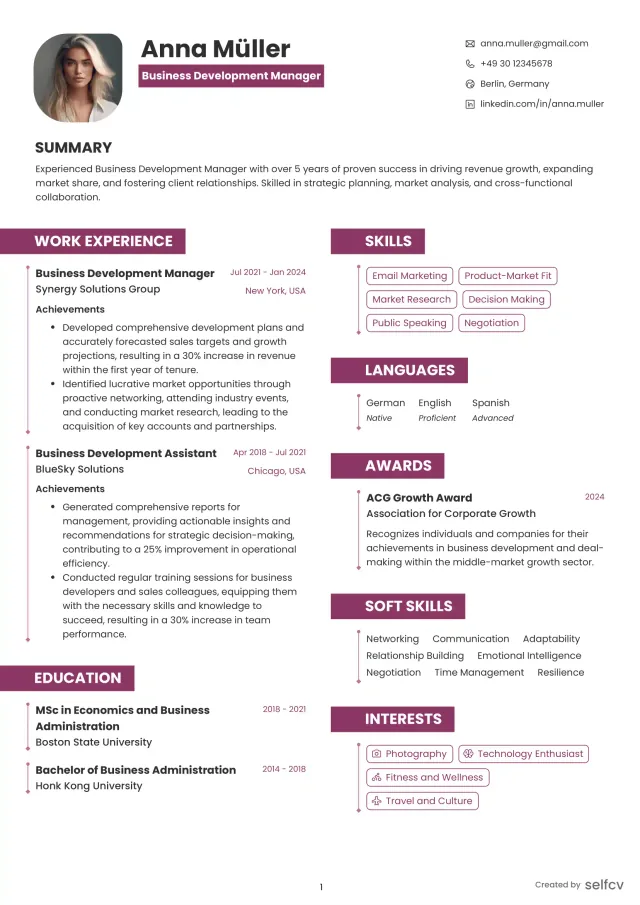
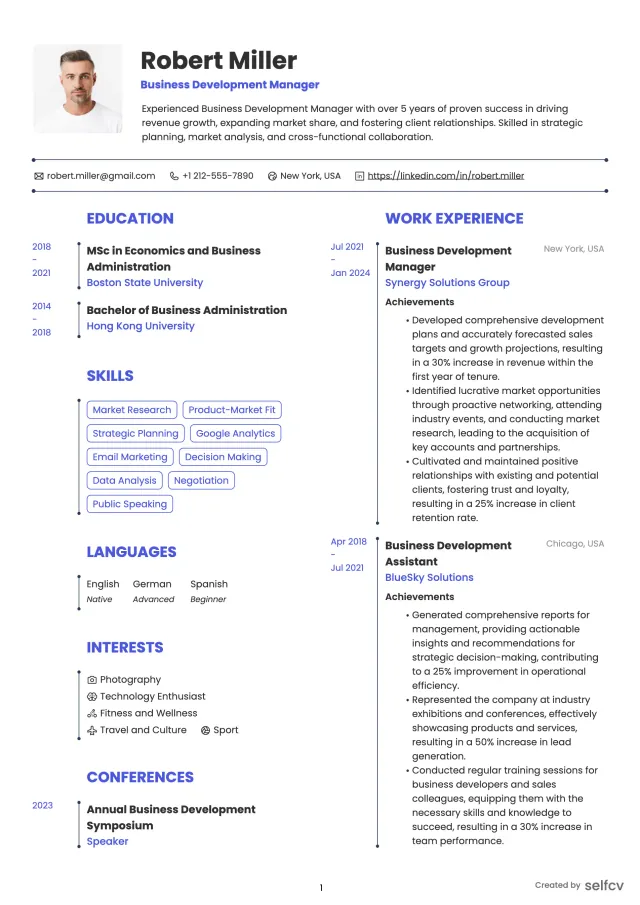
No need to build anything from scratch. Using our templates or upload feature, you’ll get started easily and have a powerful resume in a few clicks.
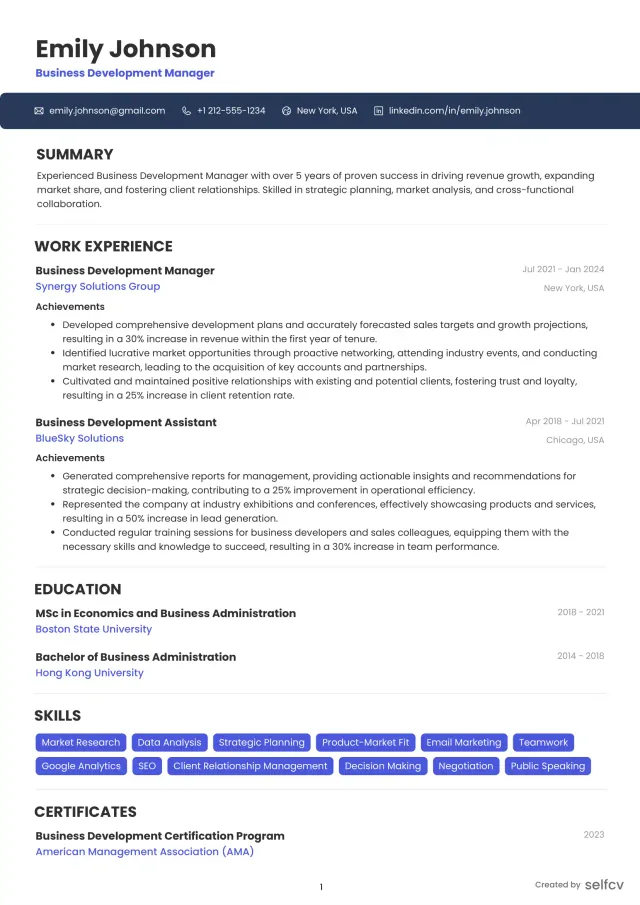
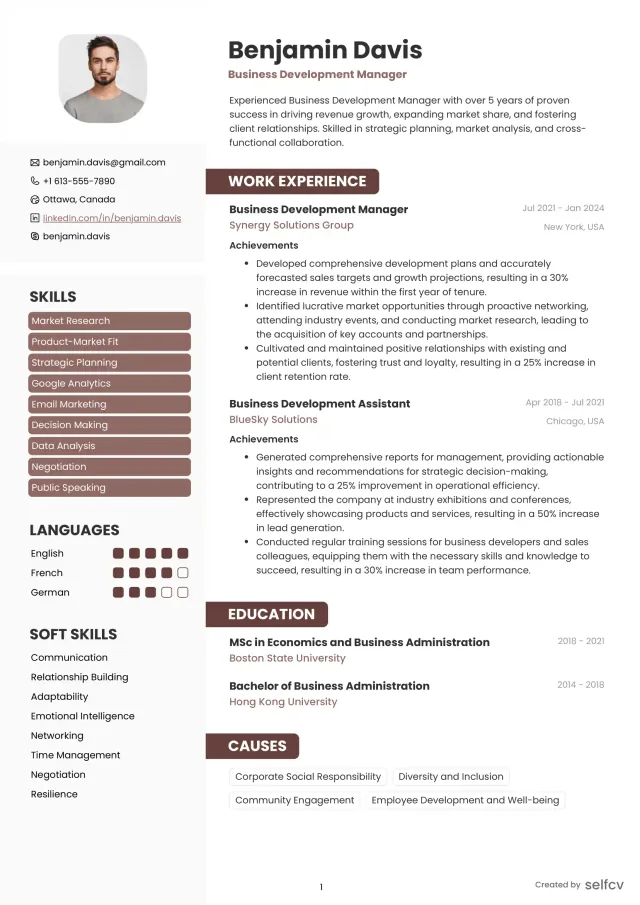
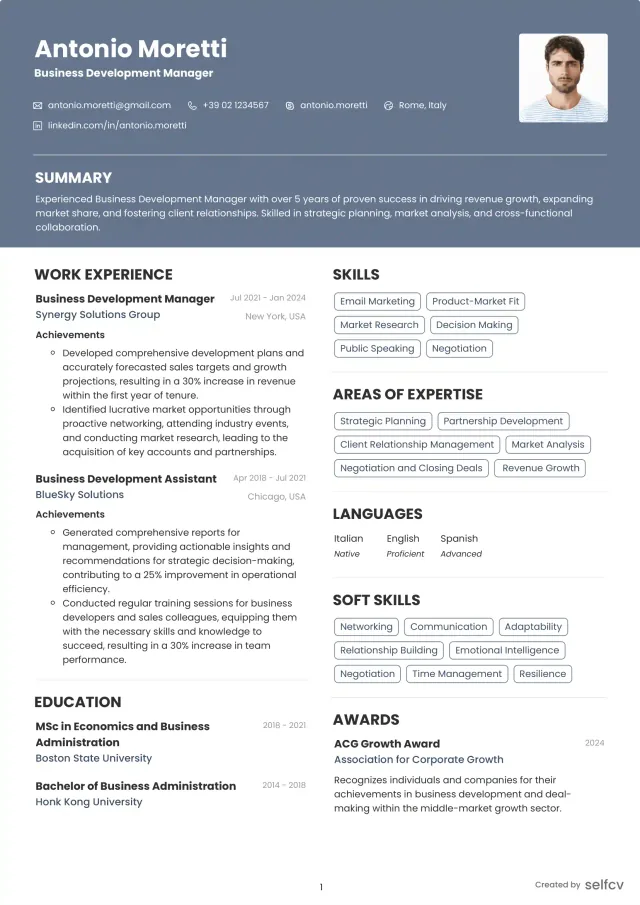
Complete fictional resume example
The candidate, companies, and career history shown are fictional examples created for illustration and any resemblance to a real person or organization is coincidental.
Jordan Patel
Target Position
Senior Technical Product Owner - Platform and API
Location
London, UK
Professional Summary
Technical Product Owner with 6 years of combined software engineering and product experience, focused on API-first platform products. Skilled at defining data contracts, prioritizing technical debt, and driving cross-team delivery. Proven results: reduced API error rate 48% and improved developer onboarding time by 35%.
Grouped Skills
Product
- Backlog prioritization
- Roadmap and OKR alignment
- Acceptance criteria and user story writing
Technical
- API design (OpenAPI), microservices, system design
- Performance tuning, scalability, technical debt mitigation
Tools and Methods
- Jira, Confluence, GitHub, Postman, Swagger/OpenAPI
- CI/CD (GitHub Actions), Datadog, Amplitude
- Agile, Scrum, SAFe
Professional Experience:
Platform Product Owner, AtlasCloud Ltd, London
2022-2026
- Owned the public API roadmap for core billing platform used by 120 enterprise customers.
- Led OpenAPI design and a phased migration that reduced integration errors by 48% and shortened partner onboarding from 10 to 6 days.
- Prioritized technical debt sprints that lowered system incidents by 35% and improved MTTR from 4h to 90m.
- Collaborated with architects to introduce a caching layer that reduced API 95th percentile latency from 700ms to 220ms.
Technical Product Owner, FinEdge Systems, Remote
2019-2022
- Managed backlog for payments integration features across two cross-functional squads.
- Defined acceptance criteria and testing contracts that improved release confidence and doubled deployment frequency.
- Introduced metrics-based prioritization, linking feature delivery to a 7% lift in payment success rate.
Software Engineer, MicroWorks Inc, Remote
2016-2019
- Built microservices and contributed to API design and integration tests.
- Maintained service SLAs and collaborated on observability dashboards used by product and SRE teams.
Education / Training
- BSc Computer Science, University of Manchester
- Product management workshops (practical roadmapping and stakeholder alignment)
Certifications
- Certified Scrum Product Owner (CSPO)
- Professional Scrum Product Owner I (PSPO I)
- AWS Certified Cloud Practitioner (optional and demonstrated cloud fluency)
Projects and portfolio examples to include
Choose 3-5 short case studies that show technical trade-offs and product outcomes.
What each case study should include:
- Problem statement with constraints (scale, compliance, integration partners)
- Your role and scope of decisions (API contract, migration strategy, prioritization)
- Technical choices and trade-offs (caching vs consistency, sync vs async)
- Metrics before and after (latency, errors, adoption, revenue impact)
- Non-sensitive artifacts: OpenAPI snippets, anonymized dashboards, roadmap excerpts
Example project ideas:
- API-first partner onboarding case study
- Performance and scalability roadmap for core service
- Migration from monolith to microservices with phased cutover plan
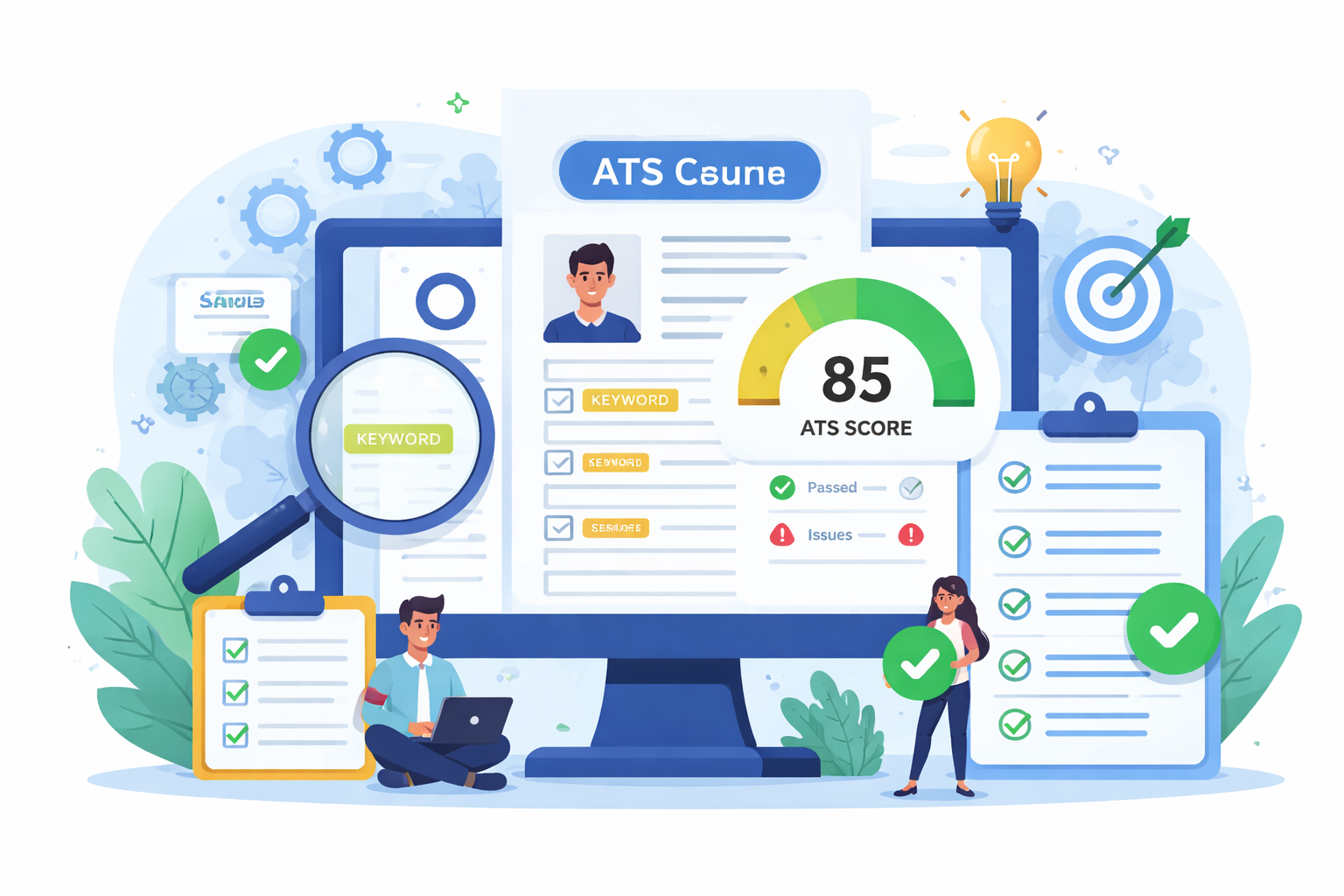
Check Your Resume with ATS
Make sure your resume passes Applicant Tracking Systems before recruiters see it.
- 📄 Upload your resume and get instant ATS feedback
- 🎯 Improve keyword matching for your target job
- ⚡ Boost your chances of getting shortlisted
Industry tailoring - SaaS, Fintech, IoT examples
SaaS platform PO focus:
- Emphasize multi-tenant considerations, SLAs, onboarding, and analytics integration.
- Keywords: multi-tenancy, tenant isolation, product telemetry, subscription metrics.
Fintech PO focus:
- Highlight compliance, secure data contracts, transaction integrity, and latency-sensitive flows.
- Keywords: payments, PCI considerations, audit logs, reconciliation, regulatory constraints.
IoT / embedded PO focus:
- Show device constraints, edge vs cloud trade-offs, firmware update strategies, and throughput concerns.
- Keywords: telemetry ingestion, firmware rollout, intermittent connectivity, OTA updates.
Tailoring tips:
- Flip the leading achievements to the industry-relevant metric (revenue for SaaS, transaction accuracy for fintech, reliability for IoT).
- Keep sensitive technical details high-level when regulated or proprietary.
Common resume mistakes and fixes
Mistake: Long, code-level descriptions that read like an engineering CV.
Fix: Summarize engineering work as decisions and outcomes, not implementation details.
Mistake: Vague verbs without metrics ("owned product").
Fix: Use scope and results ("owned API roadmap used by 120 customers, reducing onboarding time by 40%").
Mistake: Missing ATS keywords for both product and technical skills.
Fix: Audit job descriptions and mirror exact keyword phrases in experience and skills sections.
Mistake: No portfolio or artifacts.
Fix: Add short case studies or non-sensitive API snippets, and mention where artifacts are available for interviews.
Hiring evaluation criteria and signals that matter
What hiring teams are trying to confirm by reading a resume:
- Can this candidate make trade-offs between product outcomes and technical constraints?
- Do they understand system-level impacts like scalability, latency, and operational costs?
- Have they shipped measurable outcomes, not just managed ceremonies?
Quality signals to include:
- Quantified metrics tied to features or platform changes
- Named deliverables (API contract, migration plan, runbooks)
- Cross-functional scope (squads, architects, SRE, partners)
- Progression in responsibility across roles
Red flags that slow hiring:
- Only lists ceremonies (standups, retros) with no outcomes
- Overly detailed implementation steps that reveal IP or confuse non-engineer readers
- No measurable impact or inconsistent seniority claims
FAQ - direct answers to common searches
How should a Technical Product Owner format their resume for ATS in 2026?
- Use a clear role headline, grouped skills with exact tool names, and experience bullets that repeat high-value keywords. Keep layout simple and avoid images or unusual fonts.
What technical skills should a Technical Product Owner list on a resume?
- Include API design, microservices, system design, data contracts, observability tools, cloud familiarity, and CI/CD knowledge. Pair each with context like scale or outcome.
How do I quantify engineering work on a Technical Product Owner resume?
- Translate engineering actions into product outcomes: onboarding time, error rates, latency percentiles, MTTR, conversion lift, deployment frequency.
What are good achievement examples for a Senior Technical Product Owner?
- Examples: reduced API 95th percentile latency by 70% improving conversion; owned migration that cut operating costs 18%; introduced contract testing that reduced partner incidents 60%.
How to rewrite software engineering bullets into product-impact bullets for a PO resume?
- Shift focus from implementation to decision and result. Start with the decision or deliverable, add context, end with the metric or stakeholder impact.
Which keywords do recruiters search for when hiring Technical Product Owners?
- product backlog, acceptance criteria, API, system design, roadmap, scalability, technical debt, Sprint planning, OKRs, KPI.
What projects should a Technical Product Owner portfolio include?
- API design and migration, performance improvement roadmap, developer onboarding, integrations with external partners, data contract design. Include anonymized artifacts and metrics.
Related careers
Related professions
- Technical Product Manager
- Product Manager
- Product Owner
- Platform Product Manager
- Delivery Manager
How these relate
- Technical Product Manager often owns broader product strategy and P&L.
- Product Manager may be less execution-focused on engineering trade-offs.
- Platform Product Owner specializes in infrastructure, APIs, and developer experience.
- Delivery Manager focuses on process and release efficiency rather than product decisions.
Conclusion - next steps, checklist, and 30/60/90 snippets
Final note
A strong Technical Product Owner resume shows both technical fluency and product impact: clear deliverables, measurable outcomes, and the right ATS keywords placed in context.
7-point practical checklist
- Headline with seniority and domain
- 1-2 line technical summary with scale and stacks
- Top 3 quantified achievements near the top
- Grouped skills that match job descriptions exactly
- 2-3 portfolio case studies or artifacts (non-sensitive)
- Clear deliverables named (API contract, roadmap, migration plan)
- Remove code-level details that reveal IP
30/60/90-day plan snippets to include or prepare for interviews
- 30 days: map system boundaries, meet engineers and architects, review OpenAPI contracts and runbooks
- 60 days: define prioritized backlog, propose quick wins for reliability or onboarding, align roadmap with stakeholders
- 90 days: deliver first scoped API change or migration phase with KPIs and rollout plan
Industry-tailoring checklist (SaaS, Fintech, IoT)
- SaaS: emphasize onboarding speed, tenancy, and subscription metrics
- Fintech: emphasize transaction integrity, compliance, and auditability
- IoT: emphasize edge constraints, firmware rollout, and telemetry handling
Next action
- Pick one recent achievement and rework it into the action-context-metric format.
- Update your resume headline and grouped skills to match a target job description.
- Prepare one anonymized portfolio case study focused on technical trade-offs and measurable impact to share at interviews.
Why job seekers choose selfcv
Thousands of professionals use selfcv to build modern, ATS-friendly resumes, customize templates, and apply for jobs with confidence.
Thanks to SelfCV, I now have a professional and polished resume that I'm confident in sending to potential employers. I will definitely be recommending your service to other job seekers. Keep up the great work!
SelfCV offers an intuitive interface that makes creating a professional CV straightforward. Whether you're a student, a fresh graduate, or an experienced professional, the step-by-step process ensures that users of all levels can craft an impressive CV.
Easy to use resume builder. They have very intuitive ui for customizing and keeping multiple versions of resume.
The right tool for creating CVs. As a student I was looking for a tool that could help me quickly create a CV for internship applications. This was just the right tool. I am very satisfied!
This is one of the best tools I’ve ever used - I was able to build my CV in seconds with high quality template. Highly recommended!
Amazing app with easy user experience. Loved it. Its intuitive and easy to navigate, designs are very nice.
